Disclosure: As an Amazon Associate, we earn from qualifying purchases. If you click a link on this page and make a purchase, we may receive a small commission at no extra cost to you.
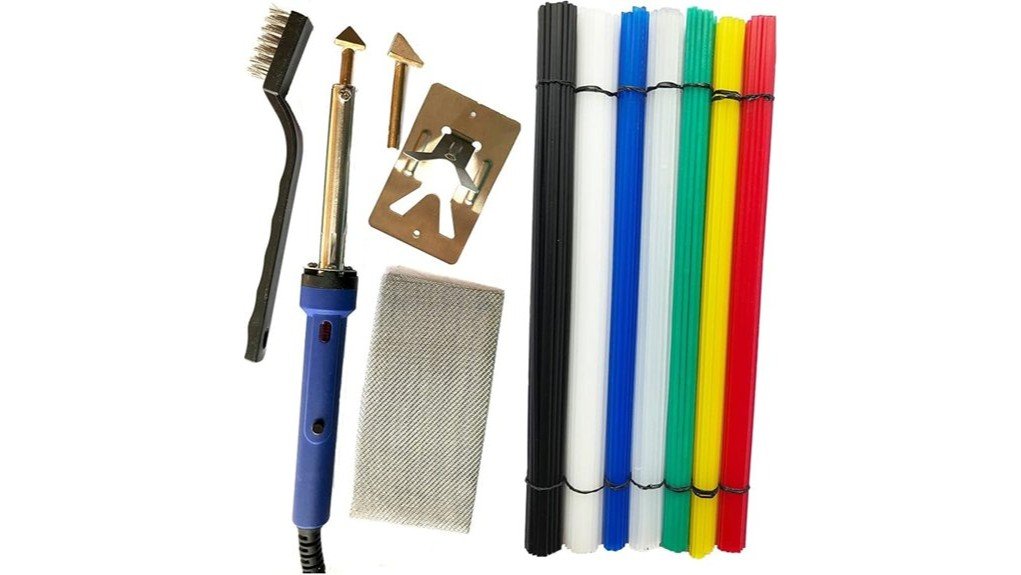
Cracked plastic parts can be frustrating because glue often fails, replacement parts cost more, and many repairs need more strength than a surface patch can provide. The Plastic Repair Welding Kit gives you an 80W heated iron, plastic welding rods, reinforcing mesh, and basic prep tools for small DIY repairs on compatible thermoplastics. This review helps you decide if it makes sense for car bumper tabs, dashboards, kayaks, canoes, toys, and other non-structural plastic repair jobs. Its main strength is the complete starter kit format, while its main limitation is that you still need correct material matching, ventilation, and careful heat control.
Quick Verdict
Rating: Recommended with caveats, 8.1/10
Best For: DIY users who need a simple plastic welder for small automotive, outdoor gear, and household plastic repairs.
Bottom Line: This kit is useful if you want one package with an 80W iron, 90 rods, mesh, a wire brush, and a stand. It is not ideal for load-bearing repairs, unknown plastics, or indoor use without good ventilation.
| Specification | Detail |
|---|---|
| Product type | Plastic repair welding kit |
| Included heating tool | 80W soldering iron style plastic welder |
| Power source | AC, 110 volts |
| Maximum temperature | Up to 525°F |
| Welding rods | 90 plastic rods in multiple colors |
| Reinforcement | Stainless steel mesh included |
| Other included tools | Wire brush and metal stand |
| Compatible materials listed | ABS, TPO, TEO, and PP plastics |
| Tool length | 9.84 inches |
| Weight | 1.08 pounds |
| Cord length | 57 inches |
| Warranty detail listed | One-year repair or replacement support, confirm current terms before purchase |
| Best use | Small DIY repairs on compatible thermoplastic parts |
What Is the Plastic Repair Welding Kit?
The Plastic Repair Welding Kit is a compact repair set built around an 80W heated iron that melts plastic welding rods into cracks, splits, and worn areas. The linked Amazon listing is identified by ASIN B09TJZ3JDQ in the URL, but the article source does not clearly confirm a separate brand or model name.
You get 90 plastic welding rods, stainless steel mesh, a wire brush, and a metal stand, which makes it more complete than buying a basic soldering iron alone. The kit is best for small repairs on compatible thermoplastics, especially when you can clean the surface, match the repair rod to the base plastic, and work slowly.
This is not a magic fix for every cracked plastic part. It works best when the damaged item is made from a weldable plastic such as ABS, TPO, TEO, or PP, and when the repair does not carry major weight or safety load.
Key Takeaways
- The kit includes an 80W iron, 90 plastic welding rods, stainless steel mesh, a wire brush, and a metal stand.
- It runs on 110V AC power and reaches a listed maximum temperature of 525°F.
- The article-supported compatibility list includes ABS, TPO, TEO, and PP plastics.
- The 1.08-pound weight and 57-inch cord make the tool manageable for bench work, garage repairs, and small outdoor projects near an outlet.
- You should use it with ventilation, heat-resistant work habits, and realistic expectations for non-structural repairs.
Who Should Buy It?
Best For
- DIY users repairing cracked plastic trim, tabs, covers, toys, or outdoor gear.
- Garage owners who want a simple plastic welding setup for light automotive work.
- Buyers who want rods, mesh, brush, stand, and iron in one starter package.
Skip If
- You need to repair a structural, safety-critical, or high-load part.
- You cannot identify the plastic type or test the rod on a small hidden area first.
- You need cordless operation, adjustable digital temperature control, or professional body shop output.
Before You Buy: This kit is meant for compatible thermoplastic repairs, not every plastic material. Avoid using it on fuel tanks, pressurized parts, airbag areas, seat belt components, electrical housings under load, or any repair where failure could create a safety risk.
Technical Specifications and Features
The core tool is an 80W heated iron designed to soften plastic rods and the repair surface. Its listed 525°F maximum temperature gives it enough heat for many common thermoplastic repair tasks, but it also means you need patience and control to avoid scorching thin plastic.
The 110V AC design works well in a garage, workshop, or indoor bench setup with a safe outlet nearby. The tradeoff is that this is not a cordless kit, so you need to plan around cord reach, outlet access, and the 57-inch cord length.
The 90 included rods give you more practice material than small kits that include only a few sticks. The multiple colors can help with appearance, but the plastic type matters more than the color when you want a stronger repair.
Build Quality and Kit Contents
The lightweight 1.08-pound tool is easy to hold during short repairs. That helps when you are working around a bumper edge, cracked trim tab, or curved plastic surface where a heavy tool would feel awkward.
The stainless steel mesh is one of the most useful included parts. When melted into the back side of a cracked area, the mesh can add reinforcement and help spread stress across the repair instead of concentrating it on one narrow seam.
The wire brush helps clean loose debris before welding, while the metal stand gives you a safer place to rest the hot tool between passes. You should still keep the work area clear of paper, solvent, rags, and loose plastic shavings.
Compatibility and Materials
The article-supported compatibility list includes ABS, TPO, TEO, and PP. Those plastics are common in automotive parts, trim pieces, bumpers, dashboards, containers, and outdoor gear, but you should always check the marking on the part before you start.
Many plastic parts have molded material codes such as PP, ABS, TPO, PE, or PC. If the material code does not match the rod or the listed compatibility range, the weld may look acceptable at first but fail after flexing, vibration, or weather exposure.
For best results, treat this kit as a repair tool for small compatible thermoplastic damage. Do not assume it will bond well to rubber, silicone, thermoset plastic, dirty plastic, painted surfaces, or unknown recycled blends.
Performance and Usability Insights
In use, the main advantage is control. A soldering iron style plastic welder lets you press heat into a focused area, melt a rod into the crack, and smooth the surface in small sections instead of flooding the repair with adhesive.
The 525°F maximum temperature can speed up basic repairs, but it can also damage thin plastic if you hold the iron in one place too long. You will get better results by making several light passes, letting the surface cool slightly, and building the repair slowly.
The kit works best when you prepare the surface first. Clean the damaged area, remove loose pieces, roughen glossy plastic lightly, and create a small groove along the crack so the melted rod has a place to sit.
How It Performs in Real Use
For Car Bumper and Trim Repairs
This kit makes sense for cracked bumper tabs, loose trim edges, and small non-structural plastic repairs. The included mesh can help when the crack needs support from the back side, especially on flexible bumper material.
You should not use it as the only repair method for major collision damage, mounting points that carry heavy force, or parts tied to crash protection. For those jobs, professional repair or replacement is safer.
For Kayaks, Canoes, and Outdoor Gear
The kit can help with small cracks or worn areas on compatible plastic outdoor gear, but material matching matters. Many kayaks and canoes use plastics that may need specific rod material and careful heat control.
Work in a ventilated area, keep the tool away from water, and test the repair on a small hidden spot when possible. A poor material match can peel, crack, or leak after flexing.
For Household Plastic and Toys
For bins, handles, toy bodies, covers, and small plastic housings, the kit can save you from replacing the item. It works best on thicker plastic where you have enough material to melt without warping the entire part.
Avoid repairs on items used for food contact, baby feeding, pet feeding, or heat exposure unless the manufacturer clearly says the material and repair method are safe for that use.
For Garage and Emergency Repairs
The compact size makes the kit useful as a garage backup tool. You can repair a broken tab, reinforce a cracked cover, or patch a non-critical plastic part without waiting for a replacement.
It is still a corded tool, so it is not ideal for remote field repairs unless you have safe 110V power available. The metal stand and wire brush make it easier to handle small repairs without adding many extra tools.
Setup Tips Before First Use
- Identify the plastic first: Look for a molded material code on the back or underside of the part.
- Clean the repair area: Remove grease, dirt, loose fragments, and old adhesive before heating the plastic.
- Practice on scrap: Use a broken piece or hidden area to learn how quickly the rod softens.
- Use mesh on cracks that flex: Place reinforcement on the back side when the repair area needs extra support.
- Work in short passes: Too much heat in one spot can scorch, sink, or warp the plastic.
- Let the repair cool naturally: Do not stress the part before the plastic hardens again.
Pro Tip: Match the rod material to the base plastic before you worry about color. A color-matched rod that uses the wrong plastic can fail faster than a less attractive repair made with the correct material.
Safety and Ventilation Notes
This tool gets hot enough to burn skin, melt nearby materials, and release odors or fumes from heated plastic. Use it on a stable, heat-safe surface, keep the stand nearby, and unplug the tool when you finish.
Ventilation matters. Heated plastics can create fumes, especially if you overheat the material or work in a tight space. Use the kit in a well-ventilated area, keep your face away from the work zone, and follow the product instructions for safe handling.
Wear practical protection such as safety glasses and heat-resistant gloves when the repair shape or work angle creates burn risk. Keep children, pets, liquids, flammable materials, and loose cords away from the hot tool.
Quality Assurance and Warranty Information
The source article lists a one-year repair or replacement warranty and states that each unit goes through quality inspection before shipment. Warranty coverage can vary by seller, country, and purchase condition, so check the current Amazon listing before you rely on a specific term.
The article also notes that the first use may produce an unusual smell. That is another reason to work with airflow and avoid hovering over the repair while the tool is heating plastic.
For a low-complexity tool, the most important quality factor is not only the iron itself. You also need rods that match the base material, a stable tip, clean mesh, and enough control to heat the repair area without burning it.
Pros and Cons
Pros
- 80W iron reaches a listed 525°F maximum temperature for common thermoplastic repairs.
- Includes 90 plastic rods, so you have enough material for practice and multiple small jobs.
- Stainless steel mesh helps reinforce cracks from the back side.
- Lightweight 1.08-pound design is easy to handle around curved plastic parts.
- Works for a wide range of small DIY repair uses when the material is compatible.
Cons
- Not cordless, so you need safe 110V outlet access near the repair area.
- Material matching takes trial and error if the plastic part is not clearly marked.
- Not suitable for structural, safety-critical, food-contact, or high-load repairs.
Is It Worth the Price?
The Plastic Repair Welding Kit is worth considering if you want a budget-friendly starter kit for small plastic repairs. You get the heated iron, rods, mesh, brush, and stand in one package, so you do not need to assemble the basic parts separately.
It offers the most value if you often repair small plastic items instead of throwing them away. A single saved bumper tab, cracked toy, plastic cover, or outdoor gear repair can make the kit useful for the right buyer.
It is not the best fit if you need professional temperature control, a cordless hot stapler, or a repair tool for unknown plastics. In those cases, spending more on a higher-control plastic welder or taking the part to a repair shop may make more sense.
How It Compares to Alternatives
Compared with hot staple kits, this rod-based plastic welder is better for filling grooves, smoothing cracks, and adding material to worn areas. A hot staple kit may be better when your main goal is to mechanically bridge a split from the back side.
Compared with more advanced kits from brands such as JOUNJIP or Massca, this kit focuses on basic DIY value instead of verified premium certifications, digital controls, or specialized rod formulas. It makes the most sense if you want a simple starter set and you are comfortable testing fit and material compatibility before committing to the full repair.
Frequently Asked Questions
What plastics can this repair kit work on?
The article-supported material list includes ABS, TPO, TEO, and PP. You should still check the material code on the part and test in a small hidden area because rod compatibility affects repair strength.
Can you use it on a car bumper?
Yes, it can be useful for small bumper cracks, trim tabs, and non-structural plastic repairs when the bumper material is compatible. Do not use it as the only fix for crash damage, sensor areas, or mounting points that carry major force.
Is it safe to use indoors?
Use it only with good ventilation and a clear work area. Heated plastic can release odors or fumes, and the hot iron can burn skin or damage nearby surfaces.
Do the rod colors matter?
Rod color can help the repair blend in, but material type matters more. A plastic rod that matches the base material is more important than a perfect color match.
What is the stainless steel mesh for?
The mesh reinforces cracks by spreading stress across a wider area. It is especially helpful when you can place it on the back side of a cracked panel or tab.
How long does the iron take to cool down?
Cooling time can vary based on room temperature, work time, and the surface under the stand. Treat the iron as hot for at least 30 minutes after use unless the manual gives a different safe handling time.
Can you buy extra welding rods later?
Replacement rods are commonly sold separately, but you need to choose rods that match the plastic you are repairing. Check rod material, shape, size, and color before buying refills.
Who should skip this plastic repair kit?
Skip it if your repair is structural, safety-critical, or made from unknown plastic. You should also skip it if you need cordless use, digital temperature control, or professional shop-level repeatability.
The Bottom Line
The Plastic Repair Welding Kit is a smart buy for DIY users who want a simple 80W plastic welder with rods, mesh, brush, and a stand for small compatible repairs. It is best for non-structural plastic work on items such as trim, bumper tabs, toys, covers, and outdoor gear.
You should skip it if you cannot identify the plastic, need a repair on a safety-critical part, or want a cordless professional-grade tool. Overall, it earns a recommended-with-caveats verdict because it offers useful kit contents and practical repair value, but it depends heavily on correct material matching and safe technique.