Can a Plasma Cutter Cut Titanium?
What’s in This Article
- Understanding Plasma Cutting and Titanium
- Importance of Gas Selection in Plasma Cutting
- The Role of Heat-Affected Zones
- Best Practices for Minimizing Heat Effects
- Recommended Gas Mixtures for Cutting Titanium
- Avoiding Oxidation During the Cutting Process
- Achieving High-Quality Cuts With Proper Techniques
- Safety Considerations for Cutting Titanium
- Secondary Processing for Edge Finishing
- Comparing Plasma Cutting With Other Methods
- Frequently Asked Questions
- Conclusion
Titanium can cut cleanly with a plasma cutter, but it demands more care than mild steel. You need the right gas, fast travel speed, steady torch height, and strict heat management. A 95% argon and 5% hydrogen mix can help support arc stability and reduce oxidation risk. With careful settings, you can make useful cuts while protecting titanium’s strength and surface quality.
Quick Answer
Yes, a plasma cutter can cut titanium, but you must control heat and oxidation. Use a suitable inert or reducing gas mix, keep travel speed high, and avoid oxygen-bearing gases. For critical parts, plan on edge finishing or use a lower-heat method such as waterjet cutting.
Key Takeaways
- You can cut titanium with plasma, but heat control affects the final part quality.
- Argon-hydrogen gas mixes often give cleaner results than shop air or oxygen-bearing gases.
- Fast travel speed helps reduce the heat-affected zone and limits warping.
- Titanium edges often need grinding, sanding, machining, or another finishing step after plasma cutting.
- Fire safety matters because hot titanium dust, chips, or fine particles can ignite.
Understanding Plasma Cutting and Titanium
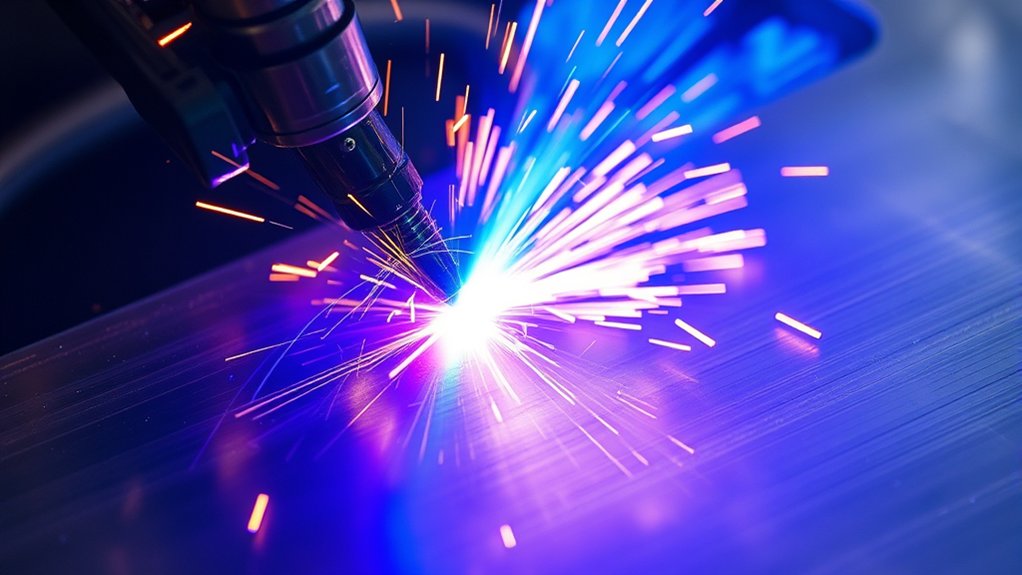
When you work with titanium, you need to understand how plasma cutting affects the metal. Titanium has a high strength-to-weight ratio, but it reacts strongly with heat and oxygen. Plasma cutting uses a hot, high-speed arc, so small setting changes can affect the cut edge.
Avoid oxygen-bearing gases when cut quality matters. Oxygen can promote surface oxidation and may weaken or contaminate the edge. A 95% argon and 5% hydrogen mix can improve arc quality and help limit oxidation on suitable equipment.
Use fast travel speeds, much like you would when cutting aluminum. Faster movement helps limit heat input, which can reduce warping and edge damage. Keep the torch height steady so the arc stays stable through the full cut.
Plasma cutting can slice titanium, but it often leaves a rough edge. You may need secondary processing if the part needs a smooth finish, close tolerance, or high fatigue strength.
Warning: Keep a suitable Class D fire extinguisher nearby when you cut or grind titanium, especially near dust or fine chips.
Importance of Gas Selection in Plasma Cutting
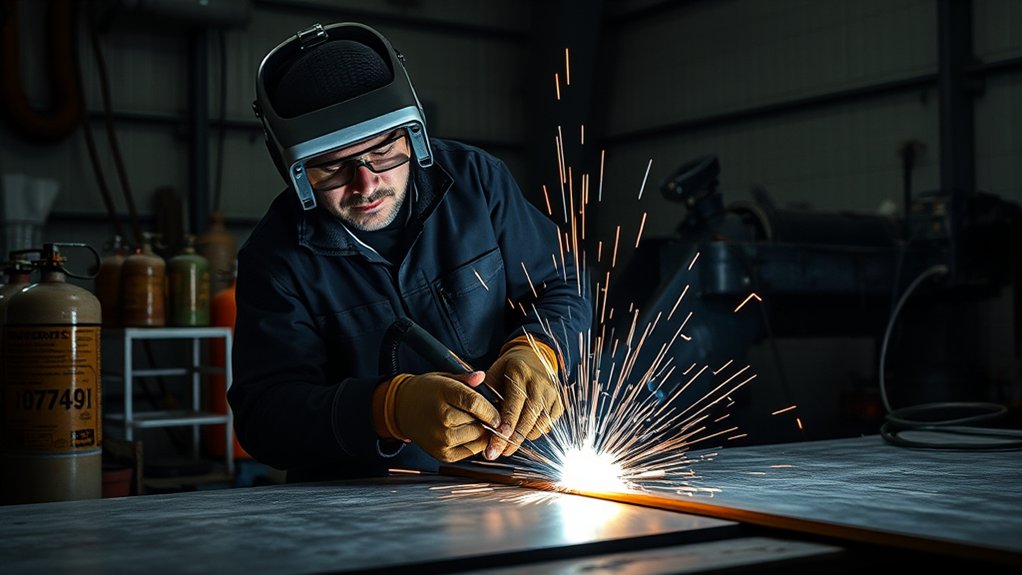
Your gas choice strongly affects cut quality, edge color, oxidation, and heat control when you plasma cut titanium.
An argon-hydrogen mix, often 95% argon and 5% hydrogen, can improve arc stability and reduce oxidation risk. Nitrogen may work in some setups, but it can reduce precision and edge quality.
The gas choice also affects the heat-affected zone. Good gas selection helps protect titanium’s structural integrity and reduces the amount of edge cleanup you need later.
Gas Types for Cutting
The right gas helps you control the arc, heat, and edge finish. Strong gas control matters most when you cut reactive metals such as titanium.
Argon-hydrogen mixtures, such as a 95/5 ratio, can support arc stability and heat control. This blend may help produce cleaner, more precise cuts when your machine supports it.
Nitrogen can sometimes replace hydrogen, but it may lower cut quality. Shop air may seem convenient, but it can increase oxidation and leave a lower-quality edge. Avoid oxygen-bearing gases when you need to protect titanium’s surface and mechanical properties.
Choose the gas based on your machine, material thickness, finish needs, and safety rules.
Impact on Cut Quality
Gas selection directly affects your plasma cuts, especially with a reactive metal like titanium. A stable argon-hydrogen mix can help produce cleaner edges and reduce oxidation.
Oxygen-bearing gases can oxidize titanium and harm cut integrity. Nitrogen can work in some cases, but it often needs careful testing before you use it on important parts.
Good heat management also matters. Use fast inch-per-minute (IPM) travel speeds, steady torch height, and proper gas flow to limit the heat-affected zone (HAZ).
The Role of Heat-Affected Zones
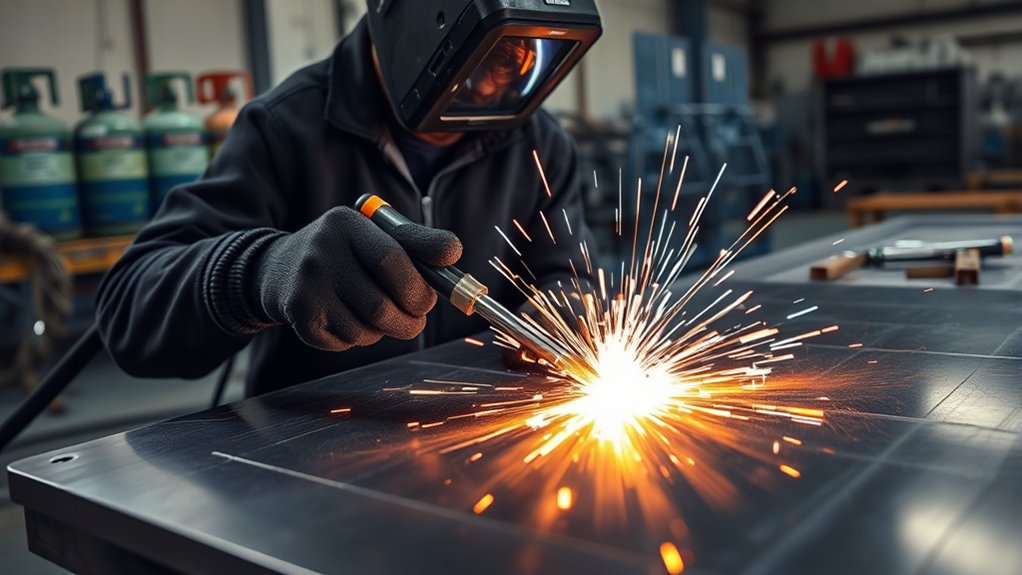
When you cut titanium with a plasma cutter, you need to understand the heat-affected zone (HAZ). The HAZ is the area near the cut edge where heat can change the metal’s structure and behavior.
Plasma cutting can create a larger HAZ than some lower-heat methods. Too much heat can cause warping, reduced strength, edge hardening, or brittleness. These problems matter more when the part must carry load or hold tight tolerances.
You can reduce the HAZ by adjusting cutting parameters, gas flow, travel speed, and torch height. Good setup helps preserve titanium’s useful properties.
For non-critical parts, a well-tuned plasma cut may be enough. For aerospace, medical, or high-stress parts, you should verify the cut quality and consider another method.
Best Practices for Minimizing Heat Effects
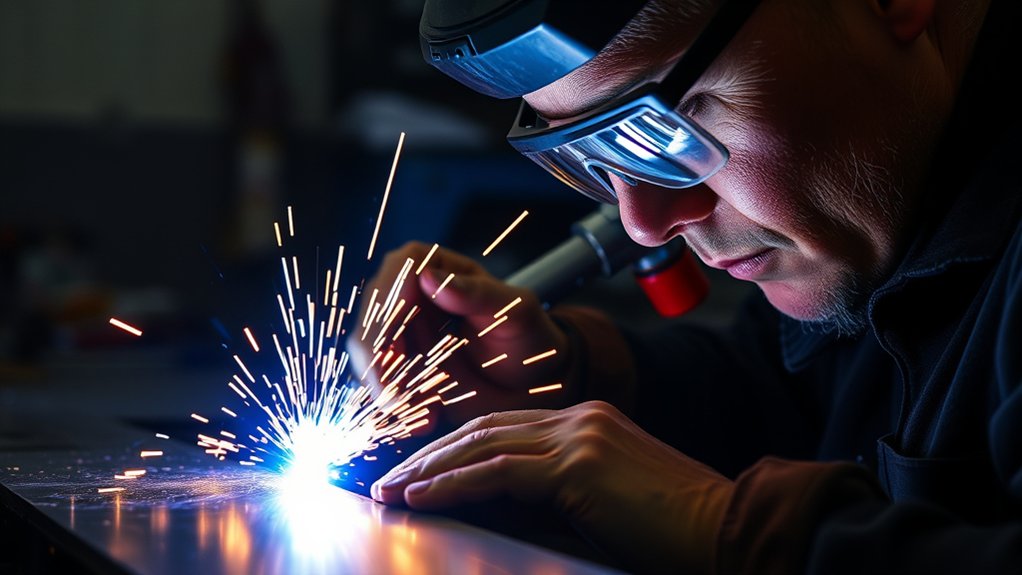
When you cut titanium with a plasma cutter, choose a suitable gas mixture, such as 95% argon and 5% hydrogen, if your system supports it. This mix can help stabilize the arc and reduce oxidation.
You should also control the cutting speed. A fast travel rate reduces the time that heat stays in the metal, which helps shrink the HAZ.
Optimal Gas Selection
Gas selection plays a major role in plasma cut quality. A 95% argon and 5% hydrogen mixture can improve arc behavior and help protect titanium alloy characteristics.
This mix can reduce oxidation risk and support a cleaner edge. If hydrogen is not available or suitable for your equipment, nitrogen may work as a substitute. Test it first, because it can lower edge quality.
Avoid oxygen-bearing gases when you need a clean titanium cut. Oxygen can promote oxidation and surface degradation.
| Gas Type | Pros | Cons |
|---|---|---|
| Argon-Hydrogen | Supports arc stability and limits oxidation risk | May need a specific setup |
| Nitrogen | Works in some setups and may be easier to source | Can reduce cut quality |
| Oxygen-bearing gases | May cut aggressively on some metals | Can oxidize titanium and harm edge quality |
Select the gas that matches your machine manual, part requirements, and shop safety rules.
Controlled Cutting Speed
To reduce the heat-affected zone (HAZ), maintain a controlled cutting speed. Good cutting techniques help you protect titanium from overheating and distortion.
- Match speed to material: Use a fast travel speed, similar to aluminum cutting, so the arc does not linger.
- Increase IPM speed carefully: Higher inch-per-minute (IPM) speeds can limit heat transfer and reduce warping.
- Monitor and adjust: Check torch height, gas flow, and motion consistency during the cut.
Pro tip: Make a test cut on scrap titanium before you cut the final part.
Recommended Gas Mixtures for Cutting Titanium
For clean plasma cuts in titanium, gas mixture matters. A common choice is 95% argon and 5% hydrogen. This blend can improve arc quality and cutting performance when your system supports it.
Hydrogen helps raise plasma energy and may improve cutting efficiency. Nitrogen can sometimes replace hydrogen, but it may leave a less precise edge. Avoid oxygen-bearing gases because they can damage titanium’s edge quality.
Keep your cutting speed high enough to reduce heat buildup. This helps limit warping and protects the part’s shape.
Here’s a quick breakdown of common gas choices:
| Gas Mixture | Composition | Effectiveness |
|---|---|---|
| Argon/Hydrogen | 95%/5% | Strong choice for cleaner, more precise cuts |
| Nitrogen Substitute | Nitrogen | Useful in some setups, but may reduce quality |
| Oxygen-Bearing Gases | Avoid for titanium quality cuts | Can cause oxidation |
Use this table as a starting point, then check your plasma cutter manual before you choose a gas.
Products Worth Considering

60 CU FT ARGON CAPACITY - Mid-size cylinder for welding, metal fabrication, and more. Balances generous capacity with portability at 29 lbs for professional welders, fabrication shops, and mobile repair

Quick & Straight Forward - 2 Second Flush – Simply insert the red straw into your Fresh-Port Valve Products (Sold Separately On Amazon), flush for 1- 2 seconds, forming a protective layer of the argon gas on top of the contents. Enjoy up to 150 oxygen-removing flushes per can for long-lasting freshness.

TESTED AND CERTIFIED: Certification/hydro test within 12 months and DOT Approved
Avoiding Oxidation During the Cutting Process
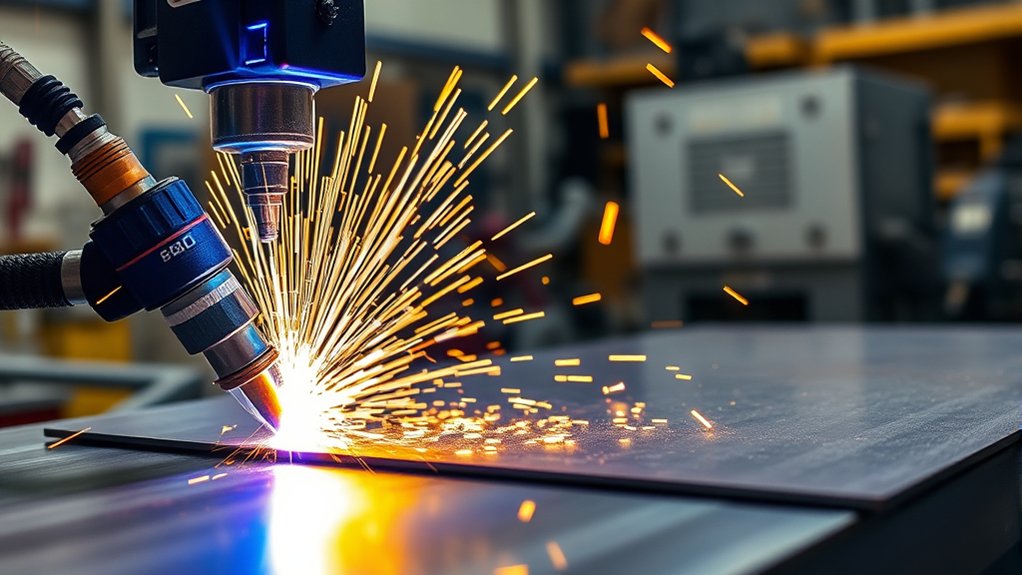
When you plasma cut titanium, oxidation can harm edge quality and reduce part performance. You can lower that risk by controlling gas, heat, and shielding.
- Select the right gas: Use an inert gas or an argon-hydrogen mix to reduce oxidation risk.
- Control cutting speed: Keep the torch moving fast enough to limit heat exposure at the cut edge.
- Protect the cut edge: Use proper shielding gas flow to reduce contact with oxygen during cutting.
A gas mix with strong arc performance, such as 95% argon and 5% hydrogen, can support cleaner cutting and reduce oxidation risks.
Achieving High-Quality Cuts With Proper Techniques
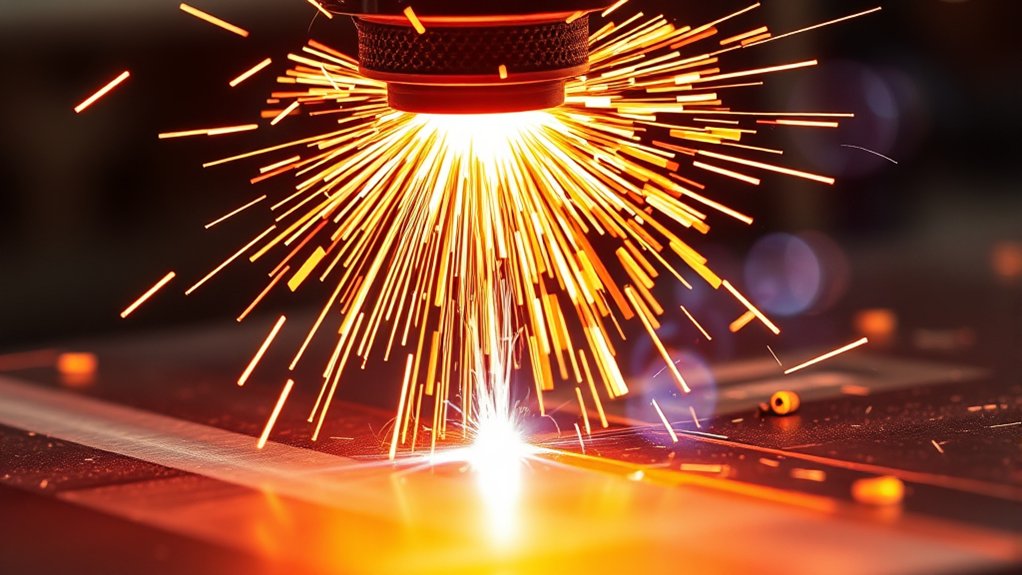
High-quality titanium cuts need steady technique and correct machine settings. Start with the gas mixture. Argon and hydrogen can support optimal arc quality and help reduce oxidation.
Next, use fast inches per minute (IPM) travel speeds, similar to aluminum cutting. This lowers heat input and helps protect the cut edge.
Maintain the correct torch-to-workpiece distance. A steady distance helps keep the arc stable and limits the heat-affected zone.
Avoid oxygen-bearing gases when you need better cut quality. Use nitrogen or an argon-hydrogen mixture only when your cutter supports that gas setup.
Safety Considerations for Cutting Titanium
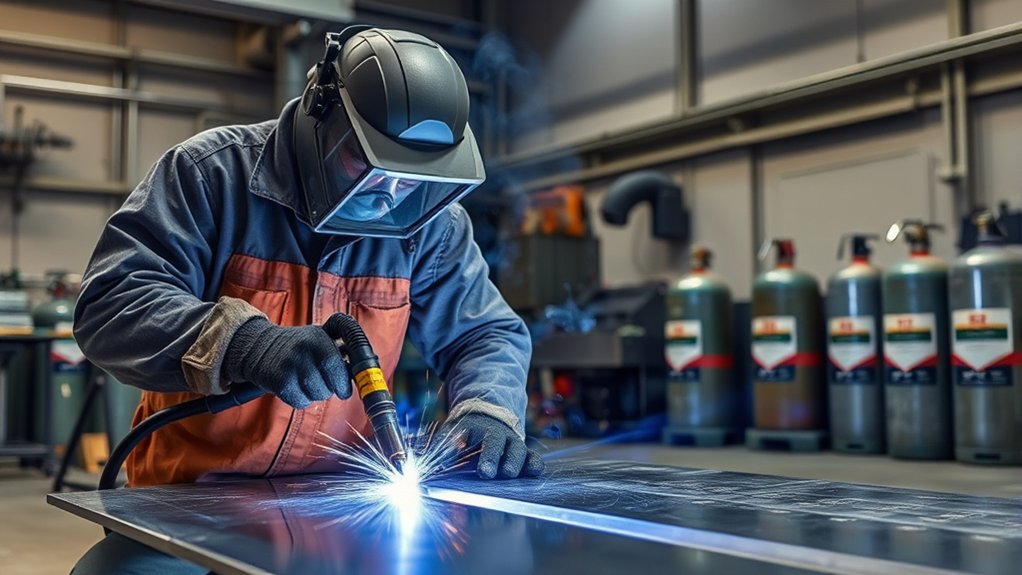
After you set up for high-quality cuts, focus on safety considerations. Titanium can create fire risks, fumes, hot sparks, and hazardous dust during cutting or finishing.
Use clear safety measures before you strike an arc. This helps you work with more control and less risk.
- Wear safety gear: Use flame-resistant clothing, gloves, eye protection, and respiratory protection when needed.
- Use ventilation systems: Move fumes and fine particles away from your breathing zone.
- Plan fire safety: Keep a suitable Class D fire extinguisher close to the work area.
- Keep dust under control: Clean titanium dust and chips safely, and do not let them build up near heat or sparks.
Ask an experienced metalworker or safety lead to review your setup before you cut important or thick titanium parts.
Secondary Processing for Edge Finishing
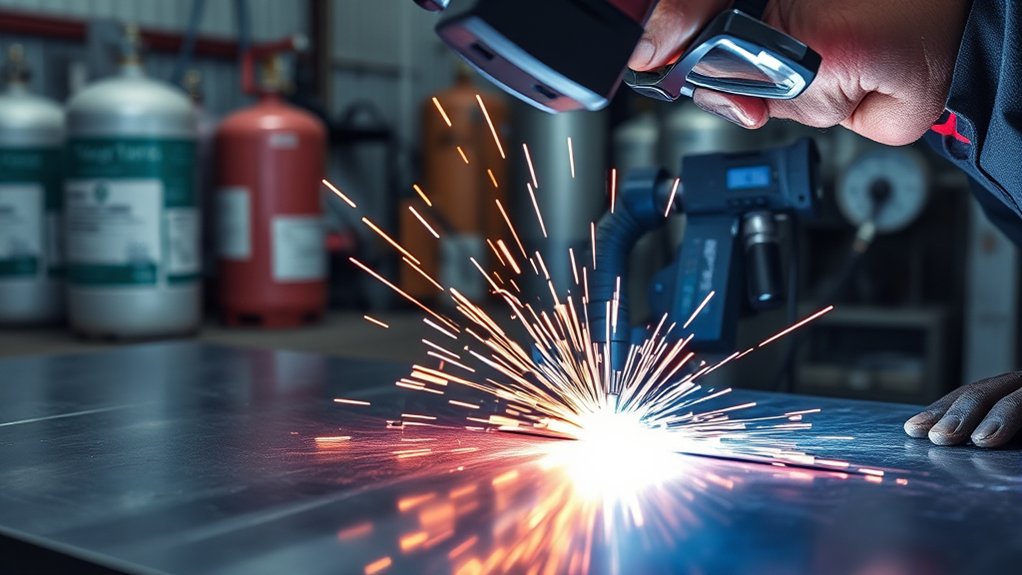
Plasma cutting works fast, but it often leaves titanium edges rough. You may need edge treatment methods such as grinding, sanding, or machining. These steps remove burrs and improve the surface finish.
Post-processing also helps you address the heat-affected zone (HAZ). This matters when you need better fit, appearance, strength, or repeatable part quality.
For higher precision, you can use waterjet cutting or milling after plasma cutting. These methods can create smoother edges and reduce the amount of finishing you need.
Here’s a comparison of common finishing methods:
| Technique | Purpose |
|---|---|
| Grinding | Removes burrs and shapes rough edges |
| Sanding | Improves surface smoothness |
| Machining | Creates more precise edge finishes |
| Water Jet Cutting | Adds precision without extra heat |
| Milling | Improves accuracy and final fit |
Choose the finishing method based on the part’s use, tolerance, and required surface quality.
Comparing Plasma Cutting With Other Methods
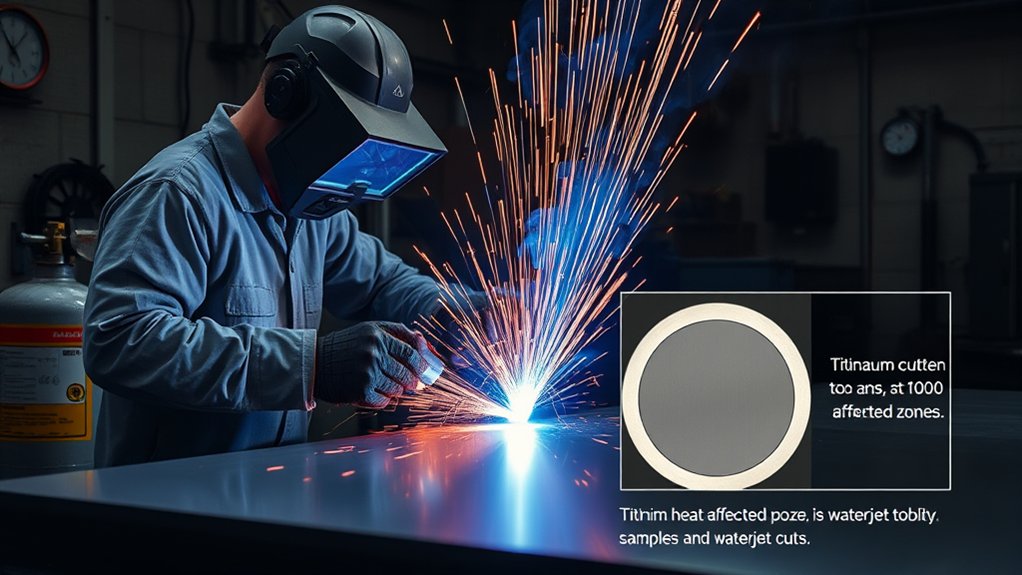
Plasma cutting can offer strong speed when you cut titanium, especially compared with slower mechanical cutting methods. It also works well for many shop and fabrication tasks.
But plasma cutting creates a heat-affected zone, so it may not suit every precision part. Laser cutting can offer better detail on some designs, while waterjet cutting avoids heat at the cut edge.
To get better plasma results, manage heat, choose the right gas mixture, and plan for edge finishing when needed.
Products Worth Considering
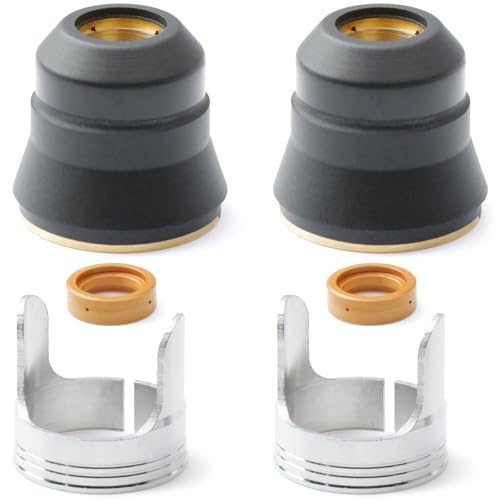
Compatible Model: This product is 2-set nozzle kit, replacement for Harbor Freight titanium plasma 45 TI-PC45 IPT-45 56255 56811/ 65 for Torch TI-PC65 iPT-65 58895. Standard manufacturing, ideal replacement option
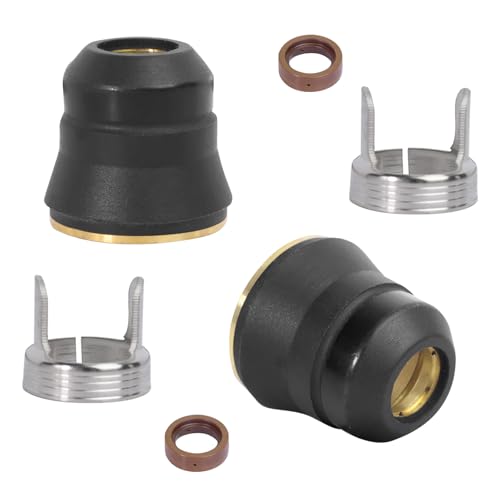
Wide Application: This tip kit replacement is compatible with Harbor Freight Titanium Plasma cutters including models TI-PC45, IPT-45, 56255, 56811/65, Torch TI-PC65, IPT-65, and 58895. It is designed to fit a comprehensive range of systems from the Titanium Plasma 45 to the Titanium 65 Plasma Cutter, ensuring coverage for various cutting tool models

Optimized Cutting Results: Tip kit replacement are carefully designed to help maintain the stability and center of the cut, providing a cleaner, more accurate cut edge and reducing post-processing work
Precision and Heat Effects
Plasma cutting affects titanium because it creates a heat-affected zone. That zone can change the cut edge and may require finishing before final use.
Use these points when you compare cutting methods:
- Thermal distortion: Plasma cutting can create more heat near the edge than laser or waterjet cutting.
- Material integrity: Waterjet cutting avoids heat and helps preserve titanium properties at the cut line.
- Gas mixture: A 95% argon and 5% hydrogen mix can improve arc quality and reduce oxidation risk.
These factors help you match the process to the part, not just the material.
Speed and Efficiency Comparison
Plasma cutting can cut titanium quickly, especially when you use a computer numerical control (CNC) machine. CNC control can improve repeatability, movement consistency, and production speed.
Laser cutting often gives better detail for intricate titanium designs. Waterjet cutting gives a clean option because it does not create a heat-affected zone.
Plasma cutting works best when speed matters and the edge can accept some finishing. If your part needs a very smooth edge or tight tolerance, compare plasma with laser, waterjet, or machining before you start.
Material Integrity Considerations
Plasma cutting titanium can affect material integrity if you do not manage the heat-affected zone (HAZ). The risk grows when the part needs strength, fatigue resistance, or close tolerance.
Consider these options before you choose your cutting method:
- Waterjet cutting: This method avoids HAZ and helps preserve material integrity.
- CNC machining: This method offers high precision and low thermal impact.
- Plasma cutting with proper gas: Nitrogen or an argon-hydrogen mix can help shield the edge and improve cut quality.
Match the method to the part’s job, thickness, finish needs, and safety requirements.
Frequently Asked Questions
Can a Plasma Cutter Cut Through Thick Titanium Sheets Effectively?
Yes, a plasma cutter can cut thick titanium sheets if the machine has enough power and the right gas setup. You should test settings first, because thickness changes speed, heat input, and edge quality.
How Does Titanium Thickness Affect Plasma Cutting Speed?
Thicker titanium usually needs slower cutting speed and more power. If you move too slowly, heat can build up and increase warping, oxidation, or edge roughness.
Are There Specific Plasma Cutters Designed for Cutting Titanium?
Some plasma cutters support gas options and settings that work better for titanium. Look for a machine that allows suitable gas mixtures, stable current control, and clean torch-height control.
What Are the Costs Associated With Using Argon-Hydrogen Gas Mixtures?
Argon-hydrogen gas mixtures usually cost more than basic shop air. The added cost may make sense when you need cleaner edges, less oxidation, and fewer rejected parts.
How Does Plasma Cutting Titanium Impact Environmental Safety?
Plasma cutting titanium can create fumes, sparks, dust, and metal waste. Use ventilation, collect waste safely, and follow your shop’s rules for handling titanium dust and scrap.
Is Waterjet Cutting Better Than Plasma Cutting for Titanium?
Waterjet cutting can be better when you need no heat-affected zone and a cleaner edge. Plasma cutting may suit you better when speed matters and the part can accept finishing after cutting.
Safety Disclaimer: This article is for informational purposes only and does not replace professional safety training. Always follow your machine manual, local safety rules, and guidance from a qualified welding or fabrication professional before cutting titanium.
Conclusion
You can cut titanium with a plasma cutter, but the cut quality depends on gas choice, heat control, and safe technique. Use a suitable gas mix, keep travel speeds high, and maintain the correct torch distance. Plan for edge finishing if the part needs a smooth or precise final surface. For critical parts, compare plasma with waterjet, laser, or machining before you commit. Careful setup helps you cut titanium with better quality and less risk.