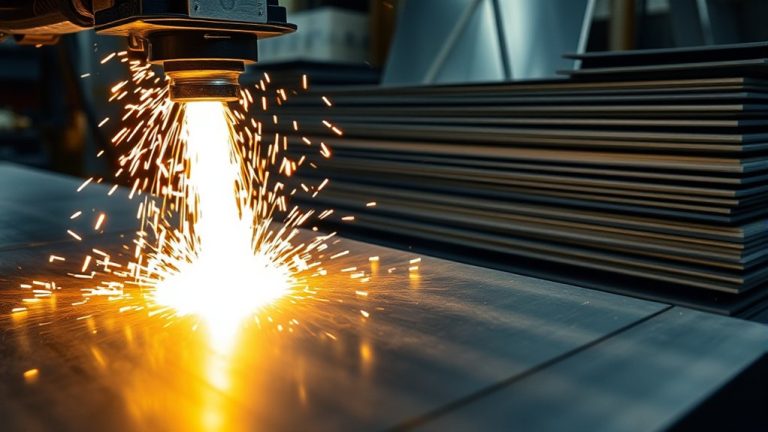
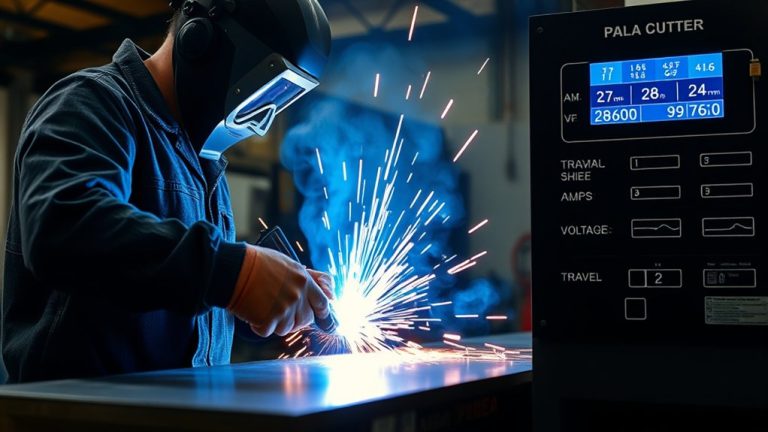
AR500 steel is incredibly tough, making it a challenge for many standard cutting methods. You might wonder if you can use a plasma cutter to cut it. The answer is yes, but it requires precise settings. Higher amperage and fast travel speeds are key to minimizing the heat-affected zone (HAZ). Keeping the edge quality intact is essential to avoid brittleness. Proper preparation and the right equipment will help you cut this heavy-duty steel cleanly and efficiently.
Quick Answer
- You can cut AR500 steel with a plasma cutter by using high amperage and fast travel speeds.
- Moving quickly limits the heat-affected zone (HAZ) and helps the steel retain its factory hardness.
- Using a water table cools the metal rapidly, further preventing edge brittleness.
- Always wear proper safety gear and ensure good ventilation when cutting.
Understanding AR500 Steel and Its Characteristics
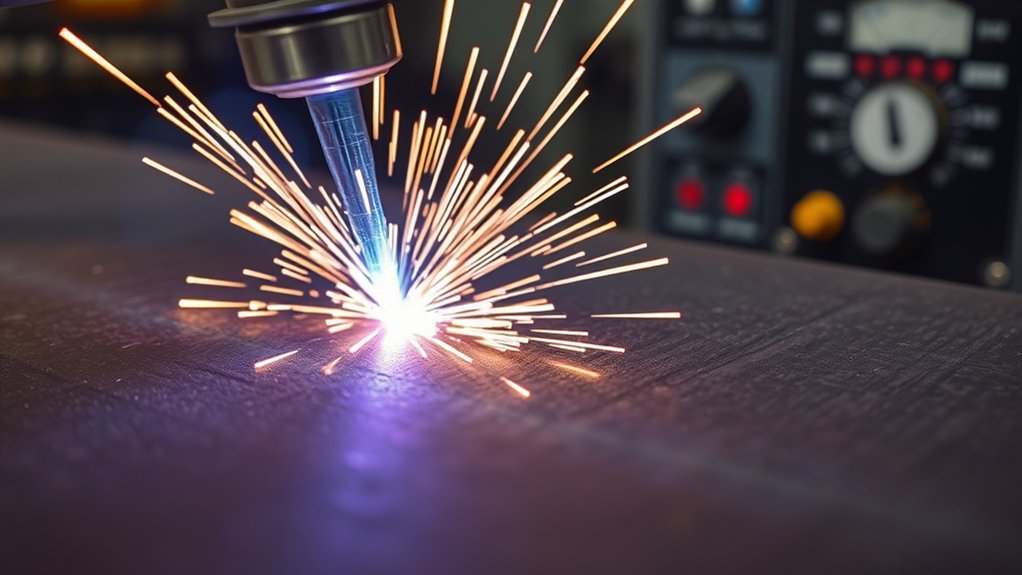
AR500 steel is a robust material known for its impressive hardness and abrasion resistance. Understanding its properties is crucial when you need materials that can survive extreme wear and tear.
AR500 steel is highly durable and perfect for enduring the harshest conditions.
It has a hardness rating of 460 to 544 on the Brinell Hardness Scale. This high strength is achieved by mixing manganese and carbon with iron. The result is a steel plate with incredible resistance to impact and abrasion.
Because of its toughness, AR500 is very common in industries like mining, ballistics, and heavy machinery manufacturing. While it offers great durability, this extreme hardness means you have to handle and cut it carefully.
Standard cutting tools will dull quickly or fail entirely. You need specialized equipment to work with it properly. Knowing how the steel reacts to heat helps you adapt your cutting process to maintain the material’s structural integrity.
Plasma Cutting Techniques for AR500 Steel
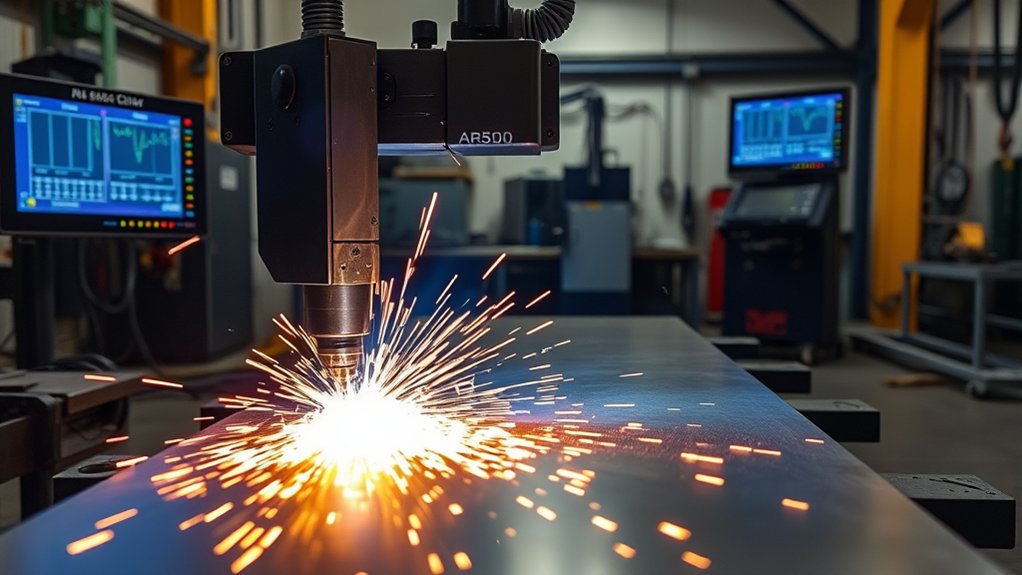
You can get excellent results when plasma cutting AR500 steel by focusing on precision. You need tight control over your cutting speed and amperage settings.
AR500 steel cuts best with higher amperage and a fast travel speed. Moving the torch quickly minimizes the heat-affected zone and stops the edges from losing their factory heat treatment.
Before you begin, check your plasma cutter chart to confirm it is rated for the material’s thickness. Thicker plates require completely different settings to maintain a clean arc.
Cleaning the surface of the steel before cutting helps maintain a steady ground and reduces dross. Additionally, using a water table during the cut is incredibly helpful. The water dissipates heat immediately, which prevents weak spots from forming along the cut edge.
Piercing vs. Edge Starting
Whenever possible, start your cuts from the edge of the AR500 plate. Piercing directly through thick, hard steel blows molten metal back into your torch. This will ruin your consumables quickly. If you must pierce the center of the plate, use a pierce height that is roughly double your standard cut height, and angle the torch slightly to direct sparks away from the nozzle.
Managing Heat-Affected Zones and Edge Quality
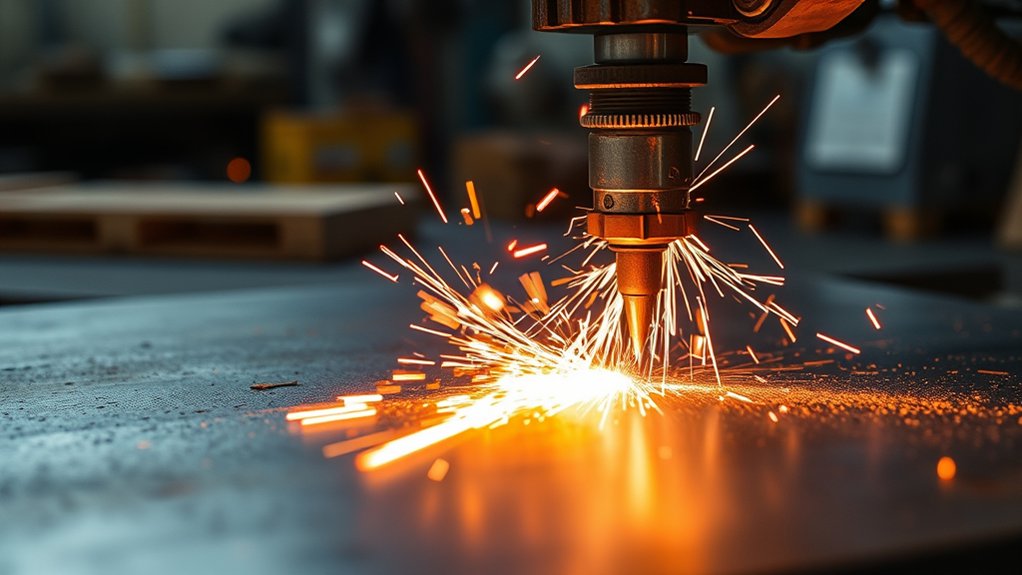
Managing the heat-affected zone is the single most important part of cutting AR500. Too much heat will ruin the temper of the steel, making the edges soft or brittle. As the steel plate gets thicker, the risk of a wide HAZ increases.
You must fine-tune your settings based on the exact thickness of the plate. A properly adjusted plasma cutter leaves a very narrow HAZ, keeping the rest of the steel strong and hard.
Using a water table or submersing the plate slightly is the best way to enhance edge quality. The water quenches the steel immediately behind the plasma arc, preventing thermal distortion.
Always balance your speed and power. High speeds combined with high amperage are the best way to slice through the metal before the surrounding area has time to heat up.
Safety and Equipment Considerations
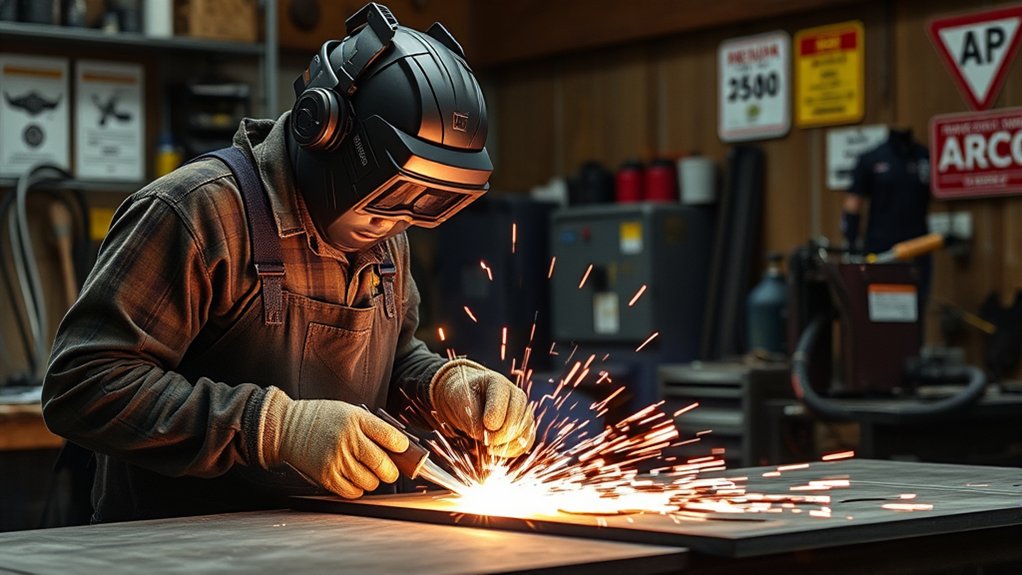
Cutting heavy steel requires strict safety practices. You must wear the right protective gear, including heavy-duty welding gloves, a dark face shield, and flame-resistant clothing. These items protect you from severe burns, sparks, and the UV light created by the plasma arc.
Ventilation requirements are also critical. Proper airflow stops you from inhaling the toxic fumes and metal dust generated during the cutting process.
Always follow the setup instructions in your plasma cutter’s manual. Using the manufacturer’s recommended settings for the specific steel thickness prevents overheating and equipment damage.
Finally, inspect your air supply and consumables regularly. Moisture in your air lines or worn-out tips will cause the arc to wander, creating a messy cut and dangerous sparks.
Comparing Plasma Cutting With Other Methods
There are a few ways to cut AR500 steel, but plasma cutting is widely used because it is fast and cost-effective, especially on thicker plates.
Plasma is a great choice when you need to balance your budget and project deadlines. The main downside is that it creates a larger heat-affected zone compared to laser or waterjet cutting. You have to manage your travel speeds carefully to prevent edge brittleness.
Fiber laser cutting is highly precise, but it slows down considerably on very thick materials.
Waterjet cutting is technically the best method for AR500 because it is a cold-cutting process. It creates zero HAZ, keeping the heat-treated steel perfectly intact. However, waterjet machines are expensive and slow, making plasma the more practical choice for most fabrication shops.
Frequently Asked Questions
How Does AR500 Steel Thickness Affect Plasma Cutting Settings?
Plate thickness dictates your power and speed. Thicker AR500 steel requires higher amperage to punch through the metal. You also have to slow down your travel speed slightly on thick plates, but going too slow will cause excessive heat buildup and edge slag.
Can Water Tables Improve Plasma Cutting Results for AR500 Steel?
Yes, water tables dramatically improve the results. The water instantly cools the metal right behind the cut. This limits the heat-affected zone, prevents the steel from warping, and keeps the edges hard.
What Are Common Mistakes When Plasma Cutting AR500 Steel?
The most common mistakes are cutting too slowly and ignoring edge preparation. Moving too slow dumps unnecessary heat into the steel, ruining its hardness. Piercing the center of a thick plate without adjusting the torch height is another common error that destroys consumables.
How Does Consumable Quality Impact AR500 Steel Plasma Cutting?
Worn or cheap consumables will ruin your cut quality. Good nozzles and electrodes focus the plasma arc tightly. If the nozzle orifice is blown out, the arc will widen, causing a messy cut, heavy dross, and a larger heat-affected zone.
Are Specific Plasma Cutter Brands Better for AR500 Steel?
High-end industrial brands generally perform better on AR500. Machines from reputable manufacturers offer more stable arc control, higher duty cycles, and better consumable life. This results in cleaner cuts on thick, hard steel compared to budget models.
Conclusion
Cutting AR500 steel with a plasma cutter requires a good balance of power and speed. By keeping your amperage high and your travel speed fast, you can control the heat-affected zone and protect the steel’s hardness. Clean the metal before starting, use a water table if you have one, and always prioritize safety gear. If you set your machine correctly and manage the heat, you can get clean, precise cuts without ruining the durability of the plate.