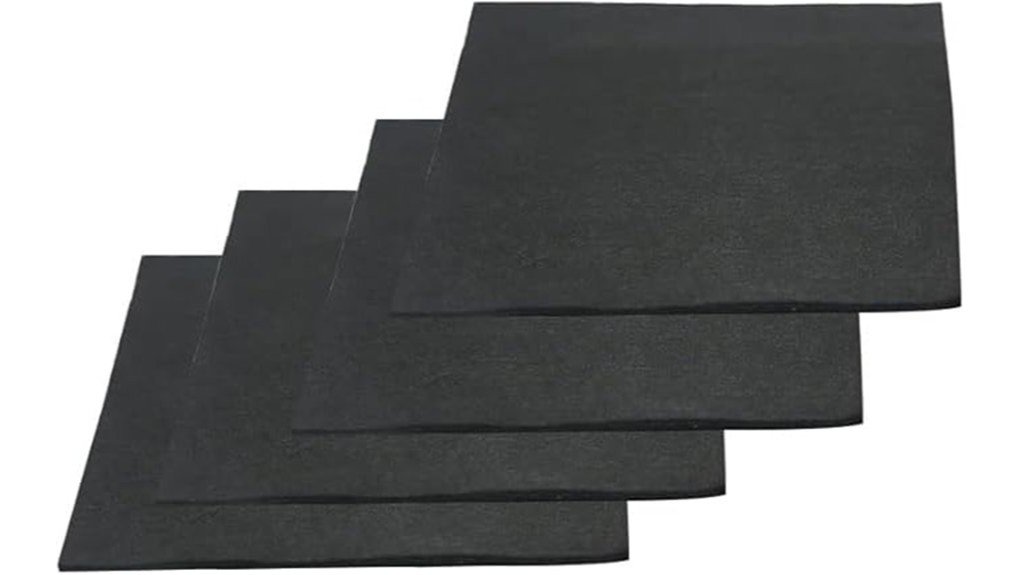
Welding sparks, hot slag, and nearby painted or plastic surfaces can turn a small job into a costly mistake. This 5mm carbon fiber welding blanket is built for buyers who need a compact heat shield for welding, auto body repair, and shop protection without handling a stiff fiberglass mat. Its strongest points are the listed 1800°F heat resistance, 5mm carbon felt construction, and flexible 39 x 48 x 1/5 inch size. The main caveat is that it is still a protective barrier, not a fireproof cure-all, so you should avoid direct flame contact and confirm current listing details before critical safety use.
Quick Verdict
Best For: DIY welders, auto body repair users, and shop owners who need a flexible heat shield for nearby surfaces.
Bottom Line: This carbon fiber welding blanket makes sense if you want a soft, cuttable, heat-resistant barrier for sparks, slag, and surface protection. It is not the right choice if you need a large industrial curtain, a rigid welding screen, or protection for direct flame contact.
| Specification | Detail |
|---|---|
| Product type | Carbon fiber welding blanket |
| Amazon listing reference | ASIN B09M688XPT |
| Dimensions | 39 x 48 x 1/5 inches |
| Thickness | 5mm, listed as heavy-duty carbon felt |
| Material | Carbon fiber / carbon felt material |
| Heat resistance | Up to 1800°F (982°C), per the listing |
| Thermal conductivity | 0.13 W/(m-K), per the listing (not verified here) |
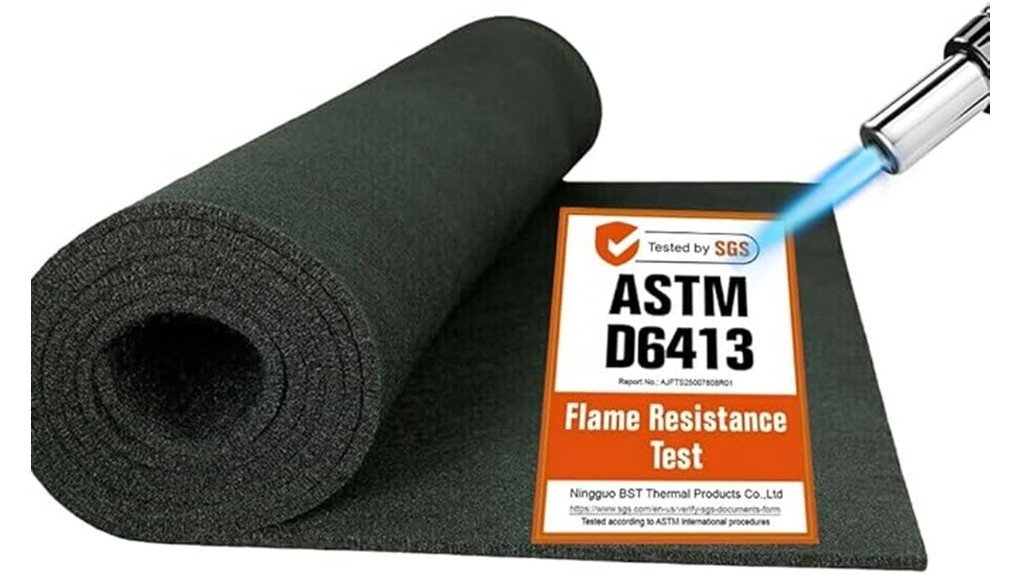
| Listed certification | ASTM D6413, as quoted from the listing (not verified here) |
| Best use | Welding, spark control, heat shielding, auto body repair, and covering nearby wires or equipment |
| Care note | Clean gently with mild soap and water, air dry, and store in a dry area |
| Safety note | Not recommended for direct flame contact; inspect before reuse after heavy slag exposure |
What Is the 5mm Carbon Fiber Welding Blanket?
The Carbon Fiber Welding Blanket is a flexible protective mat designed to help shield surfaces from heat, sparks, and slag during welding or repair work. The listed size is 39 x 48 x 1/5 inches, which makes it more compact than a full welding curtain but easier to position around small work areas.
Its main material is listed as 5mm heavy-duty carbon felt. That matters because a thicker felt layer can provide better insulation and tear resistance than thinner protective sheets, while still staying soft enough to fold, cut, and place around irregular parts.
This blanket is best viewed as a shop safety accessory. It can help reduce damage to nearby surfaces, but it does not replace correct welding technique, fire watch habits, ventilation, or personal protective equipment.
Key Takeaways
- The blanket is listed for heat resistance up to 1800°F (982°C).
- The 39 x 48 x 1/5 inch size works best for focused protection, not full-room welding coverage.
- The 5mm carbon felt build gives it useful flexibility, insulation, and tear resistance.
- You can cut or fold it for specific jobs, but any modification may affect edge durability.
- It is not meant for direct flame contact, and you should confirm current safety details on the listing before demanding use.
Who Should Buy It?
Best For
- DIY welders who need a compact barrier for sparks and hot slag.
- Auto body repair users protecting paint, wiring, hoses, or nearby panels.
- Shop owners who want a flexible mat that can fold around uneven work areas.
Skip If
- You need a large welding curtain or a barrier for a full work bay.
- You expect direct flame protection instead of spark and heat shielding.
- You need verified industrial compliance documentation before purchase.
Before You Buy: The listing may mention ASTM D6413 and a five-year warranty, but neither was verified for this page. Confirm the current Amazon listing, seller warranty terms, and safety documentation before using it for regulated or high-risk work.
Product Features and Specifications
Heat Resistance
The headline feature is the listed heat resistance of up to 1800°F (982°C). For common welding jobs, that gives you a protective layer between the work area and nearby surfaces that could scorch, melt, or collect slag.
Use this rating carefully. High heat resistance does not mean the blanket should be pressed into open flame or used as the only safety control around flammable materials.
5mm Carbon Felt Build
The 5mm heavy-duty carbon felt construction gives the blanket its balance of insulation and flexibility. The added thickness is useful when you need more than a thin spark cover, especially around vehicle panels, benches, and small shop equipment.
The material is also described as soft and non-irritating. That can make setup easier than working with some rough fiberglass blankets, although gloves and long sleeves are still smart when you weld or handle hot material.
Flexible Size and Shape
At 39 x 48 x 1/5 inches, the blanket is sized for focused protection. You can place it under a workpiece, drape it over a nearby part, or fold it to build extra shielding in a smaller zone.
The listing states that the blanket can be cut and folded. That is helpful for custom coverage, but cutting any heat blanket can create exposed edges, so you should plan the shape before trimming and avoid unnecessary cuts.
Quality and Durability Assessment
The strongest durability point is the 5mm carbon felt layer. It should hold up better than very thin welding covers when you need repeated protection against sparks, slag, and brief heat exposure.
The listing also quotes a low thermal conductivity of 0.13 W/(m-K). In plain English, that means the material is designed to slow heat transfer, which helps protect the surface below the blanket.
Durability still depends on how you use it. Heavy slag, sharp metal edges, grinding debris, and repeated folding in the same spot can shorten the life of any welding blanket.
Versatility and Applications
This blanket can work as a welding blanket, a heat shield, or a protective cover for nearby wires, cables, hoses, panels, and tools. That makes it useful for small garages, fabrication benches, mobile repair kits, and auto body work.
It is especially practical when you need to protect a specific area rather than build a full welding enclosure. The flexible carbon felt can conform to odd shapes better than a rigid board or screen.
For the safest results, keep the blanket dry, stable, and clear of loose flammable debris. Do not treat it as a substitute for a clear work zone.
Pro Tip: Before welding, place the blanket so it overlaps the full risk area by several inches. Sparks often bounce or roll, so a narrow edge-to-edge fit can leave paint, plastic, wiring, or flooring exposed.
How It Performs in Real Use
For Bench Welding
On a welding bench, the blanket can protect the work surface from sparks and hot particles. Its soft felt structure also helps it sit flatter around small parts than a stiff cover would.
For Auto Body Repair
For auto body work, the compact size is useful when you need to shield nearby paint, trim, wiring, or hoses. It is not a replacement for removing heat-sensitive parts when removal is the safer option.
For Protecting Wires and Equipment
The blanket can cover nearby wires, cables, tools, or small equipment while you work. Leave enough space for airflow around electronics and avoid trapping heat against active devices.
For Outdoor or Mobile Work
For mobile repairs, the foldable design is easy to carry and position. Use it only in dry, controlled conditions, and do not rely on it as a weatherproof cover during rain, high wind, or unstable work conditions.
How to Use It Correctly
- Clear the work area of paper, sawdust, solvents, rags, and other flammable items before placing the blanket.
- Place the blanket between the heat source and the surface you want to protect.
- Overlap the protected area so sparks cannot roll past the edge.
- Avoid direct flame contact, even though the material is heat resistant.
- Let the blanket cool before folding, cleaning, or storing it.
- Inspect it for holes, thinning, cuts, or heavy slag damage before each reuse.
Material Safety and Comfort
The carbon felt material is described as soft and non-irritating to skin. That is a useful comfort advantage for setup and positioning, especially compared with some rougher welding blankets.
You should still wear proper gloves, sleeves, eye protection, and welding PPE. A blanket protects surfaces, not your body, and it should never replace welding safety gear.
If you need the blanket for workplace compliance, confirm the current certification details before purchase. The listing may mention ASTM D6413, but formal jobsite requirements may need documentation from the seller or manufacturer.
Cleaning and Storage
Cleaning should stay gentle. Use mild soap and water when needed, avoid harsh chemicals, and let the blanket air dry fully before storage.
Store it in a dry, cool area away from direct sunlight, open flame, sharp tools, and heavy objects that could crush or crease the felt. Keeping it dry also makes it easier to inspect before the next job.
Pros and Cons
Pros
- Listed heat resistance up to 1800°F (982°C) for welding and shop protection.
- 5mm carbon felt build provides insulation and better substance than thin spark covers.
- Flexible 39 x 48 inch size works well around benches, panels, wires, and small equipment.
- Can be folded or cut for more specific coverage needs.
- Soft material is easier to handle than some rougher protective blankets.
Cons
- Not intended for direct flame contact or careless use around flammable materials.
- Size may be too small for large fabrication tables or full welding bays.
- Certification and warranty details should be confirmed on the current seller listing.
Is It Worth the Price?
This blanket is worth considering if you need a flexible heat shield for everyday welding, small fabrication, repair, or auto body work. Its value comes from the 5mm carbon felt build, compact handling, and high listed heat rating.
It is likely a smart buy for buyers who care more about material thickness and heat protection than a large coverage area. It is not the best fit if you need a full-size welding curtain, verified industrial paperwork before purchase, or a rigid barrier.
How It Compares to Alternatives
Compared with many fiberglass welding blankets, this carbon felt design should feel softer and easier to fold around small parts. Fiberglass blankets may still be worth comparing if you need a larger size or a lower-cost general spark cover.
Silica welding blankets and leather welding blankets are also common alternatives. Silica options often target very high-heat use, while leather can work well for close-contact spark protection, but the Carbon Fiber Welding Blanket makes the most sense when you want a compact, flexible, non-rigid heat barrier.
Related reading: for a smaller sheet see the 12 x 27 in carbon felt welding blanket, or compare the 18-inch carbon felt welding blankets and the VEVOR 10×10 ft welding blanket.
Frequently Asked Questions
How hot can the Carbon Fiber Welding Blanket handle?
The listing lists heat resistance up to 1800°F (982°C). That rating is useful for welding sparks and heat shielding, but you should not treat it as permission for direct flame contact.
What size is the blanket?
The listed dimensions are 39 x 48 x 1/5 inches. That size works best for focused protection around a workpiece, bench area, vehicle panel, wiring, or nearby tool.
Can you cut the blanket to fit a specific area?
The listing states that the blanket can be cut and folded. Plan cuts carefully because trimming may expose edges and can affect long-term durability.
Is it safe for direct contact with flames?
No. The blanket is heat resistant and useful against sparks and slag, but it should not be used in direct flame contact or as the only safety control around open fire.
Can it be used for outdoor welding?
It can be used for mobile or outdoor work only when conditions are dry, stable, and controlled. Do not rely on it as a rain cover, wind barrier, or replacement for a safe welding area.
How do you clean the blanket?
Use mild soap and water for gentle cleaning, then let it air dry completely. Avoid harsh chemicals, machine washing, or storing it while damp.
What warranty does it have?
A five-year warranty may be mentioned on the listing, but it was not verified here. Since seller terms can change, confirm the current warranty language on the Amazon listing before you buy.
Who should skip this welding blanket?
Skip it if you need full-room coverage, a freestanding welding screen, direct flame protection, or verified industrial paperwork before purchase. It is better for focused surface protection than large-area containment.
The Bottom Line
The Carbon Fiber Welding Blanket is a solid choice for you if you need a flexible, compact heat shield for welding, auto body repair, or small shop protection. Its best strengths are the listed 1800°F heat resistance, 5mm carbon felt construction, and foldable design, while the main limitation is that it is not for direct flame contact or large-area coverage.
Buy it if you want focused protection around benches, panels, wires, and nearby equipment. Skip it if you need a certified industrial setup or a full welding curtain system.