Disclosure: As an Amazon Associate, we earn from qualifying purchases. If you click a link on this page and make a purchase, we may receive a small commission at no extra cost to you.
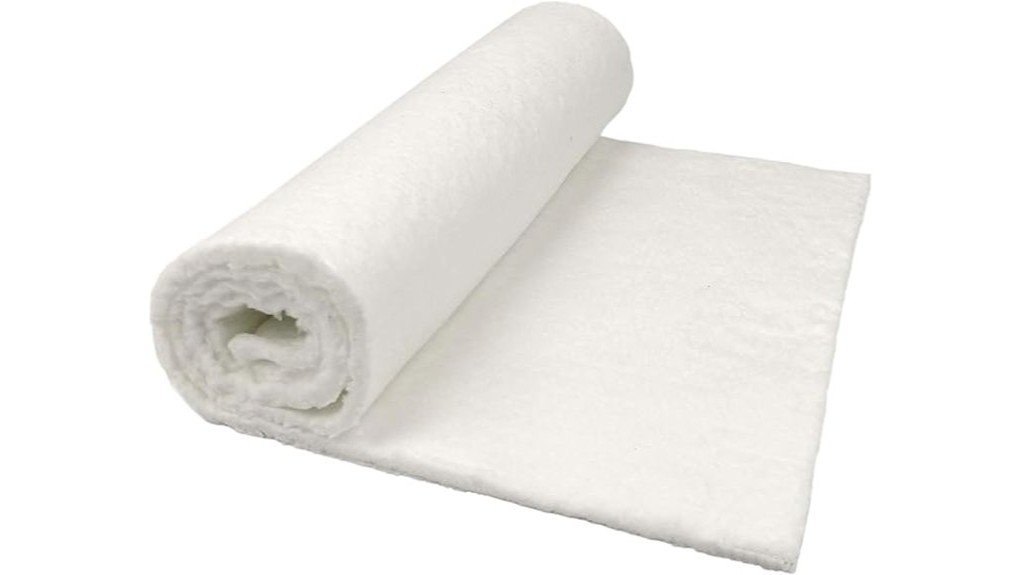
High-heat insulation can protect your stove, forge, kiln, or fireplace setup, but the wrong blanket can be hard to cut, unsafe to handle, or too thin for the job. The Lynn Manufacturing Ceramic Fiber Insulation Blanket 3003E is a 1/4″ thick ceramic fiber blanket made for demanding heat-control projects. It gives you a compact 16″ x 48″ sheet rated to 2400°F, which makes it useful for repairs, baffles, liners, and small custom insulation jobs. This review helps you decide where it fits well, where it falls short, and what safety steps matter before you install it.
Quick Verdict
Rating: 8.6/10
Best For: DIY users, welders, stove owners, and hobbyists who need a thin ceramic fiber blanket for high-temperature insulation.
Bottom Line: The Lynn Manufacturing 3003E blanket is a strong choice when you need a small, cut-to-fit sheet with a 2400°F rating. The main tradeoff is that ceramic fiber needs careful handling because dust and loose fibers can irritate your skin, eyes, and lungs.
| Specification | Detail |
|---|---|
| Brand | Lynn Manufacturing |
| Model / Part Number | 3003E |
| Product Type | Ceramic fiber insulation blanket |
| Material | Ceramic fiber |
| Size | 1/4″ thick x 16″ wide x 48″ long |
| Temperature Rating | Rated to 2400°F |
| Density | 8 lb/ft³ |
| Coverage | 5.33 square feet |
| Item Weight | 1.06 pounds |
| Color | White |
| Package Quantity | 1 blanket |
| Made In | USA |
| Best Use | Wood stove baffles, fireplaces, pellet stoves, chimneys, furnaces, boilers, pizza ovens, forges, kilns, welding, foundry work, glass blowing, and jewelry making |
What Is the Lynn Manufacturing Ceramic Fiber Insulation Blanket 3003E?
The Lynn Manufacturing 3003E is a thin ceramic fiber blanket designed to help manage heat in high-temperature applications. It is not a rigid insulation board. It is a flexible blanket that you can cut and fit into the correct space when your project needs a 1/4″ insulating layer.
The 16″ x 48″ size makes it practical for small repairs, stove baffle work, fireplace inserts, kiln insulation, forge insulation, and welding-related heat protection. Its 8 lb/ft³ density gives it more structure than very loose fiber material, while still staying light enough to handle and trim with basic hand tools.
Key Takeaways
- The blanket is rated to 2400°F, so it suits many high-heat jobs around stoves, fireplaces, kilns, forges, and welding areas.
- The 1/4″ thickness is useful when you need a thin insulation layer, but it may not replace thicker blanket or rigid board in larger heat-loss areas.
- The 16″ x 48″ sheet covers 5.33 square feet, which works best for focused repairs and custom-cut sections.
- The ceramic fiber material needs careful handling because dust and loose fibers can irritate your skin, eyes, and lungs.
- The best results come from measuring first, cutting cleanly, fitting it snugly, and following the product label or safety data sheet.
Features and Specifications
2400°F Heat Rating
The main reason to consider this blanket is its high temperature rating. It is built for heat environments where ordinary fiberglass or foam insulation would not be safe or suitable. For buyers working around a wood stove, forge, kiln, furnace, or fireplace insert, that rating gives you a better margin than lower-temperature materials.
The listing also describes continuous use at 2200°F and intermittent use at 2400°F. That matters because real heat exposure is not always steady. A forge, kiln, or stove can spike during operation, so you should match the blanket to your actual heat range instead of choosing by size alone.
1/4″ Thin Profile
The 1/4″ thickness is both a strength and a limitation. It helps when you need insulation in a tight space, behind a baffle, around a small repair area, or inside a custom project where thicker material will not fit. It also cuts down bulk when you need a clean layer rather than a thick pad.
At the same time, a 1/4″ blanket is not the best choice if your main goal is maximum heat retention across a large furnace, forge, or kiln wall. In those setups, you may need thicker ceramic blanket, multiple layers, refractory coating, rigid board, or a professional installation plan.
8 lb/ft³ Density
The 8 lb/ft³ density is a useful detail because density affects how the blanket handles, cuts, and resists compression. A denser ceramic fiber blanket usually feels more substantial than very light fiber material. That can help it hold shape better after you cut it to size.
For small heat-control jobs, this density gives you a good balance between insulation value and easy handling. You still need to avoid pulling, tearing, crushing, or leaving loose exposed edges where airflow can disturb fibers.
Made for Cut-to-Fit Jobs
The 16″ x 48″ sheet format is practical when you need to trim a smaller piece instead of buying a large roll. You can measure the target area, mark the blanket, and cut only what you need. This is helpful for stove baffles, fireplace insert insulation, pellet stove repairs, forge doors, small kiln patches, and custom heat shields.
Before You Buy: This is a 1/4″ blanket, not a thick rigid panel. Measure your opening, check the required thickness, and confirm that ceramic fiber blanket is suitable for your appliance, forge, kiln, or code-regulated installation before cutting.
Who Should Buy It?
Best For
- You need a thin ceramic fiber blanket for a wood stove, fireplace, forge, kiln, or welding-related heat zone.
- You want a small 16″ x 48″ sheet instead of a large roll of insulation.
- You are comfortable cutting and fitting insulation while following protective handling steps.
Skip If
- You need a thick insulation layer for a large forge, kiln, furnace, or wall cavity.
- You want insulation that can be handled without gloves, eye protection, or dust precautions.
- Your appliance manual requires a specific OEM baffle, board, liner, or certified replacement part.
Applications and Uses
Ceramic fiber insulation blankets are useful when you need heat control in a compact, flexible form. This Lynn Manufacturing blanket is suited to many high-temperature projects, but the right fit depends on your surface, heat level, airflow, and installation method.
| Application | How You Might Use It | Buyer Note |
|---|---|---|
| Wood Stoves | Baffles, liner support, or insulation repairs | Check your stove manual before replacing original parts. |
| Fireplaces | Fireplace insert insulation and heat retention support | Do not block required airflow or vents. |
| Kilns and Forges | Small patches, doors, liners, and heat-control zones | Thicker insulation or refractory coating may be needed. |
| Welding and Brazing | Heat protection around controlled work areas | Keep loose fibers away from airflow and clean-up zones. |
| Glass Blowing and Jewelry Work | Thermal stability for small high-heat crafts | Use only where the blanket can be placed safely and securely. |
Safety and Handling Notes
Ceramic fiber insulation is not something you should handle like ordinary fabric. The product listing includes hazard communication warnings for airborne fiber inhalation and notes that prolonged or repeated exposure to ceramic fiber dust is a health concern. It may also cause skin and eye irritation.
Wear protective gloves, safety glasses, long sleeves, and an approved respirator when needed. Avoid creating airborne dust, use hand tools rather than power tools when possible, and clean the area with wet sweeping or a HEPA-filtered vacuum. Do not use compressed air to blow dust away, since that can push fibers into the air.
For stoves, fireplaces, furnaces, boilers, chimneys, kilns, or any installation tied to building safety, follow the appliance manual and local requirements. If you are not sure the blanket is correct for your setup, ask a qualified installer, technician, or manufacturer support before you install it.
Pro Tip: Cut the blanket slightly oversized only when your setup needs a snug friction fit, then trim slowly by hand. A cleaner cut helps reduce loose fibers and makes installation easier.
How It Performs in Real Use
For Wood Stove Baffles
For wood stove baffle work, the thin 1/4″ profile can help when space is limited above the firebox. It can add a heat-resistant insulation layer without taking up the room that a thicker blanket or rigid board would need. The key is to confirm that your stove allows this type of material and that the blanket will not block airflow.
For Forge and Kiln Projects
In small forge or kiln jobs, the 2400°F rating is the main advantage. It can help reduce heat loss and protect nearby surfaces when used in the correct location. For full forge lining, though, 1/4″ may be too thin by itself, so you may need a thicker blanket, more layers, or a refractory coating based on your design.
For Welding, Brazing, and Soldering Areas
This blanket can work as a heat-management material around welding, brazing, and soldering tasks. Its small sheet size is convenient when you need coverage for a focused area. You should still keep the blanket stable, keep fibers away from your breathing zone, and inspect it after repeated heat exposure.
For Long-Term Use
Long-term performance depends on heat level, installation quality, movement, and exposure to abrasion. Ceramic fiber can become more fragile after high heat cycles, especially near its upper rating. Inspect it regularly for shrinkage, brittleness, tears, loose edges, or areas that no longer sit securely.
How to Use It Correctly
Start by measuring the exact area you need to cover. Mark the blanket with a straight edge, then cut it with a sharp utility knife or heavy-duty scissors. Avoid sawing, grinding, or using tools that create extra dust.
Fit the piece so it sits flat and secure. Gaps can reduce insulation performance, while folds or compressed spots can make the blanket harder to position. Some applications may call for mechanical fastening or a high-temperature adhesive, but the correct method depends on the appliance or project.
After installation, check the area during your first few uses. Look for shifting, exposed fibers, airflow problems, or contact with moving parts. If the blanket is inside an appliance, follow the manufacturer’s instructions before operation.
Pros and Cons
Pros
- Rated to 2400°F for demanding high-heat applications.
- 1/4″ thickness fits tight spaces where thicker insulation may not work.
- 16″ x 48″ sheet size is useful for small repairs and custom cuts.
- 8 lb/ft³ density gives the blanket a practical balance of strength and flexibility.
- Works across many uses, including wood stoves, fireplaces, kilns, forges, welding, and glass blowing.
Cons
- Too thin for some full-size kiln, forge, furnace, or large heat-retention jobs.
- Requires protective handling because ceramic fiber dust can irritate skin, eyes, and lungs.
- Not a universal replacement for OEM stove baffles, rigid boards, liners, or code-required parts.
Is It Worth the Price?
The Lynn Manufacturing 3003E blanket is worth considering if you need a smaller ceramic fiber sheet for a specific high-heat repair or custom project. You are not paying for a large roll, which makes sense if your job only needs a few square feet of material.
Its best value comes from the combination of a 2400°F rating, 8 lb/ft³ density, made-in-USA construction, and a manageable 16″ x 48″ size. It is not the best fit if you need thick insulation for a large area or a certified replacement part for a specific appliance.
How It Compares to Alternatives
The listing compares this blanket to ceramic fiber products such as Kaowool, Inswool, Durablanket, Cerablanket, TaoFiber, Fiberfrax, and other ceramic wool options. Those alternatives may offer different thicknesses, roll sizes, temperature ratings, and densities.
Choose this Lynn Manufacturing blanket if you want a thin 1/4″ sheet with verified 16″ x 48″ dimensions and a 2400°F rating. Compare thicker 1/2″, 1″, or 2″ options if your project needs more insulation depth, more heat retention, or larger coverage.
Frequently Asked Questions
Is this ceramic fiber insulation blanket safe for indoor use?
It can be used in indoor high-heat applications when the installation is suitable and the material is handled correctly. During cutting and handling, wear protection and avoid breathing fiber dust. For stoves, fireplaces, boilers, furnaces, or chimneys, follow the appliance manual and local safety requirements.
How do you cut the Lynn Manufacturing 3003E blanket?
Measure first, mark the cut line, and use a sharp utility knife or heavy-duty scissors. Cut by hand and avoid tools that create extra airborne dust. Gloves, eye protection, long sleeves, and respiratory protection are smart precautions.
Can it be used for automotive applications?
It may be useful for some heat-management projects, but you should not assume it fits every automotive setup. Check the temperature, vibration, airflow, mounting method, and whether the material could release fibers in use. For engine bays, exhaust areas, and enclosed spaces, choose materials designed for that exact application.
Is 1/4″ thickness enough for a forge or kiln?
It can help with small patches, tight spaces, doors, or focused insulation areas. For a full forge or kiln lining, 1/4″ may be too thin by itself. Many builds need thicker blanket, multiple layers, rigid board, or refractory coating based on the heat level and design.
Does it need special installation tools?
No special tools are required for basic cutting and fitting. A measuring tape, marker, straight edge, utility knife, and protective gear are usually enough. Some installations may require mechanical fastening or high-temperature adhesive, depending on your project.
What is the lifespan of this insulation?
Lifespan depends on heat exposure, movement, abrasion, installation quality, and how close the material runs to its upper temperature limit. Inspect it regularly for shrinkage, brittleness, tears, and loose fibers. Replace it if it no longer fits securely or shows damage that affects performance.
Can it replace a stove baffle board?
Only use it as a replacement if your stove manual or manufacturer allows ceramic fiber blanket in that location. Some stoves require a specific board, brick, liner, or OEM part. If you are not sure, confirm the part requirement before buying.
Who should skip this blanket?
Skip it if you need a thick insulation layer, a rigid board, a certified appliance part, or a material that does not require dust precautions. It is also not ideal if your project exposes the blanket to constant abrasion, strong airflow, or movement that could disturb loose fibers.
The Bottom Line
The Lynn Manufacturing Ceramic Fiber Insulation Blanket 3003E is a strong choice if you need a thin, cut-to-fit ceramic fiber sheet for stoves, fireplaces, kilns, forges, welding, or other high-heat projects. Its main strengths are the 2400°F rating, 8 lb/ft³ density, and compact 16″ x 48″ size, while its main limitation is that it needs careful handling and may be too thin for larger insulation jobs. Buy it if your project matches the size and material requirements, but skip it if you need an OEM part, rigid board, or thicker full-coverage insulation.