Disclosure: As an Amazon Associate, we earn from qualifying purchases. If you click a link on this page and make a purchase, we may receive a small commission at no extra cost to you.
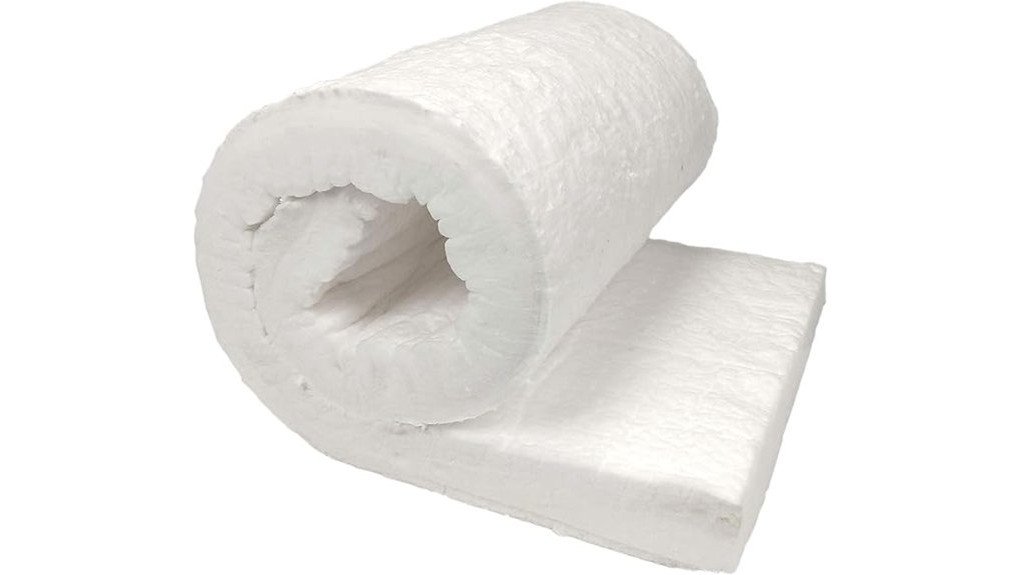
High-heat projects need insulation that can handle more than normal home materials. This ceramic fiber insulation is made for demanding heat zones, with article-supported specs that include a temperature rating up to 2400°F, a density of 8 lb/ft³, and a listed size of 2 inches thick by 16 inches by 48 inches. It can be useful for fireplaces, wood stoves, furnaces, kilns, welding areas, and other heat-control projects. The main strength is heat resistance in a lightweight sheet, while the main caution is that ceramic fiber dust requires careful handling and proper protective gear.
Quick Verdict
Rating: 8/10, Recommended with caveats
Best For: DIY and shop users who need lightweight insulation for high-temperature fireplace, stove, furnace, kiln, or welding-area projects.
Bottom Line: This ceramic fiber insulation is a practical choice when you need a flexible, high-temperature material that is easier to cut and place than rigid insulation. It is not a casual household material, so you should use protective gear, avoid loose airborne fibers, and follow the product instructions for your specific setup.
| Specification | Detail |
|---|---|
| Product type | Ceramic fiber insulation blanket |
| Temperature rating | Up to 2400°F |
| Density | 8 lb/ft³ |
| Listed size | 2 inches thick by 16 inches by 48 inches |
| Material | Ceramic fiber insulation |
| Design | Lightweight, cut-to-fit insulation sheet |
| Best use | Fireplaces, wood stoves, stove baffles, chimney linings, furnaces, kilns, welding areas, and glass blowing setups |
| Safety note | Handle carefully, control dust, and use protective measures during cutting and installation. |
What Is This Ceramic Fiber Insulation?
This product is a ceramic fiber insulation blanket for high-temperature environments. The article-supported specs list a 2400°F temperature rating, 8 lb/ft³ density, and a 2-inch by 16-inch by 48-inch sheet size, which makes it suitable for projects where ordinary insulation would not be safe or effective.
The main purpose is thermal control. You can use it to help line, shield, or insulate heat-exposed areas in fireplaces, wood stoves, furnaces, kilns, and certain shop applications. Because it is lightweight, it is easier to handle and cut than many rigid refractory materials, but it still needs careful installation to perform well.
This is not a decorative heat shield or a finished surface material. It is best treated as a functional insulation layer that should be measured, cut, fitted, and secured according to the product instructions and the requirements of your equipment.
Before You Buy: Make sure the listed size and thickness match your project. Ceramic fiber insulation can be cut, but a poor fit, loose edges, or gaps can reduce performance and may create more dust during handling.
Who Should Buy It?
Best For
- Buyers who need insulation rated for high-temperature applications up to 2400°F.
- DIY users working on fireplaces, wood stoves, stove baffles, chimney linings, furnaces, or kilns.
- Shop users who want lightweight insulation for welding, glass blowing, or similar heat-control projects.
Skip If
- You need a finished, decorative, or load-bearing material.
- You cannot safely cut, seal, secure, or protect yourself from insulation dust during installation.
- Your project requires a specific brand certification, code approval, or OEM part that is not stated here.
Key Features of Ceramic Fiber Insulation
The biggest reason to consider this ceramic fiber insulation is its high heat tolerance. A rating of up to 2400°F gives it a wide range of possible uses around intense heat, including fireplaces, furnaces, kilns, and shop environments where heat retention or heat shielding matters.
The 8 lb/ft³ density gives the material a balance of insulation performance and manageable weight. That matters when you need to position a sheet inside a tight stove, line a small chamber, or cut a custom piece without wrestling with a heavy rigid board.
The listed 2-inch thickness can help create a meaningful heat barrier, but it also affects fit. Before buying, measure the exact space where you plan to install it and confirm that a 2-inch material will not interfere with doors, baffles, airflow paths, grates, or other components.
Materials and Build
Ceramic fiber insulation is designed for extreme heat exposure. Unlike standard household help create a meaningful heat barrier, but it also affects fit. Before buying, measure the exact space where you plan to install it and confirm that a 2-inch material will not interfere with doors, baffles, airflow paths, grates, or other insulation, it is intended for areas where heat resistance and thermal stability are the main priorities. The article describes it as fireproof, lightweight, and suitable for demanding residential and industrial applications.
The sheet format makes it practical for custom work. You can measure the space, cut the insulation to size, and fit it into the intended area. This flexibility is useful, but it also means the final result depends heavily on how accurately you cut and secure the material.
Thermal Performance
Thermal performance is the main selling point. In fireplaces and wood stoves, ceramic fiber insulation can help manage heat where the appliance design allows it. In furnaces and kilns, it can help retain heat and reduce unnecessary heat loss when installed correctly.
For industrial or shop use, the same heat-control benefit applies. Welding and glass blowing environments often need insulation that can tolerate high temperatures without breaking down quickly. This material fits that kind of use better than general-purpose insulation.
Still, performance depends on correct placement. Loose pieces, open seams, or compressed sections may reduce the insulation value. The material should sit securely, cover the intended area, and avoid interfering with airflow or equipment operation.
Installation and Cutting
The article-supported installation approach is straightforward: measure the area, cut the insulation to size, and secure the sheet where the project requires it. A utility knife or suitable cutting tool can be used for sizing, but the cut should be planned before you start so you do not create extra dust or waste.
Because the material is lightweight, handling is easier than with many rigid high-temperature boards. That helps when you are fitting insulation into a fireplace, stove baffle area, or tight shop fixture. The tradeoff is that flexible insulation can move if it is not secured well.
Pro Tip: Measure twice and make a simple cardboard template before cutting the insulation. This helps you avoid gaps, tight bends, and repeated trimming that can create extra fiber dust.
Applications in High-Temperature Environments
This ceramic fiber insulation is most useful in places where heat control is the main problem. The article supports use in fireplaces, wood stoves, wood stove baffles, chimney linings, furnaces, kilns, welding, and glass blowing. Those are very different setups, so the right installation method depends on the equipment.
For fireplace and wood stove projects, the key is fit and safety. The insulation should not block airflow, interfere with doors, or sit where it can be pulled loose during normal use. For furnace or kiln work, tight coverage and stable placement are more important because gaps can waste heat.
For welding and shop use, think of it as a heat-management material, not a substitute for safe work habits. You still need fire-safe surroundings, ventilation, eye protection, gloves, and the correct shielding for the job.
How It Performs in Real Use
For Fireplaces and Wood Stoves
In a fireplace or wood stove, this insulation makes the most sense when your setup calls for a high-temperature liner, baffle support, or heat-control layer. Its 2-inch thickness can be useful, but only if your appliance has enough room for it and the installation does not change how the system vents or burns.
For Furnaces and Kilns
In furnace and kiln applications, the 2400°F rating is the most important spec. The insulation can help retain heat and improve thermal efficiency when it is fitted tightly. You should avoid leaving gaps because exposed seams can reduce performance.
For Welding and Shop Use
For welding-related work, ceramic fiber insulation can help protect nearby areas from high heat when used correctly. It should not replace welding blankets, screens, fire watch procedures, or proper ventilation where those are required. Treat it as one part of a safer heat-control setup.
For Long-Term Use
Long-term performance depends on heat exposure, installation quality, and physical damage. The article notes that ceramic fiber insulation can last for several years under ideal conditions, but repeated movement, moisture, abrasion, or poor sealing can shorten useful life.
Setup Tips Before First Use
Start by checking the space where the insulation will sit. Confirm the depth, width, height, and any moving parts. A 2-inch-thick sheet may be too thick for some tight areas, so do not assume it will fit just because the temperature rating is suitable.
Cut the material in a controlled area and avoid rough handling. Wear gloves, eye protection, long sleeves, and a suitable dust mask or respirator when cutting or placing ceramic fiber insulation. Keep loose fibers away from living areas, food areas, children, and pets.
After placement, check for gaps, sagging edges, loose sections, and contact with parts that should stay clear. If you are working on a stove, furnace, kiln, or chimney system, follow the equipment manual and local safety requirements. When in doubt, ask a qualified professional before using the equipment.
Safety and Handling Notes
Ceramic fiber insulation can create dust when cut, torn, or handled roughly. The original article flags dust exposure as a potential health concern, so careful handling is part of using this product responsibly. Do not shake it out, tear it indoors, or leave loose fibers where they can become airborne.
Use basic protective measures during installation. Gloves help reduce skin irritation, eye protection helps during cutting, and respiratory protection helps reduce dust exposure. Clean the work area after cutting, and dispose of scraps in a sealed bag according to the product label and local rules.
This material is made for heat management, but it does not make an unsafe appliance safe. If a fireplace, wood stove, furnace, kiln, or chimney has damage, poor draft, cracked parts, or code issues, insulation alone will not solve the problem.
Pros and Cons
Pros
- Rated for high-temperature use up to 2400°F.
- 2-inch thickness can provide useful thermal coverage in suitable spaces.
- 8 lb/ft³ density keeps the sheet lightweight and easier to handle.
- Can be cut to size for fireplaces, stove baffles, chimney linings, furnaces, kilns, and shop projects.
- Useful for both residential and industrial-style heat-control applications.
Cons
- Requires careful handling because dust exposure can be a concern.
- Not ideal if you need a rigid, finished, or load-bearing panel.
- Correct fit and sealing matter, so installation may take trial and error.
Is It Worth the Price?
This ceramic fiber insulation is worth considering if you need high-temperature insulation in a cut-to-fit sheet. Its strongest value comes from the combination of a 2400°F rating, 2-inch thickness, and lightweight handling.
It is a smart buy for everyday use only if your project truly needs this type of material. For simple home draft control, normal insulation, or decorative heat shielding, this would be the wrong category. For fireplaces, wood stoves, furnaces, kilns, and similar high-heat work, it can offer strong value for the price.
The honest limitation is installation quality. If you do not measure, cut, secure, and handle it correctly, you may not get the full benefit, and you may create unnecessary dust during the process.
How It Compares to Alternatives
Compared with rigid refractory boards, this ceramic fiber insulation is easier to cut and place in uneven or tight areas. Rigid boards may be better when you need a flat, firm panel that holds its shape without much support.
Compared with standard fiberglass or household insulation, ceramic fiber insulation is better suited to high-temperature applications. Standard insulation should not be used as a substitute in fireplaces, stoves, furnaces, kilns, or other heat zones unless the product is specifically rated for that use.
Frequently Asked Questions
What temperature is this ceramic fiber insulation rated for?
The article-supported rating is up to 2400°F. That makes it suitable for many high-temperature applications, but you should still confirm that the rating matches your exact stove, fireplace, furnace, kiln, or shop setup.
What size is the insulation sheet?
The listed size in the article is 2 inches thick by 16 inches by 48 inches. Measure your project area before buying because the 2-inch thickness may not fit every stove, baffle, lining, or enclosure.
Can ceramic fiber insulation be cut to size?
Yes, the article states that ceramic fiber insulation can be cut to size. Use careful measurements, make clean cuts, and wear protective gear to reduce dust exposure while cutting.
Is it safe for home use?
It can be used in home applications such as fireplaces and wood stoves when the material is suitable for the specific setup and installed correctly. The main safety concern is dust during handling, so use protective measures and follow the product instructions.
Can it be used for a wood stove baffle?
The article lists wood stove baffles as one possible use. Before using it that way, confirm the required size, thickness, and placement for your specific stove so you do not affect airflow or safe operation.
How long does ceramic fiber insulation last?
The original article notes that lifespan depends on durability factors and temperature stability. Under ideal conditions, it can last several years, but abrasion, movement, moisture, poor fit, or repeated disturbance can shorten its useful life.
Who should skip this insulation?
Skip it if you need a decorative finished panel, a load-bearing part, or a product with a specific certification that is not listed. You should also skip DIY installation if you cannot safely handle dust or confirm the correct placement.
What is the most common installation mistake?
The biggest mistake is cutting before measuring carefully. Gaps, loose edges, and poor placement can reduce insulation performance and may create extra dust from repeated trimming.
The Bottom Line
This ceramic fiber insulation is a good fit if you need a lightweight, cut-to-size material for high-temperature projects up to 2400°F. It is best for fireplaces, wood stoves, furnaces, kilns, and shop heat-control tasks where the 2-inch by 16-inch by 48-inch size works for your space.
Skip it if you need a rigid finished board, a decorative surface, or a verified brand-specific part for a code-sensitive repair. The main strength is heat resistance and flexible installation, while the main limitation is that safe handling and correct placement are essential.