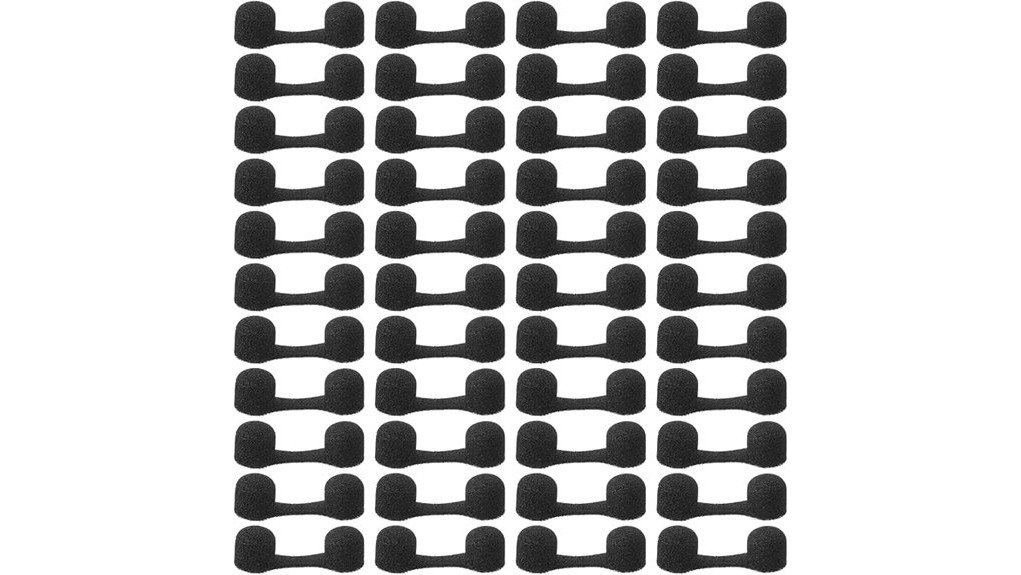
Sponge nose filters are small disposable foam inserts that sit in the nostrils to catch some coarse dust, tanning mist or odor. This 100-piece pack is cheap and comfortable, but it is not welding fume protection. If you weld, grind or cut, buy a proper respirator instead and use these only for light, non-hazardous dust or cosmetic jobs.
This review is based on the Amazon listing. We have not tested the filters, and nothing here replaces advice from a respirator maker or safety professional.
Quick specs at a glance
| Item | Details |
|---|---|
| Item | 100-piece pack of disposable sponge nose filters |
| Material | Soft foam sponge, per the listing |
| Size | About 1.57 x 0.39 inches each, per the listing |
| Use type | Single use or short-term use; the listing describes them as disposable |
| Listed uses | Spray tanning, painting, dust; the listing also mentions welding |
| Not rated for | Welding fume, metal fume, vapors or NIOSH-certified protection |
Specs come from the listing and manufacturer information; confirm them on the live page.
What sponge nose filters are and who they suit
A sponge nose filter is a small foam plug you place just inside each nostril. The foam slows large particles and mist but it does not seal around your face and it is not tested to a respirator standard.
That makes them reasonable for people who want a bit of comfort during tasks such as spray tanning, light sanding of wood, cleaning dusty rooms, or to reduce smells. For a hobbyist with a dusty garage, they might feel better than nothing, but they are not a safety device for hazardous exposure.
Why they are not protection for welding
Welding fume is made of extremely fine particles and gases. Manganese appears in many steel fumes, hexavalent chromium can appear when welding stainless, and zinc fumes come from galvanized metal. Foam in the nostrils does not filter these, does not seal against your face, and does not protect your mouth, eyes or lungs from gas.
Some sellers suggest nose filters block harmful welding fumes. That claim is not supportable.
- Weld with good ventilation or local fume extraction.
- Use a properly fitted respirator with the right filter, such as a P100 particulate filter, for welding fume exposure. Follow the respirator maker instructions.
- Do not weld galvanized, plated or unknown coated metal without ventilation and respiratory protection.
How to check if they are right for your task
- Hazard: if the dust or fume is toxic, use a respirator, not nose foam.
- Fit: the filter should sit comfortably without blocking your breathing completely.
- Skin sensitivity: if the foam irritates, stop using it. A short test wear is sensible for people with sensitive skin.
- Single use: treat each filter as disposable. Replace when dirty, damp or deformed.
- Children: keep small foam pieces away from young children, since they can be a choking or insertion hazard.
Pros and limitations
Pros
- Very low cost per piece in a 100-piece pack.
- Soft, lightweight and easy to carry.
- Useful for comfort in light dust or tanning mist.
Limitations
- No certified filtration rating is shown for these.
- No face seal and no protection from gases or vapors.
- Not suitable for welding, grinding metal, painting with isocyanates or other hazardous exposure.
Better choices for workshop air
If you weld or solder regularly, choose equipment sized for the hazard. Our half facepiece reusable respirator review covers a reusable mask that takes replaceable filters. Check our gas mask filters review to understand filter types, and the solder fume extractor review for soldering benches.
Alternatives and related guides
Also consider the Hanuu gas masks review if you are comparing mask styles. A mask and a good helmet are separate items, so see the welding helmet review for eye and face protection.
Frequently Asked Questions
Do sponge nose filters protect against welding fumes?
No. They are not designed or certified for welding fume. Welding fume needs ventilation and a properly fitted respirator with the right filter. Foam nose inserts do not seal, do not filter fine fume particles and do not protect against gases.
Can I reuse sponge nose filters?
The listing describes them as disposable, so plan to use each one briefly and discard it. Rinsing might extend life slightly, but a damp or dirty filter is less comfortable and should be replaced rather than cleaned repeatedly.
Are sponge nose filters safe for sensitive skin?
Most people tolerate soft foam, but reactions vary. If you notice irritation, itching or breathing discomfort, remove them. People with allergies or skin conditions may want to test one briefly before wearing them for a long period.
What are they good for?
They are reasonable for comfort in light dust, spray tanning mist or mild odors where there is no serious hazard. For anything toxic, such as welding fume, paint with isocyanates or fine silica, use a respirator rated for the hazard.
Conclusion
The 100PCS sponge nose filters are a low-cost comfort item, not a safety device for welders. Buy them for light dust or cosmetic use, and choose a proper respirator for welding. Check the current listing for the latest details.