What Is the Best Thickness for Plasma Cutting? Recommended Ranges
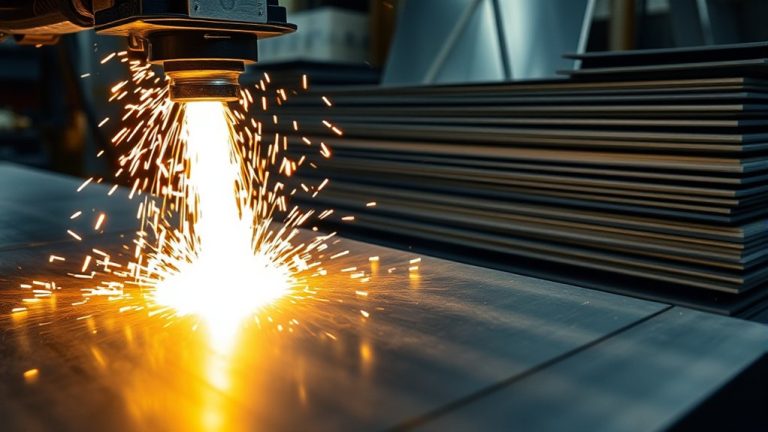
Plasma cutting thickness depends on machine capabilities and material type, but what other factors can influence the best range for your projects?

Learn which materials suit plasma cutting and how thickness affects results. We cover mild steel, stainless, aluminum, copper/brass, cast iron, and wear plate (AR500). For galvanized or painted/rusty metal, use pilot arc and strong ventilation. Plasma won’t cut glass, wood, or other non-conductors. Quick rules: 30–40A suits thin sheet to ~1/4 in (6 mm); 50–65A handles ~3/8–1/2 in (10–12 mm); higher amps for thicker plate. Distinguish recommended cut vs severance capacity, and match nozzle size, air CFM/PSI, speed, and torch height to the material. See edge-quality notes for stainless and aluminum, and why copper/brass need extra airflow and brisk travel to keep dross low.
Plasma cutting thickness depends on machine capabilities and material type, but what other factors can influence the best range for your projects?
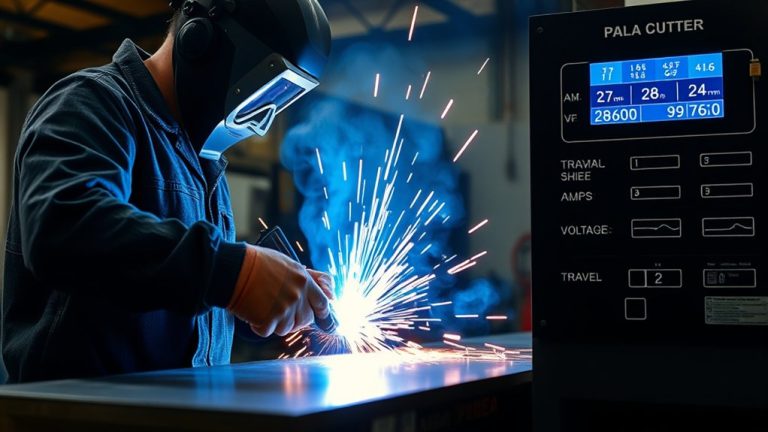
Find out how amps, voltage, and travel speed determine a plasma cutter's thickness capability; discover the secrets to cutting through different materials.
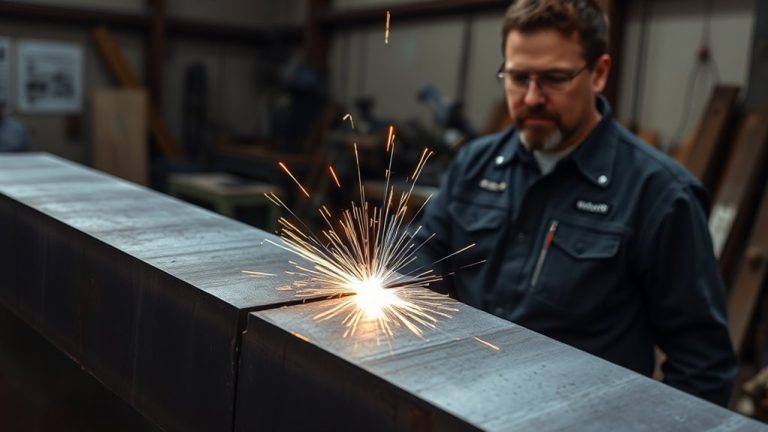
Master the art of plasma cutting by exploring the differences between clean-cut precision and severance capabilities—discover which suits your project's needs.
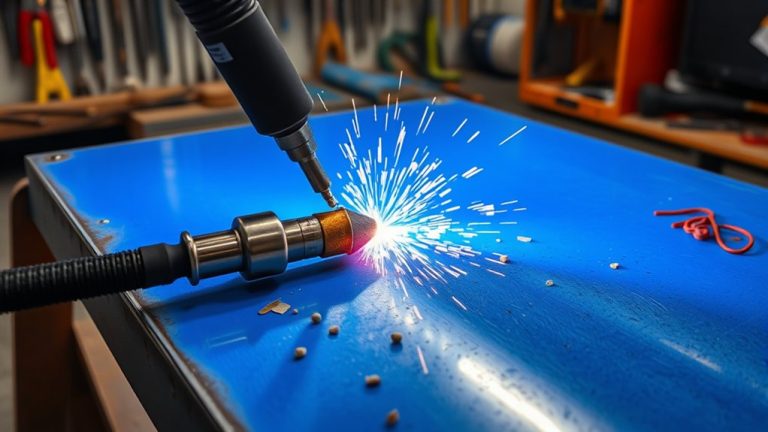
Discover the surprising truth about plasma cutters and painted surfaces, and learn the essential techniques for achieving precision cuts.
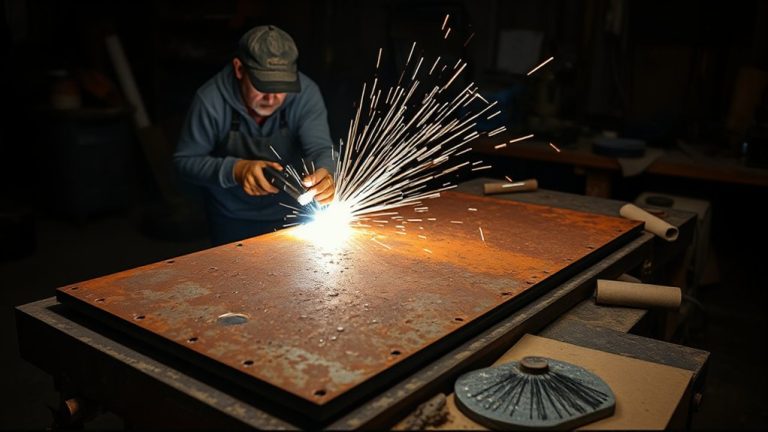
Plasma cutters can indeed tackle rusty metal, but preparation is essential; discover techniques for achieving cleaner edges with your next project.
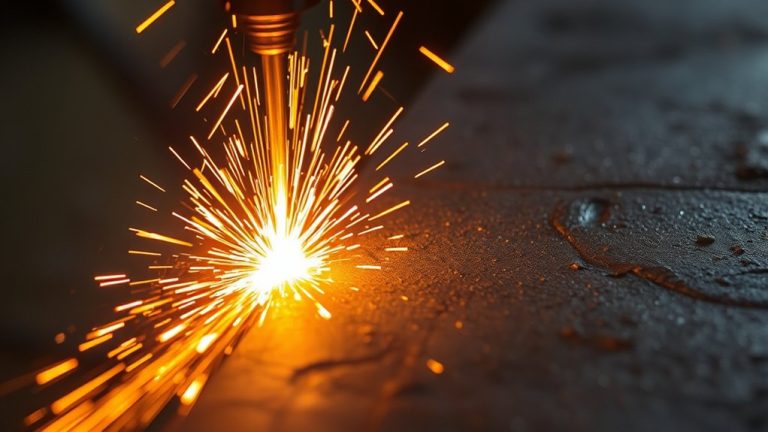
Navigating the complexities of plasma cutting cast iron requires mastering preheat techniques and precision—discover how to enhance edge quality effortlessly.
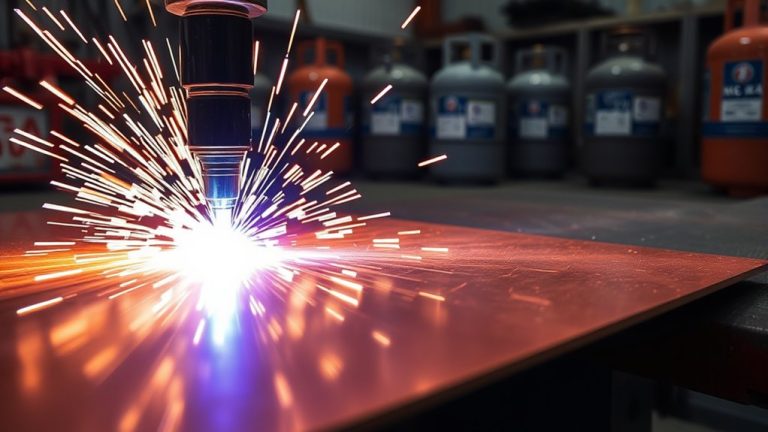
Discover how plasma cutters tackle copper sheets with precision settings, optimal gas choices, and maintenance for sharp edges; there's more to explore.
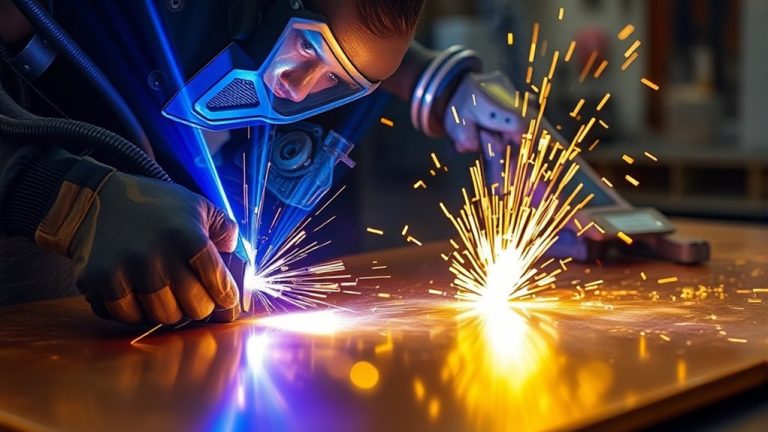
Uncover the secrets to cutting brass with a plasma cutter, mastering techniques, gas choices, and perfect finishes for flawless results.
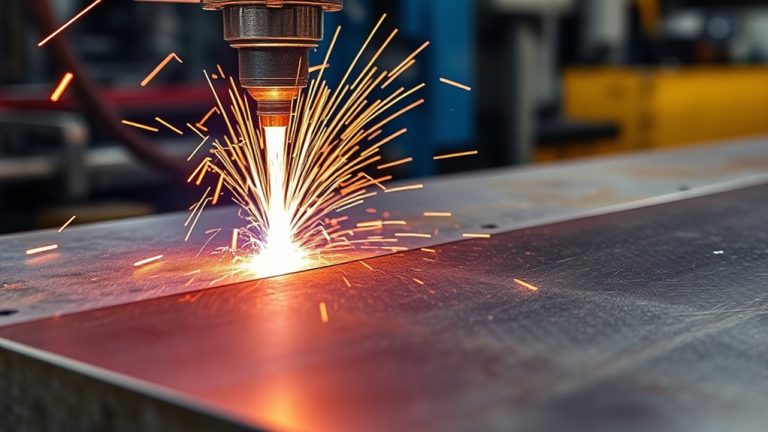
Plasma cutters can slice through AR500 steel, but do you know the precise settings to preserve edge quality? Discover the secrets here.
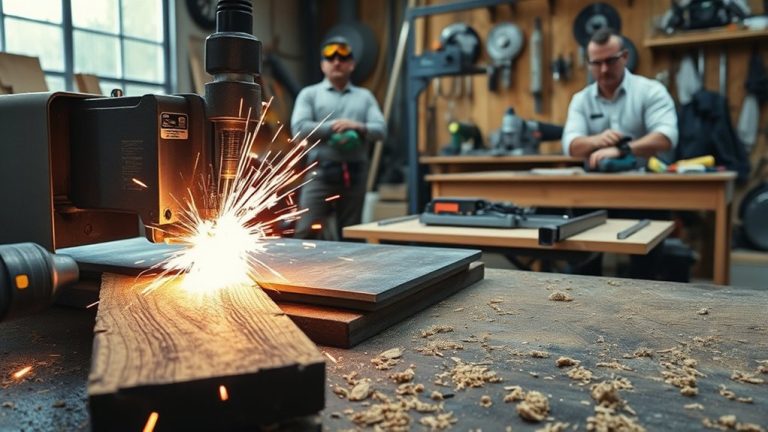
Discover why using a plasma cutter on wood is risky and explore safer, more efficient woodworking alternatives.