What Are the Parts of a Plasma Cutter? Diagram & Guide
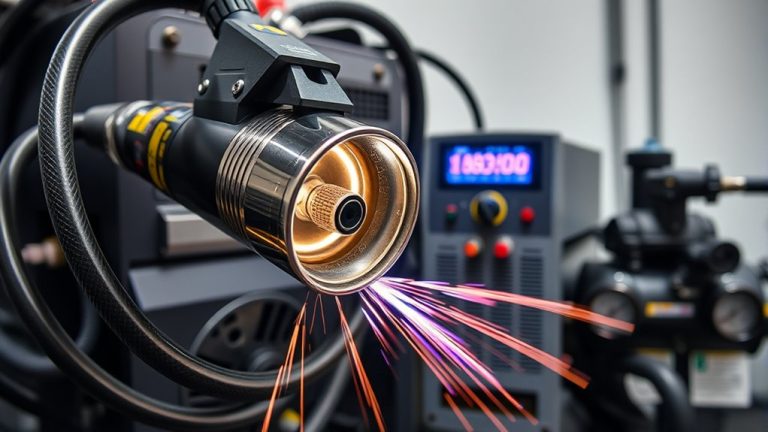
Master the plasma cutter's essential components—power supply, torch, consumables, gas systems, and safety—so you can choose, operate, and maintain one like a pro.

Understand the numbers that matter when choosing and setting up a plasma cutter. Key specs include input voltage/phase and amp draw, rated output and duty cycle (at 40 °C), power factor/PFC, and open-circuit voltage for reliable starts. Match air requirements by CFM at a stated PSI, and note filtration/dryer needs. Torch details—pilot-arc or contact start, nozzle/orifice size, drag shield or stand-off, lead length, and connector type—affect cut quality and ergonomics. Performance data should list recommended cut and pierce thickness, severance capacity, kerf width, and cut speed. Also look for CNC/THC ports, post-flow timing, and grounded work leads. Use the spec sheet to size breakers, cords, and compressors correctly.
Master the plasma cutter's essential components—power supply, torch, consumables, gas systems, and safety—so you can choose, operate, and maintain one like a pro.
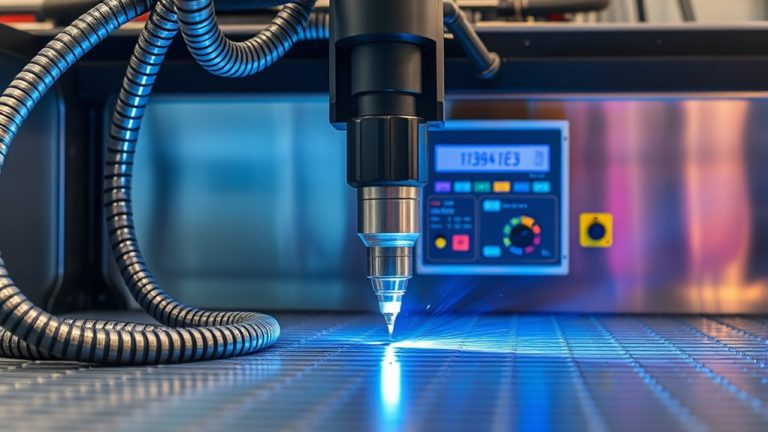
Discover which plasma torch, power supply, gas, and controller parts determine cut quality—and why mastering them will change how you troubleshoot and optimize your cuts.