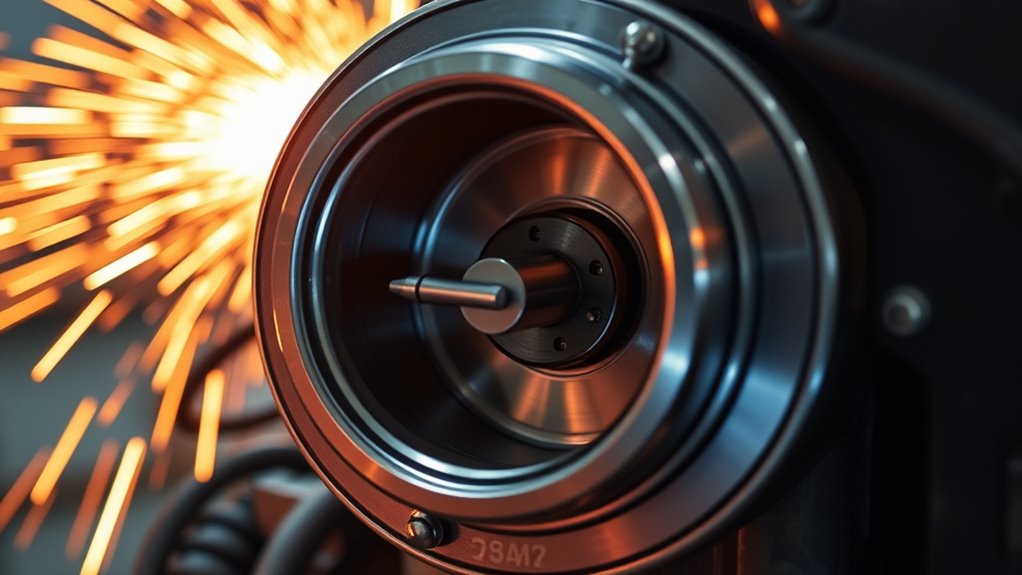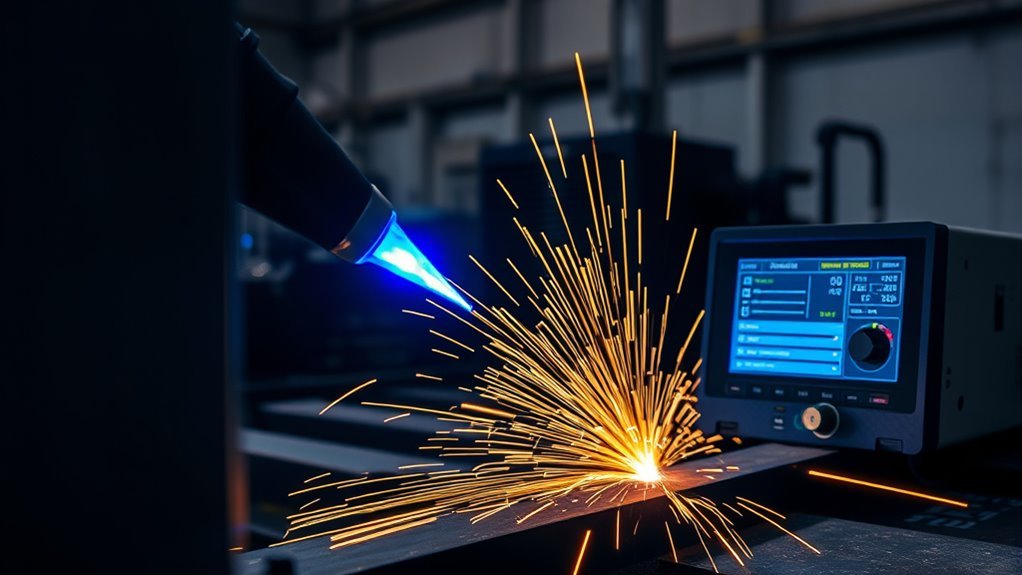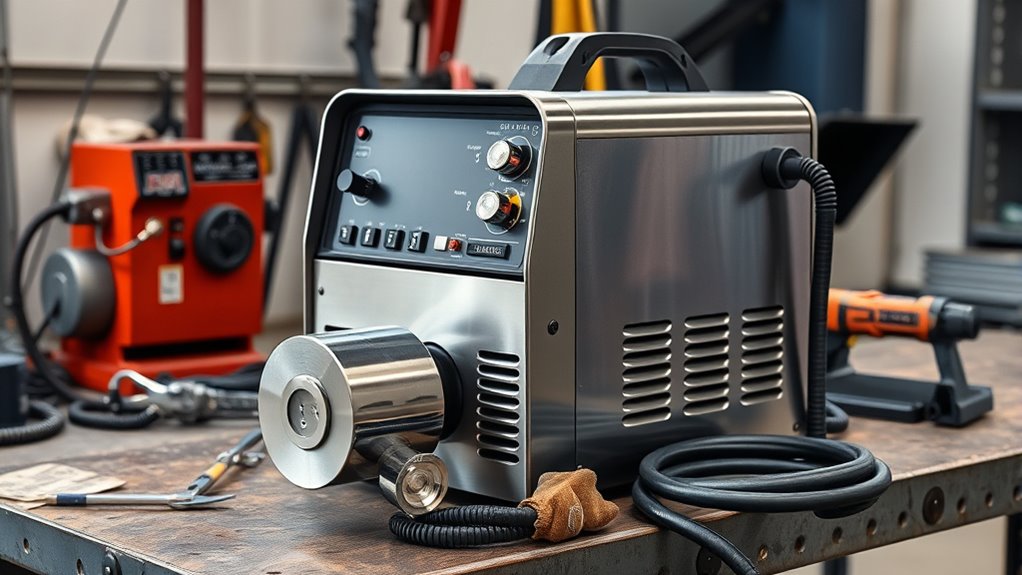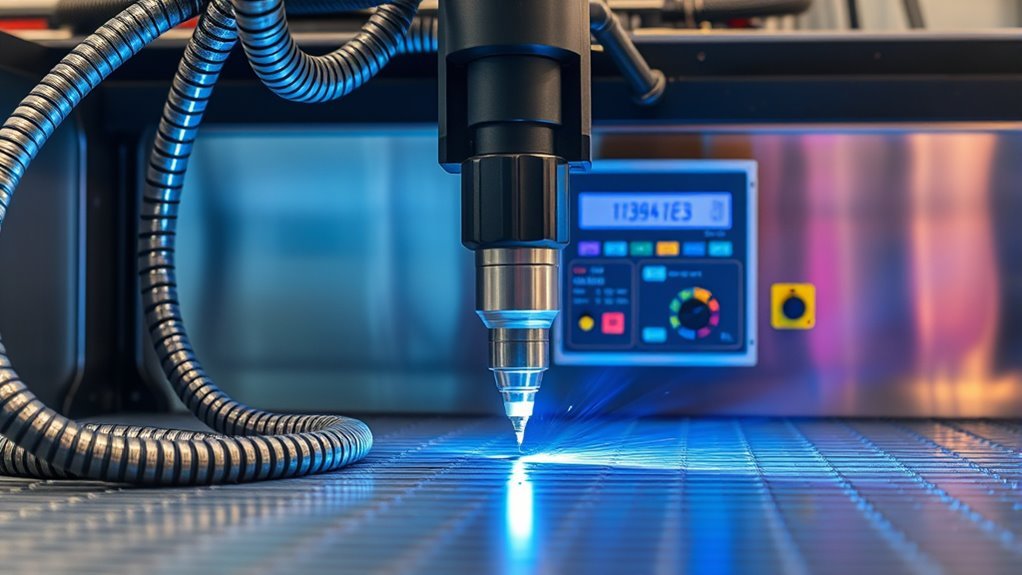
You might not realize how precisely a plasma torch shapes molten metal until you inspect its parts up close. You will learn how the torch, power supply, gas system, and controller each manage arc stability, cut quality, and efficiency. Understanding these components helps you troubleshoot problems and optimize performance. Keep reading to see which parts matter most and why.
Quick Answer
- Plasma state: Extreme heat turns gas into an electrically conductive plasma jet that easily slices through metal.
- Core components: The torch, electrode, and nozzle shape the arc, while the power supply converts AC power into high-voltage DC.
- CNC and tables: Software controls precise movements. The table and slats support the metal and help manage heat and debris.
- Maintenance: Regularly checking and replacing consumables prevents poor cut quality and protects your equipment from damage.
What Is Plasma and Why It Matters in Cutting
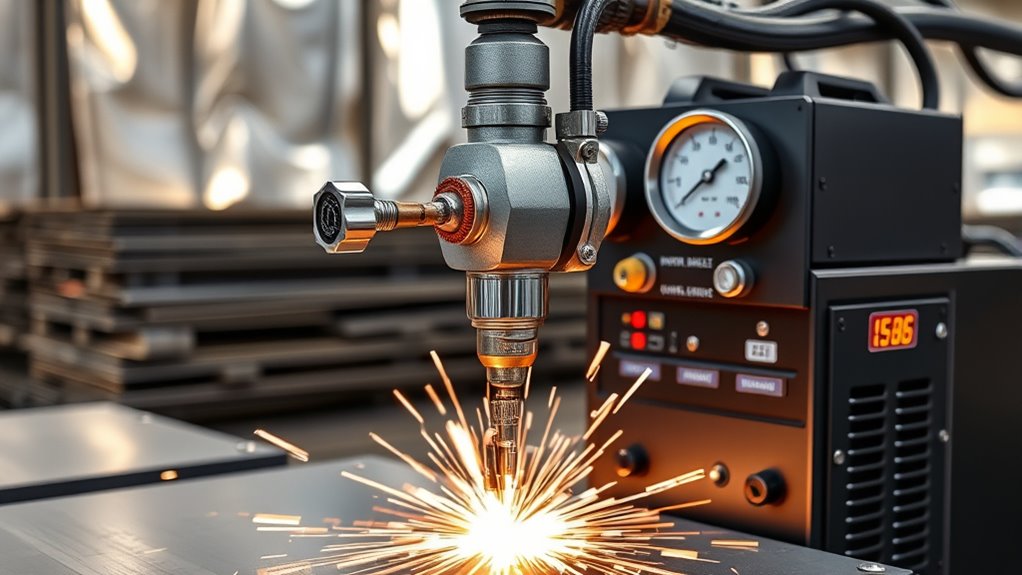
Plasma is the fourth state of matter. It matters in cutting because ionized gas conducts electricity and delivers the focused thermal energy needed to sever metal.
Plasma, the fourth state of matter, becomes an ionized, conductive gas that delivers focused heat to sever metal.
You will use plasma properties like high temperature, electrical conductivity, and momentum to convert electrical energy into a confined, high-velocity jet. This jet melts and ejects the metal.
The ionization process is central to this. Heat breaks gas molecules into ions and free electrons. This creates a conductive channel that sustains the arc and concentrates energy at the cut line, known as the kerf.
You control various parameters like amperage, gas flow, standoff distance, and traverse speed. Adjusting these matches the plasma behavior to the material thickness and conductivity.
Properly managed, the plasma jet reaches extreme temperatures. It efficiently removes molten material to produce narrow, precise cuts with minimal cold work or distortion.
Understanding these plasma properties and the ionization process helps you optimize cutting quality, repeatability, and consumable life. You can achieve this without needing to explore the deep internals of the torch covered later.
Plasma Torch: Core Components and Roles
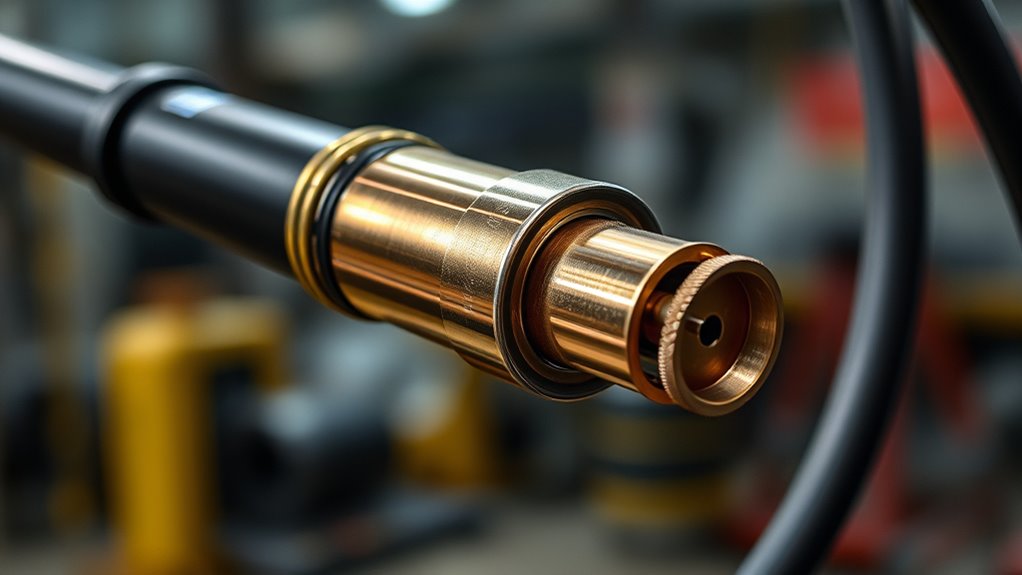
You have seen how ionized gas does the work. Now look at the tool that makes and directs that ionization. The plasma torch is the core of the machine. It generates the electric arc that ionizes gas and produces the cutting jet.
Its electrode initiates and sustains the arc. The nozzle constrains and shapes the plasma stream for precise material separation. The swirl ring creates a controlled vortex. This vortex centers the arc and stabilizes gas flow to maximize plasma efficiency. Finally, the shield cap absorbs sparks and molten spatter to protect internal parts and improve operator safety.
You can keep performance predictable by following strict torch maintenance. Inspect and replace the electrode and nozzle at regular intervals based on hours and wear. Clean the swirl ring often and verify the shield integrity.
Neglecting maintenance increases arc instability, widens the kerf, and reduces cut quality. Maintain consumables and gas pathways to preserve plasma efficiency and extend the life of the torch. This ensures repeatable, high-accuracy cuts without compromising safety.
Products Worth Considering

20pcs Plasma Tips Nozzle Extended Ref No: 18866L

The list includes :40pcs Electrode + Nozzle

[Achieve Precise Cuts] PT31 Plasma Cutting Consumables – Your Essential Tool for Efficient Cutting! Whether you're working with sheet metal, steel, or any other material, superior cutting performance ensure clean, accurate, and smooth cuts.
Power Supply and Its Influence on Performance
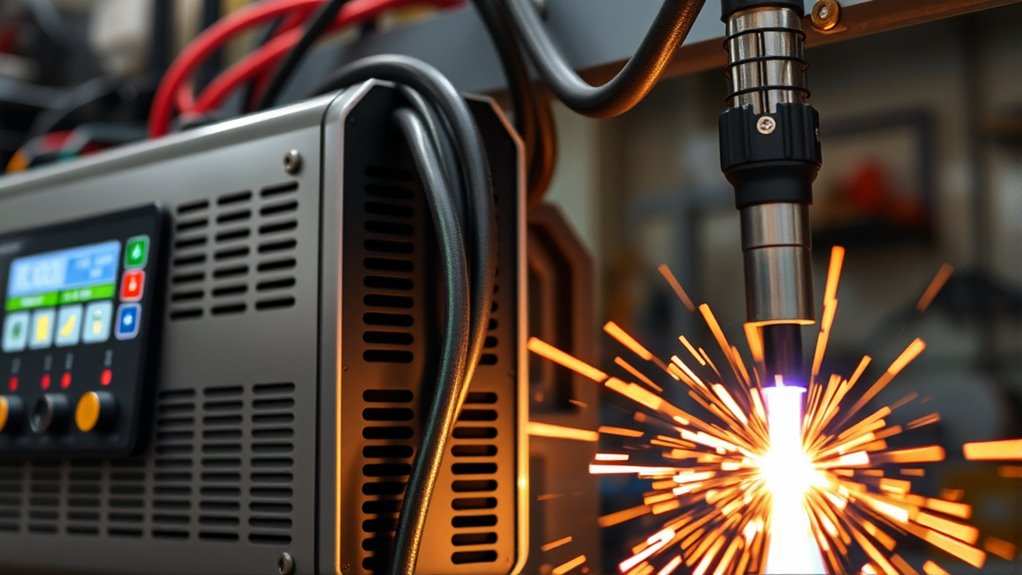
The power supply converts your shop AC line into the high-voltage DC needed to create and sustain the cutting arc. Its design and regulation directly determine arc stability, cut speed, and edge quality.
The supply transforms line voltage into the 200 to 400 VDC range. It must regulate voltage and current precisely. Poor voltage regulation produces arc wander, inconsistent kerf widths, and excess dross.
Select a unit sized for the amperage your material thickness demands. Undersized supplies hit thermal limits quickly and reduce your overall cut speed.
Inverter-based designs deliver higher power supply efficiency. They lower operating costs and improve response times for most non-heavy-duty tasks.
Robust regulation circuitry and thermal management maintain steady output under load transients to preserve cut quality.
In practice, prioritize units with tight voltage regulation, adequate duty cycles, and proven thermal protection. These features guarantee predictable arc behavior, repeatable edge quality, and efficient energy use across varying cut profiles.
Products Worth Considering

【Pro Chaser Power Inverter Basics】: This inverter provides a steady 400W of DC to AC power with a peak output of 800W. Equipped with dual 110V AC sockets and two high-speed 3.1A USB ports, it's perfect for powering your devices on the go.

POWER ON THE GO - 140-Watts of continuous household power on-demand, just plug the 12V DC plug into your vehicle's cigarette lighter

【Pro Chaser Power Inverter Basics】: Our inverter delivers 400 watts of continuous DC to AC power and up to 800 watts of peak power. It features dual 110V AC outlets, a USB-A QC 18W port, and a USB-C PD 65W port for versatile charging options.
Arc Starting Console and Ignition Systems
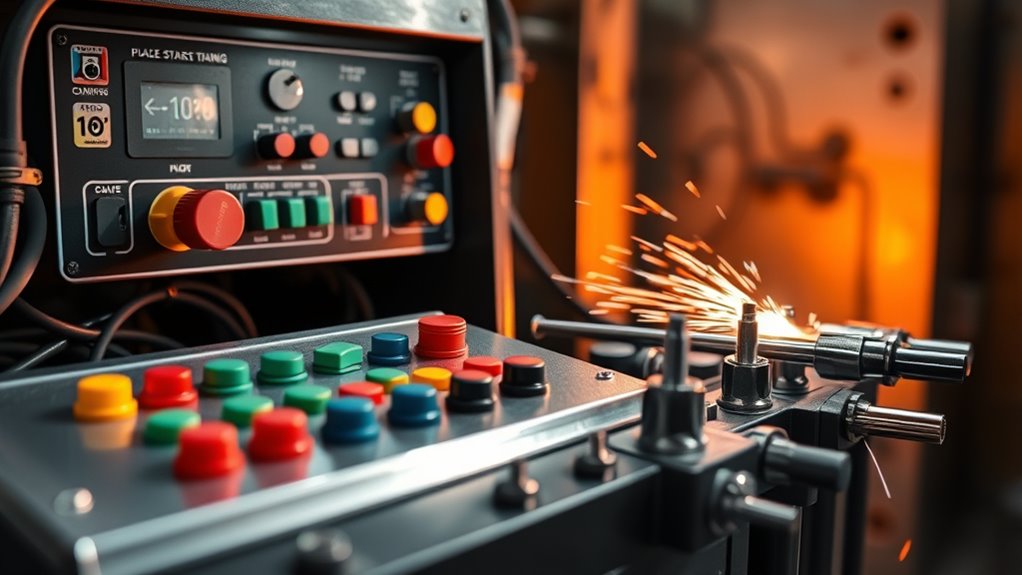
First, let us review high-frequency ignition basics. The Arc Starting Console (ASC) produces a multi-megahertz spark around 5,000 VAC to reliably start the arc and sustain it.
Compare pilot (HF start) and contact (MCSP) methods so you can weigh reliability against consumable wear and electrical interference risks.
Finally, check the ASC safety features. Interlocks, shielding, and arc-stability monitoring prevent unstable arcs and extend component life.
High-frequency Ignition Basics
When the torch trigger is pulled, the ASC fires a high-voltage, high-frequency spark. This spark is typically around 5,000 VAC at 2 MHz. It serves to ionize the cutting gas and initiate the plasma arc.
High-frequency technology provides reliable arc initiation across changing conditions. The HF pulse ionizes the gap so the main arc transfers cleanly to the workpiece.
The ASC sustains continuity once the arc forms. This stabilizes the plasma stream and preserves cut quality.
Ignition system health directly affects cycle times and downtime. Monitor your HF output, insulation integrity, and electrode wear regularly.
Machine designs may use HF spark systems or alternative contact methods. Regardless of the method, consistent ignition performance is essential for repeatable, high-quality cuts.
Pilot Arc vs. Contact
Both pilot and contact methods rely on the Arc Starting Console to deliver the high-voltage pulse that initiates the plasma. However, they differ in where and how the arc forms.
A pilot arc creates a stable, free-burning arc inside the torch before you touch the workpiece. A contact arc only ignites upon direct contact with the metal.
The ASC still provides the 5,000 VAC spark in either case. Pilot arc systems give cleaner starts and minimal dross formation. These are clear pilot arc advantages for precision work or thick, contaminated materials.
Contact arc methods are simpler but suffer from greater contamination, rougher cut edges, and arc instability. These contact arc disadvantages reduce quality on uneven or dirty surfaces. Choose your method based on the application and desired cut quality.
ASC Safety Features
A reliable ignition module is central to safe plasma cutting. The Arc Starting Console combines high-voltage spark generation, arc-maintenance circuitry, and interlocks to prevent accidental starts and keep the arc stable.
The ASC initiates the plasma arc either via a high-frequency spark or modern contactless methods. It then sustains consistent performance through active arc-control circuits.
Built-in safety interlocks and fail-safe logic block unintended ignition to protect you from exposure.
Follow basic ASC operational guidelines. Verify interlock integrity, inspect spark elements, and confirm grounding before each run.
Use simple ASC maintenance tips. Replace worn electrodes, clean connections, and test arc-stability parameters. Proper upkeep minimizes instability and reduces operator risk.
Gas Supply, Types, and Flow Control
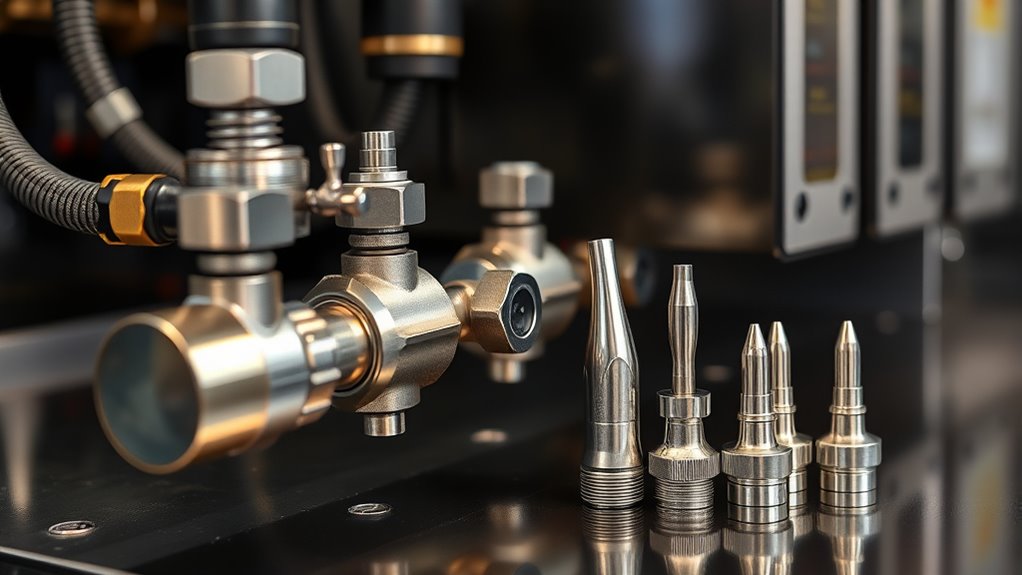
The plasma arc depends on a controlled gas stream. You need to select and regulate the gas type and flow precisely to achieve stable arcs, ideal cut speeds, and the desired edge finish.
Choose among various gas types based on the material and finish. Oxygen speeds through mild steel. Nitrogen minimizes oxidation on stainless steel. Argon blends suit thin nonferrous metals, while standard shop air is common for general work.
Flow adjustments happen at the gas console and through flow control valves. These set the pressure and volumetric rate to maintain arc stability and a narrow kerf.
Monitor and tune the gas flow to prevent excessive spatter, edge taper, or dross buildup.
Valves and pressure regulators provide repeatable settings. The gas console lets you switch gases and fine-tune outputs per program or job.
Consistent supply pressure, proper tubing, and leak-free fittings are essential for precision cuts. Proper gas selection and disciplined flow control directly determine cut speed, edge quality, and overall process reliability.
Nozzles, Electrodes, and Consumables Explained
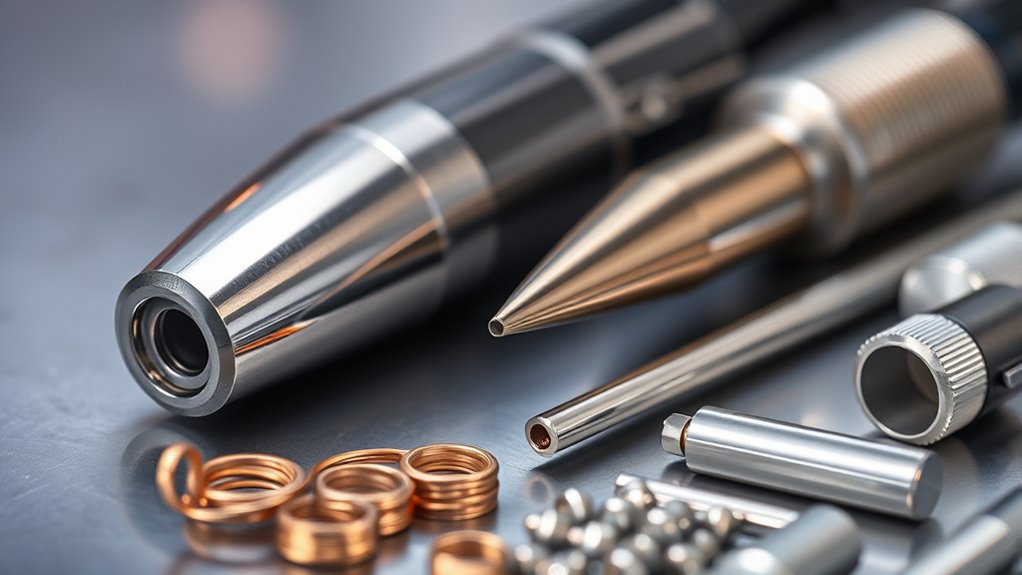
The nozzle and electrode are the core consumables that shape the plasma arc. They determine cut consistency, kerf width, and operating costs, so you should monitor wear and replace components proactively.
The nozzle directs and shapes the plasma stream. Matching the nozzle type and size to the material thickness optimizes cut quality. Different nozzle designs control gas flow, constriction, and cooling. Select the type that fits your specific application.
The electrode generates the arc that ionizes the gas into plasma. Electrode lifespan is short under heavy use. It typically lasts 1 to 2 hours, so plan replacements to maintain peak efficiency.
Worn consumables widen the kerf, reduce precision, and increase both dross and restart time. Inspect nozzles for pitting and electrodes for tip erosion. Keep spare kits indexed by material type and thickness.
Routine consumable maintenance preserves cutting speed, repeatability, and cost control without requiring you to alter machine software settings.
CNC Controller and Cutting Software Integration
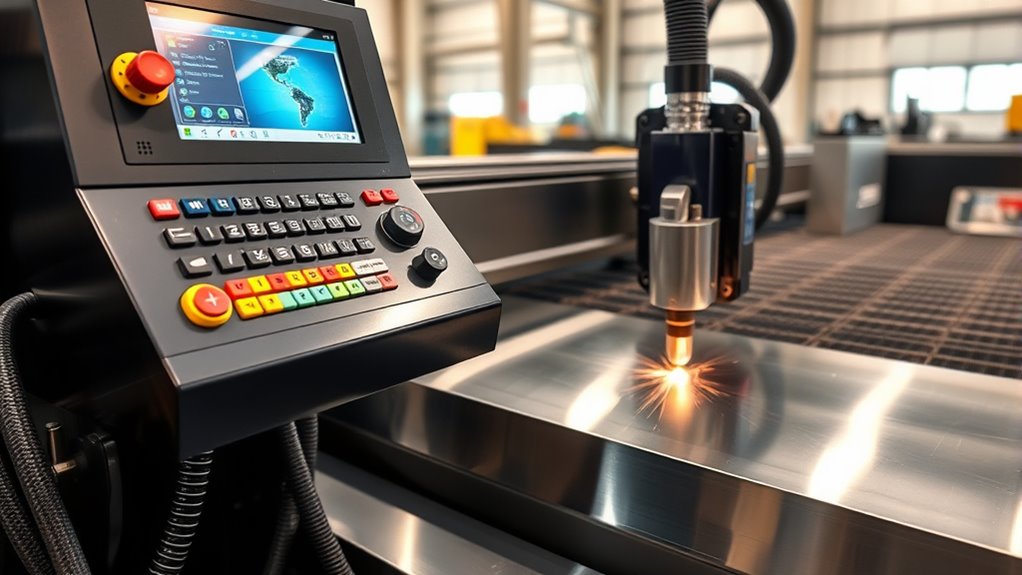
You use the CNC controller to convert CAD and CAM outputs into precise motion control commands. These commands position the torch down to tenths of a millimeter.
The cutting software generates optimized toolpaths and G-code. It manages feed rates, directions, and cut parameters to preserve part geometry and reduce waste.
Together, they enable real-time adjustments and closed-loop monitoring. This helps you maintain consistent cut quality across long production runs.
Motion Control Accuracy
Integrating the CNC controller and cutting software provides precise motion control. This translates your CAD geometry into exact torch coordinates and timing.
The CNC converts designs into numerical coordinates. The cutting software generates G-code that dictates speed, direction, and pierce timing.
Accurate motion control guarantees repeatability, ensuring identical parts are produced at volume. Adjust parameters for material type and thickness to optimize cut quality. Real-time feedback lets the system correct feed rates and torch heights on the fly.
This precision reduces scrap, shortens cycle times, and maintains edge quality. Implement strict calibration and closed-loop feedback for consistent performance across all production runs.
CAD/CAM Workflow
Moving from CAD to CAM creates a precise digital workflow. It turns design geometry into machine-ready G-code and drives the CNC controller to execute exact torch movements.
Start in CAD to define cutting specifications and shapes. Then use CAM for design optimization and nesting to minimize scrap. The CAM generates the G-code that the CNC controller reads to govern torch travel, feed rates, and pierce sequences.
Software integration enables real-time adjustments, monitoring, and feedback. This guarantees consistent part quality and repeatability in high-volume settings.
- Reduce material waste.
- Improve repeatability.
- Enable live process control.
Rely on robust cutting software and controller compatibility to maintain accuracy, throughput, and predictable production outcomes.
Plasma Table Design, Slats, and Hold-Down Systems
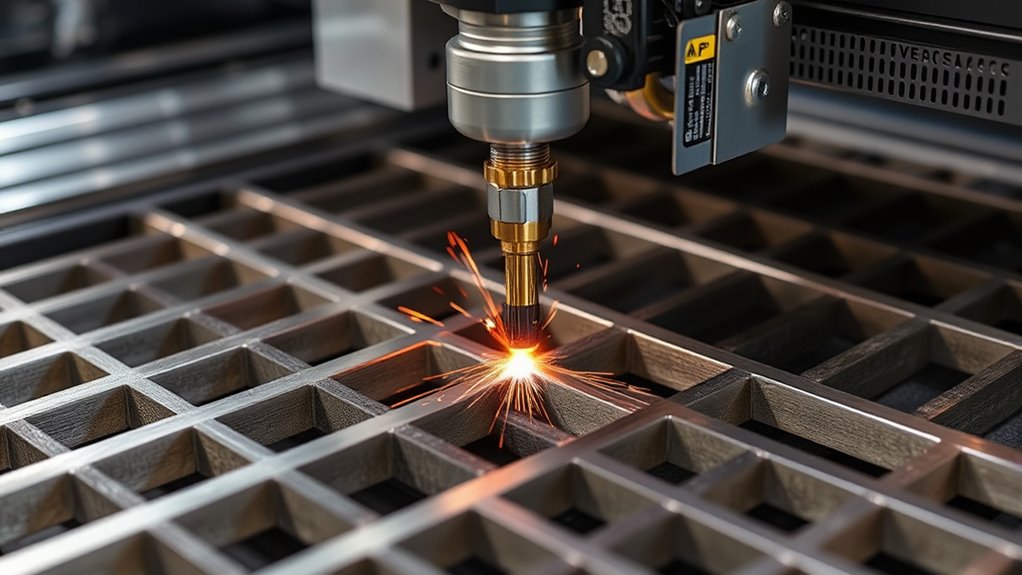
A plasma table needs a flat, stable surface to hold metal precisely. Its design centers on rigid frames, replaceable slats, and reliable hold-down systems. Together, these elements control movement, heat, and debris during cutting.
Plasma table stability is critical to maintaining tolerances. A rigid frame resists torsion and vibration, ensuring the torch follows programmed toolpaths accurately.
Slats support the workpiece and channel slag away. Designing the table for easy slat replacement simplifies maintenance and keeps the cutting plane even as slats wear or warp.
Hold-down systems secure the material to prevent shifting during the pierce and traverse stages. They eliminate seam wander and miscuts. Common systems include mechanical clamps, pneumatic fixtures, or magnetic devices.
Integrated water trays beneath the slats capture sparks, reduce visible smoke, and protect table components.
Configure your slat materials and clamp locations carefully. Balance thermal absorption with the ease of debris removal and accessibility for replacement. This ensures consistent part quality and minimizes downtime.
Cooling, Ventilation, and Safety Systems
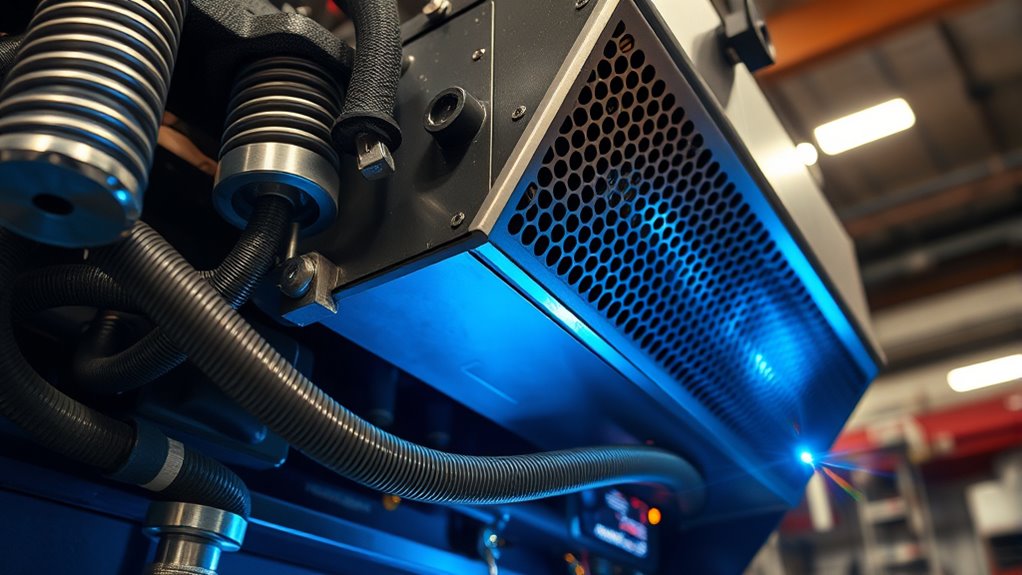
A robust cooling, ventilation, and safety suite completes a plasma table’s design. It protects both consumables and operators while the slats, frames, and clamps guide the cut.
Cooling efficiency prevents torch and consumable overheating during prolonged cycles. Closed-loop coolants, water trays, or misting systems capture sparks and lower part temperatures to extend component life.
Ventilation design removes fumes, smoke, and gases at the source. This preserves air quality and visibility in the shop.
Prioritize these three core controls:
- Active coolant circulation and temperature monitoring to maintain cooling efficiency.
- Local exhaust and room ventilation design that captures particulates and directs exhaust safely.
- Automatic shutdowns and interlocks that trigger on overtemperature, low coolant, or system faults.
Maintain ventilation filters, coolant levels, and purge paths regularly. This prevents fires, equipment failure, and hazardous exposure.
These systems work together to guarantee operational continuity, compliance with safety standards, and reduced consumable costs.
Troubleshooting Common Plasma Torch Issues
Knowing how your plasma cutter parts work makes fixing problems much easier. If your cut quality suddenly drops, start by checking your consumables. A worn electrode or a damaged nozzle usually causes a wide kerf and excess dross.
When the arc fails to start, inspect the Arc Starting Console (ASC) connections and the ground clamp. A poor ground prevents the high-frequency spark from transferring to the metal. If the arc wanders or goes out during a cut, verify your gas pressure. Low gas flow destabilizes the plasma jet, while too much pressure can blow the arc out.
Factors That Affect Cut Quality and Kerf
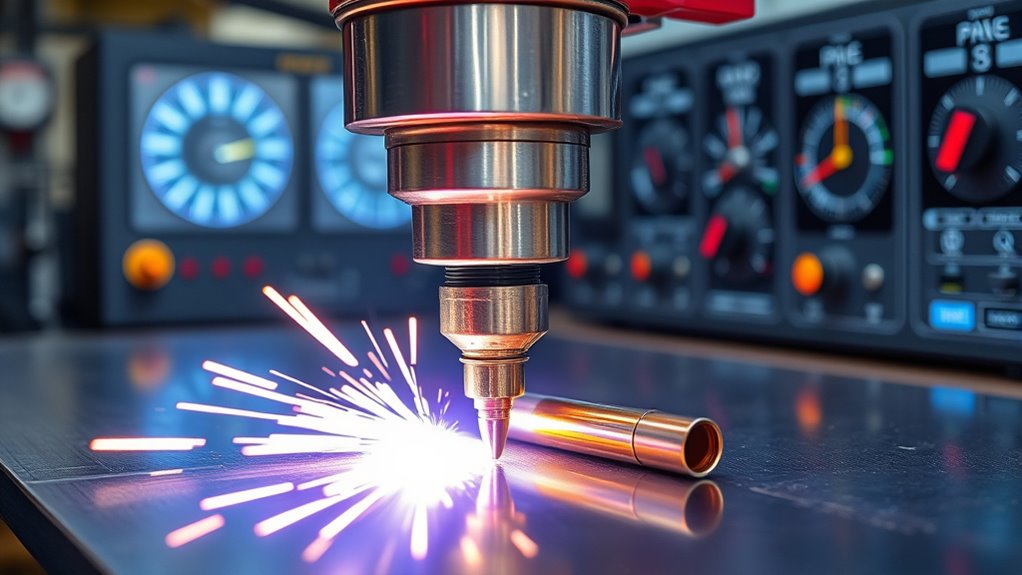
Cut quality and kerf are governed by a handful of controllable variables you need to monitor and adjust precisely. Control your cutting speed, amperage, standoff distance, gas flow, and technique to optimize results.
Faster cutting speeds usually yield a narrower kerf. Higher amperage widens the kerf through greater heat input. Increasing the standoff distance shifts the arc voltage, producing a wider, less precise kerf. Choose your gas and flow to match the material and desired edge quality.
Your skill with cutting techniques determines consistency. Poor technique causes variable kerf widths and heavy dross.
| Variable | Effect on Kerf | Actionable Control |
|---|---|---|
| Cutting speed | Faster = narrower kerf | Tune feed rate |
| Amperage | Higher = wider kerf | Reduce for thin stock |
| Standoff | Greater = wider kerf | Maintain torch height |
| Gas type/flow | Alters arc temp & kerf | Use recommended gas |
| Operator technique | Consistency | Train and practice |
Use kerf measurements to verify settings and iterate until your cuts meet tolerance.
Frequently Asked Questions
Can Plasma Cutting Machines Cut Non-Conductive Materials Like Plastics or Wood?
No, you cannot reliably plasma cut non-conductive materials like plastics or wood. Plasma cutting requires conductive workpieces. Using it on non-conductive materials risks poor cuts, toxic fumes, and fire hazards. Use a laser, waterjet, or CNC router instead.
How Do Plasma Cutters Compare to Laser Systems for Thin Stainless Steel?
Plasma provides faster, rougher cuts with higher material removal rates. Laser precision gives cleaner, narrower kerfs and finer detail. Choose plasma for speed and thick materials. Choose laser for spotless edges and tight tolerances.
Can Handheld Plasma Torches Be Used for Precision Artistic Work?
Yes, you can use handheld plasma torches for precision artistic work. You need steady precision control, fine consumables, proper artistic techniques, slow consistent motion, and practice to achieve detailed cuts while managing heat and dross removal.
What Maintenance Schedule Keeps Consumable Costs Minimized Long-Term?
Schedule preventive maintenance weekly, monthly, and annually to inspect consumables. Clean the torch and nozzles, calibrate settings, and track your usage. These cost-effective strategies cut downtime, extend equipment life, and lower long-term costs.
Are There Portable, Battery-Powered Plasma Cutters for Remote Jobs?
Yes, portable battery-powered plasma cutters are available. Evaluate battery efficiency, duty cycle, and inverter design to ensure power density meets your remote job requirements. Also, plan for weight limits, runtimes, and recharge logistics.
Conclusion
Every plasma cutting part plays a precise role in cut quality and safety. This includes the torch electrode, nozzle, power supply, gas system, CNC controller, and table. Maintain components, control gas flow and cooling, and tune your arc-starting and software parameters to get a repeatable kerf and minimal dross. You will achieve reliable, efficient cuts when you inspect equipment, replace wear parts on time, and follow calibrated operating procedures.