Disclosure: As an Amazon Associate, we earn from qualifying purchases. If you click a link on this page and make a purchase, we may receive a small commission at no extra cost to you.
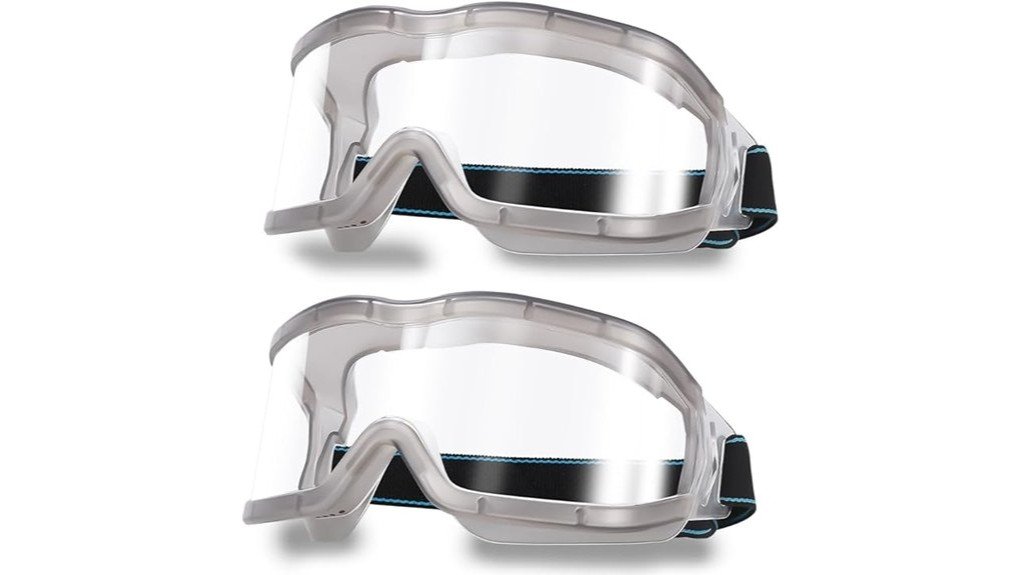
Choosing safety goggles for a chemistry lab is not just about finding a clear lens that feels comfortable. You also need coverage, a secure fit, visibility, and protection that matches the hazards in your lab. These Chemistry Lab Safety Goggles combine an anti-fog polycarbonate lens, an adjustable strap, impact-resistant construction, and a design intended to fit over prescription glasses. They look useful for general eye protection, but the source does not identify a specific safety certification, so you should confirm your lab’s PPE requirements before depending on them for chemical splash work.
Quick Verdict
Rating: 7/10, Recommended with caveats
Best For: Buyers who need adjustable, anti-fog eye protection that can fit over prescription glasses.
Bottom Line: The polycarbonate lens, anti-fog treatment, adjustable strap, and over-glasses design make these goggles practical for extended protective use. The main limitation is that the available product information does not identify a specific chemical-splash or workplace safety certification, so confirm the required standard before using them in a regulated lab or jobsite.
| Specification | Detail |
|---|---|
| Product type | Protective safety goggles |
| Lens material | Polycarbonate |
| Lens treatment | Anti-fog coating |
| Protection described | Impact resistance, splash protection, dust protection, and defense from airborne debris |
| Fit adjustment | Adjustable head strap |
| Prescription glasses | Designed to fit over prescription eyewear |
| Design goal | Lightweight protection for extended wear |
| Important safety note | A specific safety certification is not identified in the available product information. Check your lab or workplace requirements before use. |
Key Takeaways
- The polycarbonate lens is described as impact resistant and uses an anti-fog treatment to help maintain clear vision.
- An adjustable head strap gives you more control over fit and helps keep the goggles positioned during use.
- The larger protective design is intended to fit over prescription glasses, which can be useful if you cannot work safely without corrective eyewear.
- The source describes protection from splashes, dust, and flying debris, but it does not name a specific ANSI, CSA, EN, or other certification.
- These goggles make the most sense when their documented protection level matches the safety requirements of your lab, workshop, school, or other environment.
Before You Buy: Do not assume that the words “impact resistant,” “anti-splash,” or “lab goggles” automatically prove compliance with your laboratory’s required PPE standard. Confirm the product markings, seller documentation, and your lab or workplace safety policy before using the goggles around hazardous chemicals.
What Are These Chemistry Lab Safety Goggles?
These are protective goggles designed to cover the eye area more completely than ordinary eyewear. The source describes a polycarbonate lens, anti-fog treatment, impact-resistant construction, adjustable strap, and protection from splash, dust, sand, pollen, and other airborne material.
The design is also intended to fit over prescription glasses. That feature can matter if you need corrective lenses throughout a lab session, workshop project, or other task. Instead of switching between your everyday glasses and protective eyewear, the larger goggle frame is designed to accommodate both.
The strongest buying point is therefore versatility. You get a protective goggle format, adjustable fit, anti-fog lens treatment, and prescription-glasses compatibility in one design. The tradeoff is product documentation: the source does not provide a brand, exact model name, venting specification, or named safety certification.
Who Should Buy It?
Best For
- Students or hobbyists who want a larger goggle design that can fit over prescription glasses.
- Users who value an anti-fog lens and adjustable strap during longer work sessions.
- Buyers who need general protection from splashes, dust, or flying debris where this product’s documented protection matches the task.
Skip If
- Your laboratory or employer requires a clearly documented safety certification that you cannot verify for this product.
- You need a known venting configuration for a specific chemical or workplace hazard.
- You need specialized eye protection for welding, lasers, intense radiation, or another hazard not specifically covered by this product information.
Key Protective Features of Chemistry Lab Safety Goggles
Polycarbonate Lens and Impact Resistance
The source identifies the lens material as polycarbonate and describes the goggles as impact resistant. That combination is useful when your work may expose your eyes to small particles or debris. A larger goggle design also gives more coverage around the eye area than ordinary corrective glasses.
Impact resistance should still be considered within the limits of the product documentation. A material description alone does not tell you which formal impact test, if any, the finished goggles have passed.
Anti-Fog Lens Treatment
Fogging can make protective eyewear difficult to use because it reduces visibility exactly when you need to see your work clearly. These goggles include anti-fog technology intended to reduce lens clouding during use.
This feature may be especially helpful during longer lab sessions or when you wear prescription glasses underneath the goggles. Two layers of eyewear can make visibility and comfort more challenging, so an anti-fog outer lens is a practical feature.
Splash, Dust, and Airborne Debris Coverage
The source describes the goggles as offering anti-splash and anti-dust protection. It also mentions protection from sand, pollen, and similar airborne material. This gives the goggles potential use beyond a chemistry classroom, provided the hazard and required protection level are appropriate.
For chemical work, however, the key question is not simply whether a seller describes a product as splash resistant. You should confirm that the goggles meet the specific requirements of your experiment, school, employer, or safety program.
Prescription-Glasses Compatibility
One of the most practical features is the ability to fit over prescription glasses. If you rely on corrective eyewear, ordinary narrow safety glasses can be difficult or impossible to wear over your frames.
An over-the-glasses design gives you room for both layers. Fit still depends on the size and shape of your prescription frames, so check that your glasses sit naturally underneath without pushing the goggles away from your face.
Ideal Environments for Use
The original product information presents these goggles as useful in several environments. The right choice depends on the actual hazard, so you should match the goggles to the task rather than assume one pair covers every situation.
| Environment | Typical Concern | Buying Consideration |
|---|---|---|
| Laboratory | Liquid splashes and experiment debris | Verify that the product meets your lab’s required splash-protection standard. |
| Woodworking | Dust and small flying particles | Confirm the required impact rating for the tool and task. |
| Cycling or outdoor use | Wind, dust, pollen, and airborne debris | Check comfort, visibility, and compatibility with other required equipment. |
| Construction or repair work | Dust and small airborne debris | Use only when the product’s documented protection meets site requirements. Goggles do not replace other required PPE. |
Comfort and Design Considerations
Adjustable Strap
The adjustable strap helps you control how firmly the goggles sit against your head. A strap that is too loose can allow the goggles to shift, while excessive tension may create unnecessary pressure during long sessions.
The goal is a stable fit that keeps the goggles in position without forcing your prescription frames into your face. Because head and glasses sizes vary, you may need a few adjustments before finding the most comfortable position.
Lightweight Construction
The source describes the goggles as lightweight, which is useful when you need eye protection for an extended period. Heavy eyewear can become distracting, especially when you already wear prescription glasses underneath.
Comfort should never override protection, however. A comfortable pair is useful only when it provides the coverage and safety level your task requires.
Pro Tip: If you wear prescription glasses, adjust the goggles with your glasses already on. Make sure the prescription frames do not lift the goggle edges away from your face or create uncomfortable pressure at the temples.
How It Performs in Real Use
During Chemistry Lab Sessions
The anti-fog lens, adjustable strap, and broad coverage are useful features for laboratory work. Clear vision matters when measuring, transferring, or observing materials, and the adjustable design can help keep the goggles stable as you move.
The limitation is documentation. Before using them for hazardous chemical handling, confirm that their protection level is accepted by your instructor, laboratory, employer, or safety officer.
Over Prescription Glasses
This is one of the strongest use cases. The goggles are specifically described as being able to fit over prescription glasses, so you can keep the vision correction you depend on while adding an outer protective layer.
Large or unusually shaped prescription frames may still affect fit. Check for pressure points and make sure the outer goggles remain properly positioned.
For Dusty Workshop Tasks
The anti-dust and impact-resistant design may make the goggles useful for suitable woodworking, repair, or hobby tasks where small particles are the primary concern. Polycarbonate construction also gives you a durable lens material for general protective use.
Power tools and professional jobsites may have specific PPE requirements. Confirm the required rating instead of relying only on a general impact-resistant description.
For Outdoor Wind and Debris
The source also mentions sand and pollen protection, making the enclosed format potentially useful in windy or dusty outdoor conditions. The strap can be more secure than ordinary glasses when you are moving.
For sports or cycling, make sure the goggles do not restrict your field of view or interfere with a helmet or other equipment. Specialized sports eyewear may be preferable when higher-speed impact protection or a particular lens specification is required.
How to Use Them Correctly
Put on your prescription glasses first if you wear them, then position the safety goggles over the frames. Adjust the strap until the goggles stay stable without excessive pressure. Your everyday glasses should sit normally instead of being pushed upward, sideways, or against your face.
Keep the lens clean so the anti-fog treatment can provide useful visibility. The original care guidance recommends a microfiber cloth and avoiding harsh cleaning chemicals that could damage the lens or coating.
Before using the goggles for a hazardous task, check the product markings and instructions. Replace or stop using eye protection if damage prevents the goggles from fitting or functioning as intended.
Material Safety and Protection Limits
The source identifies a polycarbonate lens with an anti-fog coating. Polycarbonate is the only specific construction material provided, so this review does not assume additional frame, strap, seal, or ventilation materials.
It is also important to separate product features from certification. The source describes impact, splash, and dust protection, but does not state which recognized safety standard the finished product meets. That missing information matters most for chemistry labs and regulated workplaces.
If your school or employer requires a particular certification, marking, venting style, or splash rating, confirm it directly from the product packaging or manufacturer documentation. If you cannot verify the required protection level, choose eyewear with clearly documented compliance instead.
Pros and Cons
Pros
- Polycarbonate lens is described as impact resistant.
- Anti-fog treatment helps support clearer vision during extended wear.
- Adjustable strap accommodates different head sizes.
- Designed to fit over prescription glasses.
- Source describes protection from splashes, dust, sand, pollen, and airborne debris.
Cons
- No specific safety certification is identified in the available product information.
- Exact brand, model, dimensions, weight, and venting configuration are not provided.
- Fit over prescription glasses can vary with the size and shape of your frames.
Is It Worth the Price?
Without relying on a changing Amazon price, the best way to judge value is by the features you actually need. These goggles combine an anti-fog polycarbonate lens, adjustable strap, lightweight design, and compatibility with prescription glasses. That is a useful feature set for buyers who want one pair of protective goggles for several suitable environments.
The biggest value question is certification. If you need casual or general-purpose protection and the documented protection level matches your task, the design may offer strong practical value. If you need formally documented lab or occupational compliance, a product with clearly published certification information may be the better buy even if it costs more.
How It Compares to Alternatives
Compared with ordinary safety glasses, a goggle-style design generally gives you more coverage around the eye area and can be easier to secure with an adjustable head strap. This model also has the advantage of being designed to fit over prescription glasses.
Its main disadvantage against clearly documented laboratory goggles is the lack of a named standard in the available product information. If certification, venting configuration, or workplace compliance is your main buying concern, compare this product against alternatives that clearly publish those details before deciding.
Frequently Asked Questions
Can these goggles be used over prescription glasses?
Yes. The source specifically describes the goggles as being designed to fit over prescription glasses. Because frame sizes vary, check that your glasses fit without pushing the goggles away from their intended position.
Can I wear contact lenses with these goggles?
The available product information does not list a restriction specific to contact lenses. Contacts do not replace protective eyewear, so follow your laboratory’s rules and any professional guidance that applies to your work.
Are the goggles adjustable for different head sizes?
Yes. They use an adjustable strap so you can change the fit around your head. The strap should hold the goggles securely without creating excessive pressure or disturbing prescription glasses underneath.
What material is used for the lens?
The source identifies the lens as polycarbonate. It also describes an anti-fog coating and impact-resistant performance, but does not provide a complete material specification for every part of the goggles.
How should I clean and maintain the goggles?
Use a soft microfiber cloth on the lens and avoid harsh chemicals that could damage the surface or anti-fog treatment. Follow any cleaning instructions included with the product, especially after exposure to laboratory materials.
Are these goggles confirmed to meet a specific safety standard?
A specific ANSI, CSA, EN, or other certification is not identified in the available source information. If your school, laboratory, or employer requires a particular standard, verify the marking or official documentation before relying on these goggles.
Are they suitable for chemical splash protection?
The source describes the goggles as anti-splash and presents them for chemistry-lab use. Because no specific splash certification or venting specification is provided, confirm that the product meets the safety requirements for the chemicals and procedures you will be working with.
The Bottom Line
These Chemistry Lab Safety Goggles offer a useful combination of a polycarbonate lens, anti-fog treatment, impact-resistant construction, adjustable fit, and prescription-glasses compatibility. They are worth considering when those features match your needs, but buyers who require documented chemical-splash or occupational certification should verify that information before purchase or choose a product with clearly stated compliance.
Ready to Buy?
Check the latest product details and verify the required safety information before you decide.