Disclosure: As an Amazon Associate, we earn from qualifying purchases. If you click a link on this page and make a purchase, we may receive a small commission at no extra cost to you.
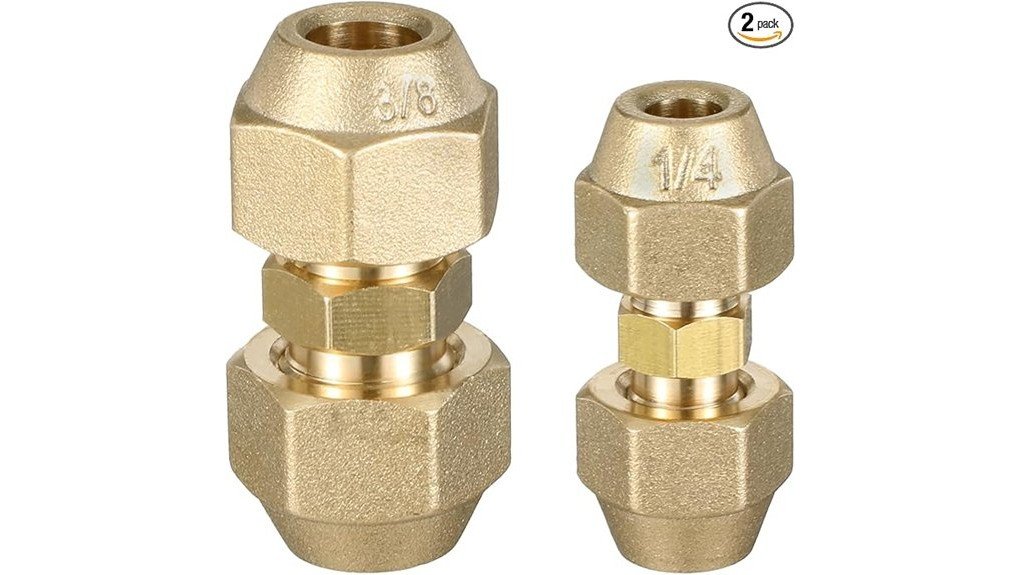
Connecting small copper lines can be frustrating when you do not want to solder or weld near finished work, HVAC parts, or tight plumbing spaces. The Copper Pipe Extension Joint Connectors are made for 1/4-inch and 3/8-inch diameter copper pipes and use a flare-style connection with included flare nuts. This review helps you decide whether these solid copper connectors fit your repair, extension, air conditioning, refrigeration, or light plumbing setup. They are useful for matching copper tube sizes, but they still require correct sizing, clean pipe ends, and proper tightening to avoid leaks.
Quick Verdict
Rating: 8/10, Recommended with caveats
Best For: Buyers who need a simple copper pipe extension connector for 1/4-inch or 3/8-inch flare-compatible copper lines.
Bottom Line: These connectors offer a practical no-weld connection method with solid copper construction and included flare nuts. The main tradeoff is compatibility: you need the correct pipe size, a proper flare connection, and safe use within your system’s pressure and code requirements.
| Specification | Detail |
|---|---|
| Product type | Copper pipe extension joint connectors |
| Design | No-weld, flare-style pipe connection |
| Pipe sizes stated in article | 1/4-inch and 3/8-inch diameter copper pipes |
| Count or quantity | Two connectors |
| Material | Solid copper |
| Included accessories | Flare nuts included |
| Compatibility | Copper pipe applications that match the stated sizes and flare-style connection |
| Best use | HVAC, air conditioning, refrigeration, plumbing, oil, gas, and vacuum applications when the fitting matches the system requirements |
| Safety note | Check pipe size, flare condition, pressure requirements, local code, and equipment instructions before use. |
Key Takeaways
- The connectors are made from solid copper, which supports durability and corrosion resistance in compatible copper pipe setups.
- The stated pipe sizes are 1/4-inch and 3/8-inch, so sizing is the first thing you should verify before buying.
- The no-weld design can save time when you need a mechanical connection instead of soldering or welding.
- Included flare nuts help with setup, but the pipe ends still need proper alignment and a clean sealing surface.
- These connectors make the most sense for experienced DIY users or professionals working on compatible HVAC, refrigeration, plumbing, or utility lines.
What Are the Copper Pipe Extension Joint Connectors?
The Copper Pipe Extension Joint Connectors are small fittings designed to extend or join compatible copper pipes without welding. The article-supported details point to a two-connector set made from solid copper for 1/4-inch and 3/8-inch diameter pipes.
The main appeal is simple: you can connect copper lines with flare nuts instead of using a welded joint. That can help in tight areas, service work, and small line extensions where heat-based joining is not practical or preferred.
These are not universal pipe fittings. They work best when your pipe size, flare type, system pressure, and application match the fitting, so you should check your equipment manual or ask a qualified technician for HVAC, gas, or refrigerant work.
Who Should Buy It?
Best For
- DIY users who already know their copper pipe is 1/4-inch or 3/8-inch and flare-compatible.
- HVAC, refrigeration, and plumbing users who want a no-weld extension fitting for small copper lines.
- Repair kits, service boxes, and workshop setups where spare copper connectors are useful to keep on hand.
Skip If
- You need a fitting for pipe sizes other than 1/4-inch or 3/8-inch.
- Your system requires a certified fitting, rated pressure, or code-approved part not confirmed by the listing.
- You are not comfortable inspecting flares, tightening fittings, or checking for leaks after installation.
Before You Buy: Do not choose these connectors by appearance alone. Match the stated 1/4-inch or 3/8-inch size to your copper pipe, confirm the flare connection type, and verify that the fitting is suitable for your system’s pressure, fluid, refrigerant, gas, or vacuum requirements.
Features and Specifications
The product includes two copper pipe extension joint connectors. That gives you a small set for a repair, extension, or spare-parts kit rather than a bulk pack.
The solid copper construction is the key material feature. Copper is commonly used with copper tubing because it supports good compatibility when the system design, fitting type, and environment are correct.
The connectors are designed for 1/4-inch and 3/8-inch diameter pipes. This size detail matters because a close-looking fitting can still leak or fail if it does not match the tube size and flare style.
Solid Copper Build
The article describes the connectors as made from high-quality solid copper. For buyers, that means the fitting material is aligned with copper pipe use and can resist corrosion in many compatible setups.
The benefit is durability, not invincibility. Copper can still be damaged by poor installation, over-tightening, incompatible materials, aggressive environments, or unsupported system pressure.
No-Weld Flare-Style Connection
The no-weld design is helpful when you want to avoid flame, solder, or welding equipment. You slide the flare nut into position, align the connector, and tighten the joint with a wrench.
This setup is easier than soldering for many users, but it is not a shortcut around proper prep. The pipe end needs a clean flare surface, correct alignment, and careful tightening to seal well.
Included Flare Nuts
Included flare nuts make the connectors more convenient because you do not have to source that hardware separately for a matching setup. This can save time when you are working on small copper tube connections.
You should still inspect the threads and sealing faces before installation. A dirty thread, scratched flare, or crooked connection can create a leak even when the fitting size looks correct.
Installation Process
Installation is straightforward when the connector matches the pipe and the pipe end is ready. Start by confirming the pipe size, checking the flare condition, and cleaning the connection area.
Slide the flare nut onto one pipe, align the connector with the pipe end, then tighten it with the correct wrench. After tightening, inspect the joint and test for leaks according to your system’s safe service procedure.
| Step | Action | Why It Matters |
|---|---|---|
| 1 | Confirm pipe size | The connector is only article-supported for 1/4-inch and 3/8-inch copper pipes. |
| 2 | Inspect the flare and pipe end | A clean, even sealing surface helps reduce leak risk. |
| 3 | Slide on the flare nut | Correct nut placement is needed before you join the fitting. |
| 4 | Align and tighten with a wrench | Straight alignment helps the joint seat correctly. |
| 5 | Inspect and leak test | Checking after installation is essential for HVAC, plumbing, gas, vacuum, or refrigerant-related work. |
Pro Tip: Before tightening the connector, hand-thread the flare nut first. If it does not turn smoothly by hand, stop and realign it to avoid cross-threading or damaging the sealing surface.
Versatile Applications
These connectors are most relevant for small copper lines in air conditioning, refrigeration, HVAC, plumbing, oil, gas, and vacuum applications where the stated size and connection style match. Their value comes from helping you extend or join copper pipe without a welded joint.
For HVAC and refrigeration work, compatibility is especially important because pressure, refrigerant type, and local service rules can vary. For plumbing or utility setups, you should also confirm that the fitting material and connection type are approved for the fluid and use case.
The connectors can be useful for maintenance tasks, repair kits, and small extensions. They are less suitable when you need a permanent code-specified fitting with a verified pressure rating that is not provided in the article.
Compatibility and Safety
The safest buying decision starts with compatibility. These connectors are article-supported for 1/4-inch and 3/8-inch copper pipes, so you should not assume they fit metric sizes, plastic tubing, steel pipe, or dissimilar-metal setups.
Use extra caution with gas, refrigerant, oil, and pressurized systems. If the job affects safety, building code, equipment warranty, or refrigerant handling, have a qualified technician confirm the fitting type before installation.
Do not treat these connectors as a fix for damaged pipe, poor flares, stripped threads, or system vibration. A fitting can only seal well when the connected parts are clean, correctly sized, and mechanically sound.
How It Performs in Real Use
For HVAC and Refrigeration Service
In HVAC and refrigeration work, the no-weld connection can be useful when you need to extend a small copper line and avoid heat near sensitive parts. The main requirement is exact size and flare compatibility.
For Small Plumbing Repairs
For compatible copper plumbing tasks, the connector can help you join or extend a small line without soldering. You still need to check local code, fluid compatibility, and leak performance before relying on the connection.
For Workshop and Spare-Part Storage
The two-piece quantity makes sense as a small backup set for a toolbox or repair bin. It is handy if you often work with 1/4-inch and 3/8-inch copper lines and want common connector sizes nearby.
For Long-Term Use
Long-term performance depends more on correct installation than on the fitting alone. Periodic inspection is smart because vibration, temperature changes, or movement around the pipe can loosen or stress connections over time.
Common Mistakes to Avoid
Do not mix pipe sizes or force the connector onto a tube that does not fit cleanly. A forced fit can damage threads, deform the pipe, or create a leak path.
Do not over-tighten in an attempt to fix a poor seal. Over-tightening can damage the flare or connector, while under-tightening may leave the connection loose.
Do not reuse a connector without inspecting it. If the nut, threads, or sealing face shows wear, scratches, distortion, or contamination, replacement may be safer than reuse.
Pros and Cons
Pros
- Solid copper construction supports durability in compatible copper pipe systems.
- No-weld design can reduce setup time compared with soldering or welding.
- Supports the article-stated 1/4-inch and 3/8-inch copper pipe sizes.
- Flare nuts are included, which helps simplify the installation process.
- Useful for HVAC, refrigeration, plumbing, vacuum, and utility applications when properly matched.
Cons
- Limited to the stated 1/4-inch and 3/8-inch pipe sizes.
- Pressure rating, certifications, and warranty terms were not verified from the provided article.
- Requires correct flare prep, alignment, and leak testing to perform reliably.
Is It Worth the Price?
These connectors can be a smart buy for everyday use if you regularly work with 1/4-inch or 3/8-inch copper pipe and want a no-weld joining option. The value comes from the solid copper construction, included flare nuts, and small two-connector quantity.
They are better for buyers who care about quick installation and basic spare-part readiness than for buyers who need a fully documented industrial fitting. If your project requires verified pressure ratings, certifications, or a brand-specific approved part, confirm those details before ordering.
How It Compares to Alternatives
Compared with soldered copper couplings, these connectors are easier to install because they avoid heat and welding. Compared with push-to-connect fittings, they require more attention to flare condition, nut alignment, and tightening.
Standard compression fittings may be easier for some plumbing tasks, while flare-style connectors can make more sense for compatible HVAC, refrigeration, and small copper tube work. Choose based on pipe size, connection type, code requirements, and the equipment you are servicing.
Frequently Asked Questions
What pipe sizes do these Copper Pipe Extension Joint Connectors fit?
The article states that these connectors are designed for 1/4-inch and 3/8-inch diameter copper pipes. Measure your pipe and confirm the flare connection before buying.
Do these connectors require welding?
No. The article describes a no-weld design that uses flare nuts to connect compatible copper pipes. You still need correct alignment, clean pipe ends, and leak testing.
Can I use them with materials other than copper?
The article supports use with copper pipes. Do not assume compatibility with plastic, steel, or other materials unless the system manual, product label, or a qualified technician confirms it.
Are these suitable for HVAC and refrigeration lines?
They may be suitable for compatible HVAC and refrigeration setups because the article lists air conditioning and refrigeration use. Always verify pipe size, flare type, pressure requirements, refrigerant compatibility, and local service rules before installation.
Can these connectors be reused after disassembly?
They may be reusable only if the nut, threads, and sealing surfaces remain clean and undamaged. Inspect the connector carefully and replace it if you see deformation, scratches, or wear.
What maximum pressure can they handle?
The provided article does not verify a pressure rating. For pressurized, gas, oil, vacuum, or refrigerant systems, confirm the rating from the product label or seller before use.
Do the connectors come with flare nuts?
Yes. The article states that flare nuts are included, which helps make the installation process more convenient for matching pipe setups.
Who should skip these connectors?
Skip them if your pipe is not 1/4-inch or 3/8-inch copper, if your system needs a verified certified fitting, or if you cannot safely test for leaks. They are also not ideal when your pipe end or flare surface is damaged.
The Bottom Line
The Copper Pipe Extension Joint Connectors are worth considering if you need a solid copper, no-weld connector for 1/4-inch or 3/8-inch copper pipe. They are best for buyers who can confirm size and compatibility, while buyers who need verified pressure ratings, certifications, or code-specific parts should check those details first.