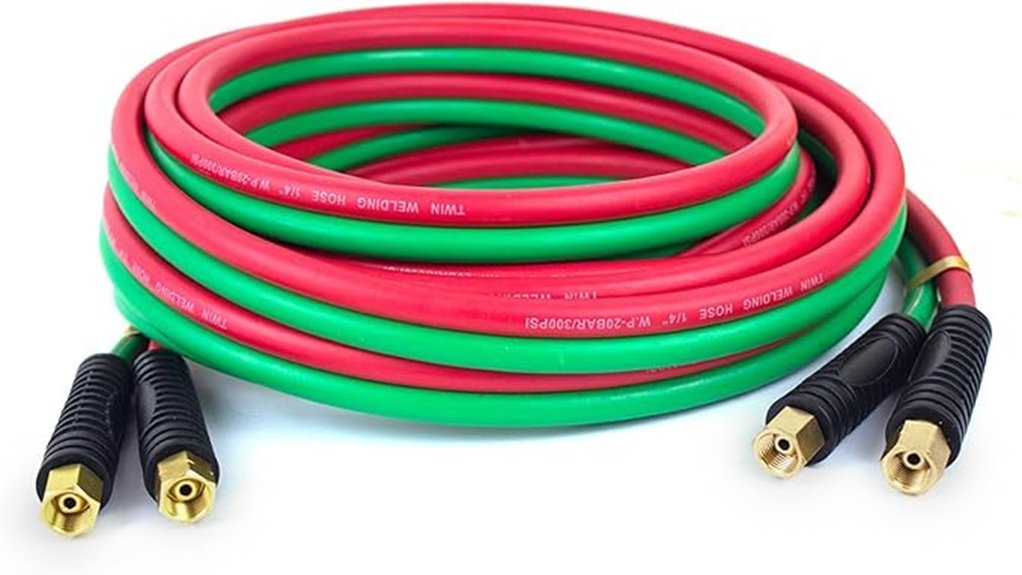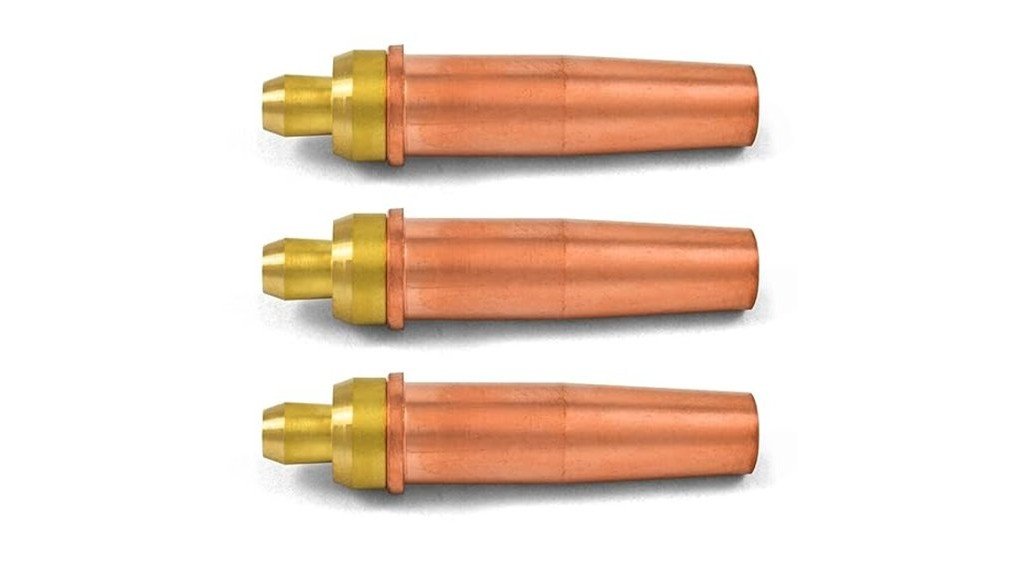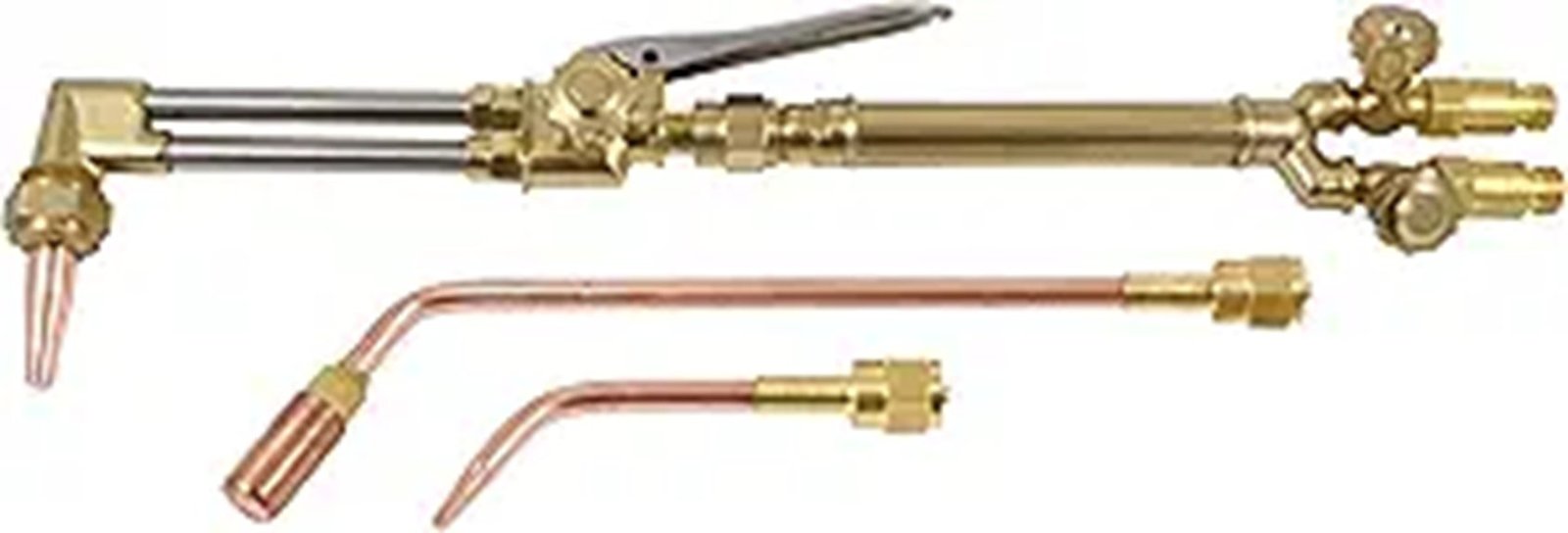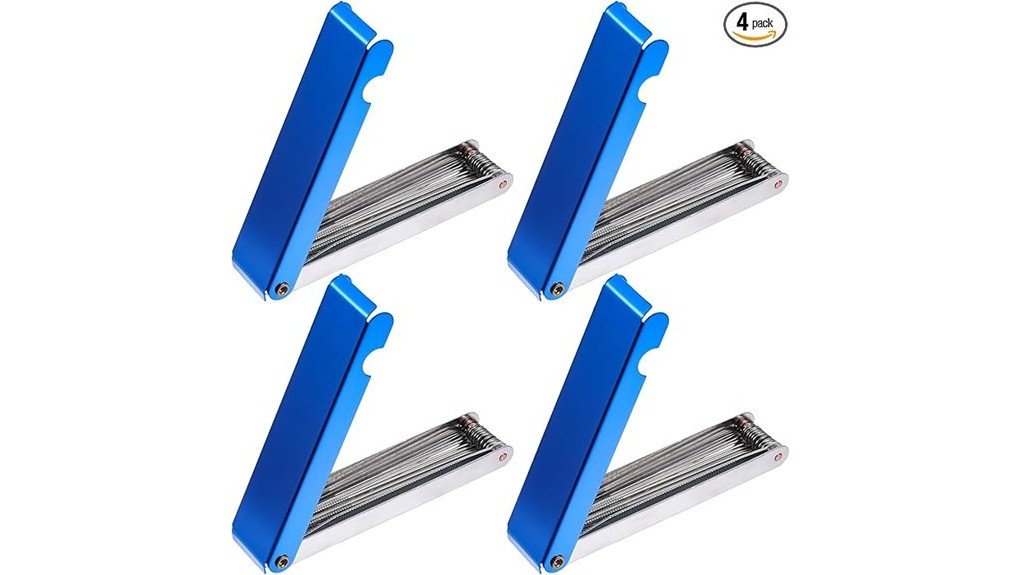
This cutting torch tip cleaner is a 13-wire kit with a small file, meant for clearing carbon and slag from oxy-fuel torch tips and nozzles. In this cutting torch tip cleaner review, based on the Amazon listing, it earns a place in the toolbox of anyone running oxy-acetylene or similar torches, but it will not repair a damaged tip.
Quick specs at a glance
| Item | Per the listing |
|---|---|
| Contents | 13 cleaning wires plus a small file |
| Wire diameters | 0.4 to 1.6 mm (about 0.016 to 0.063 in) |
| Materials | Stainless steel, with nylon parts |
| Weight and size | About 4.2 oz; 7.2 x 5.28 x 1.1 in |
| Best for | Cutting and welding torch tip orifices |
What this cutting torch tip cleaner is and who it suits
Torch tips clog with carbon, slag and metal splatter. A partly blocked orifice gives an uneven flame, a poor cut and sometimes popping or backfires.
This set suits hobbyists and shops that run oxy-fuel cutting tips and heating or welding tips. The multiple wire sizes cover small welding-tip orifices up to larger cutting-tip ports.
How to check it works for your tips
- Find the orifice size of your tip, usually stamped on the tip or in its chart.
- Check that one of the 13 wires is slightly smaller than that hole.
- For very small welding tips, test whether the thinnest wire (0.4 mm) fits at all.
- Confirm you want a cleaner, not a drill-bit style reamer, for your tip type.
The listing mentions engine components. Treat that as secondary, because wire diameter and stiffness matter more than the tool’s name.
How to use a tip cleaner
- Turn off the torch valves and cylinders, bleed the lines per your manual, and let the tip cool.
- Pick a wire that slides in without force.
- Insert it straight and move it in and out with a gentle twisting motion. Do not force or bend it.
- Use the file lightly on the flat tip face if it is rough, keeping the face flat.
- Relight with correct pressures and check that all preheat flames look even.
Pros and limitations
- Pros: Many sizes in one compact kit; stainless wires resist rust; cheap routine maintenance.
- Limitations: It cannot restore a worn, flared or cracked orifice; it does not replace a new tip; very large cutting-tip ports may need a bigger wire than 1.6 mm. Product details are limited to the listing.
Alternatives and related guides
- Pair it with spare tips: Riverweld acetylene cutting tip review.
- Compare other cutting tips in the JZWeld acetylene cutting tips review.
- Keep your torch setup safe: oxygen acetylene cutting torch kit review.
Frequently Asked Questions
Can I use a tip cleaner on MIG contact tips?
It is made for oxy-fuel cutting and welding tip orifices. Clogged MIG contact tips are normally replaced because the bore wears larger, and a cleaning wire does not restore it. Use the cleaner on torch tips and nozzles rather than on contact tips.
How do I choose the right cleaning wire?
Pick the thickest wire that slides into the orifice without force, usually just under its diameter. A wire that is too large widens the hole, and one that is too small leaves carbon behind. This kit lists 13 wires from 0.4 to 1.6 mm.
How often should I clean a cutting tip?
Clean it whenever the flame looks uneven, the preheat flames are different lengths, or the cut gets rough. Many welders also give tips a quick clean before a long job. Replace the tip if cleaning no longer restores a clean flame.
Is it safe to clean a tip while it is hot or connected to gas?
No. Close both torch valves, shut off the cylinders, bleed the hoses per your manual and let the tip cool first. Cleaning a hot tip or one with gas flowing risks burns, backfires and damaged orifices.
Verdict
A simple, low-cost maintenance kit for oxy-fuel tips. Buy it if you run cutting or welding torches, and replace any tip that cleaning cannot fix.