E71T-GS Welding Wire Review
By Garage Welding | Last updated: June 13, 2026
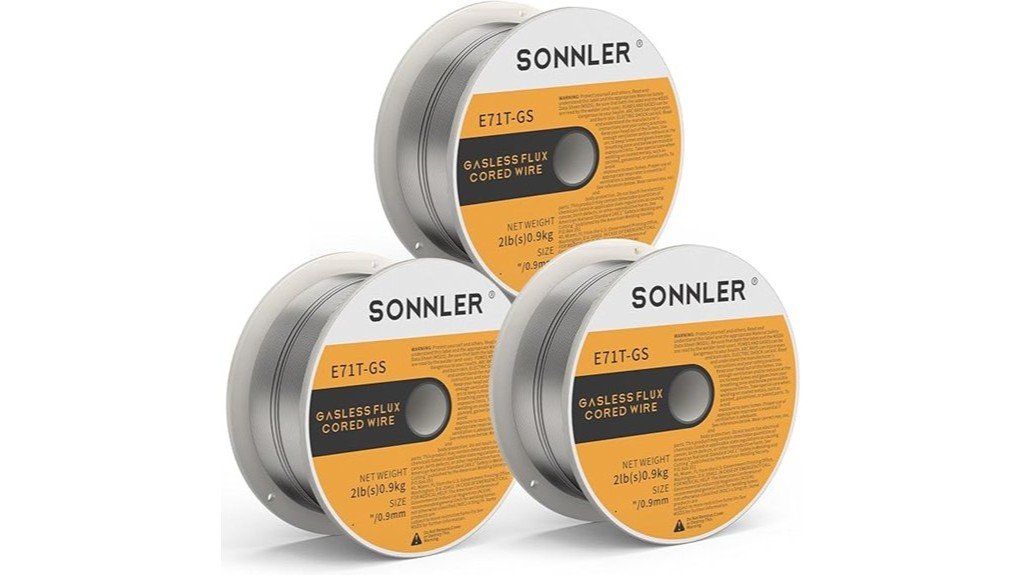
The E71T-GS welding wire is a self-shielded flux-cored wire for mild steel. It is made for welders who want simple setup, decent bead control, and less cleanup than high-spatter wire can require. The supplied product details point to a 0.035-inch, 2-pound spool, so check the current Amazon listing before buying if wire diameter is critical for your machine.
Verdict
This E71T-GS flux-cored wire is best for mild-steel repair, small fabrication jobs, and general home welding where gasless MIG setup is useful. It is a practical choice if your welder supports 0.035-inch flux-core wire and you want a wire focused on low spatter and reliable slag coverage.
Key Specs
| Specification | Detail |
|---|---|
| Product Type | Self-shielded flux-cored welding wire |
| Wire Classification | AWS E71T-GS |
| Wire Diameter | 0.035 inch based on the supplied product details |
| Spool Size | 2 pounds |
| Base Metal | Mild steel |
| Common Joint Types | T-joints, butt welds, and lap welds |
| Packaging | Vacuum-sealed, waterproof, and moisture-resistant packaging according to the supplied article |
What Is This Product?
The E71T-GS welding wire is a gasless flux-cored wire for mild steel. It is designed for MIG welders that can run self-shielded flux-core wire. Because it does not require shielding gas, it can be useful for basic repair work, outdoor jobs, and small shop projects.
The wire is described as producing minimal spatter with good slag coverage. That matters because spatter and poor slag behavior can add grinding, brushing, and cleanup time after the weld.
Who It Is For
This wire is a good fit for beginners, hobby welders, and repair-focused users who want a simple flux-core setup for mild steel. It also makes sense for welders working on common joints such as T-joints, lap welds, and butt welds.
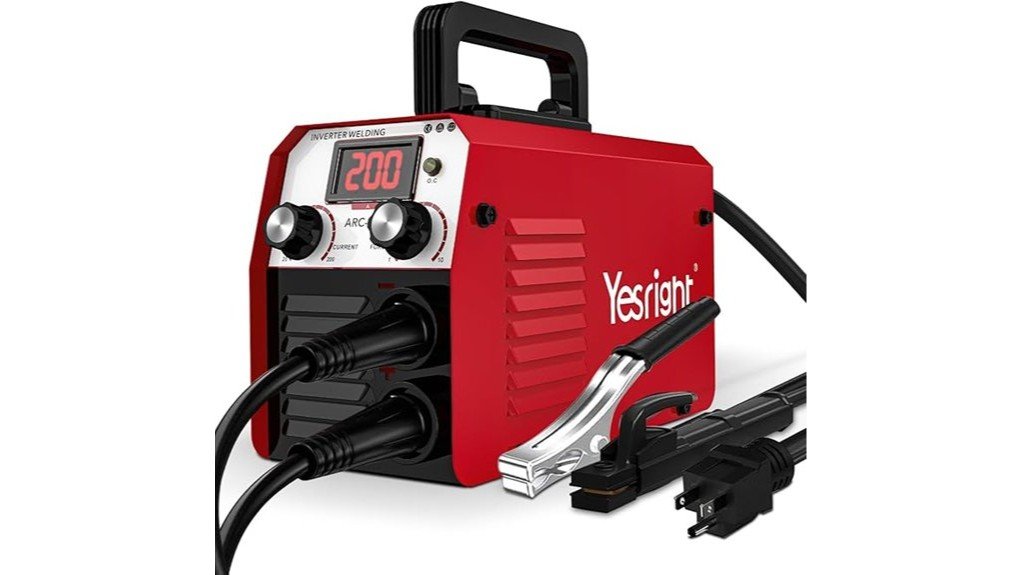
It may also suit users of compatible Harbor Freight, Forney, Lincoln, and similar MIG welders, as long as the machine supports the correct flux-core wire diameter and spool size.
Who Should Skip It
Skip this wire if your welder only supports solid wire with shielding gas, or if your machine is not set up for 0.035-inch flux-core wire. Also skip it if you need a wire for aluminum, stainless steel, cast iron, or code-critical structural work that calls for a specific wire classification and procedure.
If you need exact certification, test data, or application limits, check the current Amazon listing, product label, and welder manual before buying.
Key Features
- Self-shielded flux-core design: The wire is made for gasless welding on mild steel.
- E71T-GS classification: This classification is commonly used for single-pass mild-steel welding and general repair work.
- Low-spatter focus: The supplied article describes the wire as producing minimal spatter, which can reduce cleanup.
- Good slag coverage: Better slag coverage can help protect the weld as it cools and support a cleaner finish.
- Moisture-resistant packaging: The article describes vacuum-sealed, waterproof, and moisture-proof packaging to help protect the wire before use.
Real-World Use
For best results, use this wire on clean mild steel. Remove paint, rust, oil, and heavy mill scale before welding. Flux-core wire can handle less-than-perfect conditions better than some solid-wire setups, but cleaner metal still improves arc stability and weld quality.
The article lists T-joints, butt welds, and lap welds as suitable applications. These are common joint types for small fabrication, brackets, repairs, and general shop work. Match wire speed, voltage, stickout, and travel speed to your welder settings and material thickness.
Packaging and Preservation Features
The supplied product details describe a 2-pound spool with packaging designed to protect the wire from moisture and handling damage. That matters because moisture and rust can affect feed quality and weld consistency.
The packaging is described as vacuum-sealed, waterproof, and compact for easier storage and transport.
- Vacuum-Sealed: Helps protect the wire before opening.
- Waterproof and Moisture-Proof: Helps reduce moisture exposure during storage.
- Compact Design: Makes the spool easier to store and move between jobs.
After opening the package, store the spool in a dry place. Keep it away from damp floors, open rain, and high humidity when possible.
Compatibility and User Experience
The supplied article says this 0.035-inch flux-core wire is compatible with HF, Forney, and Lincoln welders. Treat that as a starting point, not a universal guarantee. Always confirm your machine accepts 0.035-inch flux-core wire and the spool size before ordering.
Users who want less spatter, stable feeding, and simple setup may find this wire useful for everyday mild-steel jobs. Beginners should still practice on scrap metal before welding a project part.
Pros and Cons
Pros
- Self-shielded flux-core wire does not need a separate shielding gas bottle
- Designed for mild steel and common joints such as T-joints, butt welds, and lap welds
- Moisture-resistant packaging can help protect the wire before use
Cons
- The supplied article gives mixed diameter details, so confirm the current listing before buying
- Not meant for aluminum, stainless steel, or other non-mild-steel materials
- Flux-core welding still creates slag, so brushing and cleanup are part of the process
Is It Worth the Price?
This E71T-GS wire is worth considering if you need a simple mild-steel flux-core wire for home repairs, light fabrication, and practice work. Its value depends on whether your welder supports the listed wire size and whether you want the convenience of gasless welding.
Do not choose it only because of low-spatter claims. Choose it because the wire type, diameter, and spool size fit your machine and your project.
Alternatives to Consider
If you want similar options, compare this wire with Forney E71T-GS flux-core wire, Lincoln Electric NR-211-MP, and Blue Demon E71T-GS. These alternatives are mentioned for context only. Check each wire’s diameter, spool size, polarity, and material limits before buying.
Frequently Asked Questions
What Is the Optimal Welding Speed for E71T-GS Wire?
There is no single best travel speed for every job. The right speed depends on your welder settings, wire feed speed, voltage, material thickness, and joint type. Practice on scrap metal and adjust until the bead is consistent with good tie-in.
Can E71T-GS Wire Be Used for Outdoor Welding?
Yes, E71T-GS is a self-shielded flux-core wire, so it is often used where shielding gas would be harder to manage. Wind, dirty metal, and poor fit-up can still affect the weld, so prepare the joint and protect the work area when possible.
How Does Humidity Affect E71T-GS Welding Wire Performance?
Humidity can expose welding wire to moisture, which may affect feeding and weld quality. Keep the spool dry and store it properly after opening.
What Thickness of Metal Is E71T-GS Wire Suitable For?
The supplied article lists mild-steel use and common joints, but it does not provide a verified thickness range. Check your welder manual, the wire label, and the current Amazon listing for the correct material thickness guidance.
Is E71T-GS Wire Safe for Beginners to Use?
Yes, beginners can use E71T-GS wire if they follow basic welding safety rules. Wear a welding helmet, gloves, flame-resistant clothing, and eye protection. Work in a safe area with ventilation and keep flammable items away from the arc.
Final Verdict
The E71T-GS welding wire is a practical choice for mild-steel welding with a gasless MIG setup. It is aimed at users who want simple operation, low spatter, and good slag coverage for common joint types. The main thing to check before buying is compatibility with your welder, especially wire diameter and spool size.