Disclosure: As an Amazon Associate, we earn from qualifying purchases. If you click a link on this page and make a purchase, we may receive a small commission at no extra cost to you.
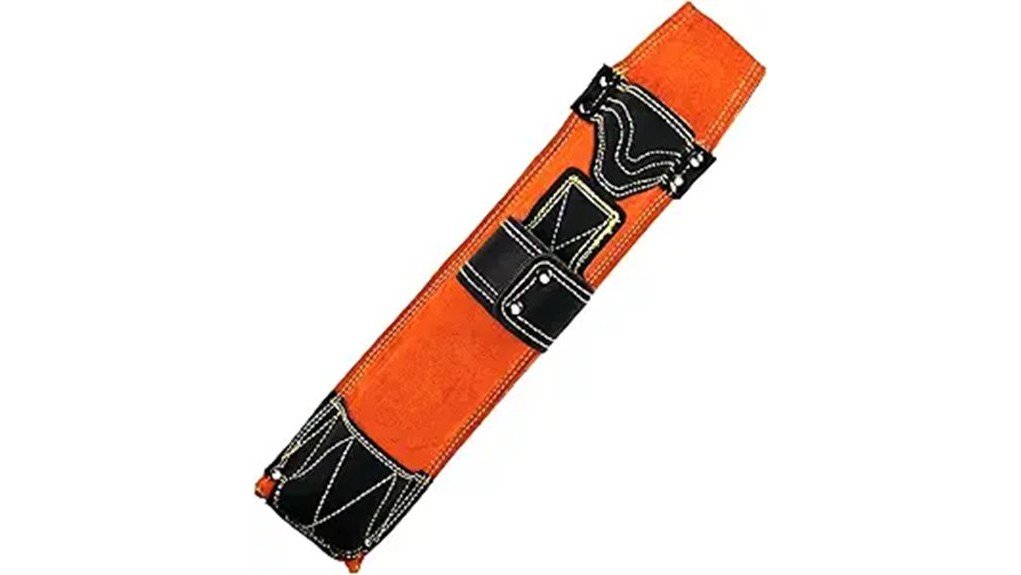
Keeping welding rods close without exposing them to sparks, grime, or shop clutter can make a real difference in your workflow. The Flame-Resistant Electrode Bag is built for welders who want a belt-mounted pouch that holds rods securely while leaving both hands free. This review looks at its rod capacity, leather construction, reinforcement, comfort, and limits so you can decide if it fits your work setup. Its biggest strength is simple access on the job, while its main tradeoff is that it is not a waterproof storage case.
Quick Verdict
Rating: 8.4/10
Best For: Welders who want a compact, belt-mounted electrode pouch for short rods and daily shop or field work.
Bottom Line: This bag is a practical choice if you need quick access to up to 20 pieces of 5/32 welding rods while working. Skip it if you need sealed waterproof storage, a hard rod canister, or confirmed compatibility with larger rod sizes.
| Specification | Detail |
|---|---|
| Product type | Flame-resistant welding electrode bag |
| Design | Soft leather rod pouch with belt attachment |
| Capacity | Holds up to 20 pieces of welding rod |
| Rod compatibility | Designed around 5/32 inch (4.0 mm) rods |
| Supported rod length | 14 inches (350 mm) |
| Material | Double-layer thickened flame-retardant leather |
| Stitching | Kevlar thread stitching |
| Reinforcement | 4 rivets at the opening and 6 rivets at the bottom |
| Attachment | Secures to a waist belt |
| Tool-carrying feature | Front structure can hold tools such as a chipping hammer |
| Approximate weight | About 1.5 pounds |
| Water protection | Moisture resistant, but not fully waterproof |
What Is the Flame-Resistant Electrode Bag?
The Flame-Resistant Electrode Bag is a compact welding rod holder made for carrying electrodes close to your work area. Instead of keeping rods on a bench, in a box, or loose in a pocket, you can attach the bag to your waist belt and reach for rods as needed.
The bag is designed to hold up to 20 pieces of 5/32 inch (4.0 mm) welding rods that measure 14 inches (350 mm) long. Its double-layer thickened flame-retardant leather, Kevlar stitching, and rivet reinforcement are the main construction details that separate it from lighter-duty storage pouches.
It is best viewed as a working pouch, not a sealed storage tube. It helps with access and short-term protection near the job, but it should not replace dry rod storage when moisture control is critical.
Key Takeaways
- The bag holds up to 20 pieces of 5/32 inch welding rod, making it useful for short jobs and daily welding tasks.
- Double-layer thickened flame-retardant leather helps protect the pouch from normal welding shop exposure.
- Kevlar thread stitching and rivets add strength at the stress points.
- The waist-belt attachment keeps rods close without tying up your hands.
- It is moisture resistant, but it is not a true waterproof rod storage solution.
Who Should Buy It?
Best For
- Welders who want quick belt-level access to common 5/32 inch rods.
- Shop and field users who prefer a soft pouch over a rigid rod holder while working.
- Buyers who want reinforced leather construction with Kevlar stitching and rivets.
Skip If
- You need a fully waterproof container for storing electrodes.
- You mainly use rod sizes larger than the stated 5/32 inch fit.
- You want a hard case that protects rods from crushing in a truck or toolbox.
Before You Buy: Check your usual rod size and storage needs first. This pouch is built around 5/32 inch rods and is not a sealed waterproof electrode storage case.
Features and Benefits
Rod Capacity and Fit
The main capacity claim is simple: the bag holds up to 20 pieces of 5/32 inch (4.0 mm) welding rods. That amount is useful when you want enough rods for active work without carrying a bulky container on your belt.
The supported rod length is listed as 14 inches (350 mm). If your rods are longer, shorter, or a different diameter, fit may vary. For the most secure carry, use rods close to the intended size.
Belt-Mounted Access
The waist-belt attachment is one of the most practical parts of the design. It keeps electrodes near your working hand and can reduce trips back to a bench, cart, or toolbox.
This setup helps most when you are moving around a workpiece, climbing between positions, or doing small repair jobs where a full rod container is inconvenient. Since the pouch rides on your belt, comfort depends on your belt setup, rod load, and how you position it while working.
Front Tool-Carrying Structure
The front structure can hold tools such as a chipping hammer. This adds extra value if you like keeping a few basic tools together while welding, cleaning slag, or moving between welds.
Still, avoid overloading the front area. The bag is primarily an electrode pouch, and too much tool weight may make it swing, pull on your belt, or feel awkward during long sessions.
Durability and Construction
The bag uses double-layer thickened flame-retardant leather, which gives it a stronger feel than thin fabric or basic canvas pouches. Leather also makes sense around welding because it can handle typical shop abuse better than many lightweight materials.
The stitching is made with Kevlar thread, a useful detail because stitching is often one of the first failure points on tool pouches. Rivets further reinforce the bag, with 4 at the opening and 6 at the bottom. These reinforcements matter because the opening and bottom carry repeated stress from loading rods, pulling rods out, and wearing the pouch while moving.
The bag weighs about 1.5 pounds, so it should feel manageable for many users before rods and tools are added. Once loaded, the real comfort depends on your belt, the number of rods, and whether you also carry a hammer or other small tool on the front.
Material Safety and Worksite Use
The flame-retardant leather construction helps the pouch stand up to typical welding surroundings, including heat and sparks. That does not mean the bag is fireproof or safe to expose directly to open flame, molten metal, or heavy slag.
You should still use proper welding PPE, safe rod handling, and jobsite procedures. The bag is a carrying accessory, not a substitute for gloves, jacket protection, safe storage, or a controlled work area.
Because the bag is not fully waterproof, keep electrodes in proper dry storage when moisture-sensitive rod handling matters. Use this pouch for access during the job, then return unused rods to the storage method recommended for your electrode type.
Pro Tip: Load only the rods you expect to use during the task, then return extras to proper storage after the job. This keeps the pouch lighter and helps limit unnecessary moisture exposure.
How It Performs in Real Use
For Shop Welding
In a shop, the bag helps when you move between a bench, welding table, and workpiece. It gives you a dedicated place for rods instead of laying them on dirty surfaces or mixing them with small tools.
For Field Repair Work
For field repairs, the belt-mounted design is useful because you may not have a cart or table nearby. Carrying up to 20 rods can be enough for many small repair tasks without bringing a full container to the weld area.
For Position Work
When you are kneeling, standing, or shifting around a workpiece, easy rod access can help your rhythm. The soft leather body may be more comfortable than a rigid holder, but the fit depends on where you wear it and how much weight you add.
For Long-Term Use
The Kevlar stitching and rivet reinforcement are the main reasons this pouch should hold up better than a basic non-reinforced bag. Long-term performance will still depend on care, exposure to moisture, and whether you overload it with tools beyond its intended use.
How to Use It Correctly
- Attach the pouch securely to a sturdy waist belt before adding rods.
- Load rods with the working size in mind, especially 5/32 inch rods listed for this bag.
- Keep the opening clear so rods can slide in and out without snagging.
- Avoid carrying sharp scrap, hot metal, or loose hardware inside the rod compartment.
- Use the front structure for a suitable small tool, but avoid overloading it.
- Store unused electrodes properly after work, especially in damp conditions.
Cleaning and Maintenance
For routine cleaning, wipe the leather with a damp cloth and use mild soap only when needed. Avoid soaking the bag because the article-supported details describe moisture resistance, not waterproof construction.
Let the pouch air dry away from direct heat before storing it. You can also condition leather periodically if it starts to feel dry, but avoid products that could leave the surface oily, slippery, or unsafe around welding work.
Pros and Cons
Pros
- Holds up to 20 pieces of 5/32 inch welding rod for active work.
- Double-layer thickened flame-retardant leather suits welding environments better than thin fabric.
- Kevlar thread stitching adds strength at a common wear point.
- 4 opening rivets and 6 bottom rivets reinforce high-stress areas.
- Waist-belt attachment keeps rods close and leaves your hands free.
Cons
- Not fully waterproof, so it should not replace proper dry rod storage.
- Best fit is for 5/32 inch rods, so other sizes may not sit as securely.
- Soft pouch design does not protect rods from crushing like a hard canister.
User Experience and Convenience
The biggest user-experience benefit is fast access. When the bag is secured to your waist belt, rods are close enough to grab without turning back to your workbench or opening a separate storage box.
It can also reduce clutter at the work area. Instead of placing rods where they can roll, collect dust, or get mixed with tools, you have one dedicated pouch for the rods you plan to use during the job.
The main comfort concern is load management. A 1.5-pound pouch is manageable on its own, but rods and a chipping hammer add weight. If you work for long periods, position the pouch where it does not press into your hip, catch on the workpiece, or pull your belt down.
Is It Worth the Price?
This bag is worth considering if you need a practical welding rod pouch for everyday access rather than long-term sealed storage. Its value comes from the leather build, belt attachment, Kevlar stitching, and rivet reinforcement.
It makes the most sense for welders who regularly carry a small number of electrodes while moving around a work area. You get stronger value from it if you use 5/32 inch rods often and want a pouch that can stay on your belt during active work.
It is not the best fit if you need a hard rod tube, a waterproof case, or verified fit for many different rod sizes. In those cases, a rigid electrode container may be the better tool.
How It Compares to Alternatives
Compared with a rigid plastic rod tube, this leather pouch is easier to wear on your belt and faster to access while working. A tube is usually better for storage and moisture control, while this pouch is better for short-term access during a job.
Compared with a metal rod canister, the Flame-Resistant Electrode Bag is softer and less bulky on your body. The tradeoff is that it does not offer the same crush protection or sealed storage benefits.
Frequently Asked Questions
How many welding rods does the Flame-Resistant Electrode Bag hold?
It holds up to 20 pieces of welding rod. The listed fit is for 5/32 inch (4.0 mm) rods that measure 14 inches (350 mm) long.
Is this electrode bag waterproof?
No. It offers some moisture resistance, but it is not described as fully waterproof. Keep moisture-sensitive rods in proper dry storage when you are not actively using them.
Can it hold different welding rod sizes?
The stated fit is mainly for 5/32 inch rods. Slight size differences may work, but you should not assume the same secure fit for every electrode diameter or length.
How much does the electrode bag weigh?
The bag weighs approximately 1.5 pounds before rods or tools are added. Loaded weight will depend on how many electrodes you carry and whether you attach a tool such as a chipping hammer.
How should you clean the leather material?
Use a damp cloth for basic cleaning and mild soap only when needed. Do not soak the leather, and let it air dry before storing it.
Is there a warranty with the bag?
The original article details do not state a specific warranty. Before buying, check the Amazon listing or seller support section for current warranty and return information.
Who should skip this welding rod bag?
Skip it if you need sealed waterproof storage, crush protection, or broad compatibility with many rod sizes. It is better as an active-use belt pouch than as a long-term electrode storage container.
The Bottom Line
The Flame-Resistant Electrode Bag is a recommended choice with caveats for welders who want a reinforced leather pouch for carrying up to 20 pieces of 5/32 inch rods during active work. Its best strengths are belt-mounted access, double-layer leather, Kevlar stitching, and rivet reinforcement. Skip it if you need a waterproof rod case, a rigid canister, or confirmed fit for larger rod sizes.