Disclosure: As an Amazon Associate, we earn from qualifying purchases. If you click a link on this page and make a purchase, we may receive a small commission at no extra cost to you.
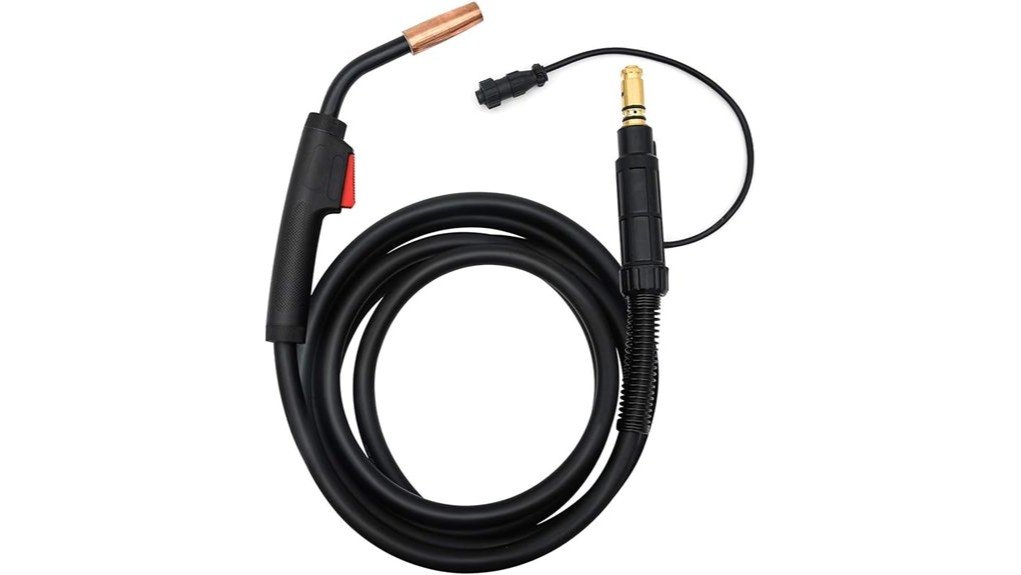
Choosing a MIG welding gun is not only about amperage. You also need to know whether the cable length, wire range, duty cycle, handle shape, and build quality match the kind of work you do most often. The Lincoln Mig Welding Gun is built around a 100A rating, a 40% duty cycle with CO2 gas, and compatibility with 0.024″ to 0.031″ welding wire. That makes it a practical option for lighter home, farm, shop, repair, and autobody tasks, but it is not the best choice for every heavy-duty setup.
This review looks at the specs that matter, how the gun should perform in real use, who should buy it, and where you need to check compatibility before ordering.
Quick Verdict
Rating: Recommended with caveats
Best For: Home, farm, shop, light fabrication, autobody repair, and small maintenance jobs where a 100A MIG gun is enough.
Bottom Line: The Lincoln Mig Welding Gun offers a useful mix of reach, comfort, and supported light-duty performance. The main tradeoff is that you need to confirm welder fit, wire size, and gas setup before buying.
| Specification | Detail |
|---|---|
| Product type | MIG welding gun |
| Rated amperage | 100A |
| Duty cycle | 40% when using CO2 gas |
| Supported wire diameter | 0.024″ to 0.031″ |
| Cable length | 10 feet |
| Handle design | Ergonomic curved handle with a lightweight, balanced feel |
| Jacket | Abrasion-resistant rubber jacket |
| Build notes | High heat-resistant materials and flexible neck design |
| Best use | Home repairs, farm maintenance, shop work, autobody tasks, and light fabrication |
| Safety note | Confirm welder compatibility, wire size, gas setup, and required protective gear before use. |
What Is the Lincoln Mig Welding Gun?
The Lincoln Mig Welding Gun is a 100A MIG welding gun designed for common repair and fabrication tasks in home, farm, and shop settings. It supports welding wire diameters from 0.024″ to 0.031″, giving you enough range for many lighter MIG welding jobs.
The main appeal is its balance of reach and control. The 10-foot cable gives you more room to move around a workpiece, while the ergonomic handle helps reduce hand fatigue when you are making repeated passes or working around awkward angles.
It also uses high heat-resistant materials, an abrasion-resistant rubber jacket, and a flexible neck design. Those details matter because a MIG gun often gets pulled, turned, rested near hot metal, and used in tight positions during real repair work.
Who Should Buy It?
Best For
- You need a 100A MIG gun for lighter home, farm, or shop welding tasks.
- You work with 0.024″ to 0.031″ welding wire and want a gun with a 10-foot cable.
- You do autobody repair, light maintenance, small fabrication, or general repair work.
Skip If
- You need a higher-amperage gun for heavier welding work.
- Your welder requires a different connector, trigger plug, liner setup, or wire range.
- You want verified package contents or model-specific compatibility before ordering.
Before You Buy: Do not buy by name alone. Match the gun to your welder connection, wire diameter, amperage needs, and gas setup before you order.
Performance Specifications and Ratings
The strongest article-supported performance detail is the 100A rated amperage. For many home and repair tasks, that rating makes sense because you are usually working on smaller metal projects rather than long industrial welds.
The listed 40% duty cycle with CO2 gas is also important. In practical terms, it means the gun is meant to work in cycles rather than run nonstop under demanding conditions. If you are welding for longer sessions, you should plan natural pauses and stay within the limits of both the gun and your welder.
The supported wire range of 0.024″ to 0.031″ gives the gun useful flexibility for smaller MIG work. That range can suit light repair and autobody tasks where control and a clean bead are often more important than maximum output.
Design and Build Quality
The ergonomic handle is one of the more useful design points. A curved, balanced grip helps when you are guiding the torch along a seam, holding position near a panel, or working for longer periods in a small shop.
The gun also uses high heat-resistant materials. That does not mean you can ignore duty cycle limits, but it does help the tool handle the heat exposure that comes with MIG welding.
The abrasion-resistant rubber jacket adds another practical benefit. Welding areas often include sharp edges, metal benches, clamps, cords, and rough floors. A tougher jacket helps protect the cable during normal shop use.
Fit and Compatibility
Compatibility is the area where you should be most careful. The article supports a wire diameter range of 0.024″ to 0.031″, but it does not verify every welder model, connector style, trigger plug, liner type, or package configuration.
Before buying, compare your current gun and welder manual against the product details on Amazon. Check the connector, wire size, gas setup, and cable length. If one of those details does not match, the gun may not install correctly or feed wire smoothly.
Pro Tip: Before your first project, run a short test bead on scrap metal using the same wire and gas setup you plan to use. This helps you catch feed, contact tip, or setup issues before the real repair.
Applications and Use Cases
The Lincoln Mig Welding Gun is best suited for lighter welding work where reach, control, and comfort matter. The 10-foot cable helps when you need to move around a table, vehicle panel, gate, small trailer, bracket, or farm repair without constantly repositioning the welder.
For autobody work, the flexible neck design can help you reach tighter areas and maintain a steadier torch angle. For home and shop repairs, the 100A rating and supported wire range make it a practical match for many small fabrication tasks.
For heavy fabrication, thick material, or long high-output welds, you may want a higher-amperage MIG gun. This tool makes the most sense when your work stays within the lighter-duty range that the article-supported specs describe.
How It Performs in Real Use
For Home Repairs
For small repairs around the garage or workshop, the 100A rating gives you enough capability for many common MIG tasks. The ergonomic handle and 10-foot cable help you work around benches, clamps, and awkward work angles with less repositioning.
For Farm and Shop Maintenance
Farm and shop work can involve gates, brackets, carts, guards, and other repair pieces that are not always located in a perfect welding position. The flexible neck and longer cable can make those jobs easier to reach, but you still need to stay within the gun’s duty cycle and your welder’s limits.
For Autobody Work
Autobody tasks often need careful control more than raw power. The supported 0.024″ to 0.031″ wire range and lightweight feel can help when you are working around panels or smaller repair areas. You should still confirm that your welder settings, wire, and gas setup are correct for the metal you are welding.
For Longer Sessions
The 40% duty cycle with CO2 means this gun is not designed for nonstop welding at its rated output. For longer sessions, use planned pauses, inspect the gun for heat buildup, and follow the limits in your welder manual.
Setup Tips Before First Use
Start by confirming the wire diameter. This gun supports 0.024″ to 0.031″, so your wire, contact tip, liner, and drive-roll setup should match that range.
Next, check the gas setup. The article-supported duty cycle is listed with CO2 gas. If you plan to use a different shielding gas, confirm that your welder setup and welding process are suitable before starting.
Finally, inspect the gun before every use. Look at the nozzle, contact tip, neck, jacket, and connections. A clean nozzle and secure connection can improve arc stability and reduce avoidable problems during a weld.
Maintenance and Safety Notes
Regular cleaning helps keep the gun working properly. Remove spatter from the nozzle, check the contact tip for wear, and make sure the connections are secure. If the wire feed feels rough or inconsistent, stop and inspect the setup before continuing.
Welding safety also matters with any MIG gun. Wear a welding helmet, gloves, and flame-resistant clothing. Work in a suitable area, protect nearby surfaces from sparks, and follow the safety instructions for your welder and consumables.
The flexible neck can help with access, but you should avoid forcing it into extreme positions. Rough handling can shorten the life of the neck, cable, or jacket.
Pros and Cons
Pros
- 100A rating fits many lighter home, farm, shop, and repair tasks.
- 40% duty cycle with CO2 supports practical work sessions when used within limits.
- 0.024″ to 0.031″ wire range gives you flexibility for smaller MIG jobs.
- 10-foot cable provides helpful reach around benches, vehicles, and workpieces.
- Ergonomic handle, heat-resistant materials, rubber jacket, and flexible neck improve control and durability.
Cons
- Not ideal if you need higher amperage for heavier fabrication.
- Compatibility must be checked before buying because the article does not verify every welder model.
- Longer welding sessions require attention to duty cycle and heat buildup.
Is It Worth the Price?
The Lincoln Mig Welding Gun is worth considering if you need a practical replacement or work gun for lighter MIG tasks and the supported specs match your setup. The value comes from the combination of a 100A rating, 10-foot reach, ergonomic handle, flexible neck, and abrasion-resistant jacket.
It is a smart buy for everyday use if your welding work includes small repairs, autobody tasks, shop maintenance, and light fabrication. You get the most value when you already know your welder is compatible and you work within the supported wire range.
It is not the best fit if you need a higher-output gun, verified model-specific compatibility, or a tool for heavy continuous welding. In that case, compare a higher-amperage MIG gun before you decide.
How It Compares to Alternatives
Compared with heavier 150A or 200A MIG guns, this 100A option is better suited to lighter repair work and smaller welders. A higher-amperage gun may be better for thick material or longer high-output sessions, but it may also be heavier and less comfortable for small jobs.
Compared with a shorter replacement gun, the 10-foot cable gives you more movement around the workpiece. The Lincoln Mig Welding Gun makes the most sense if you want reach, control, and light-duty usability rather than maximum welding capacity.
Frequently Asked Questions
What wire sizes work with the Lincoln Mig Welding Gun?
The article-supported wire range is 0.024″ to 0.031″. Before use, make sure your wire, contact tip, liner, and welder drive setup match the wire size you plan to run.
Is this MIG gun good for beginners?
It can be beginner-friendly for lighter projects because it has an ergonomic handle, a 10-foot cable, and a manageable 100A rating. New users should practice on scrap metal first and follow the welder manual for setup and safety.
Does it fit every Lincoln welder?
Do not assume universal fit. Check your welder connection, trigger plug, liner setup, and supported wire diameter before ordering.
Can this gun be used with gases other than CO2?
The article-supported duty cycle is stated with CO2 gas. If you plan to use another shielding gas, confirm the correct setup through your welder manual and the product listing before welding.
How should you maintain the welding gun?
Clean the nozzle, inspect the contact tip, check the cable jacket, and make sure the connections are secure. Regular inspection helps prevent poor wire feeding, unstable arcs, and avoidable wear.
Is the 10-foot cable useful?
Yes, the 10-foot cable gives you more reach around a bench, vehicle panel, farm repair, or shop project. It can reduce how often you need to move the welder, especially during awkward repairs.
What safety gear should you use with this gun?
Use a welding helmet, welding gloves, and flame-resistant clothing. You should also protect nearby surfaces from sparks and follow the safety directions for your welder, wire, and gas setup.
Who should skip this MIG gun?
Skip it if you need a higher-amperage gun, confirmed model-specific compatibility, or a setup for heavy continuous fabrication. It is better matched to lighter repair and shop use.
The Bottom Line
The Lincoln Mig Welding Gun is a practical choice if you need a 100A MIG gun with a 10-foot cable, ergonomic handling, a flexible neck, and support for 0.024″ to 0.031″ wire. It is best for lighter home, farm, shop, repair, and autobody work, but you should skip it if you need higher amperage or cannot confirm compatibility with your welder.