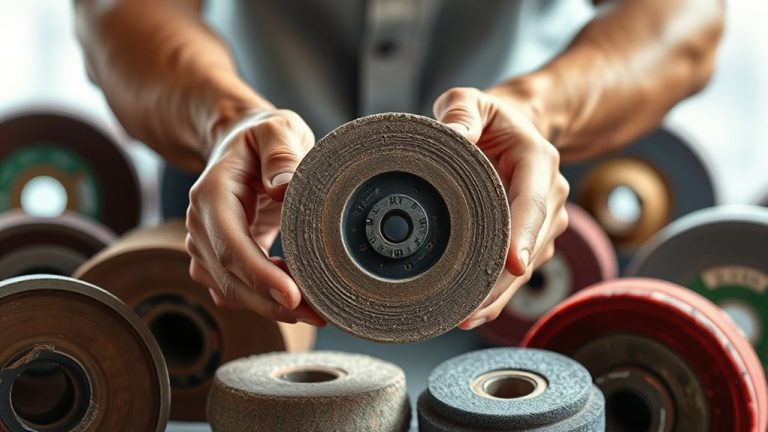
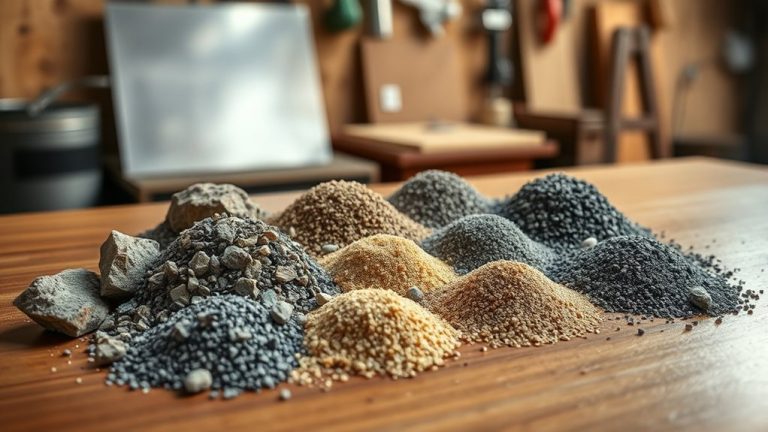
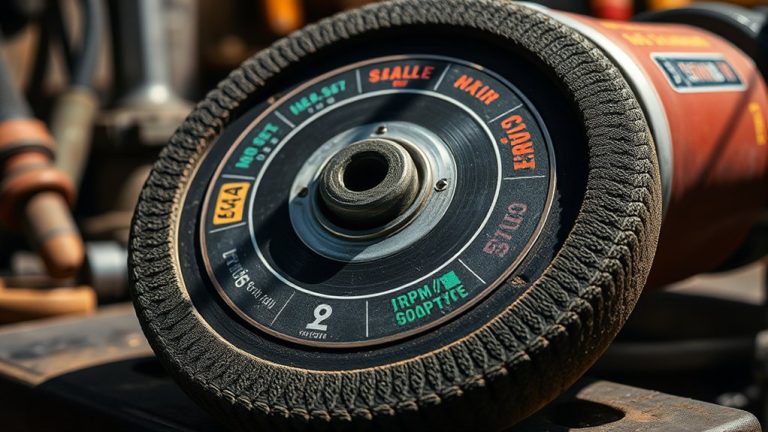
Flap disc grit numbers are essential for choosing the right abrasive for your tasks. Coarse grits (24-60) are great for heavy material removal, while medium grits (80-120) balance blending and light grinding. Fine grits (150-240) are perfect for finishing, creating smooth surfaces. Always match the grit size to the material for the best results. Understanding these nuances can help you avoid mistakes that damage your work. If you’re curious about optimizing your flap disc use, there’s more to explore.
Understanding Flap Disc Grit Numbers
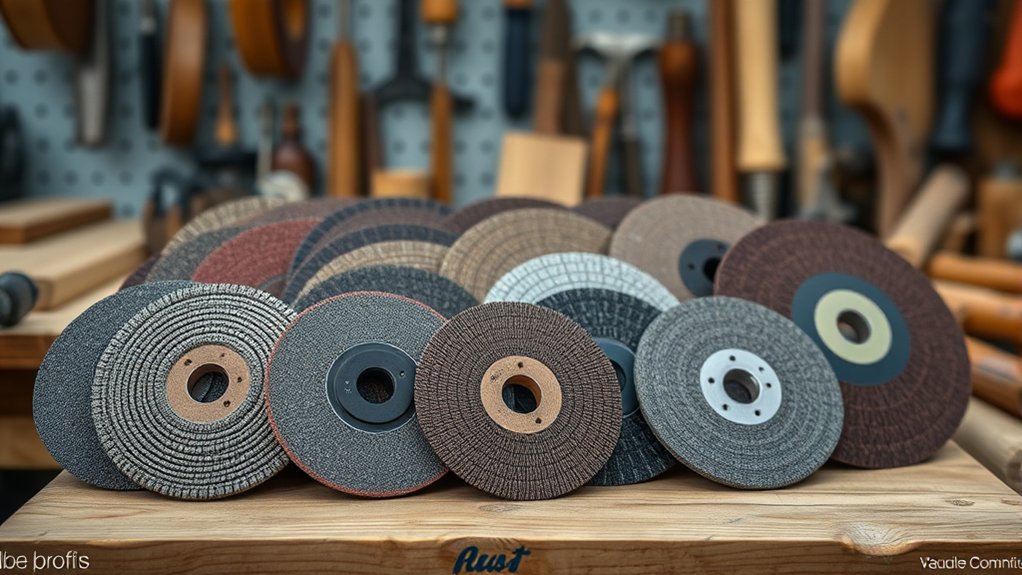
When it comes to flap discs, understanding grit numbers is essential for achieving the desired results in your projects. Grit sizes indicate the size of abrasive particles, with lower numbers, like 24-60, representing coarse grits perfect for heavy material removal. These are ideal for aggressive stock removal on hard materials. On the other hand, medium grits (80-120) offer a balance between removal and surface smoothness, making them versatile for various applications. For finishing and polishing, fine grits (240 and above) are your go-to, ensuring high-quality results.
Selecting the right grit size based on the materials you’re working with and the finish you want is vital. Using an inappropriate grit can lead to deep scratches or inadequate removal, hindering your project’s success. By grasping these grit categories—coarse, medium, and fine—you can liberate your efficiency and achieve the perfect surface finish every time.
The Importance of Grit Size in Flap Discs
Grit size plays a significant role in the performance of flap discs, affecting both the speed of material removal and the quality of the finish. When you select the right grit, you can optimize your work for either aggressive grinding or fine finishing. Understanding these grit distinctions helps you avoid costly errors and achieve the desired results efficiently.
Grit Size Impact
Choosing the right grit size for flap discs is essential to achieving ideal results in your projects. Coarse grit, with numbers ranging from 24 to 60, uses larger abrasive particles for aggressive stock removal on tough materials, perfect for weld grinding and deburring. Medium grit, typically between 60-80, strikes a balance, blending surfaces and preparing them for paint while ensuring smoothness. Fine grit, numbered 150-240, focuses on polishing and achieving a high-quality surface finish, suitable for delicate applications. Understanding grit size’s impact helps you avoid deep scratches from using coarse grit on finishing tasks or inadequate material removal with too fine a grit. Consult the grit chart to make informed choices for your specific needs.
Selecting Appropriate Grit
Selecting the right grit size in flap discs can greatly affect your project’s outcome. Coarser grits, typically ranging from 36 to 40, excel in heavy stock removal, making them ideal for tough materials like stainless steel. When you need a smoother finish, fine grits (80-120) come into play, providing optimal results for softer metals and wood. It’s essential to take into account the task at hand; for edge beveling and weld grinding, grits between 40 and 60 offer the best balance. Remember, abrasive particles in the grit size directly impact surface finish quality. By consulting grit charts or manufacturers, you can guarantee you’re selecting the right grit, leading to a successful and liberating project experience.
Flap Disc Grit Chart Explained
Understanding the flap disc grit chart is essential for selecting the right abrasive for your project. Each grit size category serves specific material removal applications and finishing techniques, ensuring you achieve ideal results. By recognizing how grit sizes impact performance, you can make informed choices for everything from heavy stock removal to delicate surface finishing.
Grit Size Categories
When it comes to flap discs, the grit size categories play an essential role in your project’s success, as they determine how effectively you’ll be able to remove material or achieve a desired finish. Coarser grits, ranging from 24 to 60, excel in aggressive material removal, making them ideal for heavy stock tasks. Medium grits (80-120) offer versatility, perfect for blending and light grinding. If you’re after smooth finishes, fine grit flap discs (150-240) are your go-to. For ultra-smooth surfaces, very fine grits (320 and above) prepare your material for painting. Understanding these grit size categories guarantees you select the right flap disc, leading to peak performance and the results you desire without unnecessary scratches.
Material Removal Applications
To achieve ideal results in material removal applications, knowing how to match flap disc grit sizes with your specific tasks is essential. Coarse grit discs (36-40 grit sizes) excel in heavy material and aggressive stock removal, making them perfect for hard metals. If you’re blending or grinding welds, medium grit discs (60-80 grit sizes) strike a balance between effective material removal and an acceptable surface finish. For cleaning tasks, fine grit discs (120-180 grit sizes) deliver smoother surfaces without deep scratches. When it comes to polishing and preparing surfaces for painting, very fine grit discs (240 and above) provide high-quality finishes. Selecting the appropriate grit size based on material type and desired outcome is vital for efficiency and ideal results.
Finishing Techniques Overview
Selecting the right flap disc grit size not only influences material removal but also determines the quality of the finishing process. For finishing tasks, you’ll choose finer grits (80-120) to achieve a smooth surface finish. These fine grits, composed of smaller abrasive particles, excel at polishing and preparing surfaces for paint, minimizing deep scratches. If you’re blending or tackling welds, medium grits (60-80) offer a balanced approach, while coarse grits (24-60) are perfect for aggressive material removal on hard metals. Understanding grit size helps optimize your performance during cleaning and finishing, ensuring you get the best results for delicate applications. By selecting the appropriate grit, you prolong the lifespan of your flap discs and enhance your overall project quality.
How to Select Grit Size for Material Removal?
Choosing the right grit size for material removal is essential for achieving the desired results in your project. Understanding the grit chart can help you make informed choices based on your specific needs. Here are some guidelines to take into account:
- For heavy material removal, opt for coarser grits (24-60) to grind through tough surfaces like stainless steel.
- Use medium grit sizes (80-120) for a balance between stock removal and surface finishing, ideal for blending surfaces.
- For polishing and finishing applications, select finer grits (150-240) that deliver smooth results on softer metals and wood.
- Very fine grits (320 and above) are perfect for ultra-smooth finishes, prepping surfaces for painting.
Always choose a grit size based on the material you’re working with. Coarser grits handle harder materials, while finer grits cater to softer materials and delicate applications, ensuring effective material removal without damage.
Optimal Grit Sizes for Blending and Finishing
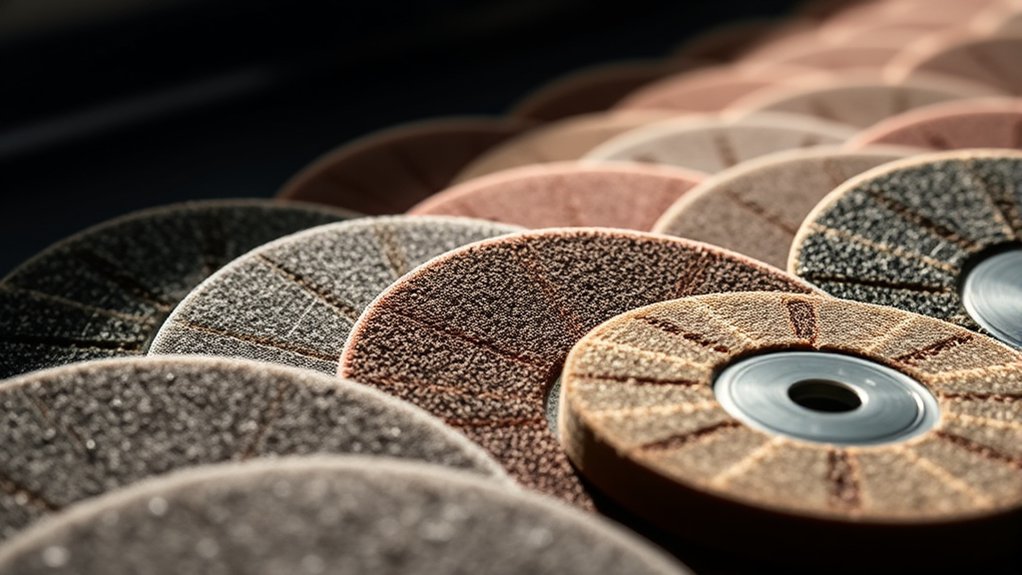
When you’re aiming for ideal blending and finishing, the right grit size can make all the difference in achieving a smooth, polished surface. For these tasks, grit sizes typically range from 60 to 120. Coarser grits, like 60, are effective for weld grinding and initial blending, allowing for some material removal. As you progress, using grit sizes from 80 to 120 becomes essential for soft metals, wood, and composites, enhancing surface preparation for painting or coating.
For delicate finishing applications, a finer grit, such as 120 or above, yields a high-quality, mirror-like finish. Gradually shifting from coarser to finer grit guarantees an even surface without deep scratches, critical for that polished appearance. Remember, selecting the appropriate grit size based on the material type and desired finish is significant; using too coarse a grit can damage softer materials or leave undesirable marks.
Avoid These Mistakes When Picking Grit Sizes
Many mistakes can derail your sanding efforts, especially if you overlook the importance of grit size selection. To achieve the best results, keep these common pitfalls in mind:
- Skipping grit sizes can leave deep scratches and an uneven surface.
- Using the wrong sandpaper type might damage your material and lead to ineffective sanding.
- Over-sanding can alter your project’s shape or finish, so monitor the sanding process closely.
- Failing to clean between grit changes can leave debris that scratches the surface.
How Grit Size Affects Surface Quality
Understanding how grit size affects surface quality is essential for achieving ideal results in your sanding projects. Lower grit numbers, like 24-60, are perfect for aggressive material removal, but they often leave rough finishes that may not be suitable for all applications. Coarse grit flap discs, such as those rated 36-40, excel at heavy stock removal but can create deep scratches. On the other hand, medium grit sizes (60-80) strike a balance between material removal and surface refinement, making them versatile for tasks like weld grinding. If you aim for a smoother surface, higher grit numbers (80-120) are your best bet, especially for finishing applications. For the finest finishes, fine grits (150-240) prepare surfaces for painting or polishing, ensuring a sleek texture. Choosing the right grit size is vital for optimizing surface quality based on the material you’re working with, so make your selection wisely.
Matching Grit Sizes to Different Materials
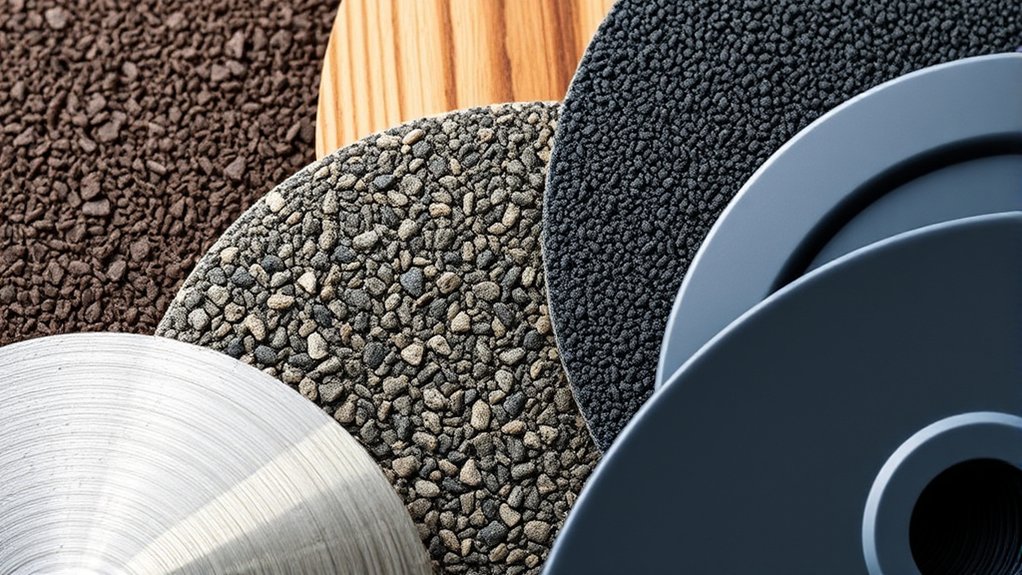
Selecting the right grit size for your flap discs is essential, as it directly influences the effectiveness of your work on various materials. Matching the grit to the material type guarantees peak performance and prevents damage. Here’s a quick guide:
- Coarse grit (24-60 grit): Perfect for heavy material removal on hard metals like stainless steel.
- Medium grit (80-120 grit): Ideal for blending, deburring, and prepping materials such as aluminum and mild steel.
- Fine grit (150-240 grit): Best for finishing and polishing softer metals, wood, and composites to achieve smooth finishes.
- Very fine grit (320 grit and above): Excellent for preparing surfaces for painting, guaranteeing ultra-smooth finishes in delicate applications.
Tips for Transitioning Between Grit Sizes
When shifting between grit sizes, it’s essential to move gradually to prevent deep scratches. Always clean your workpiece between grits to eliminate debris that could mar the surface during your next sanding step. This attention to detail guarantees a smoother, more uniform finish.
Gradual Grit Progression
As you work through various sanding projects, shifting between grit sizes is essential for achieving a smooth, professional finish. Gradual grit progression helps you shift effectively from coarse grit to fine grits, ensuring peak results. Here are some tips to keep in mind:
- Start with coarse grit (36-60) for heavy material removal.
- Move to medium grit (80-120) for initial smoothing.
- Finish with fine grits (150-240) for precise smoothing and finishing.
- Always use at least two grit sizes before moving to a finer grit.
Clean Between Grits
After you’ve moved through the initial sanding stages with various grit sizes, it’s time to focus on maintaining the quality of your finish by cleaning between grit changes. To guarantee a smooth shift, always clean between grits to remove debris that can prevent scratches on your workpiece. Use a soft brush or compressed air to eliminate any dust or particles before moving to a finer grit. Not doing so could lead to deep scratches, extending your project time considerably. Implement a systematic approach by organizing your sanding process; each grit step should be followed by a cleaning stage. Regularly inspect for visible debris to maintain a consistent finish, making your efforts more efficient and rewarding.
Conclusion: Maximizing Your Flap Disc Efficiency
To maximize your flap disc efficiency, it’s essential to choose the right grit size tailored to your specific application. Coarse grits (36-60) are perfect for heavy stock removal, while finer grits (80-120) excel in finishing and polishing tasks. Here are some key considerations to enhance your results:
Maximize flap disc efficiency by selecting the right grit size for your application—coarse for removal, fine for finishing.
- Opt for high-density flap discs for up to 40% longer life, ensuring cost-effectiveness in demanding jobs.
- Select the appropriate abrasive materials, like ceramic alumina for hard metals and aluminum oxide for steel, to improve effectiveness.
- Use flat flap discs for shallow angles and conical shapes for aggressive stock removal to optimize grinding performance.
- Regularly assess and maintain your discs, cleaning them between grit changes to preserve their effectiveness and protect your workpieces.
Frequently Asked Questions
What Is the Grit Range for Flap Discs?
Flap discs range from 24 to 120 grit. You’ll need to analyze grit types for performance, considering applications, longevity, cost differences, and material compatibility to select the appropriate grit for ideal results and surface impact.
What Is the Difference Between 40 Grit and 60 Grit Flap Discs?
The difference between 40 grit and 60 grit flap discs lies in their applications; 40 grit excels in aggressive material removal, while 60 grit offers a smoother surface finish, enhancing durability and operator safety during use.
What Do Grit Numbers Mean?
Grit numbers indicate particle size, influencing grinding speed, user experience, and surface finishes. Choosing the right grit type guarantees material compatibility, enhances disc lifespan, meets project requirements, and prioritizes safety considerations during disc applications.
What Grit Flap Disc Should I Use?
For your flap disc applications, choose a grit based on the task: coarse for heavy grinding, medium for beveling, and fine for polishing. Always consider materials, durability, and disc size for ideal surface preparation.
Conclusion
To sum up, when you grasp the nuances of flap disc grit sizes, you can truly maximize your efficiency and results. By selecting the right grit for your specific needs, you’ll not only enhance material removal but also achieve superior surface quality. Remember, it’s often the little things that make the biggest difference. So, keep this grit guide close at hand, and you’ll be well-equipped to tackle any project with confidence and precision.