Disclosure: As an Amazon Associate, we earn from qualifying purchases. If you click a link on this page and make a purchase, we may receive a small commission at no extra cost to you.
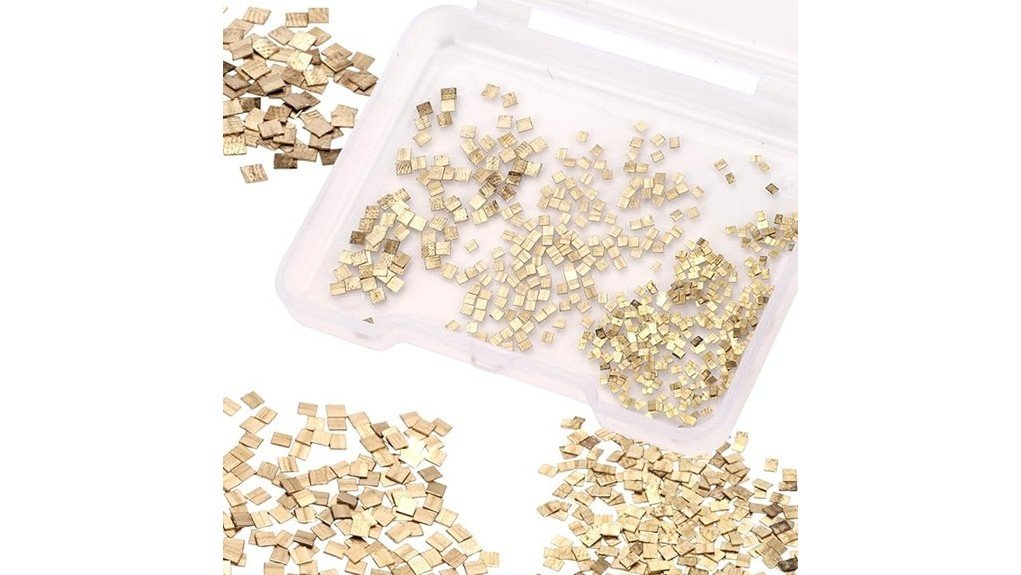
Small soldering repairs can get messy fast when the solder pieces are too large, hard to place, or slow to flow. The BOXOB 0.5 Gram (0.32DWT) Gilded Alloy Solder is made for small jewelry repairs and craft work where you need tiny precut chips instead of cutting solder by hand. This review will help you decide if its 1.5×1.5mm chip size and 1325°F (730°C) melting point fit your workbench. It is convenient for precise placement, but you should not treat it as verified solid 14K gold solder unless the seller listing clearly confirms that exact material before purchase.
Quick Verdict
Rating: Recommended with caveats
Best For: hobby jewelry repairs, small decorative soldering tasks, and users who want precut chip solder for controlled placement.
Bottom Line: This solder makes sense if you want tiny, easy-to-place chips for rings, necklaces, small craft repairs, and similar detail work. The main tradeoff is material clarity, since the live listing describes it as gilded alloy or gold-plated alloy rather than clearly verified solid 14K gold solder.
| Specification | Detail |
|---|---|
| Brand | BOXOB |
| Model | B22610 |
| Part Number | 1056982 |
| Product Type | Precut chip solder for jewelry making, repair, and small DIY tasks |
| Package Amount | 0.5 gram (0.32DWT) |
| Chip Size | 1.5×1.5mm |
| Listed Melting Point | 1325°F (730°C) |
| Listed Material | Metal, described by the listing as gilded alloy or gold-plated alloy |
| Color | Gold |
| Listed Product Dimensions | 2.68 x 2.05 x 0.47 inches |
| Listed Item Weight | 0.317 ounces |
| Best Use | Small jewelry repairs, rings, necklaces, DIY crafts, and carefully matched detail work |
| Return Note | Listed with Amazon 30-day refund or replacement terms, subject to Amazon’s policy and seller conditions |
Key Takeaways
- The BOXOB solder comes in a 0.5 gram package with tiny 1.5×1.5mm chips, which helps with precise placement on small joints.
- The listed melting point is 1325°F (730°C), so you need suitable jewelry soldering tools, heat control, flux, and a fire-safe work surface.
- It is best suited for small jewelry repairs, necklaces, rings, craft projects, and similar fine-detail work.
- The live listing describes the material as gilded alloy or gold-plated alloy, so verify the exact material before using it on valuable 14K pieces.
- It is not the best choice for structural industrial joints, high-stress repairs, or projects where exact karat matching is required.
What Is the BOXOB 0.5 Gram Gilded Alloy Solder?
The BOXOB 0.5 Gram (0.32DWT) Gilded Alloy Solder is a small package of precut chip solder for detail work. Each chip is listed at 1.5×1.5mm, which gives you a small starting point for placing solder on jump rings, chain links, small necklace repairs, and decorative craft joints.
The main benefit is control. You do not have to cut a larger solder sheet or wire into tiny pieces before every repair, so setup feels easier for hobby users. The chips can also help you reduce waste because you can place a small amount near the joint instead of flooding the area with too much solder.
The key limitation is material clarity. Although the original article referred to 14K gold solder, the live product title and description use gilded alloy or gold-plated alloy wording. For costume jewelry, practice pieces, and non-critical craft work, that may still be useful. For high-value gold repairs, you should confirm the exact alloy and karat match or ask a professional jeweler.
Who Should Buy It?
Best For
- Hobby jewelry makers who need small solder chips for rings, chains, and decorative repairs.
- Beginners practicing solder placement on small metal joints before moving to more expensive materials.
- DIY users who want a compact solder option for light craft and small repair tasks.
Skip If
- You need verified solid 14K plumb solder for valuable gold jewelry repairs.
- You want a large quantity of solder for frequent bench work or production use.
- You do not have tools that can safely reach and control the listed 1325°F melting point.
Feature-by-Feature Review
Precision Sizing and Placement
The 1.5×1.5mm chip size is the most useful feature for small repairs. Tiny chips are easier to place near a joint with tweezers, especially when you work on thin chain links, jump rings, small bezels, or narrow decorative seams.
This size also helps you control the amount of solder you use. Too much solder can create lumps, rough edges, and extra cleanup. A small chip lets you start with less material and add more only when your project needs it.
Melting Point and Flow
The listed melting point is 1325°F (730°C). That temperature is lower than many hard jewelry soldering tasks, but it still requires careful heat control. A basic low-power electronics soldering iron may not be enough for this type of work.
For jewelry repairs, you will usually need flux, a suitable torch or jewelry soldering setup, tweezers, and a heat-safe soldering surface. The seller also recommends adjusting your torch for better results, so this product rewards controlled technique rather than brute heat.
Material and Finish
The product is listed as gold-colored metal and described as gilded alloy or gold-plated alloy. That makes it better for projects where appearance and small-joint control matter, but it creates a concern for buyers expecting verified solid 14K gold solder.
If you repair costume jewelry, practice pieces, or non-critical decorative items, this may be acceptable. If you repair a real 14K gold ring, heirloom, or piece that needs karat-matched solder, verify the material with the seller first or choose a clearly labeled plumb gold solder from a jewelry supplier.
Before You Buy: Do not assume this is verified solid 14K gold solder based only on older article wording. Check the live seller title, product description, and material details before using it on valuable gold jewelry.
Package Size and Value for Small Jobs
The 0.5 gram package is small by design. It makes sense when you only need a compact amount for occasional repairs, practice, or a few craft projects. It does not make sense if you solder often and need bulk material for regular bench work.
The small package also helps beginners avoid buying more solder than they need. If you only repair one chain, a ring accent, or a decorative joint, a compact pack can be easier to justify than a larger sheet or spool.
How It Performs in Real Use
For Jewelry Repairs
For small rings, necklaces, chain links, and decorative joints, the tiny chips give you more control than large solder pieces. You can place a chip close to the joint and heat the surrounding metal until the solder flows into the seam.
For Beginner Practice
Beginners benefit from the precut design because it removes one early frustration: cutting solder into even pieces. You still need to learn heat control, flux use, surface prep, and cleanup, but the small chip format makes placement easier.
For DIY Craft Projects
This solder can work for small decorative craft projects where a gold-colored finish is useful. It is best for light-duty joining and appearance-focused repairs, not for load-bearing metalwork or repairs exposed to heavy stress.
For Electronics and Appliance Touch-Ups
The listing mentions electronics and appliances, but you should be cautious. The 1325°F melting point is far higher than typical soft solder used on circuit boards, so it may damage sensitive parts if used incorrectly. For electronics, use solder designed for that application unless you know the repair requires this specific type of material.
How to Use It Correctly
Start by cleaning the joint area so the solder can flow where you need it. Use a proper flux for the metal you are working with, then place one small chip near the seam with tweezers. Heat the surrounding metal evenly instead of pointing uncontrolled heat directly at the chip.
Work on a fire-safe soldering surface and keep nearby flammable items away from your station. Let the piece cool safely, then clean and inspect the joint before polishing. If the joint looks lumpy, cracked, or weak, stop and reassess your heat, flux, and surface preparation before adding more solder.
Pro Tip: Practice with one chip on scrap metal before repairing a finished piece. This helps you learn how fast the solder flows at 1325°F and prevents accidental overheating on jewelry you care about.
Compatibility and Safety Notes
This solder is best matched with small metal jewelry and craft parts that can handle the listed heat level. It is not ideal for plastic, plated pieces with unknown base metals, delicate stones, heat-sensitive coatings, or finished jewelry that could discolor under torch heat.
Use eye protection, ventilation, flux suited to your material, and heat-safe tools. Do not use it on food-contact items, medical items, children’s products, or anything that carries weight or affects safety. For valuable jewelry, get advice from a professional jeweler before applying heat.
Pros and Cons
Pros
- 1.5×1.5mm chips make placement easier on small jewelry joints.
- 0.5 gram package works well for occasional repairs and practice projects.
- Listed 1325°F melting point supports controlled jewelry-style soldering.
- Precut design reduces the need to snip solder before every small repair.
- Useful for rings, necklaces, decorative crafts, and light DIY metal tasks.
Cons
- Live listing wording does not clearly verify solid 14K gold content.
- Small 0.5 gram amount is not ideal for frequent or production-level soldering.
- Requires correct tools, heat control, flux, and a safe work surface.
Is It Worth the Price?
This solder is worth considering if you need a small, ready-to-place chip format for occasional jewelry repairs or craft work. The value comes from convenience, not bulk quantity. You are paying for small precut pieces that reduce setup time and help with precise placement.
It is a smarter buy for hobby users than for professional jewelers who need verified karat-matched solder, larger quantities, or documented alloy details. If your project involves valuable 14K gold, exact color matching, or a high-stress joint, choose a supplier that clearly states the solder’s gold content, flow temperature, and alloy grade.
How It Compares to Alternatives
Compared with solder wire or sheet solder, this BOXOB option is easier to place because it already comes in small chips. That helps beginners and occasional users, but wire or sheet solder gives experienced jewelers more control over quantity, alloy choice, and long-term supply.
Compared with professional plumb gold solders from jewelry suppliers, this product is less clear about exact material content. The BOXOB solder makes the most sense when you want a compact, convenient chip solder for small non-critical repairs. A clearly labeled 14K yellow gold easy, medium, or hard solder is the better comparison point for valuable jewelry work.
Frequently Asked Questions
Is this verified solid 14K gold solder?
The live listing describes it as gilded alloy or gold-plated alloy, so you should not assume it is verified solid 14K gold solder. Confirm the exact material with the seller before using it on valuable 14K jewelry.
What is the melting point?
The listed melting point is 1325°F (730°C). Use tools that can safely reach and control that temperature, and follow proper jewelry soldering safety practices.
How much solder comes in the package?
The package is listed as 0.5 gram, or 0.32DWT. Because it is a small package, it is better for occasional repairs and practice than frequent bench work.
Can you use it for jewelry repairs?
Yes, it is intended for small jewelry repairs such as rings, necklaces, chain links, and craft pieces. For valuable jewelry, verify the material match first or ask a jeweler to handle the repair.
Can a normal electronics soldering iron melt it?
Many standard electronics soldering irons are not suitable for a 1325°F soldering task. Use a proper jewelry soldering setup, and avoid using this solder on delicate electronics unless the repair specifically calls for this material and heat level.
What tools should you use with it?
Use tweezers, flux, a suitable torch or jewelry soldering heat source, a fire-safe soldering block, eye protection, and ventilation. Clean the metal first so the solder can flow into the joint instead of sitting on top.
Who should skip this solder?
Skip it if you need documented 14K plumb solder, bulk solder for regular bench use, or material suited for high-stress structural repairs. It is better for small, light-duty, detail-focused projects.
The Bottom Line
The BOXOB 0.5 Gram (0.32DWT) Gilded Alloy Solder is a practical pick if you want small precut chips for hobby jewelry repairs, practice work, and light craft projects. Its biggest strength is precise placement, while its biggest limitation is unclear material verification for buyers expecting solid 14K gold solder. Buy it for convenience on small non-critical jobs, but skip it for valuable jewelry unless you confirm the exact alloy first.
Ready to Buy?
Check the latest product details and confirm the material listing before you decide.