Disclosure: As an Amazon Associate, we earn from qualifying purchases. If you click a link on this page and make a purchase, we may receive a small commission at no extra cost to you.
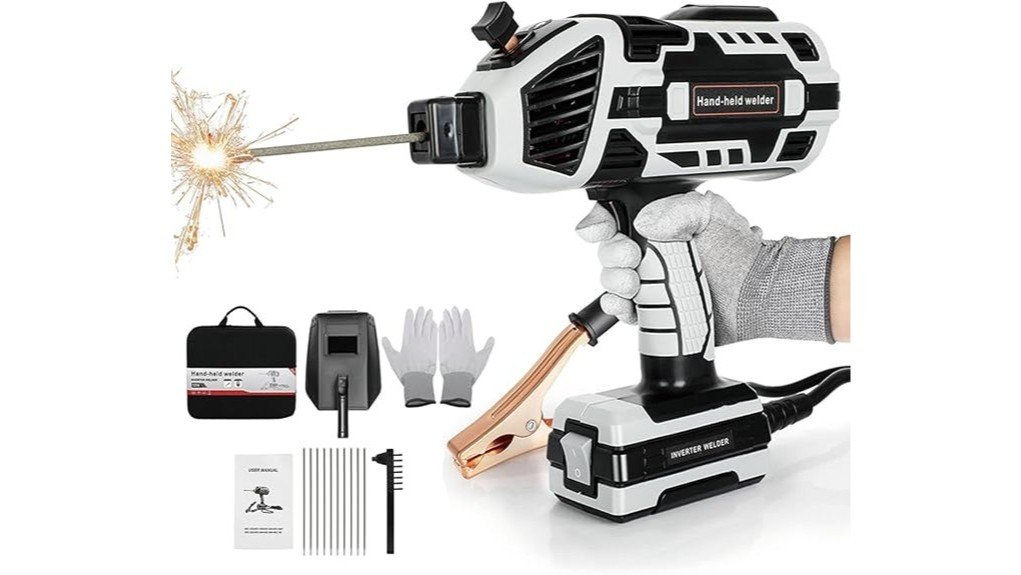
Small welding repairs can become frustrating when a full-size machine is too heavy, too slow to set up, or more powerful than the job needs. The Handheld Welder Machine is built for portable arc welding, with a 2.9-pound body, a 20–120 Amp adjustable range, and an IGBT inverter system for light repair work. This review helps you decide if its compact design is enough for your garage, auto, or hobby projects. It also explains where the machine has real limits, especially for long duty cycles, thick steel, and heavy industrial work.
Quick Verdict
Rating: 7.8/10
Best For: DIY users, light metal repair, beginners learning stick welding, and portable garage work
Bottom Line: This handheld welder makes sense when you need a light, simple machine for small repairs and occasional fabrication. It is not the right choice for continuous shop use, thick structural steel, or high-amperage welding.
Key Specifications
| Specification | Detail |
|---|---|
| Product Name | Handheld Welder Machine |
| Brand | Not verified from the provided article or external search results |
| Product Type | Handheld arc welder machine |
| Design | Portable one-handed body with simple knob control |
| Weight | 2.9 pounds |
| Power Range | 20–120 Amps adjustable |
| Technology | IGBT inverter system |
| Electrode Compatibility | 1/16″ to 1/8″ electrodes |
| Best Use | Light fabrication, home repair, hobby work, and light auto maintenance |
| Safety Note | Use proper welding PPE, follow the product manual, and allow cooling breaks during longer sessions |
What Is the Handheld Welder Machine?
The Handheld Welder Machine is a compact inverter-style arc welder made for users who want a portable tool for small welding jobs. It uses an IGBT inverter system, which is designed to support steadier output current than basic transformer-style machines during short and moderate repair tasks.
The 20–120 Amp range gives you enough adjustment for smaller electrodes and light-duty metal work. That range is useful when you are repairing brackets, gates, thin steel parts, or small workshop projects where a large welder would be harder to carry and slower to set up.
This machine is not built to replace a full-size shop welder. It works best as a compact repair tool for occasional use, quick fixes, and projects where portability matters more than sustained power.
Who Should Buy It?
Best For
- DIY users who need a lightweight welder for small home and garage repairs
- Beginners who want simple amperage control instead of a complex digital panel
- Hobby fabricators who work with small electrodes and light steel parts
Skip If
- You need long continuous welding sessions with a clearly stated duty cycle
- You regularly weld thick structural steel or heavy fabrication parts
- You need advanced controls, multiple process modes, or confirmed aluminum support
Before You Buy: The article does not provide a verified duty cycle, input voltage, included accessories, or brand name. Confirm those details on the Amazon listing before you choose it for a specific workshop setup.
Design and Build Quality
The main advantage is the 2.9-pound body. That low weight makes the machine easier to carry around a garage, move between repair spots, or hold near a workpiece when space is tight.
The one-handed design also helps when you need quick positioning. You are not dragging a large case across the floor or setting up a heavy transformer unit for a small bracket or gate repair.
The tradeoff is stability under heavier workloads. A compact handheld welder can feel convenient, but it does not offer the same heat capacity, physical durability, or cooling margin as a larger bench-style inverter welder.
Controls and Ease of Use
The simple output knob gives you direct control over the 20–120 Amp range. That helps beginners adjust power without moving through menus or trying to understand advanced welding settings.
For thin or light materials, the lower end of the range gives you more control and helps reduce burn-through risk. For larger electrodes or slightly heavier repairs, you can raise the amperage gradually until the arc feels stable.
This simple control layout also means fewer advanced features. If you want digital readouts, memory settings, or process-specific tuning, you should compare larger inverter welders instead.
Performance and Welding Output
The IGBT inverter system is the key performance feature. In practical terms, it is meant to support a steadier arc and more efficient power use than older, heavier welding designs.
The 1/16″ to 1/8″ electrode range fits small repair tasks and light fabrication. That makes the machine useful for short welds on brackets, small frames, household metal fixes, and similar projects.
You should not treat the 120 Amp top end as a promise of heavy-duty performance. Without a verified duty cycle, thick-metal rating, or input power details, the safer expectation is light-duty use with cooling breaks.
Compatibility and Safety
This welder is mainly positioned for mild steel and similar light metals. The article does not verify aluminum support, so avoid assuming it can weld aluminum unless the current product listing or manual clearly says so.
Use the electrode sizes listed in the article, 1/16″ to 1/8″, and match amperage to the rod, material thickness, and welding position. Starting too hot on thin material can cause burn-through, while starting too low can make the rod stick or create a weak bead.
Welding also needs proper protective gear. Use a suitable welding helmet, gloves, protective clothing, eye protection, and safe ventilation, and follow the manual for setup, grounding, operation, and cooling breaks.
How It Performs in Real Use
Home Repairs
For gates, small brackets, loose metal fixtures, and basic household repairs, the lightweight body is the main benefit. You can bring the welder to the work area instead of moving the part to a fixed machine.
Automotive Touch-Up Work
For light automotive tasks, the compact design helps when access is limited. It can fit small fabrication and repair jobs, but you should avoid using it for critical frame repairs or safety-related structural work unless you have the right skill and verified machine capacity.
Hobby Workshop Projects
For hobby fabrication, this welder works best on small assemblies and occasional welds. It is a practical option when you build brackets, test-fit metal parts, or make repairs that do not require long continuous beads.
Outdoor or Remote Jobs
The 2.9-pound weight makes the machine easier to carry to a fence, shed, gate, or jobsite repair point. Before using it away from your main workshop, confirm that your power source matches the machine’s requirements.
Setup Tips Before First Use
Start by checking the product manual, power requirements, electrode recommendations, and all included parts. The article does not confirm the input voltage or accessory kit, so do not assume it will match every outlet or come with every item you need.
Set the amperage low at first, especially on thin steel. Increase the setting in small steps until the rod starts smoothly and the puddle forms without burning through the workpiece.
Clean the metal before welding. Paint, rust, oil, and dirt can make the arc unstable and can weaken the final weld, especially when you are using a small portable welder.
Pro Tip: Practice on scrap metal with the same thickness before welding the actual part. It helps you dial in amperage and rod angle without risking the final repair.
How It Compares to Alternatives
Compared with traditional transformer welders, this handheld unit is much lighter and easier to move. Transformer welders can be more rugged for certain shop setups, but they are often heavier and less convenient for quick repair work.
Compared with larger inverter stick welders or MIG welders, this machine favors portability and simple controls. A full-size inverter or MIG setup is better if you need longer duty cycles, better control over thicker metal, or more consistent results in a professional shop.
Pros and Cons
Pros
- Very lightweight at 2.9 pounds, which helps with carrying and positioning
- Adjustable 20–120 Amp output range supports basic setup control
- IGBT inverter design is useful for steadier light-duty arc performance
- Simple knob control is easier for beginners than complex digital menus
- Works well for small repairs, hobby fabrication, and portable garage use
Cons
- Not suitable for heavy industrial welding or long continuous runs
- Duty cycle, input voltage, and included accessories are not verified in the article
- Best limited to small electrodes and light-duty welding tasks
Is It Worth the Price?
This handheld welder fits the budget-to-mid-range value category for buyers who want a small repair machine instead of a full shop setup. It offers strong value for the price if your main needs are portability, simple controls, and occasional light welding.
You get the most value from it when you use it as a convenience tool for quick fixes, not as your only welder for demanding fabrication. The 2.9-pound weight and adjustable output are useful, but the missing verified duty cycle is an important limitation.
It is worth considering if you already understand basic stick welding and need a compact backup machine. It is not the best fit if you need professional output, thick metal capacity, or long welding sessions every week.
Frequently Asked Questions
Can beginners use this handheld welder safely?
Yes, beginners can use it for light practice and small repairs because the control layout is simple. You still need welding PPE, safe ventilation, proper grounding, and basic instruction before using any arc welder.
What materials can it weld?
The article positions it mainly for mild steel and similar light metals. Do not assume it can weld aluminum unless the product listing or manual clearly confirms aluminum support.
What electrode sizes does it support?
The article lists compatibility with 1/16″ to 1/8″ electrodes. That range fits light-duty welding, small repairs, and practice work better than heavy structural fabrication.
Is the 20–120 Amp range enough for garage repairs?
It can be enough for small garage repairs, brackets, thin steel, and hobby projects. It is not the right range to rely on for thick steel, long beads, or heavy professional work.
Does it overheat easily?
The IGBT inverter design may help with efficiency during short sessions, but the article does not provide a verified duty cycle. Plan for cooling breaks during longer jobs and follow the manual’s operating limits.
Can it replace a full-size welder?
No, it should not replace a full-size welder for heavy fabrication or continuous shop work. It makes more sense as a portable tool for small repairs, light metal work, and quick setup jobs.
What should you check before buying?
Check the current listing for input voltage, duty cycle, included accessories, warranty details, and exact brand information. Those details were not verified in the article, and they matter for compatibility with your workspace.
The Bottom Line
The Handheld Welder Machine is a practical choice if you need a lightweight arc welder for small repairs, DIY projects, and occasional hobby fabrication. Its biggest strengths are portability, simple amperage control, and a 2.9-pound body, while its biggest limitation is light-duty capacity with no verified duty cycle in the article.
Buy it if you want quick setup for small jobs. Skip it if you need industrial output, thick-metal performance, or a full-featured shop welder.