Disclosure: As an Amazon Associate, we earn from qualifying purchases. If you click a link on this page and make a purchase, we may receive a small commission at no extra cost to you.
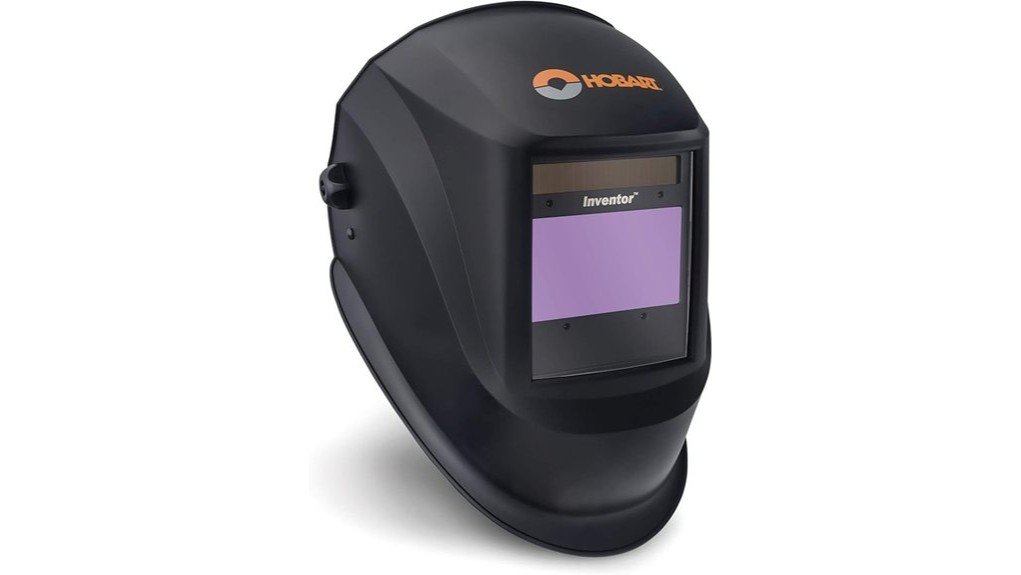
A welding helmet needs to protect your eyes, help you see the puddle clearly, and stay comfortable when the job runs longer than planned. The Hobart 770890 Welding Helmet is built around four arc sensors, fast auto-darkening response, PureColor Lens technology, and adjustable shade, sensitivity, and delay controls. This review helps you decide if its visibility, safety features, and analog controls match your welding setup. It looks like a strong choice for welders who want a simple, capable auto-darkening helmet, but you should verify seller details before buying because product listings can change.
Quick Verdict
Rating: 8.4/10
Best For: Welders who want wide visibility, fast arc detection, grind mode, and simple manual controls.
Bottom Line: The Hobart 770890 is worth considering if you want an auto-darkening helmet with a large viewing area and adjustable shade settings. The main tradeoff is that the article-supported details should still be checked against the current seller page before purchase.
| Specification | Detail |
|---|---|
| Brand | Hobart |
| Model | 770890 |
| Product type | Auto-darkening welding helmet |
| Arc sensors | Four independent arc sensors |
| Lens activation speed | 1/25,000 of a second, article-supported |
| Lens technology | PureColor Lens technology |
| Viewing area | 9.3-inch widescreen viewing area, article-supported |
| Shade range | Adjustable shade 9 to 13 |
| Controls | Shade, sensitivity, and delay adjustment |
| Modes | Weld to Grind mode |
| Weight | 2.5 pounds, article-supported |
| Power feature | Auto-on/off power control |
| Safety note | Continuous UV protection is stated in the article |
| Warranty note | Article states 3 years. Verify current seller documentation before purchase. |
What Is the Hobart 770890 Welding Helmet?
The Hobart 770890 is an auto-darkening welding helmet designed to protect your eyes and face while giving you a clearer view of your work. Its main draw is the combination of four independent arc sensors, a fast darkening response, and a large viewing area.
The helmet is aimed at welders who want more than a basic fixed-shade hood but do not want a complicated setup. You can adjust shade, sensitivity, and delay settings, which helps you tune the helmet to different welding conditions and personal comfort.
The article-supported feature set also includes PureColor Lens technology, Weld to Grind mode, auto-on/off control, and a 2.5-pound design. Those details make it a practical pick for shop work, repair jobs, and projects where you move between welding and grinding.
Who Should Buy It?
Best For
- Welders who want an auto-darkening helmet with four arc sensors.
- Users who prefer simple manual shade, sensitivity, and delay controls.
- Shop, garage, and repair users who need weld and grind functionality in one helmet.
Skip If
- You need verified current specs from the seller before making a safety purchase.
- You prefer digital controls, memory presets, or advanced helmet settings.
- You need a helmet for a process that requires a shade range outside 9 to 13.
Before You Buy: Confirm the current listing, manual, safety rating, included parts, and warranty terms before purchase. Welding helmets are safety gear, so do not rely on old listing details alone.
Safety Features of the Hobart 770890 Welding Helmet
The safety setup starts with four independent arc sensors. More sensor coverage can help the helmet detect arc light more reliably, especially when your head angle or workpiece position changes during a weld.
The article states that the lens activates in 1/25,000 of a second. That fast switching time matters because your eyes need quick protection once the arc starts. The helmet also includes auto-on/off power control, so the lens can activate at arc strike without requiring a separate manual step.
Continuous UV protection is another important article-supported feature. You should still inspect the helmet, lens, and cover plates before use because cracks, damaged lenses, or poor fit can reduce protection.
Enhanced Visibility and Viewing Experience
The PureColor Lens technology is designed to improve how you see the weld area. Better color clarity can help you track the puddle, see the joint line, and notice surrounding details without feeling as restricted as you might with a darker, less clear lens.
The article also states that the Hobart 770890 has a 9.3-inch widescreen viewing area. A wider field of view can make layout work, tack welding, and position changes easier because you do not have to move your head as often to see the work area.
This is one of the strongest reasons to consider the helmet. Visibility does not replace skill, fit, or correct shade selection, but it can make the welding process feel more controlled.
Controls and Versatile Functionality
The Hobart 770890 gives you adjustable controls for Shade, Sensitivity, and Delay. Shade adjustment lets you choose between settings 9 and 13, which helps you match the lens darkness to the work within that range.
Sensitivity control helps the sensors respond to the arc in different environments. Delay control affects how long the lens stays dark after the arc stops, which can reduce eye strain when the weld area remains bright for a moment.
The Weld to Grind mode is useful if you switch between welding and cleanup. You can grind without changing helmets, which saves time and reduces interruptions during fabrication or repair work.
Comfort and Fit During Longer Work
The article lists the helmet weight at 2.5 pounds. That is not the lightest possible helmet category, but it is still manageable for many users if the headgear is adjusted correctly.
Comfort depends on more than weight. The headgear fit, balance, padding, and how tightly you wear the helmet all affect neck fatigue during longer sessions. If you weld for extended periods, spend a few minutes adjusting the headgear before the first job.
The helmet is also described as able to accommodate prescription glasses. If you wear glasses, test the fit before welding so the temples do not press into your head or push the helmet away from your face.
Pro Tip: Set the headgear before you strike an arc. A balanced fit helps the helmet stay in place and makes the larger viewing area easier to use.
How It Performs in Real Use
For Shop Welding
In a shop setting, the four arc sensors and fast auto-darkening response are the main benefits. You can focus on setup, joint position, and puddle control instead of lifting and lowering a passive hood between steps.
For Repair and Fabrication Work
Repair jobs often involve short welds, tack welds, repositioning, and grinding. The Weld to Grind mode gives this helmet a practical advantage because you can move between tasks with fewer gear changes.
For Longer Sessions
The 2.5-pound weight and adjustable headgear matter most during longer jobs. The helmet should work best for users who take the time to dial in the fit and avoid wearing it too tight.
For Newer Welders
Newer welders may benefit from the large viewing area and clear lens design because both can make setup and puddle tracking easier. The tradeoff is that analog controls still require learning, so you should read the manual and adjust settings carefully.
Setup Tips Before First Use
Start by checking the helmet body, lens, cover plates, headgear, and controls before you weld. Do not use the helmet if you see cracks, loose parts, or damage around the lens area.
Next, set the shade based on your welding process and the level allowed by the helmet. The article-supported shade range is 9 to 13, so make sure that range fits your work before buying or using it.
Finally, test sensitivity and delay settings on scrap material when possible. Small adjustments can make the helmet feel more comfortable, especially when you work under bright lights or move between short welds.
Compatibility and Safety Notes
This helmet is safety equipment, so you should treat compatibility seriously. Confirm that the current product page, manual, and packaging match the welding tasks you plan to perform.
Do not assume one helmet setting works for every process. Use the correct shade for the job, keep the lens clean, and replace damaged cover plates when needed. If your workplace follows safety rules or requires specific ratings, verify those requirements before using the helmet on the job.
If you wear prescription glasses, confirm that the helmet closes comfortably without pushing the glasses against your face. Clear vision and stable fit both matter when you are working near sparks, heat, and bright arc light.
Pros and Cons
Pros
- Four independent arc sensors support more reliable arc detection.
- 1/25,000-second lens activation is fast for eye protection at arc strike.
- PureColor Lens technology helps improve clarity and color perception.
- 9.3-inch widescreen viewing area gives you more room to see the workpiece.
- Weld to Grind mode is useful for repair, fabrication, and cleanup tasks.
Cons
- Current seller details should be verified because listing information can change.
- Shade range 9 to 13 may not suit every welding process or preference.
- Analog controls are simple, but they do not offer digital presets or memory settings.
Is It Worth the Price?
The Hobart 770890 makes the most sense as a mid-range style buy for users who care about visibility, fast arc detection, and simple control. The large viewing area and PureColor Lens technology are the biggest value points because they affect how clearly you can work.
It is worth considering if you want an auto-darkening helmet for regular garage, shop, or repair use. You get the most value if you will use the Weld to Grind mode often and want one helmet for both welding and cleanup steps.
The main limitation is verification. Since safety gear should match your exact task, check the current listing, manual, and warranty before deciding.
How It Compares to Alternatives
Compared with a basic passive welding helmet, the Hobart 770890 offers auto-darkening convenience, adjustable shade settings, and a wider feature set. That makes it easier to use when you switch between setup, welding, and inspection.
Compared with higher-end digital helmets, it may feel simpler and less customizable. The Hobart 770890 is the better fit if you want clear viewing, four arc sensors, and manual controls without paying for advanced digital presets you may not use.
Frequently Asked Questions
Is the Hobart 770890 an auto-darkening welding helmet?
Yes. The article describes the Hobart 770890 as an auto-darkening welding helmet with four independent arc sensors and auto-on/off power control. The lens is stated to activate in 1/25,000 of a second.
What shade range does it offer?
The article-supported shade range is 9 to 13. Before buying, make sure that range matches the welding process and amperage range you plan to use.
Does it have a grind mode?
Yes. The article states that the helmet includes a Weld to Grind mode. This helps when you need to switch between welding and surface cleanup without changing helmets.
Is it comfortable for extended wear?
The article lists the helmet at 2.5 pounds and describes it as ergonomic. Comfort will still depend on headgear adjustment, balance, and how long you wear it during each session.
Can you wear prescription glasses under it?
The article states that the helmet can accommodate prescription glasses. You should still test the fit before welding so your glasses do not shift, pinch, or interfere with the helmet seal.
How does lens replacement work?
The original article describes lens replacement as removing the old lens and fitting a compatible replacement. Follow the product manual, use compatible parts, and make sure the replacement is aligned and secured before welding.
What warranty does the article mention?
The article mentions a 3-year warranty. Because warranty terms can vary by seller and date, confirm the current warranty on the product page or manufacturer documentation before purchase.
Who should skip this helmet?
Skip it if you need confirmed digital controls, memory presets, or a shade range outside 9 to 13. You should also pause if the current listing does not clearly confirm the specs and safety details you need.
The Bottom Line
The Hobart 770890 Welding Helmet is a strong fit for welders who want four arc sensors, fast auto-darkening response, PureColor clarity, and a wide viewing area. It is not the best pick if you need advanced digital presets or cannot verify the current product details before buying.
For garage, shop, and repair work, it earns a Recommended with caveats verdict because its core features are practical, but safety-related specs should always be confirmed against the current seller documentation.