How Hot Is Plasma Arc Welding?
You may hear that plasma arcs can reach 30,000°C, but peak arc heat does not tell the whole story. Real welding performance depends on gas choice, current density, nozzle design, standoff, travel speed, and heat loss through the workpiece. This guide explains how those factors shape arc enthalpy, column temperature, and thermal profiles in practical plasma arc welding.
What’s in This Article
- Key Temperature Ranges in Plasma Arc Welding
- Factors That Drive Plasma Arc Heat
- Gas Selection and Its Impact on Arc Temperature
- Power, Current Density, and Nozzle Design Effects
- Material Thickness, Conductivity, and Heat Sink Considerations
- Managing Torch Standoff, Travel Speed, and Gas Flow
- Measuring and Controlling Thermal Profiles Safely
- Practical Limits, Equipment Quality, and Optimization Strategies
- Frequently Asked Questions
Quick Answer
Plasma arc welding can produce arc core temperatures from about 10,000°C to above 30,000°C. Argon usually gives the most stable, lower-temperature arc, while helium and hydrogen mixes can raise heat and penetration. Your weld quality depends more on controlled heat input than on chasing the highest possible temperature.
Key Takeaways
- Plasma arc temperature depends on gas type, current, nozzle design, and standoff.
- Argon supports stable welding, while helium and hydrogen mixes can raise energy density.
- Higher current can increase penetration, but it also raises distortion and equipment stress.
- Material thickness and conductivity decide how much heat the joint needs.
- Safe control requires proper PPE, calibrated monitoring, and documented welding parameters.
Key Temperature Ranges in Plasma Arc Welding

In plasma arc welding, the arc core temperature can range from about 10,000°C to more than 30,000°C. The actual range depends on the plasma gas, current, torch setup, and welding procedure.
You should treat these ranges as gas-dependent performance envelopes. Argon often supports about 10,000–20,000°C, which gives stable and repeatable operation for many procedures. Hydrogen mixes can reach about 25,000°C and concentrate heat for narrow, deep fusion zones.
Helium can push peak arc temperatures above 30,000°C. That makes it useful when you need high energy density and fast keyhole initiation.
Treat temperature ranges as gas-dependent envelopes: argon gives control, hydrogen adds focused heat, and helium gives very high energy density.
Within these bands, temperature changes with setpoints and torch geometry. Keep current, nozzle-to-work distance, and gas flow consistent to hold the arc near the target range.
Use higher-temperature plasmas for high-conductivity alloys or precision keyhole passes. Favor argon for general joining when you need predictable bead shape and low distortion.
Calibrate controls, monitor heat input, and document parameters. This helps you meet quality requirements and maintain repeatable thermal profiles.
Products Worth Considering

AG60 Plasma Cutter Torch Body / Head compatible with standard of AG60 torch for 60A Plasma Cutting Machine. (i.e. CUT50, CUT60, CUT70.)

APPLICATION: Apply to YESWELDER CUT-65DS/CUT-55DS PRO/CUT-55NHF/CUT-55NHF PLUS plasma cutters. Replacement for the S45 Plasma Cutting Torch.
Factors That Drive Plasma Arc Heat

The plasma column can exceed 30,000°C, but you control useful heat through gas selection, gas flow, current, and standoff. Helium plasma gas supports some of the hottest arcs, often in the 25,000–30,000°C range. Argon usually runs cooler, often near 10,000–20,000°C.
You must balance temperature against arc stability and joint needs. That balance helps you achieve consistent penetration and bead geometry.
Regulate plasma gas flow with care. Lower flow can raise arc temperature and energy density, which enlarges the weld pool. Excessive flow can cool the arc core, spread heat, and destabilize the column.
Match flow to nozzle orifice size and torch rating. This helps you maintain laminar constriction in typical plasma arc welding procedures.
Current gives you direct control over heat. Higher amperage raises arc temperature and melt rate, which helps with thicker sections. It also increases heat input and distortion risk.
Check parameters against the welding procedure specification (WPS) and the power source duty cycle. Do not exceed the torch or power source limits.
Maintain a short and controlled standoff. Shorter standoff tightens constriction, increases local heat, and improves heat transfer. Excessive gap lowers temperature and reduces arc stability.
Warning: Higher current can improve penetration, but it can also overheat the torch, damage consumables, or distort the workpiece.
Gas Selection and Its Impact on Arc Temperature

You set arc temperature first through gas type and mix. Helium can reach about 30,000°C, hydrogen mixes can approach about 25,000°C, and argon often stays near 10,000–20,000°C. Argon also gives stable behavior because of its arc characteristics.
You should also account for flow rate. Lower flows generally raise arc temperature and heat input. Higher flows cool the arc and can reduce penetration.
Choose gas and flow to balance energy efficiency, penetration depth, and weld integrity. Your best setting depends on the material, joint design, and procedure limits.
Products Worth Considering
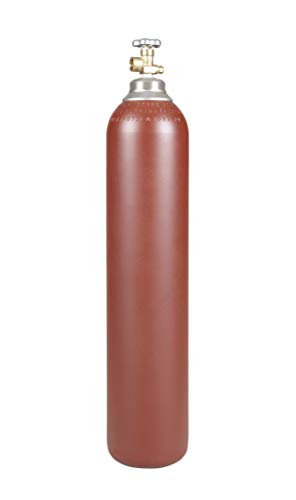
80 CU FT INERT GAS CYLINDER - Mid-size steel cylinder for professional welding, HVAC, beverage, and industrial applications. 2015 PSI service pressure. 7" diameter x 31" height, 47 lb tare weight. Letter designation: Q. Ideal balance of capacity and portability for commercial operations and serious hobbyists
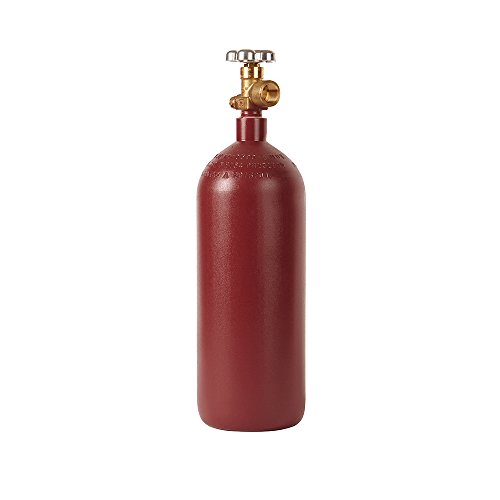
20 CU FT ARGON CYLINDER - Compact steel argon tank perfect for TIG welding, MIG welding, and hobby/small shop fabrication. 2015 PSI service pressure. Ultra-portable with 5.25" diameter x 18" height, 13.67 lb tare weight. Ideal for mobile welders, small shops, automotive repair, and DIY metalworking projects

Gas Type and Mix
Gas chemistry affects plasma arc enthalpy, jet velocity, and heat transfer. You should match gas properties to the welding job. Helium drives peak temperatures near 30,000°C with high thermal conductivity. Argon gives stable 10,000–20,000°C arcs.
Hydrogen can sharpen energy density near 25,000°C, but it needs tight control. Nitrogen often runs lower, near 7,000–12,000°C, and may help with clean, precise welds in selected uses. Blends, such as argon and hydrogen, can raise heat while keeping a more controlled arc.
| Gas/Mix | Typical Arc Temperature | Primary Benefit |
|---|---|---|
| Helium | Up to 30,000°C | Maximum enthalpy and deep penetration |
| Argon | 10,000–20,000°C | Stable and predictable arc |
| Nitrogen | 7,000–12,000°C | Clean and precise welds |
Use helium or argon-hydrogen mixes when you need higher heat and arc stiffness. Choose argon when you need more control on sensitive alloys. Consider nitrogen or argon-rich mixes only when the material and procedure allow it.
Flow Rate Effects
Even with the right plasma gas, your flow rate shapes the arc’s thermal profile. Flow controls enthalpy density, jet cooling, and heat transfer to the work.
As flow rate rises, convective losses increase. That can lower core temperature and reduce arc stability. As flow falls, enthalpy density rises, but nozzle overheating and cathode wear become more likely.
Use helium at lower flow only when your bead shape, torch rating, and cooling plan can handle the heat. In those conditions, temperatures may approach 30,000°C.
Argon favors arc stability in the 10,000–20,000°C range at moderate flow. Hydrogen additions can raise local heat beyond argon, but high flow can still cool the arc. Nitrogen behaves between argon and helium in many setups.
Target a balanced flow. Excessive flow can cool the arc and reduce penetration. Too little flow can overheat components and harm weld quality.
Power, Current Density, and Nozzle Design Effects

Power, current density, and nozzle design strongly affect plasma-arc temperature and heat flux. You get peak arc cores when current optimization raises current density without exceeding electrode or nozzle limits. Higher power can improve arc stability, raise temperature, and support deeper penetration.
With helium as the plasma gas, arc temperatures can exceed 30,000°C. You still need proper gas flow to stabilize the column without overcooling it. Nozzle efficiency depends on orifice geometry. Smaller bores constrict the jet, raise energy density, and sharpen the temperature gradient.
- Increase current density in small steps, then check penetration profiles and bead shape with calibrated measurements.
- Choose a tighter orifice when you need focused heat, but check cathode wear and cooling often.
- Align power, gas flow, and nozzle design to keep a stable, high-temperature arc with repeatable results.
Material Thickness, Conductivity, and Heat Sink Considerations

The workpiece sets the real heat demand. You should scale plasma-arc temperature to material thickness, thermal conductivity, and local heat sinking. Thick sections need more energy to create and hold a fluid weld pool.
Practical arc core temperatures may need to exceed 20,000°C for penetration in heavy gauges. You can raise enthalpy by increasing current and tailoring gas settings.
Thermal conductivity controls how fast heat leaves the joint. Copper and aluminum pull heat away quickly, so they act like built-in heat sinks. They often need higher arc power density than stainless steel at the same thickness.
External heat sinks and fixtures can increase this effect. You may need more heat input or preheat to offset conduction losses.
Control arc temperature by setting current to meet the required heat input. Watch interpass temperature, bead geometry, and signs of lack of fusion.
Validate your settings with procedure qualification under the applicable code or shop requirement. This locks in parameters that match the material and joint design.
Pro tip: When switching from stainless steel to aluminum or copper, retest heat input instead of copying the same settings.
Managing Torch Standoff, Travel Speed, and Gas Flow

Arc power only works as planned when you control how it reaches the joint. You use torch adjustment to tune standoff, travel speed, and gas flow. These settings decide how much heat reaches the weld pool.
Shorter standoff tightens the column, reduces radiative loss, and raises effective arc temperature. Longer standoff spreads the arc and lowers heat transfer. Slow travel concentrates energy for deeper penetration, while faster travel limits heat input and cools the pool.
Short standoff tightens and heats the arc; longer standoff spreads it. Slow travel deepens penetration; faster travel cools the pool.
- Hold standoff within the procedure range to stabilize temperature and reduce spatter.
- Match travel speed to amperage, then slow down when thickness or conductivity increases.
- Set gas type and flow with purpose, since helium raises heat and argon improves control.
Optimize gas flow to the minimum level that sustains arc constriction and shielding. Adjust standoff, speed, and flow together so the temperature matches the material and joint geometry.
Measuring and Controlling Thermal Profiles Safely

Even with correct power settings, you must measure and control the thermal profile. Plasma arcs can exceed 30,000°C, so small setup changes can create large heat changes.
Use calibrated sensors when your procedure requires thermal monitoring. Infrared pyrometers can track arc-zone trends, while thermocouples can monitor heat-affected regions. Data loggers can record current, gas flow, and standoff during production or qualification runs.
Select shielding gases with care. Argon stabilizes the arc and moderates enthalpy. Helium increases thermal conductivity and penetration. Document gas composition and flow in procedure records.
Maintain the nozzle orifice, electrode condition, and coolant flow according to the equipment manual. Worn parts can shift the arc and change thermal profiles.
Use personal protective equipment (PPE) that matches welding hazards. This can include insulated gloves, a rated welding helmet or face shield, flame-resistant clothing, and fume extraction.
Set interlocks, alarms, and automated shutdown thresholds when your equipment supports them. These controls help prevent overheating and unsafe operation.
Warning: Do not choose PPE only by arc temperature, because radiation, spatter, fumes, and electrical hazards also matter.
Practical Limits, Equipment Quality, and Optimization Strategies

You must balance practical temperature ceilings, often near 30,000°C, against material limits, code requirements, and acceptable heat input. Standards and procedure documents can guide how you qualify and control the process.
Check equipment build quality before you chase higher heat. Power source ripple, torch and nozzle geometry, and cooling capacity all affect arc stability and temperature retention.
Tune parameters with data. Set current density, plasma gas flow, shielding gas flow, and standoff through procedure records and real-time monitoring. This helps you control distortion while keeping fusion consistent.
Practical Temperature Ceilings
While helium-fed plasma arcs can peak near 30,000°C, the practical temperature ceiling in plasma arc welding depends on process variables, equipment capability, and heat management.
You will rarely operate at the theoretical peak. Practical welding requires stable fusion, controlled heat-affected zones, and reliable monitoring. Gas selection, current density, standoff, and gas flow all shape the real limit.
- Raise current with care, then watch for hotter arcs, narrower keyholes, and higher dilution.
- Tune flow and nozzle size to prevent torch overheating and workpiece burn-through.
- Hold consistent standoff so the arc column stays stable and repeatable.
Equipment Build Quality
Build quality sets the practical thermal ceiling in plasma arc welding. It controls current stability, heat extraction, and arc geometry. High-grade power sources can hold steady amperage and reduce voltage ripple.
Good thermal management protects the torch and supports consistent enthalpy. Liquid-cooled torches, matched chiller capacity, and monitored coolant flow reduce overheating risk.
Precision nozzles, centered orifices, and quality tungsten electrodes improve arc constriction and temperature control. That gives sharper heat input and better thermal efficiency.
Routine inspection, calibration, and leak checks preserve performance. They also reduce arc instability and early component failure.
Match equipment to the application. Consider gas type, current class, duty cycle, and cooling demand before you set target temperatures.
Parameter Tuning Tactics
Every joint and alloy responds differently, but parameter tuning follows a clear sequence. Set current for penetration and heat input. Then trim plasma and shielding gas flows to stabilize a hot, constricted arc.
Start with current because higher amperage raises arc temperature and drives penetration. Watch for excess dilution, warping, and burn-through.
Next, tune gas flow. Lower total flow can raise temperature, but too little flow can cause arc flutter, overheating, and spatter.
Select gas with a clear reason. Use argon for stability near 10,000–20,000°C. Use hydrogen additions only when the material and procedure support higher localized heat.
Tighten standoff to intensify energy density. Protect welding efficiency with calibrated power sources, cooled torches, and scheduled maintenance.
- Increase current when you need deeper fusion.
- Correct instability before you raise power again.
- Prove final settings with inspection, monitoring, and procedure records.
Frequently Asked Questions
How hot can a plasma arc get during welding?
A plasma arc can range from about 10,000°C to more than 30,000°C. The exact temperature depends on gas type, current, nozzle design, and standoff.
Does a hotter plasma arc always make a better weld?
No. A hotter arc can improve penetration, but it can also increase distortion, dilution, and equipment stress. You need enough heat for fusion, not the highest possible arc temperature.
Which gas makes the hottest plasma arc?
Helium can support some of the hottest plasma arcs, often approaching or exceeding 30,000°C in the arc core. Hydrogen mixes can also raise localized heat, while argon gives more stable control.
How does standoff affect plasma arc temperature?
Short standoff concentrates the arc and improves heat transfer to the joint. Long standoff spreads the arc, lowers effective heat, and can reduce stability.
What PPE do you need for plasma arc welding?
You need PPE that protects against radiation, heat, sparks, fumes, and electrical hazards. Use a properly rated welding helmet, insulated gloves, flame-resistant clothing, and ventilation or fume extraction based on the job.
Conclusion
Plasma arc temperatures can reach extreme levels, but controlled heat input matters more than peak temperature. Choose gas based on stability, penetration, and material needs. Match current, nozzle size, standoff, travel speed, and flow to the joint before you weld.
Use calibrated monitoring and routine maintenance to keep the arc stable. Treat the arc like a precision tool, not just a heat source. When you control the process, you get safer work and more repeatable weld quality.