A stick welding career can provide solid income, but the paycheck depends on far more than the welding process alone. Your location, industry, weld tests, shift, overtime, travel requirements, benefits, and ability to handle pipe, structural, repair, or code work can all change what you earn.
This guide explains current U.S. wage benchmarks, where shielded metal arc welding (SMAW) fits within the data, and how entry-level, experienced, union, field, and self-employed welding paths differ. Because federal wage data does not isolate stick welders, every number below is labeled carefully so you can compare jobs without mistaking a broad occupational average for a guaranteed SMAW rate.
Quick Answer
The latest national data for welders, cutters, solderers, and brazers shows a May 2025 median of $25.84 per hour, or $53,750 per year. The middle figure is not stick-welding-specific. SMAW jobs may pay less or more depending on location, industry, weld qualifications, overtime, travel, and working conditions.
Key Takeaways
- The Bureau of Labor Statistics does not publish a separate national salary for stick welders or experience-level SMAW pay bands.
- For the broader welding occupation, May 2025 wages ranged from $18.87 per hour at the 10th percentile to $37.28 at the 90th percentile.
- Pipe, structural, field, shutdown, repair, and code-qualified work may command higher rates, especially when travel or difficult schedules are involved.
- Union compensation depends on the local agreement, trade classification, benefits, work availability, dues, and travel requirements.
- Overtime can raise gross income sharply, but per diem and business revenue should not be confused with base wages or take-home profit.
What’s in This Article
- What Is Stick Welding and Why Does It Pay Well?
- Current Stick Welder Salary Benchmarks
- How Overtime Changes Annual Pay
- Stick Welder Salaries by State
- How Much Do Entry-Level Stick Welders Make?
- Mid-Career Stick Welder Earnings
- Senior Stick Welder Earnings
- Union vs. Non-Union Stick Welder Pay
- High-Paying Stick Welding Specialties
- Factors That Raise Stick Welding Pay
- How to Boost Your Earnings as a Stick Welder
- Stick Welder Career Outlook
- Frequently Asked Questions
Image by granitemorvarid
What Is Stick Welding and Why Does It Pay Well?
Stick welding, formally called shielded metal arc welding, uses a flux-coated consumable electrode. The electric arc melts the end of the electrode and part of the base metal, forming a weld joint as the molten metal cools.
The electrode’s flux creates shielding gases and slag that help protect the weld pool from the surrounding air. Because SMAW does not require an external shielding-gas cylinder at the arc, it remains useful for outdoor construction, field repair, heavy equipment, shipyard, pipeline, maintenance, and structural work.
Stick welding does not automatically pay more than every other process. Its value comes from where and how it is used. Employers may pay more when a welder can produce acceptable welds outdoors, in awkward positions, on code-controlled work, or during short projects with demanding schedules.
The Basics of Stick Welding: Rods, Amps, and Clean Beads
Electrode selection must match the material, joint, welding position, required mechanical properties, machine, polarity, and approved procedure. For example, an E6010 electrode is known for a forceful, penetrating arc and is commonly used for pipe root work when the procedure calls for it. Low-hydrogen E7018 electrodes are widely used for structural and fill or cap work, but their storage and handling requirements must be followed.
Do not rely on one universal amperage setting for every 1/8-inch electrode. E6010, E6011, E7018, and other classifications can have different recommended ranges, and the usable setting changes with position, joint design, travel speed, polarity, and manufacturer. Start with the electrode manufacturer’s data sheet, the welding-machine manual, and the applicable Welding Procedure Specification.
Sound preparation also matters. Remove oil, moisture, heavy rust, loose scale, and other contaminants as required by the job procedure. Before grinding, heating, or welding painted, plated, galvanized, or otherwise coated material, identify the coating and follow the required hazard controls.
Warning: Arc welding can expose you to fumes and gases, intense light, burns, fire, noise, electric shock, and hazardous coatings. Use the required helmet shade, protective clothing, gloves, ventilation or fume extraction, fire prevention measures, and employer-approved hot-work procedures. Never weld a container or coated material until its hazards have been evaluated.
When Should You Use Stick Welding Instead of MIG or TIG?
Stick welding is a practical choice when you need portable equipment for outdoor work, structural steel, field repair, maintenance, or less-controlled job sites. Wind can disrupt the external shielding gas used by many MIG and TIG setups, while a stick electrode supplies its own flux-based protection.
SMAW can tolerate some surface contamination better than several gas-shielded processes, but “tolerate” does not mean preparation is optional. Clean, properly fitted material normally produces more repeatable results and reduces porosity, lack of fusion, slag inclusions, and rework.
For hobbyists, stick welding can be an economical process for suitable repairs on gates, brackets, farm equipment, and trailers. Safety-critical or road-going repairs still require the correct material identification, joint design, procedure, and inspection.
For career welders, SMAW can support structural, pipe, maintenance, and field qualifications. Employers usually value process versatility, but a welder is hired and tested for the actual procedure and job—not simply for knowing the name of the process.
Current Stick Welder Salary Benchmarks in the US
The most reliable national starting point is the U.S. Bureau of Labor Statistics category for welders, cutters, solderers, and brazers. The May 2025 Occupational Employment and Wage Statistics release reported 416,210 workers in that occupation, with a mean wage of $27.29 per hour and a median of $25.84 per hour.
The May 2025 national median for welders, cutters, solderers, and brazers was $25.84 per hour, or $53,750 per year. This is the best official baseline available, but it is not an SMAW-only salary.
| National Benchmark | Hourly Wage | Annual Wage | How to Use It |
|---|---|---|---|
| 10th percentile | $18.87 | $39,240 | A lower-end occupational benchmark, not an official entry-level rate |
| Median | $25.84 | $53,750 | Half of workers earned more and half earned less |
| Mean | $27.29 | $56,760 | The arithmetic average across the occupation |
| 90th percentile | $37.28 | $77,530 | An upper-end employee-wage benchmark, not a ceiling |
These figures cover multiple welding and joining processes, industries, experience levels, and job types. They do not prove that a particular stick-welding job should pay a certain amount.
What BLS Data Can and Can’t Tell You
BLS data helps you compare national, state, metropolitan, and industry wage patterns. It also provides a consistent benchmark when a job advertisement makes an unusually high or low claim.
The data does not separate shielded metal arc welding from MIG, TIG, flux-cored, brazing, soldering, or other work included in the occupation. It also does not publish national entry-level, mid-career, senior, pipe-welder, union, or 6G-specific rates.
Occupational wage data primarily measures wage-and-salary employment. A self-employed mobile welder’s invoices, truck charges, or business revenue should not be compared directly with an employee’s hourly wage.
Note: The BLS Occupational Outlook Handbook currently displays a May 2024 median of $51,000, while the newer May 2025 OEWS release reports $53,750. The dates differ because the pages follow different publication schedules.
How Overtime Changes Annual Stick Welder Pay
Hourly pay often gives you a clearer picture than a single annual estimate because many welding jobs include variable overtime, shutdown schedules, shift differentials, travel reimbursement, or per diem.
Under federal law, covered, nonexempt employees generally must receive at least one and one-half times their regular rate for hours worked over 40 in a workweek. State law, collective bargaining agreements, public contracts, exemptions, and employer policies may provide different or additional rules.
| Example Base Rate | 40 Hours per Week for 52 Weeks | 50 Hours per Week With 10 Hours at 1.5× |
|---|---|---|
| $25.84 per hour | About $53,747 | About $73,902 |
| $37.28 per hour | About $77,542 | About $106,621 |
These examples assume 52 paid weeks, no unpaid layoffs or time off, and overtime eligibility after 40 hours. They do not include bonuses, differentials, per diem, travel reimbursement, benefits, taxes, dues, or business expenses.
This math explains how an experienced welder may gross six figures without having a six-figure base salary. It also shows why you should ask whether overtime is guaranteed, occasional, seasonal, or merely described as “available.”
Stick Welder Salaries by State: Where Pay Runs Higher
Location can change welding pay substantially. The Department of Labor’s CareerOneStop Salary Finder, using May 2025 BLS data, shows large differences in median wages for the broader welding occupation.
| Location | Median Hourly Wage | Median Annual Wage | Important Context |
|---|---|---|---|
| Alaska | $38.87 | $80,840 | Highest state median shown in the May 2025 table; remote costs and limited job volume matter |
| Hawaii | $37.98 | $79,000 | High median with a high cost of housing and transportation |
| Connecticut | $31.19 | $64,880 | Above-national median; industry and local market still vary |
| Wyoming | $30.69 | $63,820 | Energy, industrial, and remote work may affect opportunities |
| Washington | $30.30 | $63,020 | Marine, manufacturing, infrastructure, and metro costs vary by area |
| North Dakota | $29.81 | $62,000 | Energy and field work may be cyclical or travel-intensive |
| United States | $25.84 | $53,750 | National median for the broader occupation |
These are occupational medians, not stick-only rates, and a state median does not guarantee that local employers are hiring. Check current job postings, union scales, project lists, and metropolitan wage data before relocating.
Before accepting a higher nominal wage, compare rent, taxes, commuting, transportation, tool requirements, winter or remote-site costs, job duration, layoff risk, and time away from home. A lower hourly rate in a stable local position may leave you with more usable income than a high rate on a short project.
Why Remote and Coastal Jobs May Pay More
Remote jobs may offer higher wages, overtime, housing, travel reimbursement, or per diem because employers need people willing to work long rotations in difficult locations. Read the offer carefully: housing or meal payments may reimburse costs rather than function as extra base pay.
Coastal regions may offer shipyard, port, bridge, marine-repair, and industrial-maintenance work. Those jobs can require shift work, security screening, site orientations, specific process qualifications, respiratory protection, or maritime safety training.
| Job Market | Why Compensation May Be Higher | Questions to Ask |
|---|---|---|
| Remote energy or mining site | Travel, rotation schedules, weather, and limited local labor | Who pays travel, housing, meals, tools, and return transportation? |
| Gulf Coast refinery or shutdown | Long shifts, tight deadlines, pipe work, and inspection requirements | How long is the project, and are overtime hours guaranteed? |
| Shipyard or port region | Marine repair, structural work, confined access, and shift coverage | Which process tests, clearances, and safety cards are required? |
| Large metro construction market | Infrastructure demand and collectively bargained projects | What are the local scale, benefits, dues, commute, and dispatch rules? |
| Small-town fabrication shop | Steady repair and production work | What training, raises, insurance, retirement, and promotion paths are offered? |
How Much Do Entry-Level Stick Welders Make?
There is no official national entry-level stick-welder wage. As a practical reference, the broader occupation’s May 2025 10th-percentile wage was $18.87 per hour, while the national median was $25.84. Many new-welder, helper, trainee, and production offers may appear in the high teens or low twenties, but local minimum wages, training arrangements, industries, and weld-test requirements vary.
Your first job may include grinding, material handling, fit-up, tack welding, cleanup, cutting, machine setup, and basic welds under supervision. These duties build the consistency and job-site habits needed for more demanding tests.
Starting Out: Apprenticeships and First Welding Jobs
Trade schools, community colleges, employer programs, military training, union apprenticeships, and registered apprenticeships can all provide a route into welding. A registered apprenticeship combines paid employment, structured on-the-job learning, related instruction, and progressive wage increases.
Program length, starting wage, benefits, travel, classroom schedules, and advancement rules differ. Compare the actual agreement rather than assuming every union or apprenticeship program follows the same structure.
A practical path to your first welding paycheck looks like this:
- Learn electrical, fire, fume, cylinder, grinding, and personal-protective-equipment safety.
- Practice flat, horizontal, vertical, and overhead welding on suitable training material.
- Learn common electrodes such as E6010, E6011, and E7018 without treating one rod or setting as universal.
- Study blueprint reading, weld symbols, measurement, joint preparation, and fit-up.
- Complete an OSHA 10-hour Outreach course when an employer or jurisdiction expects the course-completion card; remember that it is not a certification or license.
- Apply for helper, apprentice, production, maintenance, repair, and entry-level fabrication positions.
- Ask what process, position, plate or pipe, material, and procedure the employer uses for its weld test.
Common Mistakes That Hold New Stick Welders Back
New welders often rush into a qualification test after producing one good practice coupon. Employers need repeatable work under the actual test conditions, not one lucky bead.
Undercut, porosity, slag inclusions, poor starts and stops, lack of fusion, incorrect electrode angle, weak fit-up, and inconsistent travel speed can all cause rework or failed tests. Learn how to identify the cause instead of changing several machine settings at once.
Pro Tip: Keep a weld log that records the process, electrode, diameter, polarity, amperage, material, thickness, position, joint, procedure, inspection result, and corrective changes. It gives you a practical record of progress and helps you reproduce successful settings.
Mid-Career Stick Welder Earnings: Where Pay Growth Starts
BLS does not publish a national mid-career rate. A useful benchmark is the broader occupation’s $25.84 median, but an individual welder may remain below or move above it depending on industry, location, qualifications, productivity, and responsibility.
At this stage, employers generally expect more independence. Blueprint reading, layout, fit-up, cutting, repair diagnosis, multiple positions, process versatility, and the ability to pass a job-specific test can improve your bargaining position.
Certifications and Qualifications That Can Improve Job Access
The AWS Certified Welder program uses a hands-on performance test at an AWS Accredited Test Facility. The qualification applies to the tested welding process, material, position, procedure, and governing code or specification.
Positions such as 3G, 4G, or 6G describe test orientations, but the position label alone does not tell an employer everything you are qualified to weld. Base metal, thickness or diameter range, backing, process, progression, filler, code, and continuity all matter.
A certification or employer qualification does not guarantee a raise. Its value comes from helping you prove that you can satisfy a particular requirement. Some employers still require their own test even when you hold an outside credential.
AWS Certified Welder credentials require continuity maintenance for the applicable process. Track renewal or continuity documentation, employer qualification records, site cards, medical clearances, and training dates so expired paperwork does not block access to a job.
How to Balance Shop Life and Pay Growth
Shop work can provide steadier hours, predictable commuting, controlled conditions, and more time at home. It may also expose you to production fixtures, quality systems, multiple processes, and repeatable fabrication work.
Field work may offer higher rates, overtime, and varied experience, but it can involve weather, heights, confined access, travel, layoffs, night shifts, and physically difficult positions.
Choose based on the complete package. A job with a lower base rate may be worth more if it provides dependable hours, health insurance, retirement contributions, paid training, paid leave, and a clear advancement path.
Senior Stick Welder Earnings: Understanding the Upper Range
There is no official national “senior stick welder” rate. The broader occupation’s May 2025 90th-percentile wage was $37.28 per hour, or $77,530 annually before additional overtime. Some specialized, supervisory, travel, or collectively bargained jobs exceed that figure, while experienced welders in lower-paying markets may earn less.
At a senior level, employers may pay for planning and judgment as well as arc time. Duties can include checking fit-up, interpreting drawings, sequencing passes, controlling distortion, troubleshooting defects, coordinating work, documenting production, mentoring newer welders, or leading a crew.
High-Earning Paths for Veteran Stick Welders
Pipe welding, boilermaker work, refinery and power-plant shutdowns, structural code work, rig repair, heavy-equipment repair, marine work, specialized maintenance, supervision, and inspection can offer stronger compensation. These paths usually demand repeatable testing, current qualifications, strict safety performance, and schedule flexibility.
Inspection is a separate career path rather than an automatic promotion from production welding. An AWS Certified Welding Inspector credential has its own eligibility, examination, vision, documentation, and renewal requirements. It may lead toward quality control, inspection, documentation, coordination, and supervision.
Employee Wage vs. Mobile Welding Business Revenue
A mobile or rig welder may quote a customer far more per hour than an employee earns, but the billed rate is business revenue—not personal wage or profit.
The business may need to cover a truck, welding machine, leads, bottles, tools, consumables, fuel, maintenance, repairs, insurance, licensing, accounting, advertising, unpaid estimates, travel time, collections, taxes, safety equipment, and periods without billable work.
| Employee Compensation | Self-Employed Business Revenue |
|---|---|
| Hourly wage paid for work time | Customer payment before business expenses |
| Employer may provide equipment and insurance | Owner usually funds equipment, insurance, fuel, and repairs |
| May include overtime and employee benefits | Must fund taxes, benefits, downtime, and retirement independently |
| Usually no collection risk | Invoices may be delayed, disputed, or unpaid |
Before starting mobile work, build a cost-per-hour model and separate billable shop or arc time from travel, purchasing, maintenance, quoting, and administration.
Union vs. Non-Union Stick Welder Pay
There is no single national union stick-welder wage. A welder may work under an ironworker, boilermaker, pipefitter, shipyard, fabrication, construction, or other trade agreement. Pay depends on the local, classification, region, contract, project, and whether the listed package includes benefits in addition to taxable wages.
Union agreements often publish structured apprentice and journey-level rates, overtime provisions, retirement contributions, health benefits, and training arrangements. Work may still depend on dispatch position, project demand, qualifications, travel, and seniority or referral rules.
Non-union employers may offer faster direct hiring, local stability, merit-based negotiation, bonuses, or greater flexibility. Benefits and raises vary widely, so compare the written offer rather than relying on the union or non-union label alone.
Pros and Cons of Each Path
| Aspect | Union Path | Non-Union Path |
|---|---|---|
| Wage structure | Often follows a published agreement and classification | Usually set by the employer and individual negotiation |
| Benefits | May include jointly funded health, pension, annuity, and training plans | Depends on the employer’s plan and eligibility rules |
| Training | May provide a structured apprenticeship and upgrade courses | May include employer training, tuition support, or informal mentoring |
| Work access | May involve referral, dispatch, project demand, travel, and dues | Direct hiring may be faster, but raises and layoffs depend on the employer |
| Advancement | Often follows defined apprentice and journey classifications | May depend on performance, added duties, negotiation, or changing employers |
Ask for the taxable hourly rate, employer benefit contributions, employee deductions, dues, overtime rules, travel terms, work outlook, probation period, and vesting requirements. Do not compare a union “total package” directly with a non-union cash wage unless you separate each component.
High-Paying Stick Welding Specialties
Stick welding can serve as a core skill, but the specialty, code, material, position, and job conditions usually drive the pay. Pipe, structural, industrial, rig, repair, and shutdown work may pay more because defects are costly and acceptable work must be produced under demanding conditions.
Products Worth Considering

Comprehensive Welding Package: our package comes with 24 low temperature universal welding rods available to meet your welding requirements; Whether you are a novice or an experienced welder, this kit of welding rods ensures you have things you need for your welding projects; Material is relatively brittle, received with breakage is a normal phenomenon, does not affect the use

Product Type :Tools
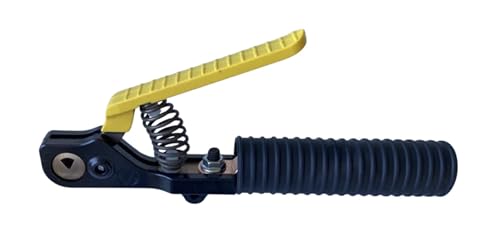
Original Stinger V, American Made, Durable, High Quality - 350 amp rating, 1/0 cable capacity, 3/16 electrode capacity
Pipe Welding with Stick
Pipe welding requires accurate preparation, alignment, root opening, tack placement, body positioning, heat control, pass cleaning, and tie-ins. A 6G qualification can demonstrate out-of-position pipe skill for a specific procedure, but it is not a universal license for all pipe materials, diameters, wall thicknesses, processes, or codes.
E6010 may be specified for carbon-steel pipe roots in some procedures, with low-hydrogen electrodes used for later passes. Other procedures use different electrodes or processes. Follow the approved WPS and never substitute a familiar rod solely because it worked on another job.
Rig and Field Welding
Rig and field welding may pay more than steady shop work because the job can require travel, self-contained equipment, long shifts, remote locations, rapid troubleshooting, and changing schedules.
Before pursuing this path, determine whether you will be an employee using company equipment, an employee expected to supply a rig, or an independent contractor. The pay rate, insurance, taxes, ownership costs, reimbursement, liability, and downtime can differ dramatically.
Structural and Code Welding
Structural work can involve buildings, bridges, industrial supports, stairs, equipment frames, and repairs. Higher-paying work may require process and position qualifications, blueprint and symbol knowledge, bolting or rigging awareness, fall protection, aerial-lift training, and documentation.
A qualification test only covers the ranges and variables allowed by the governing code and procedure. Confirm what the employer needs before paying for an unrelated test.
Shutdown, Maintenance, and Repair Work
Plants, refineries, mills, utilities, mines, and large facilities may schedule shutdowns for inspection and repair. Welders may work extended shifts for a limited period, creating high gross checks but little long-term certainty.
Repair work can also pay well because the welder must identify material, control heat, manage access, and avoid making existing damage worse. Speed matters only after the repair method, procedure, and safety controls are correct.
Factors That Raise Stick Welding Pay
Experience matters when it produces measurable value: repeatable test results, low rework, safe performance, accurate fit-up, dependable attendance, efficient production, sound judgment, and the ability to handle difficult assignments.
Training and Certifications
AWS qualifications, employer performance tests, code qualifications, apprenticeships, technical-school training, and process-specific instruction can improve job access. Some sites may also require course-completion cards or training for confined spaces, fall protection, respiratory protection, forklifts, aerial lifts, rigging, hot work, or facility hazards.
These requirements are not interchangeable. An OSHA Outreach card does not replace employer training under a specific OSHA standard, and a weld qualification does not prove competence with every process or material.
Industry and Job Conditions
Specialty trade contracting, industrial maintenance, energy, marine work, infrastructure, heavy equipment, and code-controlled fabrication may pay more than basic light production in some markets. Higher compensation may reflect stricter inspection, remote work, nights, heights, confined access, weather, outage deadlines, or labor shortages.
Hard conditions are not automatically a good deal. Compare injury controls, schedule, travel, lodging, supervision, job duration, and whether the company has enough work after the current project.
Total Compensation
Hourly pay is only one part of compensation. Overtime, shift differential, bonuses, health insurance, retirement contributions, paid leave, training, tool allowances, travel reimbursement, per diem, and employer-provided equipment can change the real value of an offer.
Per diem is commonly intended to cover lodging, meals, and incidental travel costs. Ask what expenses it is expected to cover, whether lodging is separately provided, which days qualify, and what happens on travel or weather-delay days.
How to Compare Two Welding Job Offers
| Offer Detail | What to Confirm in Writing |
|---|---|
| Base wage | Hourly rate, classification, probation rate, and raise schedule |
| Hours | Guaranteed hours, normal shift, overtime history, and expected weekends |
| Overtime | Eligibility, threshold, rate, double-time rules, and whether travel time counts |
| Travel | Mileage, flights, drive time, mobilization, lodging, and return transportation |
| Per diem | Amount, qualifying days, lodging responsibility, and payment schedule |
| Benefits | Premiums, deductibles, retirement contribution, vesting, and waiting periods |
| Tools and PPE | What the employer supplies and what you must purchase or maintain |
| Weld test | Process, position, material, procedure, acceptance method, and retest policy |
| Job duration | Permanent, project-based, seasonal, shutdown, or dependent on contract award |
| Layoff and transfer policy | Notice, reassignment options, travel expectations, and recall rights |
How to Boost Your Earnings as a Stick Welder
You can raise your welding income by building skills that employers can verify and that solve expensive problems. Focus on repeatability, safety, fit-up, quality, and qualifications that match real local job openings.
- Build repeatable plate and pipe welds in the positions used by your target employers.
- Learn blueprint reading, weld symbols, layout, measurement, cutting, and fit-up.
- Practice with the actual process, electrode, material, joint, and procedure used in the weld test.
- Track certifications, continuity records, employer qualifications, training cards, and test reports.
- Develop skills in more than one process without claiming qualifications you have not tested.
- Improve defect recognition so you can correct undercut, porosity, inclusions, poor fusion, and distortion efficiently.
- Build relationships with contractors, union halls, apprenticeship programs, inspectors, instructors, and reputable shop owners.
- Compare total compensation and annual work availability before chasing a higher headline rate.
- Document projects, responsibilities, materials, positions, and inspection results without sharing confidential employer information.
- Negotiate after you can show added responsibility, current qualifications, strong attendance, low rework, or competing market offers.
Do not change employers only for a small hourly increase without checking insurance costs, retirement contributions, commuting, schedule, layoff history, and training opportunities. A well-chosen move can raise your pay; a poorly researched move can reduce annual income.
Machine setup still matters. Some inverter welders offer hot-start and adjustable arc-force controls, but not every inverter runs every E6010 electrode well. Follow the machine manual and electrode recommendations rather than assuming one feature makes the setup suitable.
Joint preparation affects both quality and productivity. Clean bevels, correct angles, controlled root openings, sound tack welds, suitable backing, proper electrode selection, and an approved pass sequence reduce rework and failed inspections.
Products Worth Considering


🧲 Sticks to Toolboxes & Welders – Heavy-duty magnetic welding chart adheres to metal surfaces like your welding table, toolbox, or wall for instant reference while working.

Stick Welder Career Outlook
The Bureau of Labor Statistics Occupational Outlook Handbook projects employment for welders, cutters, solderers, and brazers to grow 2% from 2024 to 2034. That is slower than the average for all occupations.
BLS still projects about 45,600 openings each year on average, mainly because workers will retire, leave the labor force, or move to other occupations. Infrastructure, manufacturing, repair, and metal-product work will continue to need welding skills, while automation may limit growth in some repetitive production roles.
The outlook is national and includes many processes. Local prospects can be stronger or weaker depending on construction, shipbuilding, energy, manufacturing, maintenance, defense, infrastructure, and regional labor supply.
Frequently Asked Questions
What’s the starting salary for a stick welder in the US?
No official national entry-level stick-welder salary exists. The broader welding occupation’s May 2025 10th-percentile wage was $18.87 per hour, while the median was $25.84. Helper, trainee, apprentice, and first-welder rates vary by location, employer, industry, and training arrangement.
Do stick welders make more in unions?
Some collectively bargained jobs provide higher wages, defined overtime, retirement contributions, health benefits, and structured training. There is no single national union stick-welder rate, however. Compare the applicable local agreement, taxable wage, benefit package, dues, dispatch rules, travel, and annual work availability.
How does experience affect stick welder pay?
Experience raises pay when it produces skills an employer needs, such as passing more difficult tests, working safely with less supervision, reading drawings, fitting joints, repairing defects, welding out of position, or leading work. Years alone do not guarantee a particular wage.
Can stick welding lead to six-figure income?
Yes, but six figures is not a typical national base salary. It may result from an upper-end hourly rate combined with sustained overtime, shift premiums, specialty work, travel, or supervisory duties. Project gaps, unpaid time, expenses, and inconsistent overtime can reduce annual earnings.
What state pays welders the most?
In the May 2025 CareerOneStop table for welders, cutters, solderers, and brazers, Alaska had the highest state median shown at $38.87 per hour, or $80,840 annually. Hawaii followed at $37.98 per hour. These figures are not stick-only rates, and cost of living and job availability must also be considered.
Does stick welding pay more than MIG welding?
Neither process always pays more. Stick welding may be associated with higher-paying pipe, structural, repair, and field roles, while MIG can pay well in fabrication, manufacturing, heavy production, robotic support, and specialized metal work. The industry, qualification, material, position, responsibility, and location matter more than the process name alone.
Does BLS wage data include self-employed mobile welders?
OEWS wage estimates focus on wage-and-salary employment and should not be treated as mobile-welding business revenue data. A self-employed welder’s customer rate must cover equipment, vehicles, fuel, insurance, consumables, taxes, benefits, administration, and unbilled time before it becomes profit.
Does an AWS welding certification guarantee higher pay?
No. An AWS Certified Welder credential demonstrates that you passed a performance test for specified variables. It may improve access to jobs that require that qualification, but the employer, market, specialty, experience, and job duties still determine pay.
Safety Disclaimer: This article is for general career information and does not replace professional welding instruction, an employer’s safety program, an approved Welding Procedure Specification, applicable codes, or OSHA requirements. Use qualified supervision and follow the electrode, equipment, material, and job-site instructions for the work being performed.
Your Path to a Better Welding Paycheck
Stick welders can earn solid pay, but the strongest income usually comes from tested skills, safe work habits, dependable performance, accurate fit-up, and jobs that demand more than basic flat-position beads.
Start with three steps: compare your local wage market, identify the exact qualifications used by better-paying employers, and practice those procedures until your work is repeatable. Then compare offers by annual work, overtime, benefits, travel, expenses, and advancement—not hourly wage alone.
Keep proof of qualifications, continuity, training, project duties, and inspection results. When you can show that you reduce rework, pass relevant tests, solve difficult problems, and work safely under pressure, you have a stronger case for better assignments and better pay.
Sources
- U.S. Bureau of Labor Statistics — Occupational Employment and Wages, May 2025 — national employment, mean wage, and median wage data.
- U.S. Bureau of Labor Statistics — Occupational Outlook Handbook — job duties, work environment, industry context, and 2024–2034 outlook.
- CareerOneStop Salary Finder — May 2025 national and state wage percentiles.
- U.S. Department of Labor — Overtime Pay — federal overtime principles for covered, nonexempt employees.
- Occupational Safety and Health Administration — Welding, Cutting, and Brazing — welding hazards, standards, ventilation, PPE, coatings, and fire prevention.
- American Welding Society — Certified Welder Program — performance testing, qualification scope, testing facilities, and continuity requirements.