To avoid snagging a wire wheel on edges, always maintain a 90-degree angle between the wheel and the workpiece. Use light pressure when nearing edges to allow the wheel to glide smoothly. Regularly inspect the wire wheel for wear, ensuring it matches your tool’s RPM. Properly secure the wheel and check that all safety guards are in place. By following these steps, you’ll enhance safety and efficiency, and you’ll discover further tips for peak performance ahead.
Identify Common Risks of Snagging Wire Wheels?
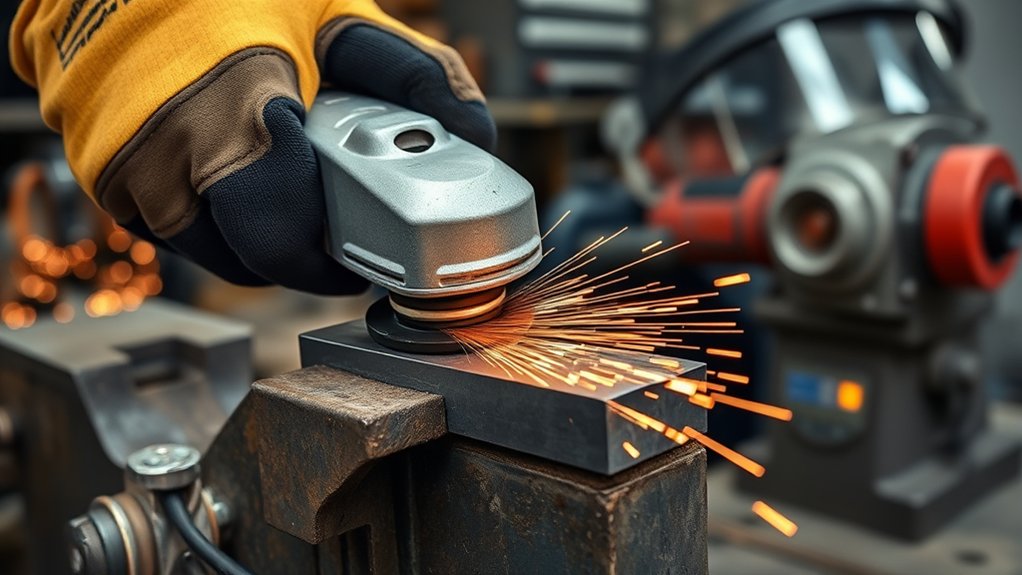
When you use wire wheels, understanding the common risks of snagging is essential for safe operation. Snagging typically occurs when you use wire wheels on edges or corners, where sudden changes in surface contact can cause the tool to jerk unexpectedly. This jerking motion increases the risk of personal injury. Maintaining a proper angle, ideally a 90-degree position, while working is imperative; improper angles can lead to snagging incidents. Additionally, avoid applying excessive pressure, as this can cause the wheel to dig into surfaces, resulting in loss of control. Selecting the right size wire wheel is critical; an oversized wheel creates imbalances that heighten snagging risks. Regularly inspecting your wire wheels for damage and wear will help you identify potential issues before they lead to serious safety concerns. By staying vigilant about these risks, you can enhance your safety and effectiveness when using wire wheels.
Choose the Right Tool and Wire Wheel for Your Task
Choosing the right tool and wire wheel is essential for effective work and safety. Verify the wire wheel’s size and speed rating match your tool to prevent imbalance and snagging. Additionally, select a wire wheel tailored to your specific material and application to optimize performance and minimize risks.
Tool Selection Criteria
Selecting the right tool and wire wheel for your task is essential for achieving best results and safety. Begin by matching the wire wheel size and speed with your power tool to prevent snagging. Choose an appropriate gauge based on your material; finer wires suit delicate tasks, while thicker wires handle aggressive cleaning. The design of the wire wheel—cup, end, or knot—must align with your application and surface shape to minimize snagging risks. Always maintain a 90-degree angle with cutting wheels and adjust for wire brushes to enhance control. Before use, inspect the wire wheel for damage or distortion, as compromised brushes can increase snagging potential.
| Tool Aspect | Considerations |
|---|---|
| Wire Wheel Gauge | Finer for delicate, thicker for tough |
| Tool Angle | 90-degree for cutting, adjust for brushes |
| Design | Cup, end, or knot based on application |
| Inspection | Check for damage or distortion |
Wire Wheel Compatibility
Matching the right wire wheel to your tool is essential for ideal performance and safety. Verify wire wheel compatibility by checking that the size and maximum RPM rating meet your tool specifications; this prevents imbalance and reduces snagging risks. Select the appropriate material type—use stainless steel brushes for non-ferrous metals to avoid damage. Additionally, consider fill density; stiffer brushes work well for aggressive cleaning, while softer options suit delicate finishes. Always maintain a proper angle, ideally between 5 to 15 degrees, for enhanced control. By adhering to these safety guidelines and applying appropriate pressure, you can effectively minimize snagging during operation and guarantee efficient results.
Do These Pre-Use Inspections for Safety
Before using a wire wheel, conduct a thorough visual inspection to identify any rust, damage, or uneven wear that could compromise safety. Next, perform functional testing to guarantee compatibility with your tool’s specifications and verify that all components, including the safety guard, are secure and operational. These steps are essential for preventing accidents and maintaining efficient performance.
Visual Inspection Checklist
To guarantee safety and ideal performance, it’s crucial to conduct a thorough visual inspection of wire wheels before use. Inspect for signs of rust, corrosion, or damage, as these can compromise integrity and lead to snagging. Check for uneven wear or fraying of wire filaments. Confirm the wire wheel’s size and speed rating match your tool to prevent imbalances. Finally, verify that the wire wheel is securely mounted to avoid loosening during operation, increasing snagging risks.
| Inspection Item | What to Look For |
|---|---|
| Rust or Corrosion | Any visible signs of deterioration |
| Wire Filament Wear | Uneven wear or fraying |
| Size and Speed Rating | Compatibility with tool |
| Mounting Security | Firm attachment to prevent loosening |
Functional Testing Procedure
While performing functional testing, it’s essential to follow a systematic procedure that guarantees safety and peak performance of wire wheels. Start by inspecting for damage; check for rust, corrosion, or frayed filaments. Next, verify compatibility by confirming the wire wheel’s RPM rating matches or exceeds your tool’s rating to prevent imbalance. Then, check for proper mounting—secure the wire wheel according to the manufacturer’s specifications to avoid loose attachments that might snag edges. Assess workpiece edges for sharpness or burrs, as smoother edges mitigate snagging risks. Finally, conduct a free spin test by jogging the tool at full speed for 60 seconds, ensuring no vibrations or wobbling occur. This method guarantees safe operational integrity of your wire wheel.
Set Up Your Tool for Safe Operation
Setting up your tool for safe operation is essential to prevent accidents while using a wire wheel. Start by verifying compatibility between the wheel and tool; check the size and RPM ratings to avoid snags. Always inspect the wire wheel for any signs of damage, like fraying or cracks, as compromised brushes can lead to injury.
- Securely attach the wire wheel, confirming it’s mounted correctly.
- Confirm the safety guard is in place for added protection.
- Maintain a proper angle of attack, ideally 90 degrees, to minimize snagging.
Finally, utilize steady and controlled pressure during operation. This approach allows the tool to perform effectively without applying excessive force, further reducing the risk of snagging. By following these steps, you can enhance your safety and efficiency while working with wire wheels.
Learn How to Position Your Tool Correctly
Positioning your tool correctly is essential for effective operation and minimizing snagging risks. For ideal performance, maintain a 90-degree angle between the wire wheel and the workpiece. This guarantees proper contact and reduces the chances of catching on edges. Additionally, orient the wire wheel so the brush moves in the same direction as the workpiece edge, preventing unexpected grabs.
Here’s a quick reference table to help you:
| Tool Type | Recommended Angle | Key Considerations |
|---|---|---|
| Wire Wheel | 90 degrees | Guarantee proper contact |
| Type 29 Flap | 15-35 degrees | Enhance material removal |
| Grip Control | Firm hold | Maintain stability and control |
Adjust your grip to enhance stability, allowing for better maneuverability around edges. Regularly inspect your workspace for sharp edges and potential hazards to further minimize snagging risks.
Avoid Snagging With Light Pressure and Controlled Movements
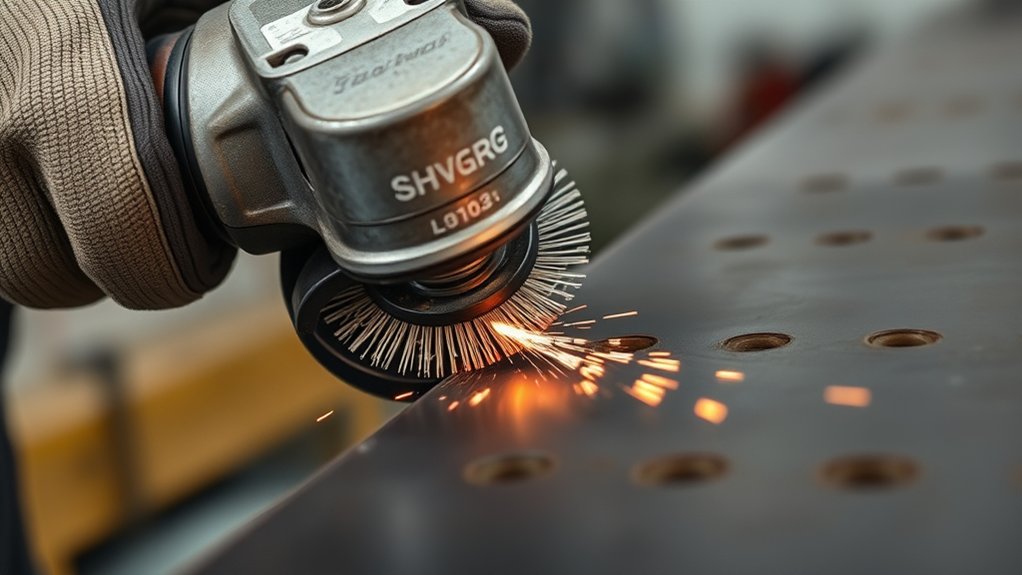
Proper tool positioning sets the stage for effective operation, but maintaining control during use is just as critical to avoid snagging. Applying light pressure allows the wire wheel to do the work, minimizing the risk of catching on edges. Combine this with controlled movement to guarantee consistency, preventing sudden jerks that can lead to snagging.
- Position the wire wheel at an ideal angle of 5 to 15 degrees.
- Keep the wheel in motion; avoid dwelling on edges to prevent catching.
- Regularly inspect for damage to the wire wheel, as wear can increase snagging risk.
Troubleshooting Snagging Issues
When you encounter snagging issues while using a wire wheel, it’s crucial to analyze your technique and adjust accordingly. Always maintain a consistent angle of 90 degrees between the wire wheel and the workpiece. This minimizes snagging risks by preventing the wheel from catching on edges. Use lighter pressure when approaching these areas, allowing the wheel to glide rather than dig in. Also, inspect the wire wheel regularly for signs of wear or damage; frayed wires can increase snagging risks during operation. Confirm the wire wheel’s speed rating matches or exceeds your tool’s RPM to avoid excessive speeds that could lead to snagging incidents. Familiarizing yourself with the workpiece’s surface before performing the tool helps you navigate potential snagging points effectively. Remember, consistency in angle is crucial, as even slight deviations can lead to issues, especially as the wheel may wear down over time.
Maintain Your Wire Wheel for Long-Term Safety and Performance
Maintaining your wire wheel is essential for guaranteeing long-term safety and performance. To achieve this, follow these key practices:
- Regularly inspect wire wheels for signs of wear, such as fraying or missing filaments.
- Store wire wheels in their original packaging or a dry, clean environment to prevent damage from heat or humidity.
- Clean wire wheels after use to remove debris and contaminants that could affect performance.
Additionally, secure proper machine maintenance by matching spindle diameter to wire wheel size. Using oversized brushes can lead to instability, increasing accident risk. Always adhere to the manufacturer’s maximum RPM ratings to operate wire wheels within safe limits. This reduces the chance of breakage and enhances overall safety. By diligently applying these practices, you’ll extend the life of your wire wheels and maintain their effectiveness, guaranteeing a safer working environment.
Frequently Asked Questions
What Are the Safety Precautions for Wire Brushes?
Always wear safety gear like goggles and gloves while using wire brushes. Check materials for rust or fraying, and verify compatibility with your tool’s RPM. Maintain distance from loose items to prevent entanglement during surface preparation.
Should You Wear Gloves When Using a Wire Wheel?
Wearing gloves when using a wire wheel enhances hand protection, but choose snug, durable glove types. Consider grip enhancement and comfort level to mitigate wire wheel hazards while maintaining skin safety and adhering to industry standards.
Does a Wire Wheel Need a Guard?
Yes, a wire wheel needs a guard. It enhances safety by preventing debris from flying, stabilizes various wire wheel types, and supports proper techniques, ensuring efficient use across applications while minimizing risks during operation.
Is a Wire Wheel an Abrasive?
Yes, a wire wheel is an abrasive tool. Its effectiveness varies by wire wheel types and materials. Proper speed, maintenance, and compatibility with applications can enhance advantages while minimizing limitations compared to wire wheel alternatives.
Conclusion
In the dance of metal and wire, mastering the art of snag-free operation is essential. By selecting the right tools, inspecting them diligently, and positioning with precision, you’ll glide through tasks like a seasoned artisan. With light pressure and controlled movements, you’ll tame even the toughest edges. Remember, regular maintenance keeps your wire wheels sharp and ready, ensuring every project sparkles like freshly polished steel. Embrace these steps, and watch your craftsmanship shine without a hitch.