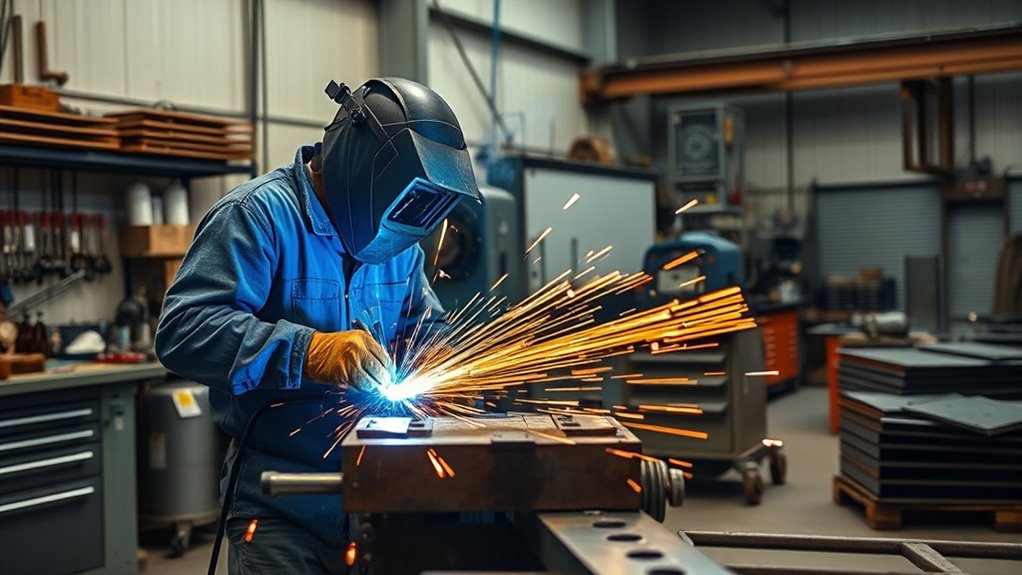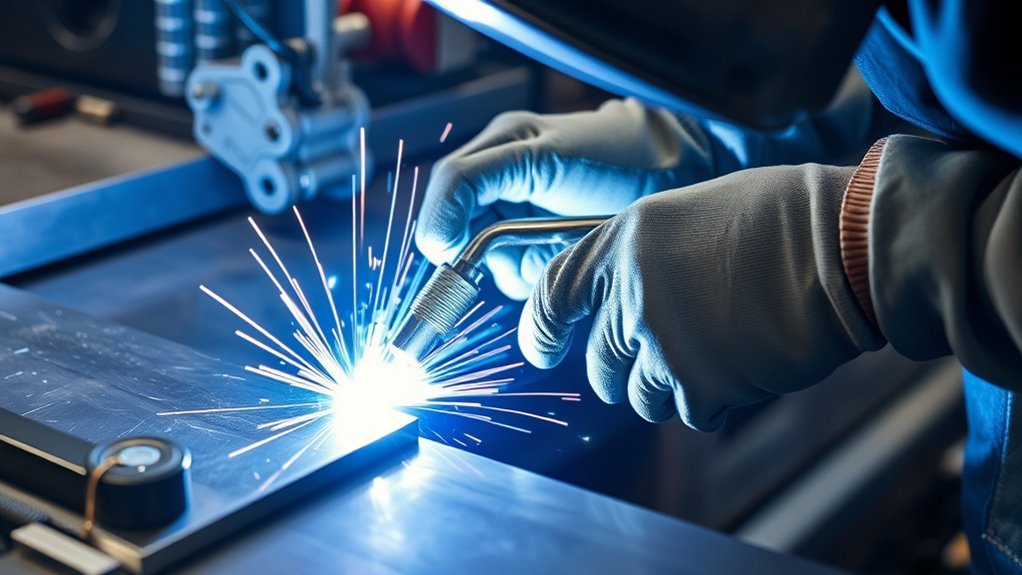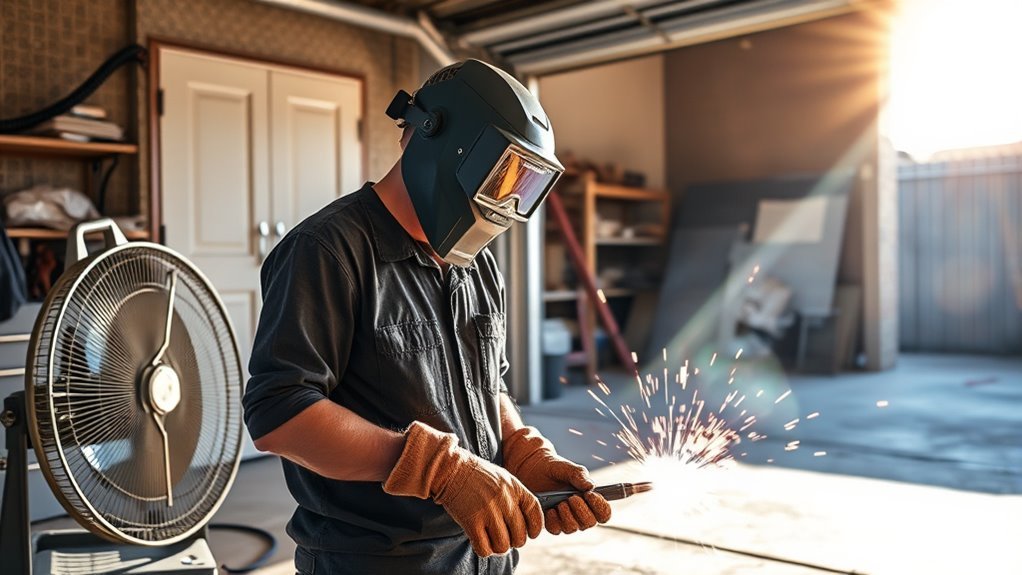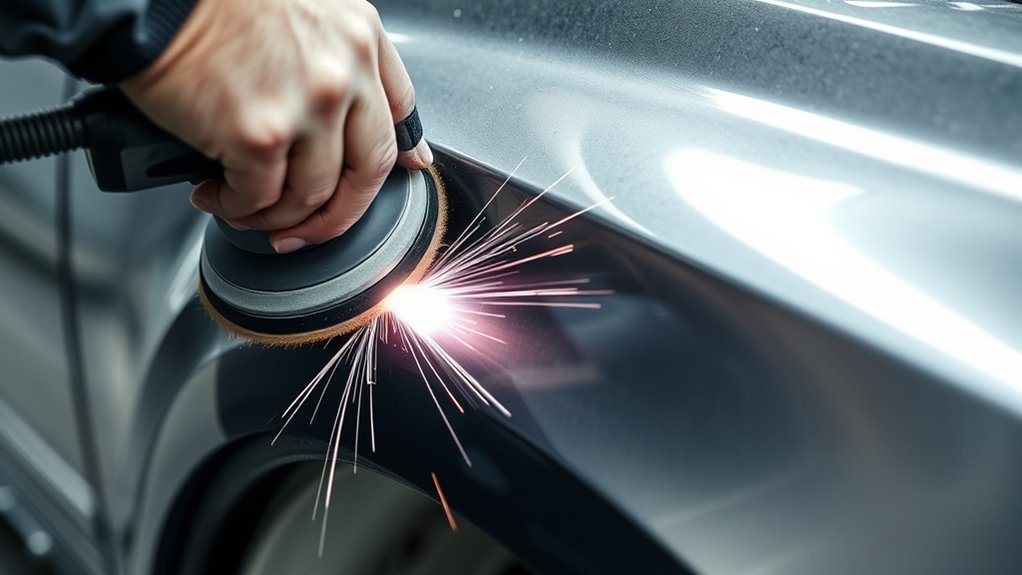
Painting over a weld is not just a paint step. You need to cool the repair, grind it flat, remove every trace of rust and residue, seal the bare steel, level low spots, and build a smooth primer base before color goes on. If you rush any stage, the weld can rust, shrink, map through the paint, or leave a visible repair line.
Quick Answer
To paint over an auto body weld, let the metal cool, grind the bead flush, clean off grease and rust, then seal exposed steel with compatible epoxy primer. Apply body filler only to low spots, block sand, spray high-build primer, guide-coat, sand again, then apply color and clear in light overlapping coats.
Key Takeaways
- Do not paint over a hot, dirty, rusty, or porous weld.
- Use 2K epoxy primer on exposed bare steel unless your paint system calls for a different approved primer.
- Use zinc-rich weld-through primer only on weld flanges or hidden mating surfaces where it is needed, not as the final exposed paint base.
- Body filler should level shallow low spots, not hide weak welds, open pinholes, or active rust.
- Guide coat and block sanding are what make the repair disappear under paint.
At a Glance
| Time Required | Several hours of work, usually spread over 1–3 days because primers, fillers, color coats, and clear coats need flash and cure time. |
| Difficulty | Moderate. The sanding and blending steps take patience and a careful eye. |
| Tools Needed | Flap disc or grinder, sanding blocks, DA sander, 80- to 400-grit abrasives, wax and grease remover, clean towels, epoxy primer, body filler or glaze, high-build primer, guide coat, paint, clear coat, respirator, gloves, eye protection, and fire extinguisher. |
| Cost | About $60–$250 for small repair materials, depending on paint system, primer type, tools already owned, and panel size. |
Warning: Grinding, welding residue, primers, solvents, and spray paint can create sparks, dust, flammable vapors, and harmful fumes. Work in a well-ventilated area, wear eye protection, gloves, hearing protection, and the respirator required by the coating maker. Move combustibles away, keep a fire extinguisher nearby, and use a fire watch when sparks or heat could reach hidden materials. OSHA’s welding, cutting, and brazing standard outlines fire-prevention and ventilation requirements for hot work.
Grind the Weld Flush
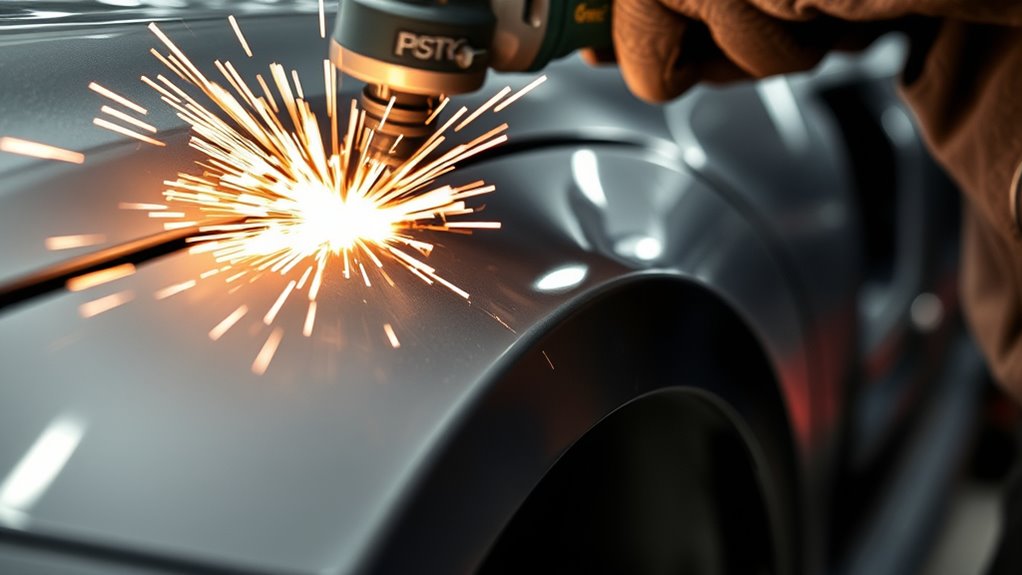
Start by letting the weld cool fully. Then inspect it for cracks, pinholes, missed edges, heavy spatter, and weak spots. Paint will not fix a poor weld, so repair any open defects before you move into bodywork.
Grind the weld flush with a flap disc or grinding wheel so it sits even with the surrounding metal. Use light pressure and controlled passes. Let the disc do the cutting instead of forcing it into the panel.
Begin around 80 grit to knock down the high bead, then step to 180 grit to refine the surface. Keep the grinder moving so you do not dish the panel or overheat the steel.
Pro Tip: Touch the panel often with a bare hand near the repair, not on the fresh grind line. If it feels too hot to touch, stop and let it cool. Excess heat can warp thin auto body sheet metal.
After each pass, wipe the area and check it from a low angle. Look for ridges, pits, crowned weld, or low areas beside the bead. The goal is a smooth metal profile with no sharp edge that can telegraph through primer and paint.
Clean the Weld and Surrounding Metal
Before primer or filler goes on, strip the repair area down to clean, sound material. Grease, old paint, rust, sanding dust, silicone, and weld residue can break adhesion and cause bubbles, fish-eyes, or early rust.
Remove Grease Thoroughly
Use wax and grease remover or the cleaner recommended by your paint system. Wipe with one clean, lint-free towel while the surface is wet, then dry with a second clean towel before the solvent flashes off.
Work into seams, edges, and heat-affected zones where factory oils and grinding dust can hide. Change towels often so you do not drag contamination back across the repair.
Strip Rust, Old Primer, and Loose Coating
Remove all rust, loose primer, weak paint edges, and burned coating around the weld. Sanding, a flap disc, a small abrasive wheel, or a body file can work, depending on access and panel shape.
Feather the surrounding paint edge so there is no hard ridge. A hard paint edge can show as a ring after primer and color coat shrink during cure.
If you find rust pits, clean them back to bright metal. If rust has created thin metal, holes, or weak edges, cut it out and repair the metal before painting. Do not bury active rust under primer or filler.
Choose the Right Primer for the Weld Area
Primer choice matters because each primer does a different job. A common repair uses 2K epoxy primer to seal exposed bare steel, body filler or glaze to level small lows, and high-build primer to fill sanding scratches before paint.
Use zinc-rich weld-through primer only where it belongs: on mating flanges or hidden areas that will be welded, especially when the vehicle maker or repair procedure calls for it. On the exposed face of a repair, do not treat weld-through primer as the final paint foundation unless the product maker and paint system specifically allow it. 3M’s corrosion-protection guidance explains that zinc coatings can protect steel through sacrificial action, while repair choices still depend on the specific repair and OEM procedure.
For the visible outer panel, seal clean bare steel with a compatible epoxy primer or the primer required by your refinish system. Mix, apply, flash, sand, and recoat it exactly as the product technical data sheet says.
Note: Do not mix brands and systems casually. Filler, epoxy primer, high-build primer, basecoat, and clear coat must be compatible. When the product sheet gives a recoat window, sanding grit, flash time, or cure time, follow that sheet over any general rule.
Products Worth Considering
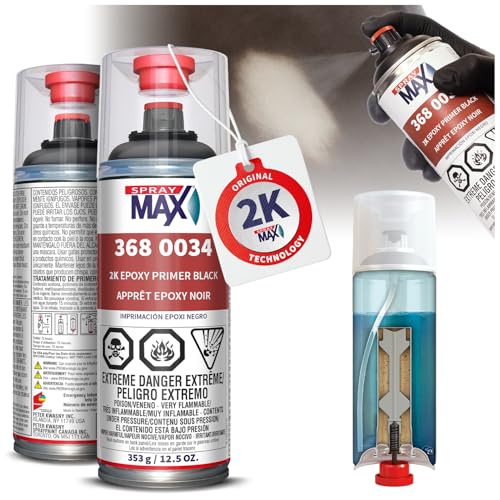
SUPERIOR CORROSION PROTECTION: This epoxy primer automotive coating provides excellent adhesion and rust protection on steel, aluminum, and galvanized metal surfaces – ideal for cars, motorcycles, and restorations.

SUPERIOR CORROSION PROTECTION: This epoxy primer automotive coating provides excellent adhesion and rust protection on steel, aluminum, and galvanized metal surfaces – ideal for cars, motorcycles, and restorations.

Protect Bare Steel With Epoxy Primer
Once the weld area is clean and sanded, apply a compatible 2K epoxy primer to exposed bare steel. Epoxy primer helps seal the metal from moisture and gives the repair a stable foundation for the next layers.
- Blow off dust and wipe the repair with the approved cleaner.
- Mix the epoxy primer and hardener at the required ratio.
- Spray an even coat over all exposed steel and feathered edges allowed by the product sheet.
- Stay inside the product’s filler, sanding, and recoat windows.
Spraying usually leaves a smoother film than brushing. Brush only in tight areas where spraying is not practical, and sand the cured brush marks before you add filler, primer surfacer, or topcoat.
Products Worth Considering
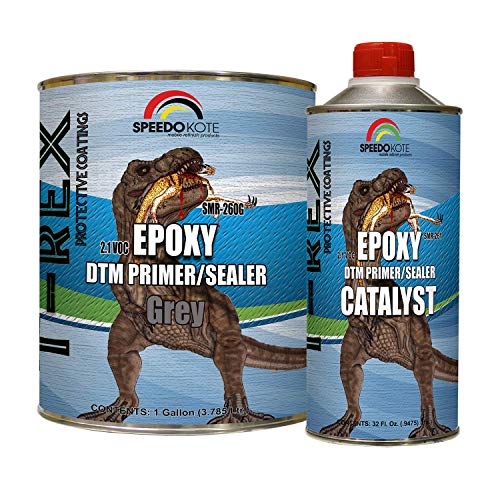
Easy 4:1 mix primer with optional 5-10% reduction with 0 voc reducer (SMR-0075)
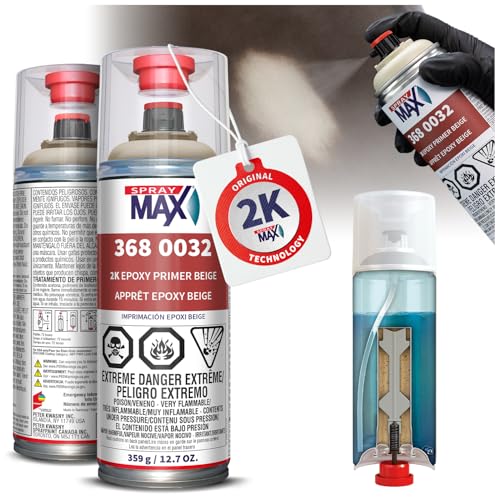
SUPERIOR CORROSION PROTECTION: This epoxy primer automotive coating provides excellent adhesion and rust protection on steel, aluminum, and galvanized metal surfaces – ideal for cars, motorcycles, and restorations.

DURABLE EPOXY PRIMER: Apply this automotive aerosol gray primer on car body panels, aluminium, steel, or fiberglass to create a durable finish, and to effectively prevent rust. Setting the stage the professional way for your new paint job, and extending the lifetime of your new paint. Spray like a pro without the expensive HVLP setup.
Fill Low Spots Over the Weld
After the epoxy reaches the stage allowed by the product sheet, fill only the low spots. Use a metal-compatible body filler or finishing glaze that matches your repair system.
Mix the filler accurately on a clean mixing board. Press it into shallow depressions, then leave it slightly proud so you can sand it back to the panel shape. Do not spread filler over active rust, oil, uncured primer, pinholes that need welding, or flexible seam areas.
- Apply thin layers instead of one heavy smear.
- Shape the first cut with a sanding block so the panel stays flat.
- Use coarser paper only for shaping, then step finer before primer.
- Stop sanding when the surface follows the panel contour.
If pinholes remain in the weld, fix the weld or use the correct finishing glaze only for tiny surface defects. Filler should not be used as a shortcut for poor metalwork.
Block Sand the Repair Smooth
Block sanding is what keeps the repair from looking wavy. Use a flat or flexible sanding block that matches the panel shape, and sand in long crossing strokes instead of small circles.
Start with the grit recommended for your filler and primer system, often around P80 for first shaping and P180 for refinement. Keep the block flat so you cut high spots without digging grooves.
Mist on a guide coat once the repair looks close. Sand again and watch the dark guide coat. Areas that stay dark are low spots. Areas that cut through too fast are high spots.
When the repair feels level by hand and looks even under guide coat, clean off dust and check the edge of the repair. A smooth feathered edge helps primer and color blend without a visible border.
Apply High-Build Primer
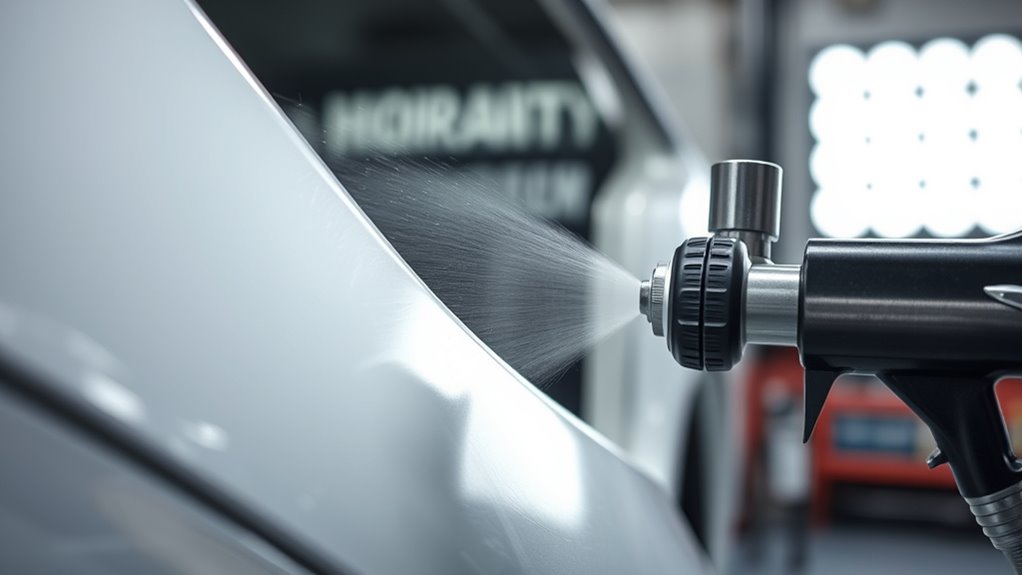
With the repair shaped, spray high-build primer or primer surfacer to fill fine sanding scratches and create a uniform base for paint. Follow your product sheet for mixing, spray-gun tip size, number of coats, flash time, sanding grit, and cure time.
- Clean the panel and mask the surrounding area.
- Spray the first coat evenly over the repair and feathered edge.
- Let it flash, then apply the next coat as directed.
- Allow full cure before final blocking.
After the primer cures, apply a guide coat and block sand again. Use straight, controlled strokes and avoid cutting through to bare metal. If you do cut through, spot-prime that area again before color.
Paint and Blend the Panel
Once the primer is level, clean the panel with approved cleaner, blow out seams, and wipe with a tack cloth. The surface should be dry, dull, smooth, and free of dust before paint.
Apply the color coat in light, even passes. Keep the gun or aerosol moving, overlap each pass, and let each coat flash as directed. Do not flood the repair to force coverage, because heavy coats can run, solvent-pop, or dry unevenly.
| Prep | Dust off, clean, mask, and tack the panel. |
| Basecoat | Spray light coats and blend the color into the surrounding panel. |
| Flash | Wait the specified time between coats so solvents can escape. |
| Clear | Apply clear coat within the basecoat window and extend it far enough for a clean blend. |
| Cure | Let the finish cure before polishing, washing, or reassembling parts. |
If the color looks light, dry, or uneven, add another mist coat rather than piling on wet paint. For metallic or pearl colors, keep your distance and overlap consistent so the flake lays evenly.
Protect Hidden Weld Areas
The outside finish is only half the repair. The backside of the weld, seams, flanges, rocker cavities, wheel openings, and closed panels can rust from the inside if they are left bare.
After the paint system has cured enough for reassembly and corrosion-protection work, apply seam sealer, cavity wax, or undercoating where the OEM repair procedure and product instructions call for it. 3M’s collision repair corrosion protection resources cover non-visible areas, cavity wax, undercoating, weld sealing, and OEM-related procedures.
Do not seal over trapped moisture, grinding dust, or active rust. Clean and dry the area first so the coating can do its job.
Troubleshooting Common Weld Paint Problems
| Problem | Likely Cause | Fix |
| Weld line shows through paint | High bead, low edge, poor blocking, or primer shrink | Block sand, guide-coat, level lows, reprime, and let primer cure fully. |
| Rust returns at the weld | Bare steel, pinholes, backside exposure, or trapped moisture | Repair the metal, seal both sides, and add cavity wax or seam protection where needed. |
| Fish-eyes in primer or paint | Silicone, oil, wax, or dirty towels | Stop, let it cure, sand the defect, clean correctly, and respray. |
| Deep sanding scratches show | Skipped grit steps or too little primer surfacer | Refine the scratch pattern, apply high-build primer, guide-coat, and sand again. |
| Color mismatch | Wrong variant, poor blend area, or uneven metallic layout | Spray a test card, blend farther, and keep gun speed and overlap consistent. |
Frequently Asked Questions
Can you paint over a weld?
Yes, you can paint over a weld after it is cool, sound, clean, sanded, and sealed. Do not paint directly over spatter, rust, grease, porous welds, or bare steel. Grind the bead flush, clean the metal, apply compatible primer, level the repair, and then paint.
What body filler is best for over welds?
Use a quality metal-compatible body filler or finishing glaze that matches your paint system. The weld must be solid, cool, clean, and sanded first. Use filler for shallow lows and small surface flaws only, not for holes, weak welds, or active rust.
Should I use epoxy primer or weld-through primer after welding?
Use epoxy primer on exposed bare steel when the repair face is being prepared for filler, primer surfacer, and paint. Use zinc-rich weld-through primer only on mating flanges or hidden surfaces that will be welded, and only when the repair procedure or product instructions call for it.
What paint should I use after welding?
Use the paint system that matches the vehicle and repair area. Most auto body repairs use epoxy primer, filler as needed, high-build primer, basecoat, and clear coat. Some older or utility finishes may use single-stage paint. Always follow the coating maker’s recoat windows and sanding instructions.
How long should I wait before painting over primer?
Wait as long as the primer’s technical data sheet requires. Flash and cure times change with temperature, humidity, coat thickness, activator speed, and product type. If the primer is outside its recoat window, sand it as directed before applying the next layer.
Conclusion
To paint over a weld cleanly, treat the repair as a full system: grind the weld flush, clean the metal, seal bare steel with compatible primer, fill only the low spots, block sand with guide coat, spray high-build primer, and blend the color and clear with light, controlled coats. Protect the backside and hidden seams too, because a smooth outer finish will not last if moisture can reach the weld from behind.
Sources
- OSHA 1910.252 General Requirements — fire prevention, eye protection, PPE, and ventilation requirements for welding, cutting, and brazing work.
- NIOSH Personal Protective Equipment — respirator, fit testing, and workplace PPE resources.
- 3M Collision Repair Corrosion Protection — corrosion protection, weld-through primer, cavity wax, undercoating, and seam-related repair guidance.
- 3M Paint Shop Resources — feather, prime, block, primer application, masking, and paint application process resources.
- 3M Metal Shop Resources — panel repair, filler, glaze, sanding, scratch refinement, and blend preparation process resources.