To prevent abrasive dust from shortening your tool life, prioritize safety gear like goggles and respiratory protection. Implement regular cleaning techniques, using soft brushes and ultrasonic cleaners. Set up effective dust extraction systems, ensuring a minimum airflow of 100 CFM and the use of HEPA filters. Store tools in dry, well-ventilated areas, using silica gel packets to combat humidity. Conduct routine inspections for signs of wear or damage. Discover more strategies to enhance your tool longevity and efficiency.
Why Abrasive Dust Shortens Tool Life
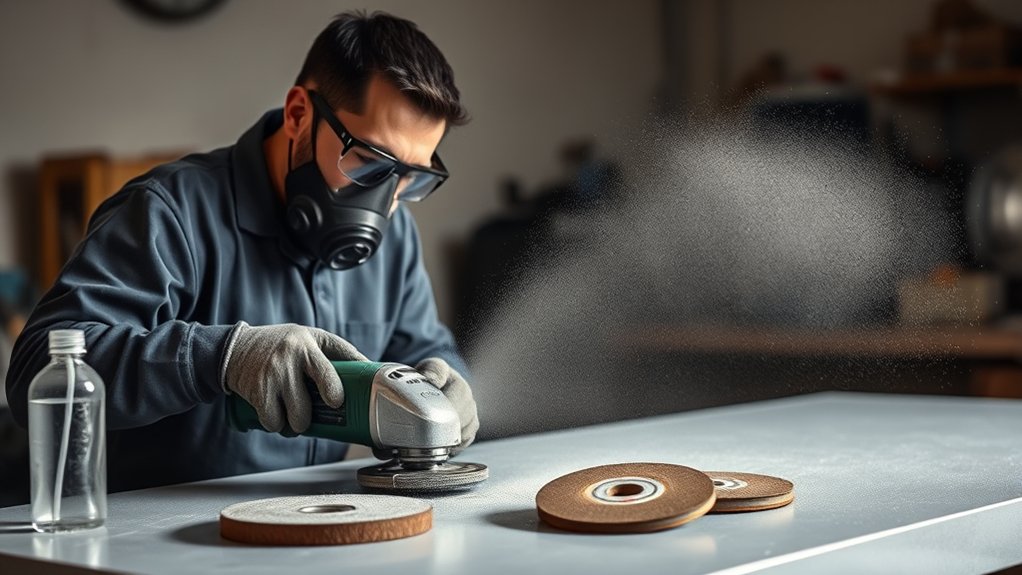
Abrasive dust considerably shortens tool life because it increases friction between cutting surfaces, which generates excessive heat. This heat accelerates wear, diminishing the lifespan of your abrasive tools. Dust accumulation can also obstruct proper lubrication, leading to higher operating temperatures and premature failure. When fine particles infiltrate moving parts, they cause abrasion and damage over time, compounding the wear issue.
Moreover, regular exposure to abrasive dust can foster corrosion, particularly when moisture is present. This combination deteriorates tool integrity, making effective maintenance essential. You’ll find that tools in high-dust environments require more frequent servicing and replacement, escalating your operational costs. To mitigate these effects, you must implement strategies to prevent moisture and manage dust levels effectively. By addressing these factors, you can markedly enhance the durability and performance of your tools, ensuring they operate efficiently and reliably in demanding conditions.
Essential Safety Gear to Protect Against Dust Exposure
In high-dust environments, prioritizing safety gear is essential to protect yourself from the hazards associated with abrasive operations. Implementing the right Protective Equipment guarantees you minimize risks effectively. Here are three essentials you shouldn’t overlook:
In high-dust environments, essential safety gear is crucial for protecting against abrasive hazards and minimizing risks effectively.
- Safety Goggles or Face Shields: These are critical for shielding your eyes from flying debris and dust particles, preventing serious injuries.
- Respiratory Protection: A quality respirator is important, especially when working with hazardous materials. It guards against inhaling toxic dust, a key Safety Best for long-term health.
- Protective Gloves: Not only do they shield your skin from sharp edges and abrasives, but they also enhance grip and control, reducing the risk of slips.
Regular Cleaning Techniques to Minimize Dust Accumulation
To maintain ideal tool performance, you’ll need to implement effective cleaning tools and techniques. Establishing a routine maintenance schedule and employing proper storage methods are essential for minimizing dust accumulation. By focusing on these aspects, you can greatly extend your tool’s lifespan and efficiency.
Effective Cleaning Tools Selection
Selecting the right cleaning tools is essential for maintaining your equipment’s longevity and performance. To effectively minimize dust accumulation, consider these options:
- Soft Brush or Cloth: Use these immediately after each use to remove abrasive dust and debris, ensuring your tools remain efficient.
- Ultrasonic Cleaners: For heavy build-up, these devices can thoroughly clean without damaging materials, making them ideal for delicate tools.
- Mild Soap Solution: For stubborn residues, employ a water and mild soap mixture, and dry tools promptly to prevent rust.
Routine Maintenance Schedule
Maintaining tools effectively requires a consistent routine maintenance schedule that emphasizes regular cleaning techniques. Clean your tools after each use to eliminate metal shavings, dust, and coolant residues, which can erode cutting efficiency and lead to overheating. Use a soft brush or cloth for light cleaning, and for stubborn build-up, consider ultrasonic cleaners without harsh chemicals that might damage carbide materials. Implement a routine inspection schedule to guarantee your tools are free from harmful residues, safeguarding both safety and reliability. Regularly apply light oil or silicone spray to moving components to minimize friction and wear, maintaining peak performance. This routine maintenance is essential to confirm each tool for the job remains reliable and efficient.
Proper Storage Techniques
While proper storage techniques may seem secondary, they play an essential role in minimizing dust accumulation and preserving tool integrity. To guarantee workplace safety and extend tool lifespan, follow these steps:
- Clean Tools Regularly: After each use, remove abrasive dust and residues to prevent erosion of cutting efficiency.
- Use Designated Containers: Store tools in clean, dry environments using appropriate toolboxes to avoid dust and moisture exposure.
- Incorporate Silica Gel: Place silica gel packets in storage areas to absorb excess humidity, further protecting tools from corrosion.
Implementing these strategies not only maintains tool performance but also fosters a safer working environment. Regularly inspect tools for dust build-up or damage, guaranteeing timely maintenance and operational efficiency.
Setting Up Dust Extraction Systems
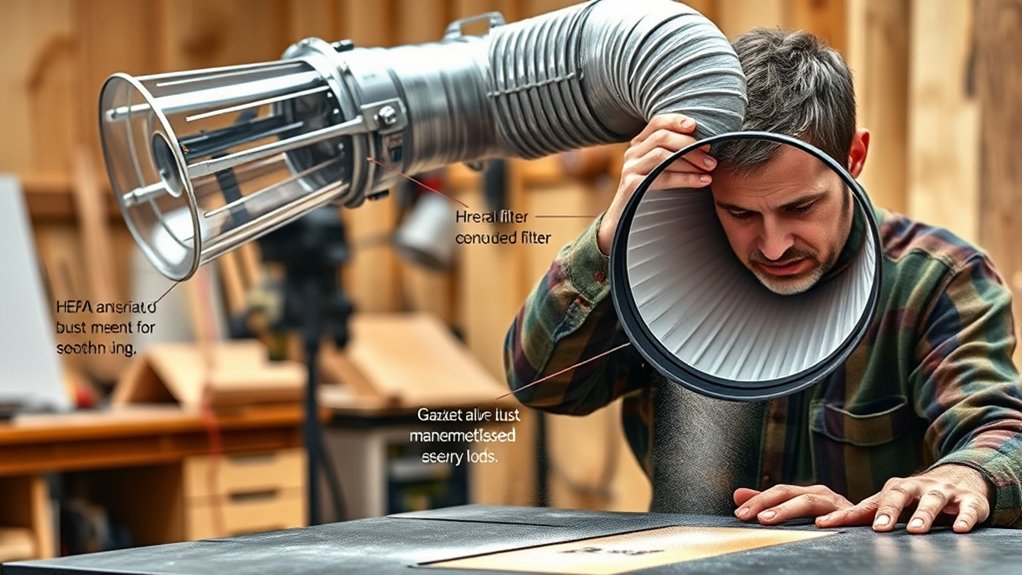
Setting up an effective dust extraction system requires careful design and the right equipment selection to match your tools’ airflow needs. Regular maintenance practices are critical to guarantee peak performance and prevent dust build-up that can harm both air quality and tool longevity. By adopting these strategies, you can greatly reduce abrasive dust exposure and extend the life of your tools.
Effective System Design
To guarantee your tools last longer and maintain a safe working environment, designing an effective dust extraction system is vital. Follow these key steps:
- Airflow Requirement: Confirm your system achieves a minimum airflow of 100 CFM to effectively capture dust at the source.
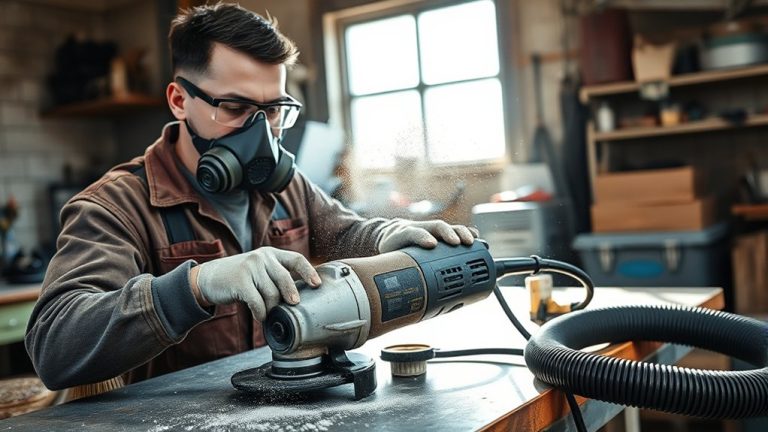
- HEPA Filters: Integrate high-efficiency particulate air (HEPA) filters to trap fine particles, preventing them from damaging your tools and re-entering the workspace.
- Hood Positioning: Position the extraction hood within 6 inches of the dust generation area to maximize capture effectiveness.
Regular maintenance, including cleaning filters and ducts, is essential for peak performance. By implementing these practices, you’ll greatly reduce airborne particles, extend tool lifespan, and enhance operator safety.
Proper Equipment Selection
Selecting the right dust extraction equipment is essential for optimizing performance and guaranteeing safety during abrasive operations. Implementing an effective system can reduce airborne particles by up to 10,000 times, greatly improving tool longevity. Choose extraction systems compatible with your specific tools to guarantee efficient capture of harmful particles. Position systems close to the operation point to enhance efficiency and minimize dust dispersion.
| Equipment Type | Key Features |
|---|---|
| HEPA Filters | Captures fine dust particles |
| Portable Extractors | Flexibility for various workspaces |
| Centralized Systems | Extensive dust control |
| Cyclone Separators | Reduces load on filters |
| High CFM Units | Maintains appropriate pressure |
Regular Maintenance Practices
Maintaining your dust extraction system is essential for maximizing its efficiency and prolonging tool life. By implementing regular maintenance practices, you can greatly reduce wear and tear on your equipment. Here are three key steps to follow:
- Routine Cleaning: Regularly clean filters and ducts to prevent clogging, guaranteeing ideal airflow and performance.
- HEPA Filters: Utilize high-efficiency particulate air (HEPA) filters to capture fine dust particles effectively, protecting both your tools and your health.
- Positioning: Verify dust extraction units are positioned close to the work area for maximum dust capture, minimizing abrasive dust accumulation.
Proper Storage Solutions for Abrasive Tools
When you store abrasive tools properly, you greatly extend their lifespan and maintain their effectiveness. Start by placing your cutting tools in a clean, dry, and well-ventilated environment, as moisture can lead to corrosion. Use designated tool holders or cases to prevent chipping and dullness; tossing tools into a toolbox invites damage. Incorporating silica gel packets in your storage areas helps absorb excess humidity and further protects against rust.
Additionally, keep your tools elevated off the ground to avoid moisture exposure and store them away from extreme temperatures that could compromise their integrity. Label storage areas for easy identification, ensuring you promote proper usage and maintenance practices for each tool. By adopting these proper storage solutions, you safeguard your investment and enhance the longevity of your abrasive tools.
Conducting Routine Inspections for Tool Wear and Damage
Regularly inspecting your abrasive tools is essential for maintaining their performance and safety. Conduct routine inspections every few weeks to prevent unnecessary wear and guarantee peak operation. Focus on the following key areas:
Regular inspections of abrasive tools every few weeks are crucial for optimal performance and safety, preventing unnecessary wear and ensuring peak operation.
- Dull Edges and Cracks: Examine cutting edges for dullness or cracks that could compromise the tool’s integrity.
- Overheating Discoloration: Look for any discoloration, as this indicates excessive heat and potential thermal damage.
- Loose Fittings: Check all components to ensure they’re securely attached, preventing accidents during operation.
Additionally, maintain a detailed maintenance log to track inspection dates and findings. This helps you predict when tools may need regrinding or replacement. Don’t overlook cutting patterns; uneven wear can signal that a tool isn’t functioning at its best and may require immediate attention. Regular inspections not only enhance tool longevity but also safeguard your workspace.
Key Practices for Safely Using Abrasive Tools
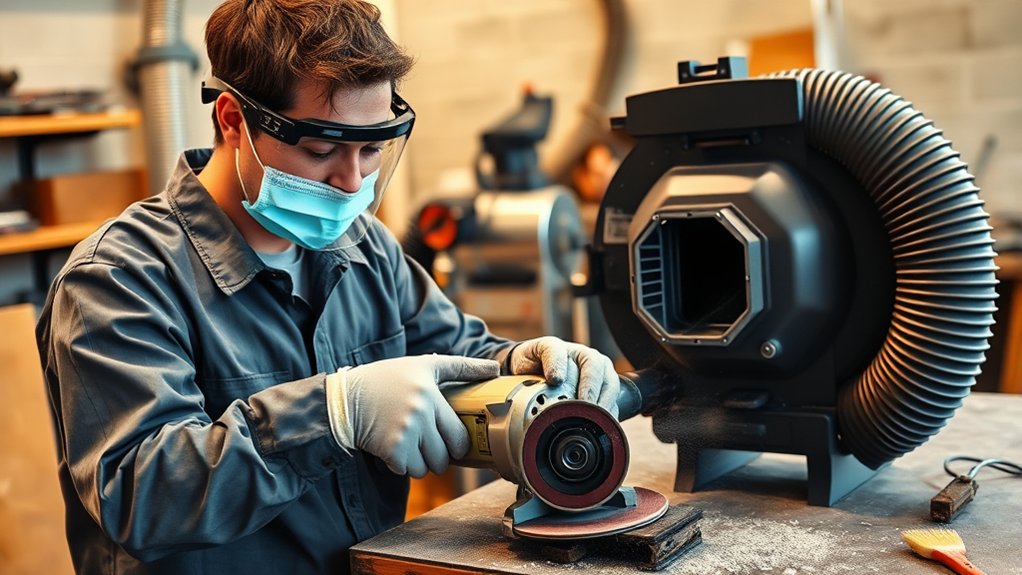
To guarantee safe and effective use of abrasive tools, it’s crucial to adopt key practices that minimize risk and enhance performance. Implementing the following safety procedures can help prevent accidents and prolong tool life:
| Practice | Description | Purpose |
|---|---|---|
| Inspect Tools | Always check abrasives for chips or cracks before use. | Prevents tool malfunction. |
| Use Personal Protective Gear | Wear safety goggles and gloves during operations. | Minimizes injury risk from debris. |
| Match Speed Ratings | Verify tool speeds align with abrasive specifications. | Prevents dangerous conditions. |
Additionally, maintain a regular cleaning routine post-operation to eliminate metal shavings and dust, and store tools in a clean, dry environment to prevent rust. These practices are crucial in promoting both safety and performance in abrasive tasks.
Choosing the Right Abrasive Products for Your Tools
Choosing the right abrasive products for your tools is essential for maximizing efficiency and longevity. Selecting appropriate abrasives minimizes wear and enhances performance. Here are three key factors to take into account:
- Speed Rating: Always match abrasives to your tool’s RPM rating. Mismatched ratings can cause dangerous conditions and increase wear.
- Material Compatibility: Use abrasives designed for specific materials. For instance, zirconia abrasives work best on metal, while ceramic abrasives excel in high-pressure applications.
- Size and Shape: Choose the correct size and shape of abrasives to minimize imbalance and vibrations, which can adversely affect tool life.
Additionally, pay attention to the bond type; resin bonds suit high-speed tasks, while vitrified bonds provide durability for heavy grinding. Regularly check and replace worn abrasives to maintain ideal performance and prevent unnecessary strain on your tools.
Maintaining a Clean Work Environment: Tips and Techniques
Maintaining a clean work environment is essential for prolonging tool life and guaranteeing peak performance. Start by regularly cleaning your workspace to prevent abrasive dust accumulation, which can lead to premature tool wear. Use vacuum systems or dust extraction equipment to capture airborne particles, minimizing dust buildup around your tools. Implement a routine cleaning schedule; wipe down surfaces and tools after each use to maintain safety and functionality.
Store your tools in clean, dry areas with desiccant packs to absorb moisture, reducing the risk of corrosion and further dust accumulation. Ascertain proper ventilation in your workspace to disperse dust and improve air quality, protecting your tools from abrasive wear. These practices not only enhance the longevity of your tools but also create a safer working environment, empowering you to focus on your craft without compromise.
Frequently Asked Questions
What Are the Safety Precautions for Abrasive Cleaners?
When using abrasive cleaners, always wear safety gear, including protective eyewear and dust masks. Confirm proper ventilation systems are in place to minimize airborne particles, reducing health risks and enhancing your work environment’s safety.
How May You Stop or Reduce the Amount of Dust Produced by the Use of Abrasive Wheels?
To minimize the cloud of particles, prioritize dust collection systems and meticulous wheel maintenance. Regularly inspect your abrasive wheels and employ coolants to enhance performance, keeping your workspace clean and your tools performing at their best.
What Is the Best Way to Limit Exposure to Dust When Using Power Tools?
To limit exposure to dust when using power tools, employ effective filtration systems, utilize dust control methods like vacuum attachments, and guarantee your workspace has proper ventilation. These strategies greatly reduce airborne particles and enhance safety.
What Should You Try to Do First in Order to Reduce the Risks From Abrasive Wheels?
Start with wheel maintenance. Inspect for cracks, damage, and expiry dates. Implement dust extraction systems to minimize airborne particles, enhancing safety and tool longevity. Prioritize these steps to effectively reduce risks associated with abrasive wheels.
Conclusion
To safeguard your tools and enhance their lifespan, consistently implement the strategies outlined. Did you know that abrasive dust can reduce tool life by up to 50% if not properly managed? By investing in effective dust extraction systems and adhering to regular cleaning practices, you can greatly mitigate wear and tear. Remember, a clean work environment not only protects your tools but also promotes safety and efficiency in your operations. Take these steps to guarantee peak performance and longevity.