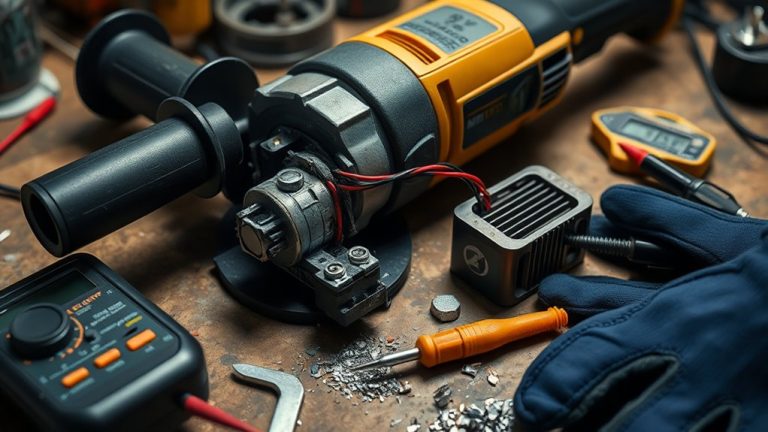
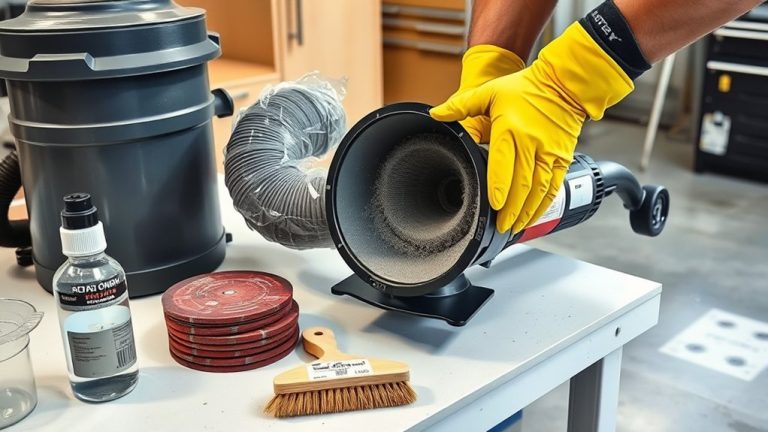
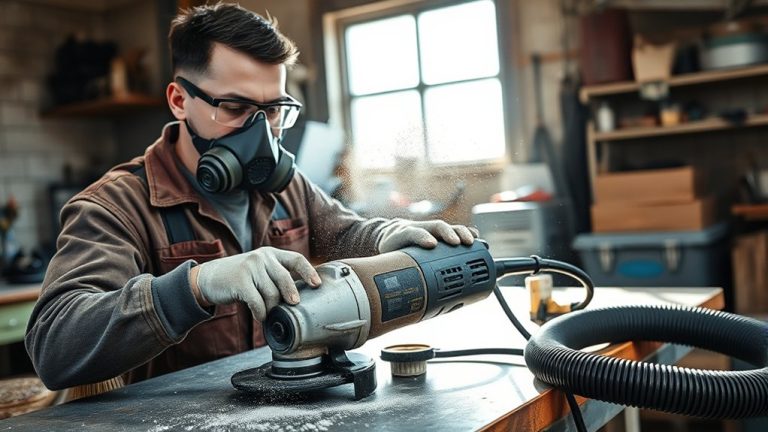
To prevent overload damage when grinding, you need to understand your equipment’s load capacity and monitor operational parameters regularly. Confirm proper equipment calibration and conduct routine inspections to check for wear and loose components. Use overload protection devices to automatically shut down equipment during excessive force. Train operators to recognize signs of overload, such as unusual noises and vibrations. These practices enhance safety and extend equipment life, and there’s more you can do to optimize performance.
What You Need to Know About Overload Damage?
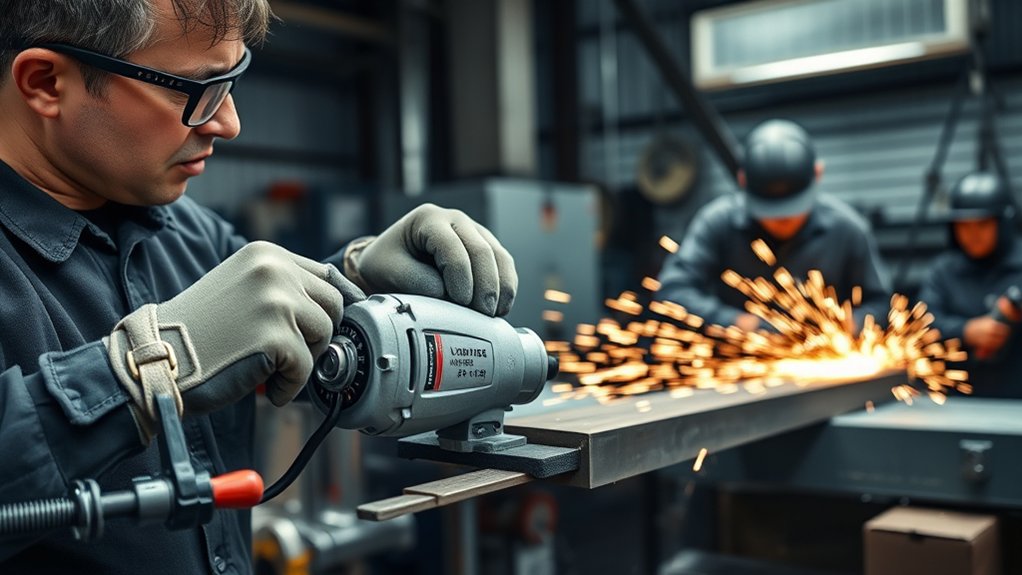
Overload damage in grinding can spell disaster for your equipment and operations. When grinding equipment endures excessive material or force, mechanical failure and reduced efficiency are often the results. Pay close attention to common indicators of overload: unusual noises, increased vibration, and thermal overload warnings from monitoring systems.
Always adhere to the maximum operating speed (MOS) for abrasive discs; exceeding this can lead to catastrophic failures and serious injuries. Continuous overload not only compromises performance but also causes premature wear on components like bearings, resulting in costly repairs and extended downtime.
To safeguard your operations, regularly monitor operational parameters and strictly follow manufacturer specifications. This preventive approach is essential to avoid overload damage and guarantee the safe and efficient use of your grinding equipment. By staying vigilant, you can maintain productivity and extend the lifespan of your machinery.
Why Equipment Calibration Prevents Overload Damage
When grinding equipment operates within its specified parameters, the risk of overload damage greatly decreases. Proper equipment calibration is essential in ensuring that machines run efficiently, effectively minimizing the chances of component failure. Regular calibration checks maintain the correct Closed Side Setting (CSS) on crushers, preventing excessive pressure on materials and reducing wear on grinding surfaces.
Accurate calibration enhances grinding efficiency by ensuring ideal material feed rates, which helps avoid jams and overload situations. Maintaining the correct operating speed through consistent calibration prevents overheating and mechanical failure, extending the lifespan of your equipment.
Keeping up-to-date calibration records allows you to track performance changes and make timely adjustments, ultimately reducing the risk of catastrophic overload failures. By prioritizing calibration, you empower yourself to protect your investment and enhance operational safety, ensuring a smoother grinding process.
Using Overload Protection Devices
Using overload protection devices is vital for safeguarding your grinding equipment. These devices not only enhance safety by preventing equipment failure but also reduce maintenance costs considerably. In this section, you’ll learn about the key benefits, types of devices available, and essential installation and maintenance tips.
Key Benefits of Overload Protection
Ensuring equipment reliability is essential in grinding operations, and that’s where overload protection devices come into play. These devices automatically shut down equipment when excessive force is detected, preventing damage to motors and components. By reducing wear and tear associated with overload conditions, they considerably extend the lifespan of your machinery.
For operators and maintenance personnel, implementing overload protection enhances safety by minimizing the risk of accidents due to equipment malfunctions. Additionally, many systems offer real-time monitoring and alerts, allowing for quick responses to potential issues and minimizing downtime. Overall, utilizing overload protection enhances productivity, ensuring consistent operation within safe parameters and reducing unexpected breakdowns. This proactive approach empowers you to maintain operational efficiency and equipment integrity.
Types of Overload Devices
Overload protection devices play a vital role in safeguarding grinding operations from potential damage. They help prevent accidental overloads that can lead to costly repairs and downtime. Here are three essential types of overload protection devices:
- Thermal Overload Relays: Automatically shut down equipment when excessive current is detected, preventing overheating.
- Mechanical Overload Clutches: Disengage the drive system when torque exceeds a preset limit, guaranteeing safe operation.
- Electronic Overload Relays: Monitor current levels and provide alerts or shutdowns, enhancing safety and equipment longevity.
Incorporating these devices in your grinding operations is essential. Regular testing verifies they function effectively, maintaining operational integrity and preventing overload damage.
Installation and Maintenance Tips
When installing overload protection devices, it’s important to follow the manufacturer’s specifications to guarantee peak performance. Verify these devices, like thermal overload relays, are correctly set up to automatically cut power during overload conditions. Regular maintenance checks are vital; inspect and test protection devices often to confirm they function properly. Replace any faulty components immediately to prevent grinding damage. Implement monitoring systems to track motor load and vibration levels, enabling real-time detection of overload situations. Use appropriately sized devices that match your motor and grinding equipment specifications for reliable performance. Finally, conduct routine maintenance checks on all wiring and connections related to overload protection to eliminate potential electrical faults that could compromise safety.
Inspect and Maintain Your Equipment Regularly
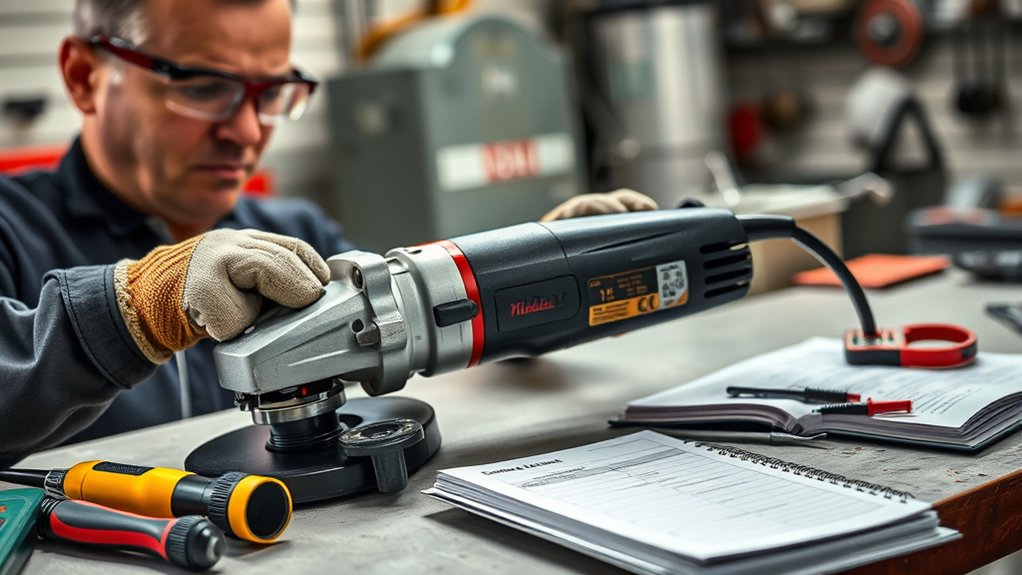
Regular inspections and maintenance of your grinding equipment are essential for preventing overload damage. By taking proactive steps, you can guarantee grinder safety and enhance the longevity of your machinery. Here are three key practices to follow:
Regular inspections and maintenance of grinding equipment are crucial for ensuring safety and extending machinery lifespan.
- Conduct Daily Visual Inspections: Check for wear, loose components, and any signs of damage that could lead to overload situations.
- Maintain Lubrication Systems: Confirm bearings and moving parts operate smoothly to minimize overheating risks and mechanical failures.
- Schedule Routine Maintenance Checks: Assess electrical systems, including circuit breakers and overload protection devices, to prevent sudden stoppages.
Monitoring Material Feed Rates to Avoid Overloads
To prevent overload damage when grinding, you need to monitor material feed rates closely. Make certain that your feed rates align with the grinder’s load capacity and adjust them based on the material’s characteristics. By implementing proper material sizing techniques and consistent monitoring, you can maintain peak equipment performance and avoid potential overloads.
Proper Material Sizing Techniques
Monitoring material feed rates is essential for maintaining ideal grinding performance and preventing overload damage. To guarantee effective operation, consider implementing these proper sizing techniques:
- Screening: Use screening methods to eliminate oversized particles before they reach the grinder, minimizing torque demands.
- Regular Inspections: Conduct frequent checks on your grinding equipment for signs of wear or damage, addressing any issues promptly.
- Automated Controls: Implement automated feed control systems that adjust material input based on real-time conditions, maintaining efficient throughput.
Consistent Feed Rate Monitoring
Consistent feed rate monitoring is crucial for enhancing grinding processes and preventing equipment overload. You need to monitor feed rates closely to verify they align with the grinder’s specifications. Exceeding recommended rates can lead to serious damage. Using flow meters or scales allows you to measure in real-time, helping maintain ideal conditions. Implement automatic feed control systems to adjust based on fluctuations, minimizing overload risks. Regularly analyze production data to spot trends and make proactive adjustments. Training operators on the importance of monitoring feed rates will help extend your grinder’s lifespan and prevent malfunctions.
| Action | Benefit | Frequency |
|---|---|---|
| Monitor Feed Rates | Prevent Overload | Continuous |
| Use Flow Meters | Verify Accuracy | Each Shift |
| Analyze Data | Identify Trends | Weekly Review |
| Train Operators | Improve Efficiency | Quarterly Sessions |
Equipment Load Capacity Awareness
Understanding the equipment load capacity is essential for preventing overload damage during grinding operations. By keeping a keen eye on material feed rates, you can avert mechanical failures. Here are three key strategies:
- Use flow meters or load cells to measure material input accurately.
- Implement a real-time monitoring system that alerts you when feed rates exceed manufacturer limits.
- Train operators to recognize signs of overload, like unusual vibrations or excessive noise.
Regularly evaluating feed rates not only helps maintain ideal operating conditions but also empowers you with equipment load capacity awareness. This proactive approach is crucial for preventing overload and ensuring the longevity and efficiency of your grinding operations.
How to Train Operators to Identify Overload Risks?
To effectively train operators in identifying overload risks, it’s crucial to focus on recognizing key indicators such as unusual sounds, increased vibrations, and abnormal temperature readings. Develop a curriculum that emphasizes adhering to manufacturer specifications for maximum load limits and operational parameters. Incorporate hands-on training sessions that simulate overload scenarios, allowing operators to practice identifying and responding to potential risks.
| Indicator | Description | Action Required |
|---|---|---|
| Unusual Sounds | Grinding equipment making odd noises | Inspect immediately |
| Increased Vibrations | Noticeable shaking or movement | Check for misalignment |
| Abnormal Temperatures | High readings on equipment | Shut down to cool off |
| Routine Inspections | Regular checks of grinding equipment | Follow checklist for safety practices |
Encourage a culture of communication where operators can report unusual performance, ensuring proactive measures to mitigate overload risks effectively while using personal protective equipment.
Establishing Effective Communication for Reporting Issues
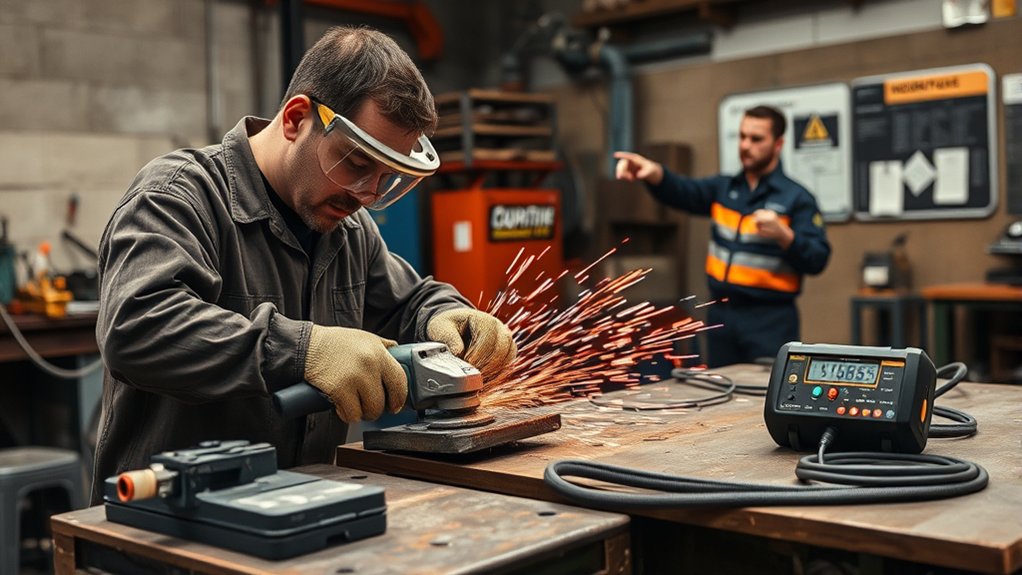
While effective communication is essential for maintaining safe grinding operations, establishing a clear reporting protocol can greatly reduce the risk of overload damage. Here are three key steps to enhance your reporting system:
- Immediate Reporting: Encourage all personnel to communicate issues as soon as they arise, minimizing the chance for overload situations to escalate.
- Regular Safety Meetings: Implement consistent safety meetings to review reporting methods, ensuring every team member understands how to communicate equipment malfunctions.
- Visual Aids: Use signage and charts in the workplace to reinforce the importance of reporting irregularities and guide employees through the process.
Fostering a culture of openness is vital. Employees should feel comfortable sharing concerns without fear of repercussions. Additionally, training operators to recognize signs of impending overload equips them with the knowledge to report issues proactively, ultimately safeguarding your operations.
Best Practices for Grinding Safety and Equipment Longevity
When selecting grinding equipment, it’s crucial to choose discs that match both the specifications of your grinder and the materials you’re working with. This guarantees safety when using the equipment and prevents excessive load or potential disc failure. Regularly inspecting and maintaining your equipment is another best practice; keep all components, especially the motor and bearings, in peak condition to avoid overload situations.
During grinding, maintain steady pressure and avoid excessive force to prevent overheating and damage. Implement effective dust control measures, as dust buildup can strain the equipment and lead to overheating. Additionally, actively monitor operational parameters like temperature and vibrations; these indicators can help you identify early signs of overload. By following these best practices, you’ll not only enhance safety when using the equipment but also promote longevity, guaranteeing your grinding tasks are efficient and risk-free.
Frequently Asked Questions
What Are 10 Safety Precautions Before Using a Grinding Machine?
Before using a grinding machine, check your grinding tools, wear personal protective equipment, inspect the grinder for damage, secure the workpiece, select appropriate discs, maintain a clear workspace, and guarantee proper ventilation.
What Safety Procedure Should You Follow When Using a Grinder?
Before using a grinder, conduct thorough equipment inspection and prioritize grinder maintenance. Confirm guards are secure, select the right disc, and maintain a firm grip to enhance safety and prevent overload damage during operation.
Which Safety Precautions Should Be Taken While Grinding a Drill?
Always wear eye protection while grinding a drill. Guarantee proper drill maintenance by inspecting for wear, securing the drill, and selecting the right grinding disc. Keep a firm grip to maintain control throughout the process.
What Precautions Should You Take When Grinding With High Precision?
When grinding with high precision, use appropriate precision techniques, select suitable grinding materials, maintain consistent angles, apply even pressure, and secure your workpiece. Regularly inspect tools to avoid overload and guarantee peak performance.
Conclusion
By prioritizing preventive practices, you can greatly safeguard your grinding operations from overload damage. Regularly calibrating equipment, employing effective overload protection devices, and monitoring material feed rates will help you maintain machinery health. Training operators and fostering open communication about potential risks can further enhance safety. Remember, a proactive approach to grinding safety not only prolongs equipment life but also promotes productivity. Stay sharp, stay safe, and safeguard your systems with sound strategies.