After welding an automotive seam, seal it only after the weld is dressed, the surrounding metal is feathered, and the repair area is clean, dry, and compatible with the seam sealer you plan to use. The goal is simple: cover the joint with a flexible, continuous bead that blocks water, road salt, and debris while matching the factory seam shape.
Quick Answer
To apply seam sealer after welding, dress the weld, feather the nearby scratches, scuff the repair area, clean it with the correct solvent, let it dry, then apply a thin continuous bead over the joint. Tool the bead before it skins, remove masking tape right away, and follow the product sheet for primer, paint, and cure times.
Key Takeaways
- Use the seam sealer only on surfaces approved by its technical data sheet, such as bare metal, epoxy primer, e-coat, or scuffed paint.
- Do not seal over dust, oil, solvent puddles, loose rust, weld scale, or sharp weld edges.
- A thin, continuous bead seals better than a thick, messy bead that traps air or skins unevenly.
- Tool the sealer while it is still workable, then remove masking tape before the edge starts to cure.
- Protect the back side of the weld or cavity after sealing, because corrosion often starts where you cannot see it.
At a Glance
| Time Required | 30 to 90 minutes of active work, plus product-specific cure and paint time |
| Difficulty | Moderate DIY or body-shop repair skill |
| Tools Needed | 80-grit abrasive, 180-grit abrasive, maroon scuff pad, lint-free cloths, wax-and-grease remover, masking tape, seam sealer gun or applicator, spreader or profiling tool, PPE |
| Cost | Usually $15 to $60 for seam sealer, plus abrasives, solvent, tape, and applicator supplies |
Warning: Wear eye protection, gloves, and a suitable respirator when sanding, cleaning, welding-adjacent metal, or applying chemical seam sealer. Keep solvent vapors and flammable materials away from sparks, heat, and open flames. Always read the product’s safety data sheet and technical data sheet before use.
Choose the Right Seam Sealer Before You Start
Before you prep the weld, confirm that your seam sealer matches the repair surface. Some products are direct-to-metal seam sealers, while others are designed for epoxy primer, e-coat, properly scuffed paint, or other approved coatings. Do not guess. The product sheet controls where the sealer can go, how thick the bead should be, when it can be painted, and when it reaches full cure.
For automotive welded seams, look for a sealer with strong adhesion, flexibility, corrosion resistance, and paint compatibility. A rigid product can crack as the panel moves. A product that is not approved for your paint system can cause poor adhesion, lifting, fisheyes, soft edges, or topcoat defects.
| Seam Sealer Type | Best Use | Main Check |
|---|---|---|
| Direct-to-metal sealer | Bare steel or approved bare metal repairs | Confirm bare-metal approval and corrosion-protection steps |
| Two-part epoxy or urethane sealer | Structural-looking body seams and faster cure needs | Use the correct mixing nozzle and working time |
| One-part seam sealer | Small repairs and non-structural sealing | Allow enough dry and cure time before topcoating |
| Brushable seam sealer | Factory-style brushed trunk, floor, and wheelhouse seams | Match the original texture and paint window |
Note: If the vehicle maker requires epoxy primer before seam sealer, follow that repair procedure. If the sealer maker allows direct-to-metal use, the product still needs clean, dry, properly abraded metal.
Products Worth Considering

VERSATILITY AND QUALITY IN ONE - Sometimes simply called Sika 221 black, this one-component urethane caulk bonds to a range of substrates, including metals, plastics, and metal primers and coatings
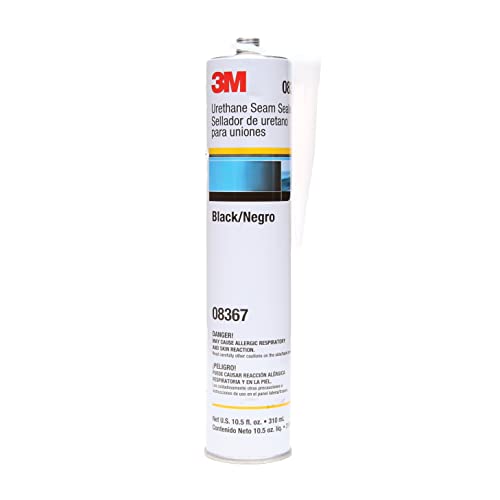
SINGLE COMPONENT FORMULA: Adheres well to bare metal, primed metal and painted surfaces
![[Black] 2 Pack Professional Automotive Seam Sealer, Paintable Quick-Set Polyurethane Auto Body Seam Sealer for Metal Surfaces of Cars, Trucks, Etc, Includes Gloves & Tip - Black RV Roof Sealant](https://m.media-amazon.com/images/I/51rYdoPRb-L._SL500_.jpg)
Bonds to All Surfaces: Our seam sealer automotive formula bonds strongly with primed, painted, or bare metal surfaces, offering a fast curing solution. Ready for paint in just 30 minutes, it serves as an effective RV roof sealant and polyurethane auto body filler without the need for sanding.
Prepare Welds for Seam Sealer
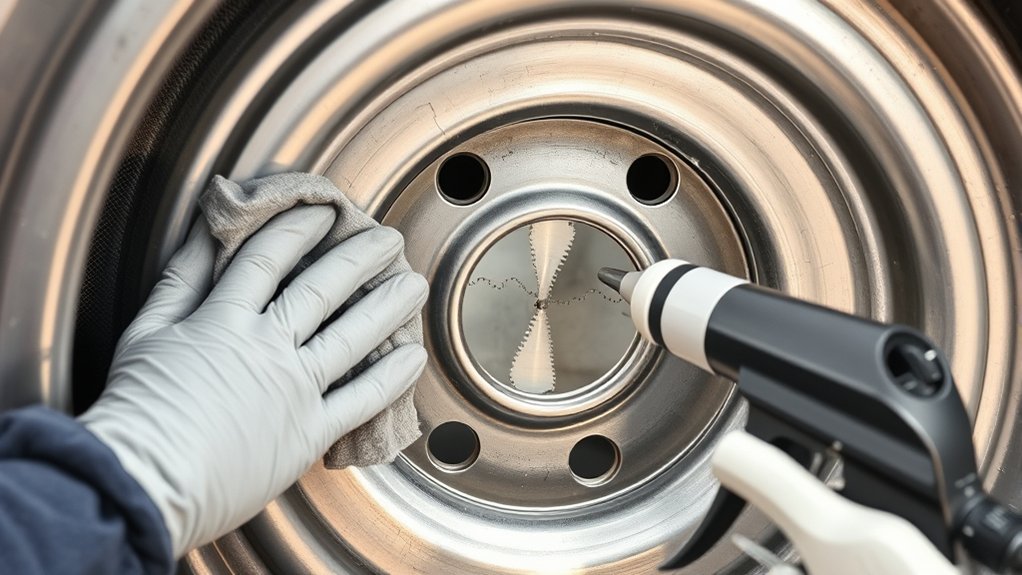
Start by dressing the weld with an 80-grit abrasive file belt or similar abrasive so sharp edges, weld berries, and high spots do not cut through the seam sealer film. Do not grind the weld so aggressively that you thin the panel or weaken the repair. The goal is a smooth, sealed joint, not a polished surface.
After the weld is dressed, feather the surrounding scratches with a 180-grit abrasive on a dual-action sander. This gives the nearby primer, coating, and seam sealer a gradual transition instead of a hard edge. Then scuff the sealing zone with a maroon Scotch-Brite pad or equivalent hand pad so the sealer has enough mechanical bite.
- Dress weld high spots with 80-grit abrasive.
- Feather nearby sanding scratches with 180-grit abrasive.
- Scuff the full sealing area with a maroon abrasive pad.
- Remove loose dust before cleaning with solvent.
- Inspect the seam for pinholes, cracks, gaps, or unsealed lap edges.
Keep the repair profile even. Seam sealer hides small texture differences, but it should not be used to bury poor weld prep, loose scale, or a contaminated joint.
Clean the Repair Area Thoroughly
Clean surfaces are the foundation of a strong seam sealer bond. After sanding and scuffing, remove dry dust first with clean compressed air or a vacuum. Then use a lint-free cloth and the cleaner recommended by your paint system. A silicone-free wax-and-grease remover is common in body repair, but the correct cleaner depends on the product system you are using.
Use a Two-Cloth Cleaning Method
For solvent cleaning, use one lightly damp cloth to lift contamination and a second clean, dry cloth to wipe the surface before the solvent dries. Do not soak the seam. If cleaner pools inside a lap joint, flange, or pinhole, it can stay trapped and weaken the sealer bond.
- Wipe the repair area with a dedicated clean cloth.
- Use only enough cleaner to wet the surface lightly.
- Follow with a dry cloth while the surface is still wet.
- Blow the seam dry with clean, dry air only after loose solvent has flashed.
- Let the surface dry fully before applying seam sealer.
Prevent Contamination Before Application
After cleaning, do not touch the seam with bare hands. Skin oil, dirty gloves, shop dust, compound residue, and silicone can all cause adhesion problems. Keep polishing compounds, lubricants, aerosol dressings, and oily air lines away from the repair zone.
Pro Tip: Put on fresh nitrile gloves after cleaning. Gloves used during sanding or grinding can carry dust and metal residue back onto the seam.
Apply Seam Sealer to the Joint
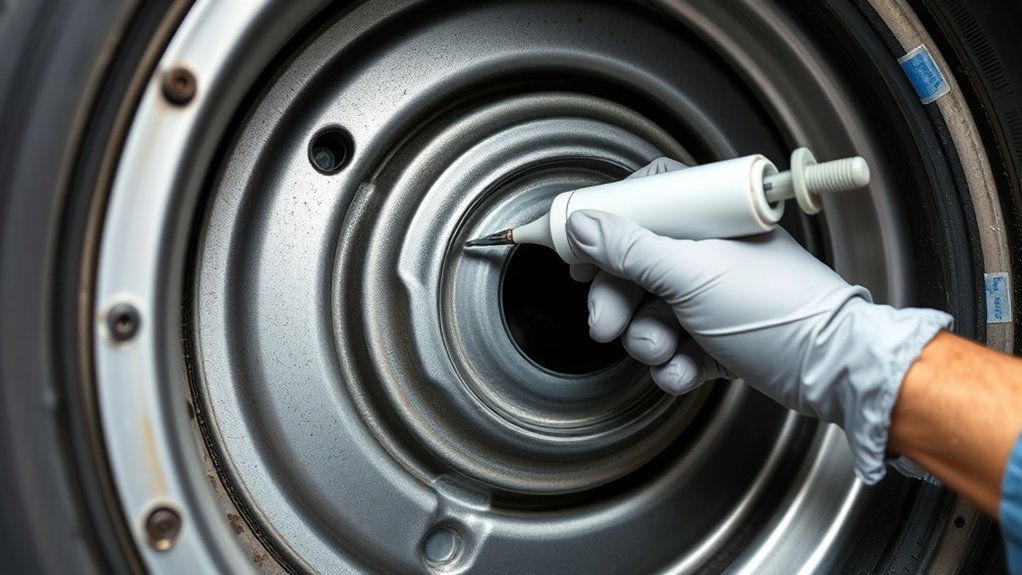
Apply seam sealer only after the surface is clean, dry, abraded, and approved for that product. Cut the cartridge tip or choose the mixing nozzle size so the bead fits the joint. A small lap seam usually needs a narrow, controlled bead. A wide factory seam may need a broader bead or a brushable product to match the original texture.
Lay a thin, continuous seam sealer bead directly over the joint. Keep steady pressure on the applicator so the bead does not skip, thin out, or trap air. If you are sealing a lap joint, work the sealer into the edge enough to close the gap without smearing it far beyond the repair zone.
- Mask both sides of the seam if you need a crisp factory line.
- Apply a continuous bead over the welded joint.
- Push the sealer into the seam with a clean tool while it is still workable.
- Check for pinholes, bubbles, dry spots, and missed edges.
- Remove masking tape before the sealer skins over.
Do not pile on excess product. A thick bead can skin on the outside while staying soft underneath, especially in cool or humid conditions. Follow the technical data sheet for maximum bead size, working time, and paint time.
Products Worth Considering

HIGH-PERFORMANCE: Two-part epoxy seals vertical and horizontal seams to match OEM seals

Rapid Paint & Superior Bond: Our seam sealer automotive Securely bonds bare, primed, or painted metalwith zero shrinkage. Ready for paint in just 30 minutes-no sanding or extra prep. Saves hours of shop time.Perfect as a RV roof sealant and polyurethane auto body filler

No clean up if used regularly
Tool Seam Sealer for a Factory Look
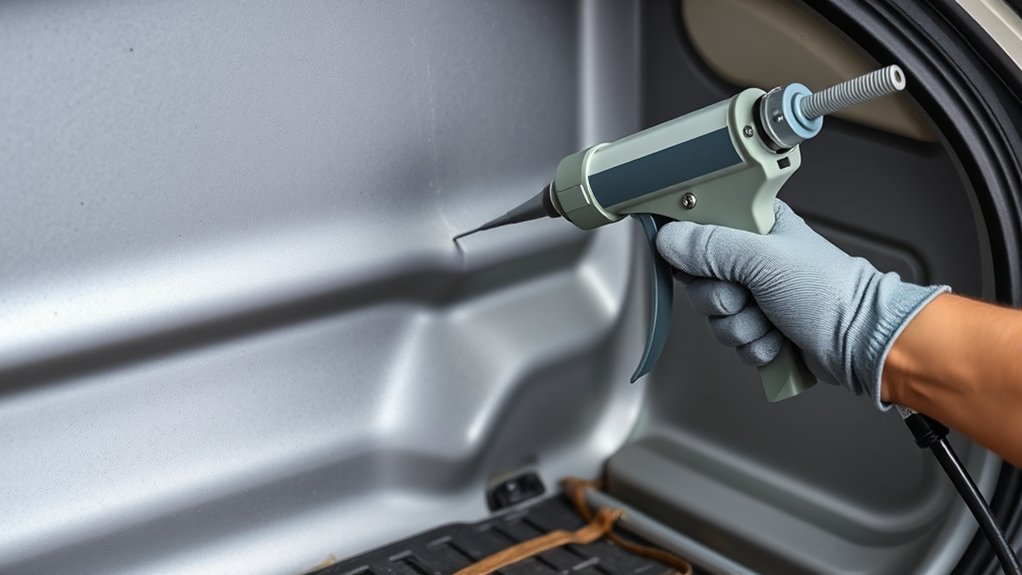
Tool the seam sealer as soon as it is applied. Most products have a limited working time before the surface skins, and once that happens, dragging a tool through the bead can tear the edge or create rough texture.
Use a plastic spreader, seam sealer tool, acid brush, or profiling tool that matches the original seam shape. Hold a steady angle and pressure so the bead keeps an even width and crown. If the original seam has brush marks, reproduce the brush direction. If it has a smooth extruded line, tool it cleanly without overworking it.
- Check the original seam shape before applying product.
- Tool the bead while the sealer is still wet and workable.
- Keep the edge sealed, not feathered so thin that it opens later.
- Pull masking tape immediately after tooling.
- Inspect the bead from several angles under good light.
Match the Original Seam Profile
Factory seams are not all shaped the same. Some are narrow and raised. Others are wide, brushed, sprayed, or flattened. Matching the original profile matters because the repair should shed water, flex with the panel, and look like it belongs on the vehicle.
Replicate Factory Seam Shape
Replicating the factory seam shape starts before you open the cartridge. Study an untouched seam on the same panel area if possible. Note the width, height, edge shape, and texture. Then mask the repair so the new bead follows the same path.
- Trace the factory seam line with masking tape.
- Keep a consistent offset from the weld.
- Apply a bead that is slightly larger than the finished profile.
- Tool it down to the final width and crown.
- Remove tape before the edge starts to cure.
Tool for an Authentic Profile
A flexible spreader works well for smooth seams. A brush works well for factory-style brush marks. A rounded profiling tool can shape a raised bead along drip rails, trunk gutters, door openings, floor pans, and wheelhouse repairs.
| Tool | Best Result |
|---|---|
| Cartridge or pneumatic applicator | Controlled bead placement |
| Plastic spreader | Smooth, flattened seam |
| Acid brush or seam brush | Brushed OEM-style texture |
| Profiling tool | Raised bead with consistent crown |
Mask Lines for Accuracy
Masking tape gives you a clean edge, but it must be removed at the right time. If you wait until the sealer skins or cures, the tape can lift the edge and open a path for moisture. Pull the tape slowly at a low angle while the bead is still workable.
Let Seam Sealer Cure Fully
Seam sealer cure time depends on product chemistry, bead thickness, temperature, humidity, and airflow. A one-part moisture-cure product may behave differently from a two-part epoxy or urethane seam sealer. Instead of using one fixed time for every repair, follow three windows from the product sheet:
- Working time: how long you can tool the bead after application.
- Paint or topcoat time: when primer, sealer, or topcoat can be applied.
- Full cure time: when the product reaches full strength and service readiness.
Keep the repair dry and clean while it cures. Do not wash the area, load the panel, sand the bead, or trap solvent under primer before the product is ready. If the sealer must be primed or painted within a certain window, do not miss that window without checking whether it needs to be scuffed again.
Note: “Dry to touch” does not always mean “ready for paint” or “fully cured.” Use the technical data sheet, not touch alone, to decide the next step.
Prime, Paint, and Protect the Backside
After the seam sealer reaches the proper paint window, apply the primer, sealer, basecoat, undercoat, or topcoat required by the repair area and paint system. Wheelhouses, floors, rocker areas, trunks, and underbody seams may also need chip protection or undercoating after the seam sealer cures enough for the next coating.
Do not forget the backside of the weld. Welded flanges and lap joints can corrode from the inside if the hidden side is left bare. When the repair procedure allows it, protect the back side with epoxy primer, cavity wax, corrosion-protection compound, or another approved coating after welding and sealing are complete.
A seam that looks perfect on the outside can still fail if the back side of the weld is bare, dirty, or left open to moisture.
Avoid Common Seam Sealer Mistakes
Most seam sealer failures come from poor prep, wrong product choice, rushed cleaning, or missed cure windows. Use the table below to diagnose common problems before primer or paint locks them in.
| Problem | Likely Cause | Fix |
|---|---|---|
| Sealer lifts at the edge | Tape removed too late, poor scuffing, or contaminated surface | Remove failed material, re-prep, clean, dry, and reseal |
| Pinholes or air bubbles | Air trapped during application or bead too thick | Tool the bead into the seam and apply a controlled coat |
| Soft sealer under paint | Painted too soon or bead too heavy | Follow paint window and maximum bead-size guidance |
| Fisheyes or topcoat defects | Silicone, oil, solvent residue, or incompatible product | Strip affected area and clean with the approved system |
| Cracking after cure | Wrong sealer type, too little flexibility, or excessive movement | Use a flexible automotive seam sealer approved for that joint |
Final Inspection Before Topcoating
Before primer or topcoat, inspect the seam under strong light. Look along the full bead, not just the easy-to-see center. Check both ends of the seam, panel overlaps, corners, spot-weld areas, and any place where the tool changed direction.
- Confirm the bead is continuous from end to end.
- Check that both edges are sealed to the substrate.
- Look for skips, pinholes, cracks, bubbles, and lifted tape edges.
- Verify the sealer has reached the correct paint stage.
- Confirm the backside or cavity protection plan is complete.
If you find a defect, repair it before paint. Paint may hide a problem for a while, but water will find any open edge.
Frequently Asked Questions
Do you put seam sealer over primer or bare metal?
You can apply seam sealer over bare metal or primer only if the product is approved for that surface. Direct-to-metal seam sealers can usually go on properly prepared bare steel, while other products may require epoxy primer, e-coat, or a scuffed coated surface. Always follow the technical data sheet.
Can I apply seam sealer myself?
Yes, you can apply seam sealer yourself if you have basic body-repair skills and follow the product instructions. The key steps are weld prep, surface scuffing, careful cleaning, controlled bead application, proper tooling, and correct cure time before primer or paint.
Do you sand seam sealer?
You can sand some seam sealers after they reach the product’s sanding stage, but you should not sand so deeply that you thin the sealed edge or expose the joint. Many factory-style seams look better when tooled correctly before cure instead of being heavily sanded later.
What is the best seam sealer for a car?
The best seam sealer for a car is the one approved for your substrate, paint system, and repair location. Two-part urethane or epoxy seam sealers are common for durable collision repairs, while brushable sealers may be better for matching factory texture in trunks, floors, and wheelhouses.
How long should seam sealer dry before painting?
Dry time depends on the product, bead thickness, temperature, and humidity. Some seam sealers can be topcoated quickly, while others need more time. Check the technical data sheet for the exact paint window and full cure time.
Should seam sealer cover the whole weld?
Yes, the seam sealer should cover the joint continuously, including the ends of the weld and any lap edge where moisture could enter. It should not be used to hide a weak weld, open gap, loose rust, or poor metal fit-up.
Conclusion
When you seal welds correctly, you are protecting the repair from moisture, road salt, and hidden corrosion. Dress the weld, feather the surrounding area, scuff the sealing zone, clean it carefully, and use a seam sealer that is approved for the surface. Apply a controlled bead, tool it before it skins, remove tape right away, and respect the product’s paint and cure windows. A clean, continuous seam looks more original and gives the repair a much better chance of lasting for years.
Sources
- 3M Collision Repair — manufacturer guidance hub for automotive repair adhesives, coatings, and seam-sealing products.
- SEM Products — manufacturer source for automotive refinishing products, seam sealers, technical data sheets, and safety data sheets.
- OSHA 29 CFR 1910.252 — welding, cutting, brazing, fire prevention, ventilation, and protection requirements.
- Seam Sealant Overview — background on automotive seam sealing for water and air sealing at sheet-metal overlaps.
- Hot Work Overview — background on welding-adjacent fire risks, combustible control, and hot-work safety concepts.