To safely dispose of used cutoff wheels, start by inspecting for damage or expiration. Contact local recycling centers to check if they accept them. Remove any metal hubs for separate recycling, and document your disposal process. Store wheels properly in a cool, dry place and label them with expiration dates. If you’re looking for creative ways to repurpose or recycle these wheels, there’s much more to explore.
Understanding the Risks of Improper Disposal
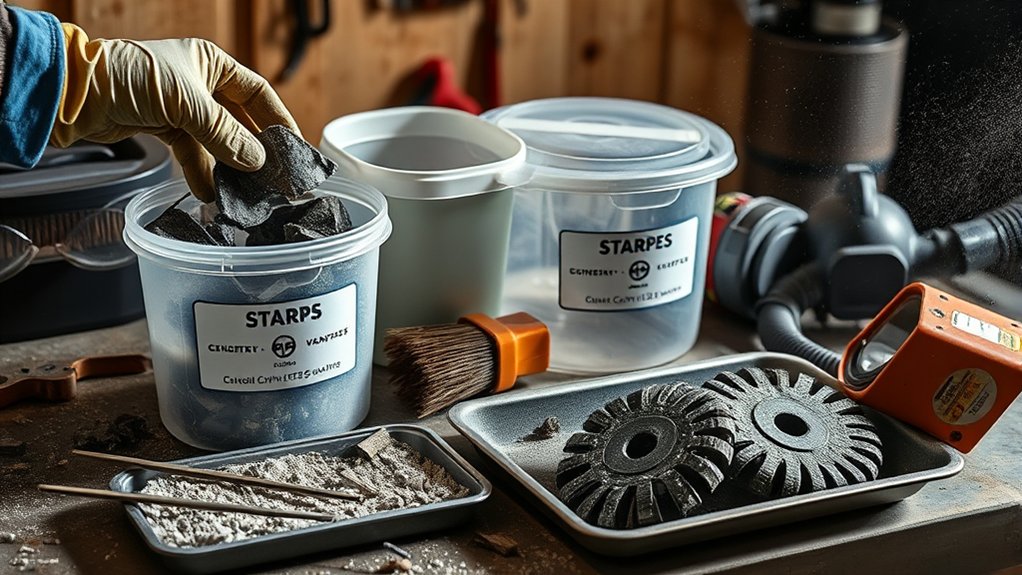
When you don’t properly dispose of used cutoff wheels, you risk significant environmental and safety issues. Improper disposal can lead to soil and water contamination as hazardous materials like abrasives and bonding agents leach into the environment. Damaged or brittle wheels are particularly dangerous; they can shatter during handling, sending flying debris that may injure you or bystanders. Without following local regulations for hazardous waste disposal, you expose yourself to hefty fines and legal consequences. The release of harmful chemicals not only affects ecosystems but also poses long-term health risks to humans. Additionally, inadequate disposal practices create safety hazards for waste management workers who handle discarded materials without proper precautions. By prioritizing recycling and using personal protective equipment, you can mitigate these risks, ensuring a safer environment for yourself and others.
How to Identify When Cutoff Wheels Are No Longer Usable?
To guarantee your cutoff wheels are safe and effective, regularly check for visible damage like cracks or chips. Don’t forget to inspect the expiration date on the label; any wheel past its date needs to be replaced. Keeping an eye on these factors helps maintain peak performance and safety during use.
Expiration Date Check
Although cutoff wheels may seem fine at a glance, it’s imperative to regularly check their expiration dates to guarantee safety and performance. Start by inspecting the wheel for the expiration date printed on the label. If it’s expired, you must discard the wheel immediately. Additionally, maintain a log of expiration dates to streamline tracking and make sure you don’t overlook any. Always inspect the wheel for visible damage, like cracks or chips, even if it’s not expired. Remember, damaged wheels are unsafe and should be discarded as well. To prolong the lifespan of your wheels, store them in a cool, dry place, shielding them from humidity and temperature fluctuations. Prioritizing these checks will enhance your safety during operation.
Visual Damage Inspection
Checking the expiration date is just the first step in verifying your cutoff wheels are safe for use. Next, conduct a thorough visual damage inspection. Look for:
- Visual Cracks or Chips: Any visible cracks indicate compromised structural integrity and render the wheel unsafe.
- Signs of Wear: Uneven surfaces or reduced diameter can drastically affect performance and cutting efficiency.
- Discoloration: This may signal degradation of bonding agents, affecting the wheel’s overall safety.
Additionally, confirm the wheel spins without wobbling. Imbalance can lead to dangerous breakage during operation. By regularly inspecting your used discs, you can safeguard your safety and maintain peak performance. Always prioritize this inspection to keep your workspace secure.
Step-by-Step Safe Disposal of Cutoff Wheels
When you’re ready to dispose of used cutoff wheels, start with a careful inspection for any damage. Next, use proper separation techniques to prepare the materials for recycling or disposal. Finally, explore recycling options to guarantee you’re following the best practices for safe disposal.
Safe Inspection Procedures
Inspect your cutoff wheels carefully to confirm safe disposal. Start by checking for visible cracks, chips, or discoloration, as damaged cutting wheels can pose safety hazards during handling. Next, verify you look at the expiration date on the wheel label; discard any that have expired or show wear.
Here’s a quick checklist to follow:
- Inspect for Damage: Look for visible cracks or chips.
- Check Expiration: Discard expired wheels or those showing signs of wear.
- Contact Recycling Centers: Find out if they accept your used cutoff wheels and follow their guidelines for disposal.
Proper Separation Techniques
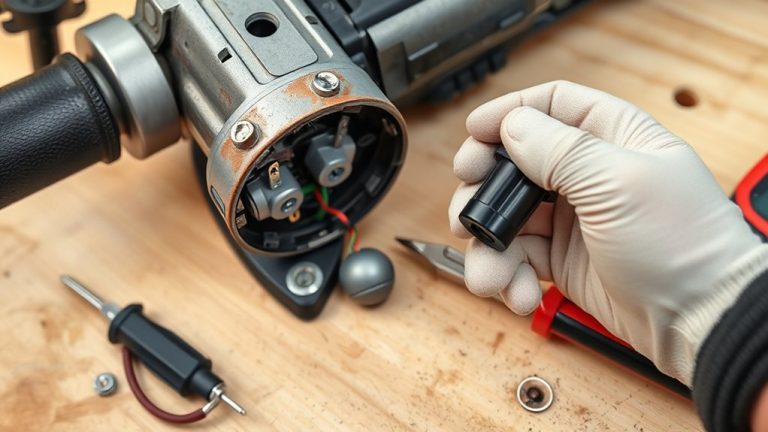
To guarantee safe disposal of used cutoff wheels, start by carefully removing the metal hub from each wheel. Inspect for any damaged wheels, as these pose safety hazards and should be set aside for proper disposal. Next, separate recyclable materials from the wheels, making sure you handle everything with care. Contact local recycling centers to confirm if they accept cutoff wheels and ask about specific separation requirements. For any hazardous materials found, follow local regulations to dispose of them through licensed hazardous waste facilities. Document your disposal process by keeping records of the number of wheels and methods used. This approach not only guarantees compliance but also promotes responsible waste management.
Recycling Options Available
While exploring recycling options for used cutoff wheels, it’s essential to know your local resources. Here are some steps to evaluate:
- Local Recycling Centers: Check if they accept used cutoff wheels, as many have specific programs for recycling metal and abrasive materials.
- Remove the Metal Hub: Take off the metal hub for separate recycling, since metal components often hold higher value.
- Contact Manufacturers: Inquire about take-back programs, as some companies offer recycling options for their products.
If your cutoff wheels are damaged or expired, follow local hazardous waste regulations for proper disposal. Additionally, think about repurposing usable wheels for DIY projects or donating them to vocational schools. This way, you contribute to a sustainable future.
Understanding Local Regulations for Cutoff Wheel Disposal
Understanding local regulations for cutoff wheel disposal is essential, as these rules can vary greatly between regions. Many jurisdictions classify used cutoff wheels as hazardous waste due to their abrasive materials and bonding agents, which means you’ll need to follow specific disposal methods. To guarantee compliance, consult your local waste management authority for guidelines tailored to your area.
In some cases, you may need to separate metal components from the wheels prior to disposal, allowing for the recycling of the metal hub while properly handling the abrasive materials. Ignoring these regulations can lead to fines or penalties, underscoring the importance of being informed. Many manufacturers also offer take-back programs or collaborate with local recycling centers, providing a responsible avenue for disposal. By adhering to local regulations, you not only contribute to effective waste management but also promote a more sustainable future.
How to Safely Store and Handle Cutoff Wheels
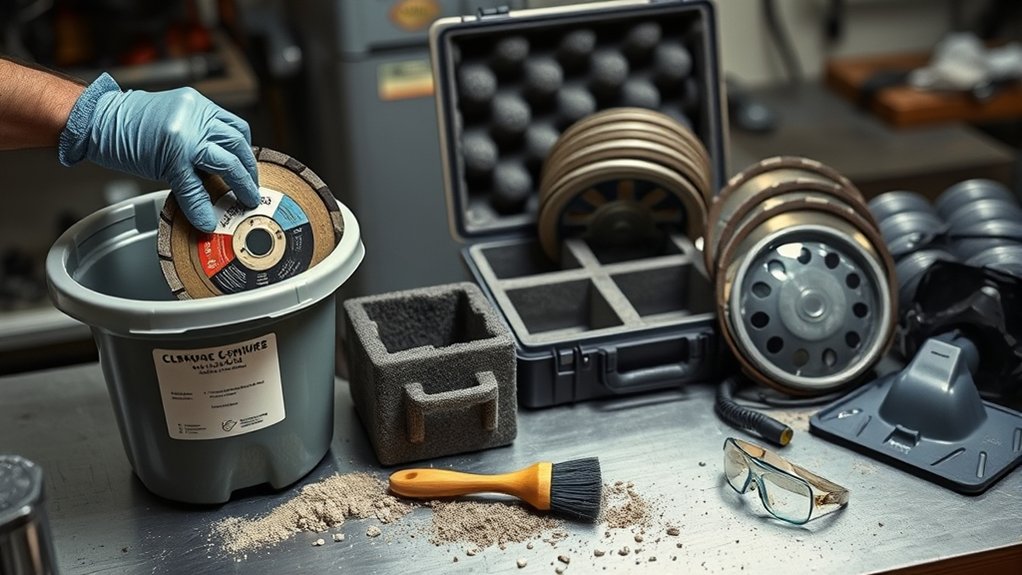
Proper storage and handling of cutoff wheels is essential for maintaining their performance and safety. To guarantee longevity and effectiveness, follow these guidelines:
Proper storage and handling of cutoff wheels are crucial for ensuring their safety and performance longevity.
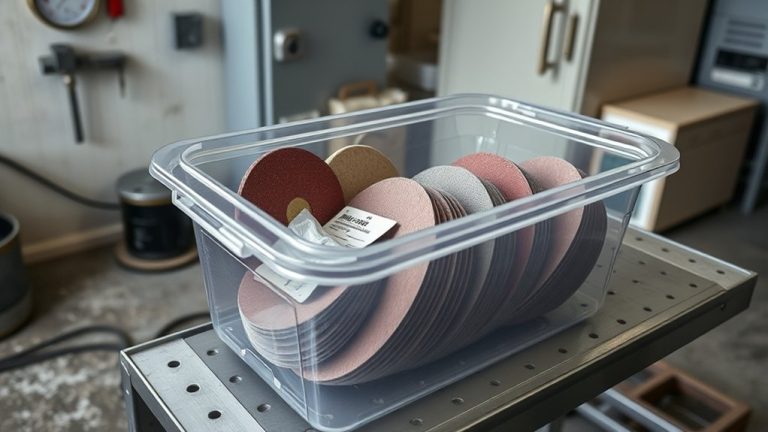
- Store Properly: Keep cutoff wheels in a cool, dry place away from direct sunlight. Use vertical racks or shelves to prevent stacking, which can cause cracks or damage.
- Protect from Moisture: Store in climate-controlled environments to avoid moisture and temperature fluctuations. This helps maintain the integrity of the resin bond.
- Label and Inventory: Clearly label containers with expiration dates, and conduct regular inventory checks to remove expired wheels.
When handling cutoff wheels, always wear appropriate PPE, including safety glasses. Handle them carefully to avoid impacts or drops, which can compromise their safety and performance. By following these steps, you can guarantee your cutoff wheels remain safe and effective for your projects.
Creative Ways to Repurpose or Recycle Cutoff Wheels
After ensuring your cutoff wheels are safely stored and handled, it’s time to think about what to do with those used wheels. You can get creative by transforming them into unique art pieces, like wall decorations or sculptures. Just remember to sand down any sharp edges for safety.
If you’re looking for practical uses, consider making sturdy coasters or bases for plant pots, effectively extending their life. Donating them to vocational schools or community workshops is another excellent option. These places often welcome used cutoff wheels for hands-on training projects, benefiting both students and instructors.
Engaging local artists or makers can also promote recycling while fostering community collaboration. Encourage them to utilize expired or damaged cutoff wheels for creative projects, turning waste into art. By repurposing or recycling, you not only enhance your creativity but also contribute positively to your community.
Frequently Asked Questions
How to Dispose of Old Car Wheels?
To dispose of old car wheels, check local regulations for wheel recycling options. Consider metal salvage yards, follow safety tips, or transform them into DIY projects. This eco-friendly disposal approach reduces waste and promotes creativity.
How to Safely Use a Cutoff Wheel?
Using a cutoff wheel safely means checking compatibility, wearing PPE, and maintaining a firm grip. Follow cutting speed recommendations, organize your workspace, and practice maintenance techniques to guarantee effective, injury-free cutting every time.
What to Do With Old Grinding Wheels?
You should check local recycling centers for old grinding wheels, ensuring you follow safety precautions and local regulations. Consider metal scrap recycling, community programs, or creative repurposing to minimize hazardous waste and environmental impact.
How to Dispose of Grinding Wheels?
Did you know nearly 1.5 million tons of metal waste is generated yearly? To dispose of grinding wheels, check local regulations, separate materials, and utilize recycling options or licensed hazardous waste facilities for safety and environmental impact.
Conclusion
In summary, disposing of used cutoff wheels is like maneuvering through a minefield; one wrong step can lead to hazards. By following the outlined steps and understanding local regulations, you can guarantee safe disposal. Remember, proper storage and handling are just as essential. If you can’t dispose of them right away, consider repurposing or recycling. Taking these precautions not only protects you but also the environment, helping to pave the way for a safer, cleaner future.