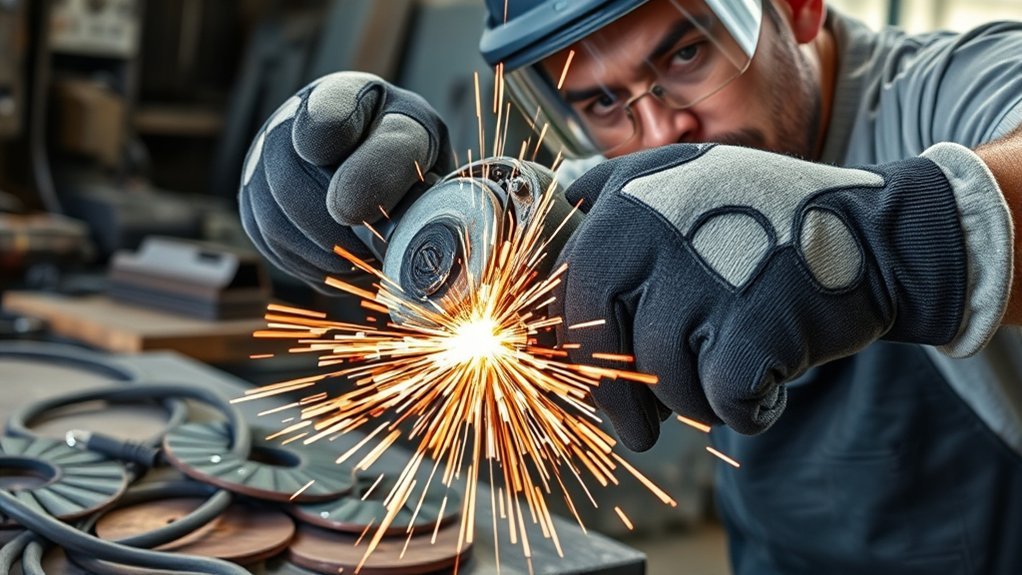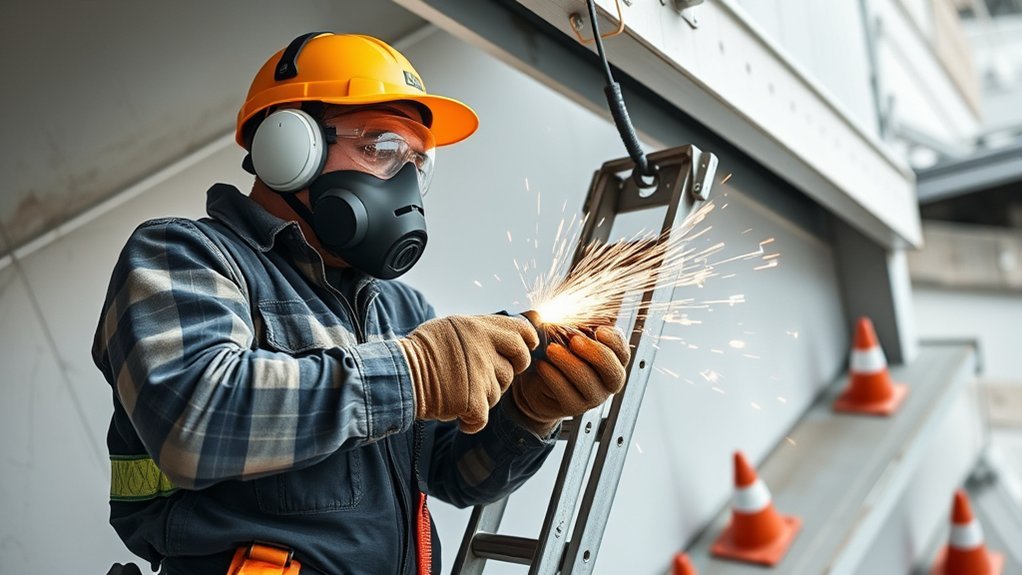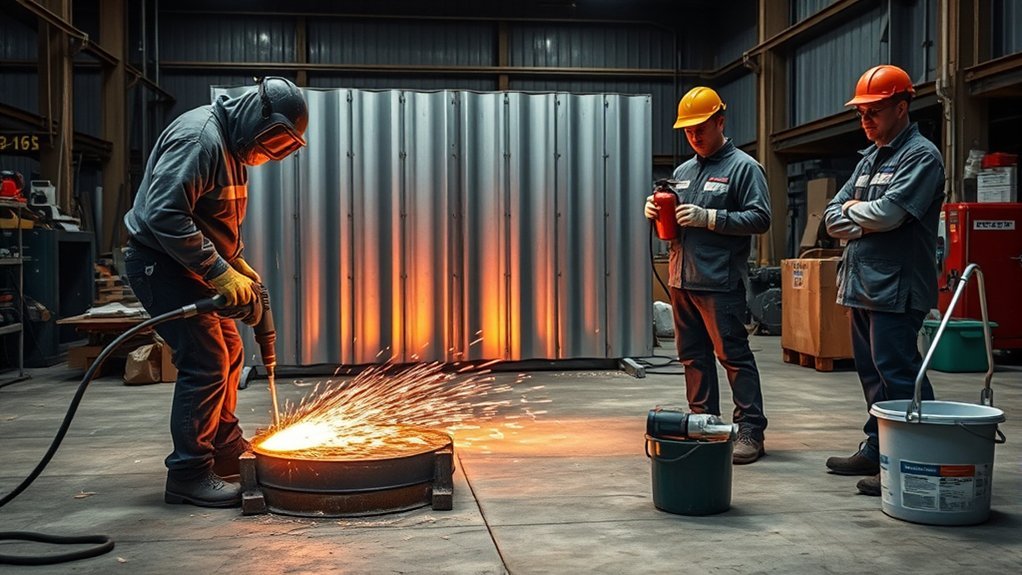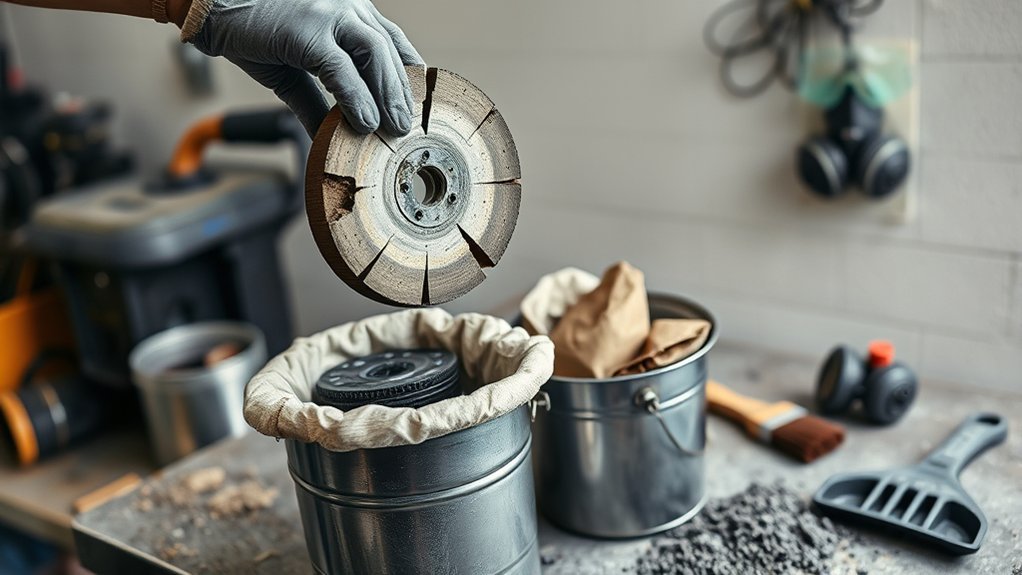
Used cutoff wheels can look harmless once they are worn down, but they can still be sharp, brittle, dusty, or contaminated with metal, paint, oil, or other shop residue. To dispose of used cutoff wheels safely, inspect them first, keep damaged wheels out of service, check the label or safety data sheet, and follow your local waste or recycling rules before putting them in the trash or taking them to a collection site.
Quick Answer
To safely dispose of used cutoff wheels, remove them from service, inspect for cracks or contamination, place damaged wheels in a sturdy labeled container, and check your local solid waste or recycling rules. Recycle metal hubs only if they can be removed safely, and never reuse, smash, or donate cracked wheels.
Key Takeaways
- A cracked, chipped, soaked, expired, or questionable cutoff wheel should be removed from service immediately.
- Do not break or crush used abrasive wheels to “make them safer.” Broken pieces can become sharp, dusty, and harder to handle.
- Household disposal rules vary by city or county, while businesses may need to follow hazardous waste generator rules.
- Most recycling centers want you to call first because abrasive wheels, metal hubs, and contaminated discs may be handled differently.
- Store unused wheels dry, flat or in their original package, away from impacts, moisture, solvents, heat, and direct sunlight.
At a Glance
| Time Required | 5–15 minutes for sorting; longer if you need to call a recycling center or waste authority |
| Difficulty | Easy, but safety and local disposal rules matter |
| Tools Needed | Safety glasses, cut-resistant gloves, dust mask or respirator if dusty, sturdy container, tape or label, and the product label or SDS if available |
| Cost | Usually free for small household quantities if local trash or recycling accepts them; shop or special-waste disposal may cost more |
Understanding the Risks of Improper Disposal
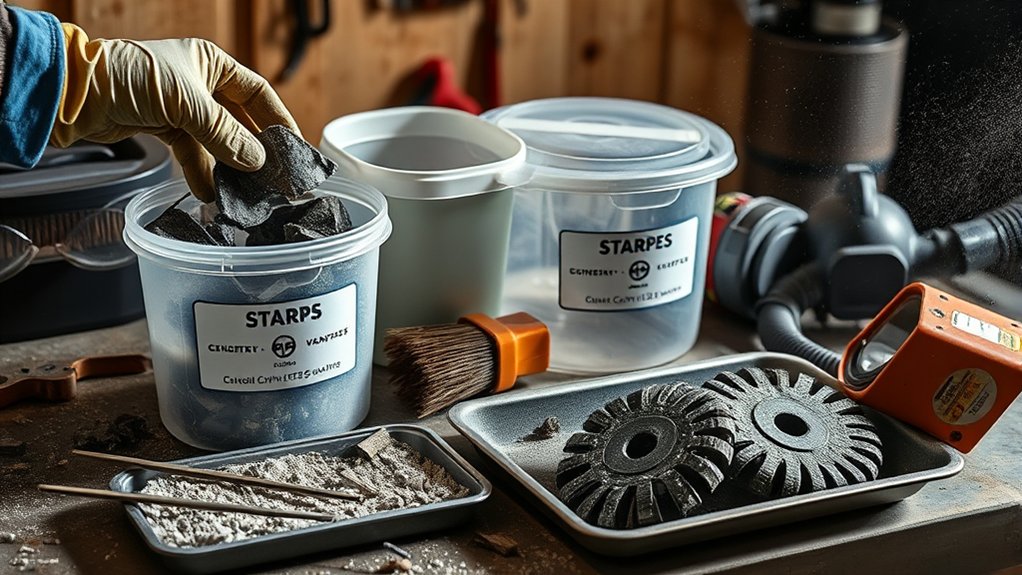
Improper disposal of used cutoff wheels can create two main problems: handling injuries and waste-rule mistakes. A worn abrasive wheel may have sharp edges, loose grit, embedded metal dust, or cracks that make it brittle. If it gets tossed loose in a trash bag, it can cut you or a sanitation worker.
The waste side depends on what the wheel is made of, what it was used to cut, and your local rules. The U.S. Environmental Protection Agency says some household products need special care because they can be toxic, corrosive, reactive, or ignitable. A clean, worn abrasive wheel may be allowed in regular trash in some areas, while a wheel contaminated with oil, solvents, paint, or unknown residue may need a different route.
Warning: Never reuse a cracked, chipped, soaked, warped, expired, or questionable cutoff wheel. Do not smash it, burn it, or cut it into pieces before disposal. Put it in a sturdy container and follow your local waste instructions.
How to Identify When Cutoff Wheels Are No Longer Usable
Before disposal, sort the wheel into one of three groups: still usable, worn out but intact, or damaged/unsafe. If you are not completely sure it is safe, treat it as unsafe and remove it from service.
Check the Label, Date Code, and Speed Rating
Look for a use-by date, expiration date, batch code, wheel type, size, and maximum operating speed. Some resin-bonded wheels include date or lot information, but not every wheel label is easy to read after use. If the wheel is past its marked date, the label is missing, or you cannot confirm the wheel type and rating, do not use it again.
Before any abrasive wheel is mounted for use, OSHA abrasive wheel rules require close inspection, and the machine speed must not exceed the maximum operating speed marked on the wheel. For disposal, that means any wheel with a missing label, unknown rating, or questionable condition should be retired instead of saved for later.
Inspect for Visible Damage
Put on safety glasses and gloves, then inspect the wheel in good light. Do not flex the wheel hard or tap thin cutoff wheels aggressively. Look for:
- Cracks, chips, or missing sections: These are immediate discard signs.
- Heavy edge wear: A wheel worn below its practical cutting diameter should be retired.
- Warping or wobble marks: Uneven wear can show heat damage, side pressure, or poor mounting.
- Soft, swollen, or water-damaged areas: Moisture can weaken some bonded abrasive products.
- Oil, solvent, paint, or unknown residue: Keep contaminated wheels separate until you confirm the correct disposal route.
- Missing label or unknown wheel type: If you cannot identify it, do not reuse it.
Note: A ring test is part of OSHA’s mounting inspection for many abrasive wheels, but very thin organic-bonded cutoff wheels may not produce the same clear ring as vitrified wheels. For disposal, visible damage or uncertainty is enough reason to retire the wheel.
Step-by-Step Safe Disposal of Cutoff Wheels
Use this process for small household or garage quantities. If you run a shop, school, fabrication business, or maintenance facility, also check the business-waste section below because your rules may be stricter.
Products Worth Considering

Secure Storage Solution: Features dedicated compartments to neatly organize and safely store 3-inch grinding discs and cut-off wheels. Compatible with 3-inch and smaller blades for table saws, miter saws, circular saws and panel saws, ideal for heavy-duty cutting applications.

Heavy-Duty Load Capacity: Each 6-lug container wheel adapter unit is certified to support up to 8,800 lbs, enabling effortless relocation of empty 20' and 40' shipping containers. While limited items may be placed inside during transport, this 6-lug container wheel adapter is specifically engineered for empty container handling and is not designed for lifting or moving fully loaded containers.

Package Included:2Pack-Shipping Container Wheels 6-Lug, 2Pack-7/16 Carbon Steel Screw Pin Anchor Shackle, 2Pack-2" x10' Ratchet Strap Tie Down J Hook
Step 1: Remove the Wheel From Service
Unplug the grinder or disconnect the tool from its power source before removing the wheel. Let the wheel stop completely, then remove it without bending or forcing it. Keep the guard on the tool during normal cutting work; OSHA portable abrasive wheel rules require safety guards for portable abrasive wheels, with limited exceptions.
Once removed, mark questionable wheels with a permanent marker or place them directly in a discard container so they do not get mixed back into usable stock.
Step 2: Separate Intact, Damaged, and Contaminated Wheels
Do not throw every wheel into one loose bin. Sort them this way:
- Intact worn wheels: These are worn down but not cracked, contaminated, or missing chunks.
- Damaged wheels: These have cracks, chips, water damage, missing labels, or other safety concerns.
- Contaminated wheels: These have oil, solvent, paint, chemical residue, or unknown material on them.
- Metal hubs or rings: Some wheels have a metal center or hub that may be recyclable if it can be removed safely.
Only remove a metal hub if it comes off without breaking, grinding, or prying the abrasive wheel apart. If removal requires force, leave the wheel intact and ask the recycling center or waste facility how they want it handled.
Step 3: Put Unsafe Wheels in a Sturdy Labeled Container
Damaged or brittle wheels should not be loose in a trash bag. Place them in a rigid container, such as a small cardboard box, plastic pail, or metal can. Close the container and label it clearly:
Used abrasive cutoff wheels — sharp/brittle — do not reuse.
If the wheels are dusty, lightly bag the container contents before sealing. Do not blow dust off with compressed air. If the wheels are contaminated with oil, paint, solvent, or unknown residue, label the container with that information too.
Step 4: Call Before You Recycle
Recycling options vary widely. Some scrap yards may accept clean metal hubs, but many recycling centers will not take the abrasive portion of a cutoff wheel. Before you drive there, call and ask:
- Do you accept used abrasive cutoff wheels?
- Do you accept wheels with metal hubs?
- Do the hubs need to be removed first?
- Do you accept contaminated wheels?
- Is there a limit on quantity?
- Do you want the wheels boxed, bagged, or labeled?
If your local recycling center does not accept them, contact your city or county solid waste office. The EPA recommends checking local environmental, health, or solid waste agencies for disposal options and collection programs.
Step 5: Choose the Right Household Disposal Route
For small household quantities, your disposal route usually falls into one of these options:
- Regular trash: Some areas allow clean, worn abrasive wheels in regular trash if they are boxed or wrapped to protect workers.
- Recycling: Clean metal hubs may be recyclable if separated safely and accepted locally.
- Household hazardous waste collection: Use this route if your local agency tells you to, especially for contaminated wheels or unknown materials.
- Supplier or manufacturer inquiry: If you have a large batch or specialty wheels, ask the supplier or manufacturer whether they offer a take-back or recycling option.
Step 6: Use Business Waste Rules for Shops and Worksites
If the cutoff wheels came from a repair shop, welding shop, fabrication business, school lab, or jobsite, do not assume household disposal rules apply. Businesses may need to make a waste determination, manage containers properly, keep records, and follow state rules. The EPA hazardous waste generator summary explains that generator requirements depend on the type and amount of hazardous waste produced.
For shop waste, keep a simple disposal record that includes the date, quantity, wheel type if known, contamination status, disposal method, and facility or hauler used.
Pro Tip: Keep a small “retired wheels” container near your grinder station. Label it clearly so cracked, worn, or expired wheels never get mixed back into usable inventory.
Understanding Local Regulations for Cutoff Wheel Disposal
Local rules matter because a clean household cutoff wheel, a wheel used in a commercial shop, and a wheel contaminated with hazardous residue may not be treated the same way. Your best first step is to check the product label or safety data sheet, then contact your local solid waste authority.
Ask whether used abrasive wheels are accepted in regular trash, at a transfer station, through household hazardous waste collection, or through a special industrial waste route. If you are disposing of wheels from a workplace, also check your state environmental agency because state rules can be stricter than federal rules.
Do not dump cutoff wheels in scrap bins unless the facility has confirmed they accept them. Abrasive material can contaminate a load that was meant for clean metal recycling.
Products Worth Considering

Versatile Use: 1 Quart sharps disposal container for home use, hospitals, labs, and EMS; holds needles, lancets, and injector pens.

This listing is For RCRA Waste Container

How to Safely Store and Handle Cutoff Wheels
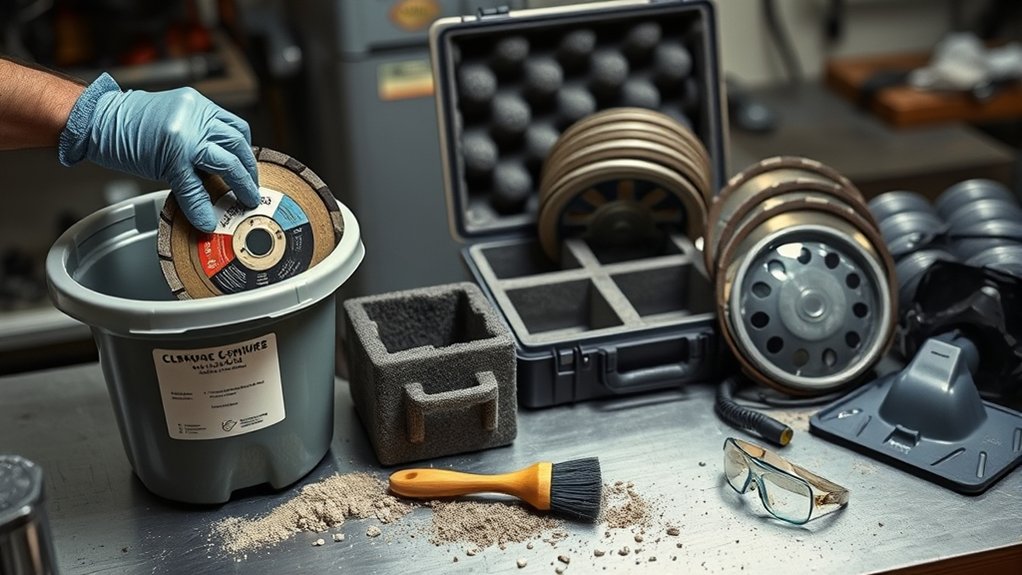
Proper storage helps prevent waste in the first place. Many cutoff wheels are damaged before they are ever used because they are dropped, stacked under heavy tools, exposed to moisture, or left in hot vehicles.
- Keep wheels dry: Store them away from water, humidity, wet floors, and outdoor weather.
- Use the original packaging: The sleeve or box helps protect the wheel and keeps the label information nearby.
- Avoid impacts: Do not toss wheels into drawers with loose tools or hardware.
- Keep away from chemicals: Solvents, oils, and harsh cleaners can contaminate the wheel and complicate disposal.
- Control heat and sunlight: Store wheels away from direct sunlight, heaters, welding spatter, and hot vehicle interiors.
- Use first-in, first-out inventory: Use older wheels first, and remove any wheel with an expired or unreadable label.
- Inspect before mounting: Follow the wheel maker’s instructions and OSHA-style inspection habits before using any abrasive wheel.
The UK Health and Safety Executive’s abrasive wheels guidance also emphasizes wheel characteristics, mounting, guards, portable grinder considerations, and protective equipment.
Creative Ways to Repurpose or Recycle Cutoff Wheels
Repurposing should never mean putting a retired wheel back on a grinder. If a cutoff wheel is cracked, expired, contaminated, or worn out, it is not safe for cutting. Still, clean retired wheels may have limited non-tool uses if you handle them carefully.
For decorative projects, sand or cover sharp edges, keep the wheel away from children, and do not drill, grind, or break it unless you know the material is safe to work. Possible low-risk uses include shop wall art, labeled training displays, or sample boards that show students what a worn or damaged wheel looks like.
Do not donate damaged or expired cutoff wheels for actual cutting practice. If you donate anything to a vocational school or community workshop, donate only unused, properly labeled, unexpired wheels that the recipient has agreed to accept.
Common Mistakes to Avoid
- Throwing loose wheels into trash bags: Box or wrap them so they do not cut workers.
- Smashing wheels before disposal: This creates sharp fragments and dust.
- Mixing contaminated and clean wheels: Keep oily, painted, solvent-exposed, or unknown wheels separate.
- Assuming all recycling centers accept them: Call first.
- Saving cracked wheels “just in case”: Once a wheel is unsafe, it should not return to the tool cabinet.
- Ignoring workplace rules: Business waste may need documentation and different handling than household waste.
Frequently Asked Questions
How do you dispose of old car wheels?
Old vehicle wheels or rims are different from abrasive cutoff wheels. Vehicle wheels are usually metal and can often go to a tire shop, scrap yard, municipal recycling center, or auto recycler. Remove the tire first if the facility requires it. Do not mix vehicle rims with used abrasive cutoff wheels unless the recycler says both are accepted.
How do you safely use a cutoff wheel before it becomes waste?
Use the correct wheel for the material and tool, inspect it before mounting, confirm the tool speed does not exceed the wheel’s marked speed, keep the guard in place, wear eye and face protection, and avoid side-loading the wheel. Stop using the wheel if it cracks, chips, vibrates, gets wet, or wears below a safe working size.
What should you do with old grinding wheels?
Old grinding wheels should be inspected, removed from service if damaged or expired, and handled according to the product label, SDS, and local waste rules. Box or label damaged wheels so they do not injure anyone. Larger shop quantities may need a business-waste or hazardous-waste review.
How do you dispose of grinding wheels?
For household use, contact your local solid waste agency or recycling center and ask whether clean abrasive wheels are accepted in trash, recycling, or household hazardous waste collection. For business use, make a waste determination and follow state and federal generator rules when they apply.
Can used cutoff wheels go in regular trash?
Sometimes, but only if your local rules allow it and the wheels are clean, small in quantity, and safely boxed or wrapped. If the wheels are contaminated, from a business, or accepted by a special collection program, use that route instead.
Can you recycle used cutoff wheels?
The abrasive disc portion is not accepted by every recycling center. Some facilities may accept the metal hub if it can be removed safely. Call first and ask about abrasive wheels, metal hubs, contamination, and quantity limits.
Should you break a cutoff wheel before throwing it away?
No. Breaking a cutoff wheel can create sharp fragments and dust. If you want to keep someone from reusing it, place it in a labeled container that says “used abrasive cutoff wheels — do not reuse.”
Conclusion
Safe cutoff wheel disposal starts before the wheel reaches the trash. Inspect it, remove unsafe wheels from service, keep brittle pieces contained, and check local rules before choosing trash, recycling, household hazardous waste, or business-waste disposal. When in doubt, treat the wheel as unsafe to reuse and ask your local waste authority how they want it handled. That protects you, sanitation workers, and your shop from avoidable hazards.
Sources
- OSHA 1910.215 — Abrasive wheel machinery — backs inspection, ring test, wheel speed, mounting, and guard-related safety points.
- OSHA 1910.243 — Guarding of portable powered tools — backs portable abrasive wheel guard and inspection guidance.
- EPA — Household Hazardous Waste — backs local disposal checks, HHW collection guidance, and improper disposal cautions.
- EPA — Hazardous Waste Generator Regulatory Summary — backs business/shop waste documentation and generator-rule cautions.
- HSE — Safety in the Use of Abrasive Wheels — backs abrasive wheel safety, mounting, guards, portable grinder, and PPE context.