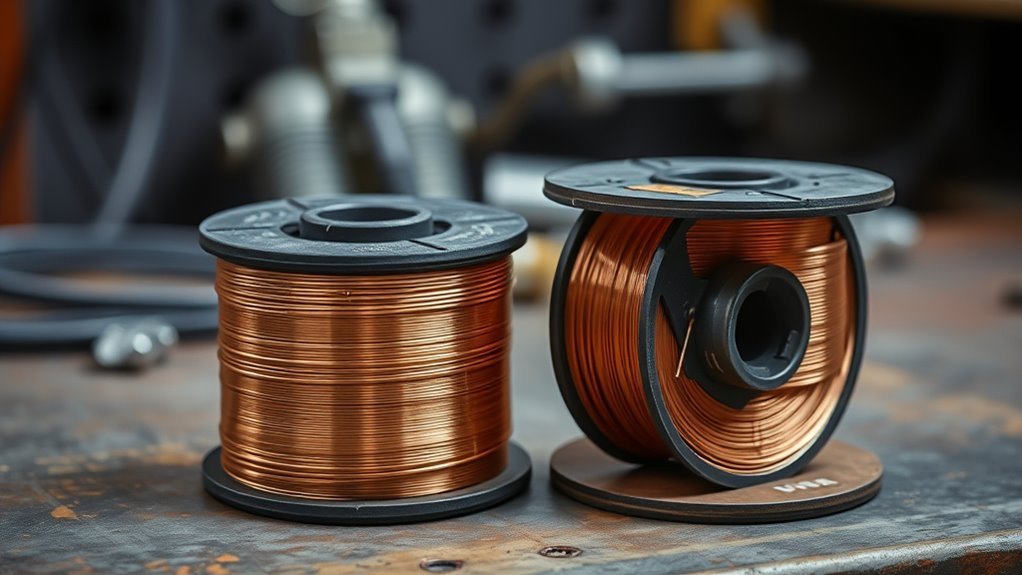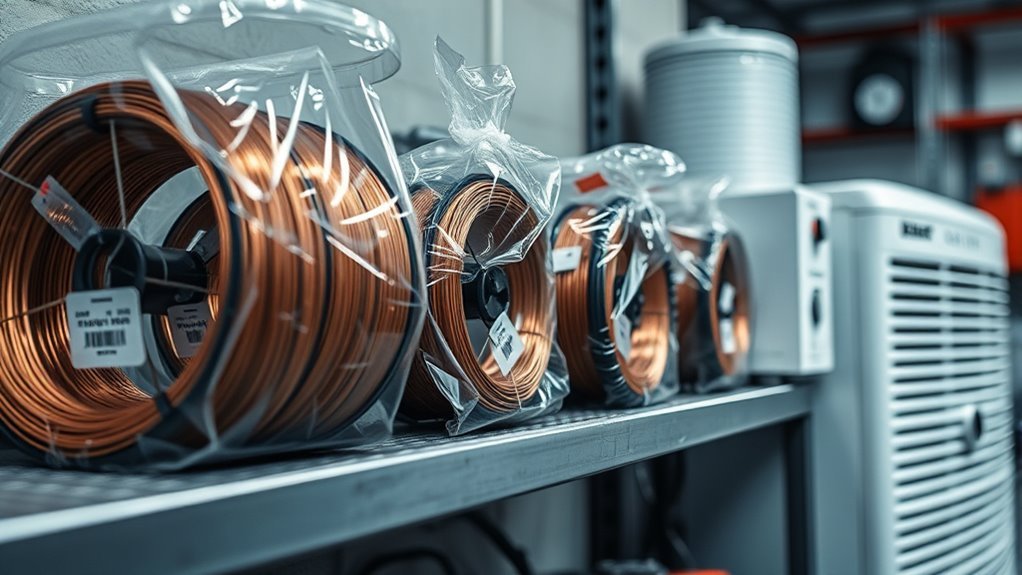
Welding wire can look clean on the spool and still cause trouble if moisture, condensation, dust, oil, or corrosion reaches it. The safest routine is to keep each spool sealed, dry, clean, clearly labeled, and protected from fast temperature changes. Storage details vary by wire type, so the package label and manufacturer’s data sheet always take priority.
Quick Answer
Store welding wire in its original sealed package or a clean airtight container. Keep it off the floor in a dry area with steady temperature and humidity. Reseal opened spools promptly, add fresh desiccant when useful, let cold wire acclimate while sealed, and reject wire with serious rust, water damage, or contamination.
Key Takeaways
- Keep unopened wire in its original, undamaged packaging until you need it.
- Return opened spools to a clean sealed bag or container between jobs.
- Control condensation by keeping storage conditions stable and warming cold wire while it remains sealed.
- Do not spray wire with oil, WD-40, or an unapproved lubricant.
- Do not bake solid or cored wire unless the exact product instructions allow it.
- Discard wire with widespread rust, pitting, wet flux, damaged seams, or unknown water exposure.
At a Glance
| Time Required | About 10 to 15 minutes for an opened spool |
| Difficulty | Easy |
| Tools Needed | Sealed bag or container, label, marker, clean gloves, and optional desiccant or hygrometer |
| Cost | Low if you reuse the original package and a clean storage container |
What’s in This Article
- Why Welding Wire Rusts and Absorbs Moisture
- How to Store Welding Wire Step by Step
- Store Welding Wire in Airtight Packaging
- Use Desiccants Carefully
- Store Wire in a Dry, Stable Place
- How to Store MIG Wire Between Jobs
- Protect Flux-Cored Wire From Humidity
- Store Aluminum Wire Without Condensation
- Check Welding Wire Before You Weld
- When to Recondition Welding Wire
- Common Storage Mistakes
- Frequently Asked Questions
- Conclusion
- Sources
Why Welding Wire Rusts and Absorbs Moisture
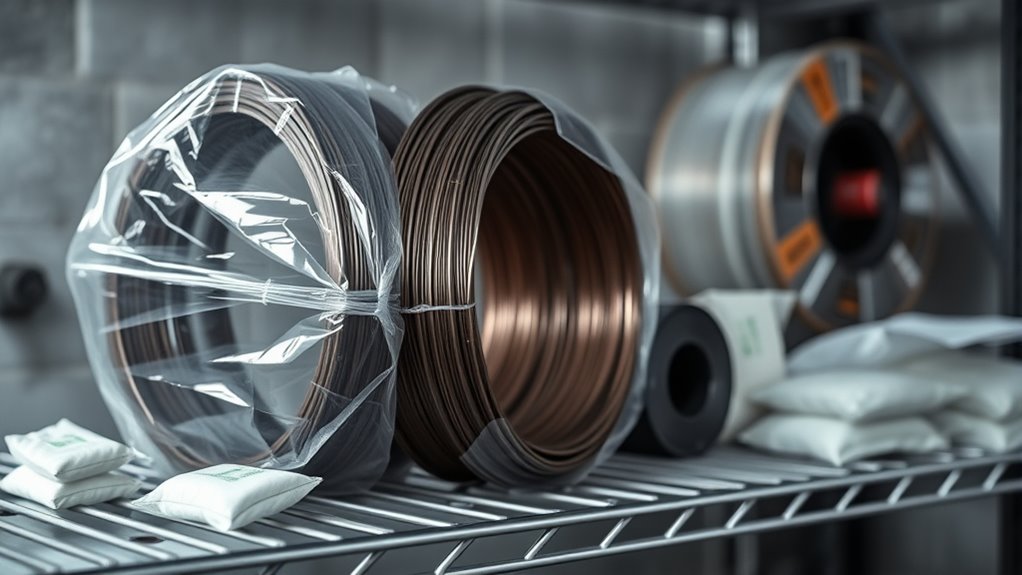
Steel welding wire rusts when water and oxygen reach the surface. Moisture, oil, grease, dirt, grinding dust, and corrosion can also enter the wire feed path and contaminate the weld. Manufacturer guidance consistently recommends keeping filler metal in clean, dry storage and in its original packaging until use.
Moisture matters for more than appearance. Condensation and surface contamination can contribute to porosity, unstable feeding, and higher hydrogen input in susceptible welds. Miller advises storing filler metals in a clean, dry area, keeping them sealed, and limiting cold-to-warm transfers that create condensation. See Miller’s guidance on controlling hydrogen in welding.
Flux-cored and metal-cored wires need product-specific handling because they contain core ingredients inside a metal sheath. Poor storage can cause surface rust, contamination, feeding problems, or changes in diffusible hydrogen performance. Aluminum wire does not rust like carbon-steel wire, but condensation can create hydrated oxide and contribute to porosity or inclusions.
Note: There is no single temperature or humidity limit for every welding wire. Product packaging, alloy, wire construction, spool material, and the welding specification can change the requirement. Use the manufacturer’s package label and technical data sheet as the controlling instruction.
How to Store Welding Wire Step by Step
1. Identify the Wire and Read the Label
Confirm the wire classification, alloy, diameter, lot number, spool type, and package condition. Separate solid MIG wire, aluminum wire, stainless wire, metal-cored wire, flux-cored wire, TIG rod, stick electrodes, and submerged arc flux because their storage and reconditioning rules are not interchangeable.
2. Inspect the Spool and Package
Look for torn bags, broken vacuum seals, crushed boxes, bent spool flanges, water stains, loose wraps, rust, pitting, white corrosion products, oil, dirt, and missing labels. Do not place a questionable spool into production before you confirm that it meets the manufacturer’s acceptance rules.
3. Secure the Wire End
Keep tension on the wire and fasten the end in the spool’s retaining hole or clip. Never let the end snap loose because crossed wraps can create a hidden tangle that later causes feeding problems.
4. Reseal the Spool
Return the spool to its original plastic bag and box when they remain clean and undamaged. Otherwise, use a clean, heavy resealable bag or airtight container large enough to protect both spool flanges. Push out excess air gently, close the seal, and protect the bag from punctures.
5. Add Desiccant and Label the Container
Add a fresh, suitable desiccant pack when humidity control is needed. Label the container with the wire type, diameter, lot number, date opened, date stored, and inspection status. Replace or regenerate the desiccant according to its instructions when its indicator shows that it is spent.
6. Store the Container Correctly
Place the sealed spool on a rack, shelf, or pallet in a dry enclosed area. Keep it away from concrete floors, exterior walls, open doors, water lines, roof leaks, direct sun, heaters, welding sparks, paint spray, lubricant mist, compressed-air exhaust, and grinding debris.
7. Acclimate Before Opening
When a spool moves from a cold room, vehicle, or warehouse into a warmer welding area, leave it sealed until it reaches the room’s temperature range. Aluminum wire often needs a longer acclimation period. Hobart and Miller both recommend allowing cold aluminum filler metal to stabilize before use, with 24 hours advised when possible.
Pro Tip: Keep a simple storage log beside the wire rack. Record the product, lot, date opened, storage location, condition, and the person who inspected it. This makes stock rotation and problem tracing much easier.
Store Welding Wire in Airtight Packaging
Original, intact packaging is the first choice because the manufacturer designed it to protect the wire during transport and storage. Hobart recommends storing wires and rods in their original packaging when they are not in use. ESAB gives similar guidance for solid and cored wire.
For an opened spool, place it in its original bag or a clean airtight container. A sealed bag protects the wire from humidity, dust, oil mist, and shop debris. The cardboard box then protects the bag and spool from punctures, sunlight, and impact.
Do not assume a thin household bag is airtight forever. Check the zipper, seams, and corners each time you store the spool. Replace a torn or dirty bag instead of taping over contamination.
For bulk drums and large packages, follow the package handling instructions. Do not tip, roll, crush, or lift a drum in a way that can disturb the wire lay. Use qualified material-handling equipment for heavy packages.
Products Worth Considering

Keeps electrodes fresh and dry.

Welding rod storage tubes are commonly used to store welding rods, welding wires, and other welding materials. The use of welding rod holder tubes makes it easy to carry and protect welding rods. In industrial welding work, welding rod storage tube can effectively maintain the quality and dryness of welding rods. When welding outdoors, the welding rod container can prevent the welding rod from being affected by moisture, dust, and so on.

Inventory and organize your filler metals properly
Use Desiccants Carefully; Oxygen Absorbers Are Usually Unnecessary
Desiccants such as silica gel can lower the humidity trapped inside a properly sealed container. They are useful for opened spools stored in humid shops, but they cannot rescue wet, rusty, or contaminated wire. They also do not replace controlled room conditions or the product data sheet.
- Use clean packs that are sized for the container.
- Keep loose desiccant beads contained so they cannot enter the spool or feeder.
- Use indicator packs when possible so you can see when the desiccant is spent.
- Replace or regenerate packs according to the desiccant manufacturer’s instructions.
- Dry the container before loading the spool. Do not seal visible moisture inside.
Generic oxygen absorbers are not a standard requirement in the major welding-wire storage guides reviewed for this article. Do not use them as a substitute for dry storage. Add one only when the welding consumable manufacturer or the approved packaging system specifically calls for it.
Store Wire in a Dry, Stable Place
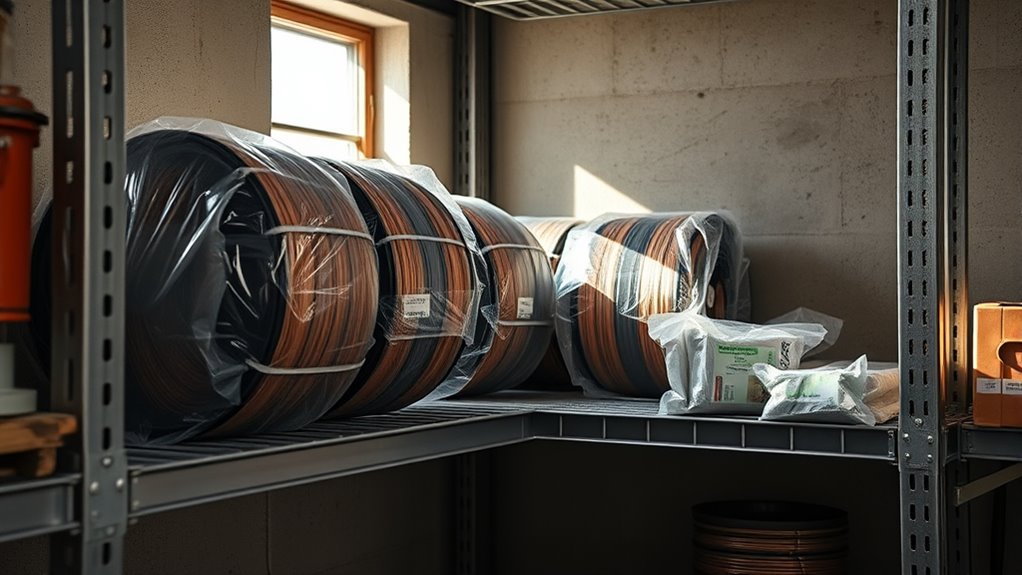
Choose a dry, enclosed room or cabinet with minimal temperature swings. Stable conditions reduce the chance that the wire temperature will fall below the air’s dew point and collect condensation.
Humidity limits vary. ESAB lists 15 to 36°C and less than 60% relative humidity for its cored wires, while other manufacturers and products use different limits. Hobart’s general unopened-package guidance allows a wider range unless a product-specific section says otherwise. This is why a universal number should not replace the package label.
A small hygrometer can help you spot seasonal changes in a garage or shop. Place it near the wire rack, not beside a heater, exterior door, or damp wall. Investigate repeated spikes, visible condensation, roof leaks, or musty packaging.
Warning: Do not place welding wire, flux-cored wire, plastic spools, or sealed packages in an oven unless the exact manufacturer’s instructions allow that product, package, spool, temperature, and time. Heating the wrong product can damage the wire, change its performance, melt the spool, or create a fire hazard.
Keep stock off the floor and away from moisture sources. Use first-in, first-out rotation so older approved stock gets used before newer stock. Smaller spools can be a better choice for occasional welding because they spend less time open.
How to Store MIG Wire Between Jobs
You do not always need to remove solid MIG wire after a short break in a clean, dry, climate-controlled shop. Cover the feeder, close the machine door, and inspect the wire before restarting. Remove and reseal the spool when the machine will sit for a long period or when the shop is damp, dusty, unheated, or exposed to temperature swings.
- Turn off and isolate the welder according to the equipment manual.
- Keep tension on the wire while you cut or release it from the feed path.
- Secure the wire end in the spool retaining hole or clip.
- Inspect the exposed outer wraps and both spool flanges.
- Return the spool to a clean sealed bag or container.
- Add fresh desiccant when the storage plan calls for it.
- Label the spool and place it in controlled storage.
Before reinstalling the spool, inspect the drive rolls, inlet guide, liner entrance, and contact tip area for rust particles or dirt. Do not spray the wire with WD-40, penetrating oil, anti-spatter fluid, or another unapproved lubricant. Hobart specifically warns against aftermarket wire-cleaning or lubricating additions that can contaminate the feed system.
Products Worth Considering

Large capacity main compartment with drawstring closure can fit virtually any welding helmet, including face shields

New bag for Auto Darkening Welding Helmet Hood Mask

Sturdy Microfiber Fabric for Long-Term Use: Our helmet bags are made of high-quality tear-resistant Microfiber fabric in classic black, able to withstand daily wear scratches and minor impacts; the solid Microfiber material effectively conceals stains and keeps a neat appearance for job site and motorcycle riding use
Protect Flux-Cored Wire From Humidity
Flux-cored and metal-cored wire should stay in unopened, undamaged original packaging until use. ESAB advises returning cored wire to controlled storage at the end of the work period and avoiding prolonged exposure on the welding machine, especially overnight when condensation may form. See ESAB’s storage and handling recommendations for welding consumables.
Seal Out Moisture
After use, secure the wire end, inspect the outer wraps, and return the spool to the original bag or another approved sealed container. Keep it away from rain, wash areas, open doors, wet gloves, oil, grease, corrosion, and dirty compressed air.
Vacuum packaging gives added protection only while the seal and pouch remain intact. Treat a deflated, torn, punctured, or water-stained package as suspect and follow the manufacturer’s disposition instructions.
Store in Dry Conditions
Keep cored wire in the product-specific temperature and humidity range. Rotate stock and minimize the time each spool remains open. Stainless cored wire may need extra care because some products are supplied in moisture-resistant vacuum pouches and are more sensitive to poor handling.
Do not leave a cored-wire spool exposed merely because the shop feels dry. Conditions can change overnight as the building cools and the relative humidity rises.
Recondition After Exposure
Reconditioning rules differ sharply by manufacturer and product. Some ESAB cored wires on approved metal packages can be rebaked at a specified temperature and time, while Hobart states that its tubular electrodes are not recommended for elevated-temperature storage or reconditioning because heat can change electrode performance.
Never create a universal rebake schedule. Use the exact product data sheet or contact the manufacturer’s applications department. Wire on a plastic spool may be ineligible for heat treatment even when the same classification on a metal spool can be reconditioned.
Discard cored wire that has widespread rust, severe water exposure, damp or damaged core material, long uncontrolled atmospheric exposure, or defects that remain after an approved reconditioning cycle.
Store Aluminum Wire Without Condensation
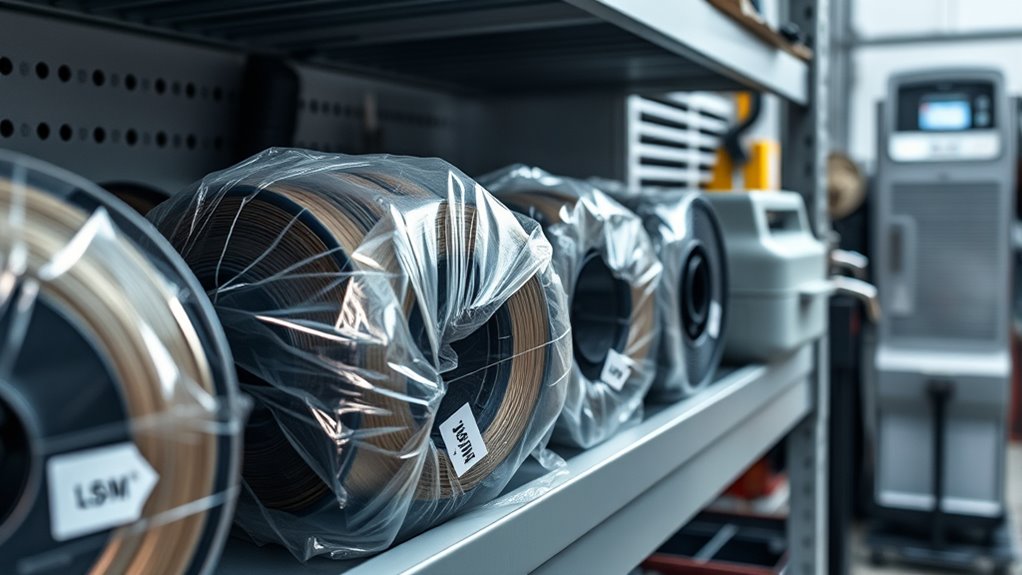
Aluminum filler metal should be kept covered in a clean, dry area with minimal temperature fluctuation. Condensation on cold aluminum can form hydrated oxide, which can contribute to porosity and oxide inclusions in the weld.
Miller recommends bringing aluminum filler and base metal into the welding area 24 hours before welding when possible so they can reach room temperature. Hobart also advises at least 24 hours of thermal stabilization for its aluminum wire moved from a colder to a warmer environment. See Miller’s industrial aluminum welding guide.
Prevent Dew Point Shifts
Keep aluminum wire sealed during transport from cold storage to the welding area. Avoid placing it beside an open exterior door, heater, sunny window, damp wall, or cooling air stream. A hygrometer and thermometer can help you recognize conditions that make condensation likely.
Do not open the package while the spool is still colder than the surrounding air’s dew point. If you see condensation on the package or nearby metal, wait and correct the storage conditions before opening it.
Acclimate Before Unsealing
Leave the spool in its sealed bag or container until its temperature is close to the welding area’s temperature. Larger spools and drums need more time than small spools. When possible, plan the move one day before welding instead of trying to warm the wire quickly.
Once opened, handle aluminum wire and TIG rod with clean, dry gloves. Keep it covered and away from steel grinding dust, oil, zinc residue, and dirty shop rags.
Check Welding Wire for Rust Before You Weld
Inspect each spool before loading it and after long storage. Use bright light and rotate the spool so you can see the outer wraps, edges, hub, and both flanges.
| Condition | Action |
| Clean, dry, bright surface; intact package; no odor or staining | Use after normal setup and feed checks. |
| Small, localized mark on the outer wrap with clean wire underneath | Quarantine the spool and follow the manufacturer’s guidance. Some manufacturers permit running off an affected outer layer, but do not scrub the spool with an abrasive pad. |
| Widespread rust, pitting, white corrosion, oil, wet packaging, damaged cored-wire seam, or unknown water exposure | Do not weld with it. Replace or dispose of it according to the manufacturer and local requirements. |
| Erratic feed, porosity, worm tracks, or unstable arc after approved setup checks | Stop, isolate the spool, inspect the feed path, and consult the product data sheet or manufacturer. |
Do not try to polish an entire rusty spool with a wire brush, sandpaper, or a homemade abrasive wipe. Abrasive particles and corrosion can enter the liner and drive system. Copper-coated steel wire can still corrode when its coating is damaged or moisture remains on the surface.
When to Recondition Welding Wire
Recondition welding wire only when the exact manufacturer documentation authorizes it. The word wire covers products with very different constructions, flux systems, coatings, and spool materials. A rebake schedule for one cored wire must not be applied to another wire or to solid MIG wire.
Before any approved heat treatment, confirm all of the following:
- The product name and classification are known.
- The lot label and package instructions remain readable.
- The manufacturer permits reconditioning for that exact product.
- The spool or basket material can withstand the specified temperature.
- The oven can hold the required temperature evenly and safely.
- The exposure history does not require disposal instead.
- The welding procedure, contract, or code does not impose stricter limits.
Do not confuse wire reconditioning with stick-electrode or submerged-arc-flux rebaking. Low-hydrogen stick electrodes, cellulosic electrodes, tubular wire, and loose SAW flux all have different rules. For example, cellulosic stick electrodes generally must not be rebaked, while some low-hydrogen electrodes require heated storage after opening.
If you cannot verify the product instructions, replacement is safer than guessing. Delayed cracking, porosity, failed inspection, damaged equipment, and lost traceability cost more than a questionable spool.
Common Mistakes That Damage Welding Wire
- Leaving an opened spool on the machine for weeks in a damp or unheated shop.
- Storing spools directly on concrete or beside an exterior wall.
- Opening cold wire immediately after moving it into a warm, humid room.
- Using a dirty bag or container that already holds moisture, oil, or grinding dust.
- Letting the wire end snap loose and cross under another wrap.
- Using spent desiccant without checking its indicator or replacement interval.
- Spraying wire with WD-40, oil, anti-spatter fluid, or an aftermarket lubricant.
- Using abrasive pads or homemade wipes to clean rusty wire as it feeds.
- Baking cored wire or a plastic spool without written product instructions.
- Mixing unlabeled partial spools and losing alloy, diameter, or lot traceability.
- Buying large spools that remain open for years when smaller spools would be used faster.
Good storage is a process, not a one-time purchase. A sealed container only works when the spool enters it clean and dry, the seal remains intact, and the room stays within the approved conditions.
Frequently Asked Questions
How should welding wire be stored?
Keep it in original, undamaged packaging until use. Reseal opened spools in a clean airtight bag or container, store them off the floor in a dry enclosed area, and protect them from condensation, oil, dust, water, sparks, and temperature swings.
Should you remove MIG wire from the welder after each job?
Not after every short break in a clean, dry, controlled shop. Remove and reseal it when the machine will sit for a long period or when the shop is damp, dusty, unheated, or subject to large temperature changes.
Can you use rusty MIG wire?
Do not use wire with widespread rust, pitting, or contamination. For a small mark limited to an outer wrap, quarantine the spool and follow the manufacturer’s instructions. Do not brush, sand, or lubricate the spool to hide corrosion.
Should you spray welding wire with WD-40?
No. Oil and residue can contaminate the wire, feed system, and weld. Use dry storage and the consumable manufacturer’s approved handling method instead.
How do you keep aluminum welding wire from condensation?
Keep the spool sealed while it warms to the welding area’s temperature. Plan about 24 hours of acclimation when possible, especially after cold storage, and do not open the package while the wire remains below the surrounding air’s dew point.
When should you rebake flux-cored wire?
Only when the exact wire manufacturer’s documentation permits it. Reconditioning temperatures, times, and approved spool types vary. Some tubular wires should not be heated, and many products on plastic spools cannot be rebaked safely.
What humidity is best for welding wire storage?
Use the limit on the package or data sheet. Many cored-wire guides specify less than 50% or 60% relative humidity, but other products use different limits. Stable conditions and protection from the dew point matter more than applying one number to every wire.
How long does welding wire last in storage?
Shelf life depends on the product, package, and storage conditions. Use the manufacturer’s stated shelf life, rotate stock, preserve the lot label, and inspect every spool before use. An old date alone does not prove condition, and a new spool can still be damaged by a broken seal or water exposure.
Safety Disclaimer: This article provides general information and does not replace the filler-metal data sheet, package label, welding procedure specification, equipment manual, workplace safety program, fabrication code, or professional engineering judgment. Follow the strictest applicable requirement before storing, heating, or using welding consumables.
Conclusion
Clean welds start with clean, dry filler metal. Keep welding wire sealed, labeled, supported, and off the floor. Protect it from condensation, water, oil, dust, corrosion, and sudden temperature changes.
Use the original packaging whenever possible, reseal opened spools promptly, and inspect the wire before every return to service. Treat reconditioning as a product-specific procedure, not a general shop fix. When rust, water damage, or exposure history makes a spool uncertain, replace it rather than risk the weld.
Sources
- Hobart Filler Metals, Product Storage & Handling Guidelines — general storage, acclimation, contamination, aluminum wire, and tubular-wire handling.
- ESAB, Storage & Handling Recommendations for Consumables — solid wire, aluminum wire, cored wire, humidity, condensation, and product disposition.
- ESAB, Shelf Life, Storage, and Reconditioning of Welding Filler Metals — shelf-life assumptions and product-specific cored-wire reconditioning limits.
- Miller, Guide to Industrial Aluminum Welding — dry storage, temperature stabilization, and condensation control for aluminum filler metal.
- Miller, How to Control Hydrogen in Welding — sealed filler-metal storage, clean handling, and condensation-related hydrogen control.