How to Use an Angle Grinder Safely
What’s in This Article
- Essential Personal Protective Equipment for Angle Grinder Use
- Before You Begin Using an Angle Grinder
- Step-by-Step Guide for Safe Angle Grinder Use
- How to Set Up a Safe Workspace for Angle Grinder Use
- Choosing the Right Disc for Your Angle Grinder Project
- Common Mistakes to Avoid When Using an Angle Grinder
- Tips for Maintaining Your Angle Grinder
- Troubleshooting Common Issues With Angle Grinders
- Frequently Asked Questions About Angle Grinders
- References
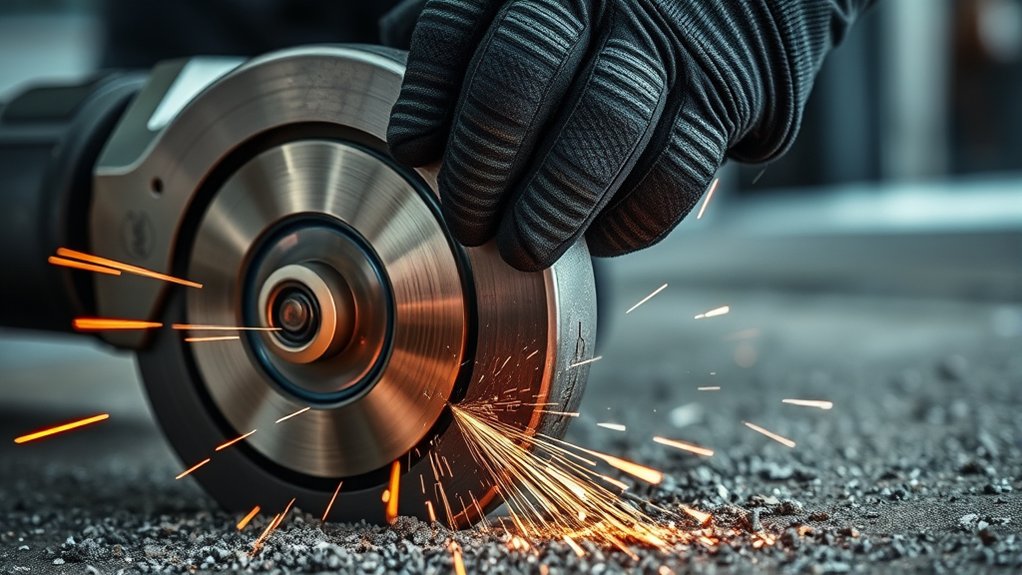
An angle grinder can cut, grind, and polish fast, but one slip can send sparks, dust, or a broken disc toward you. Safe use starts before you pull the trigger. This guide shows you what to wear, how to set up your workspace, how to choose the right disc, and how to handle the grinder with control.
Quick Answer
To use an angle grinder safely, wear proper personal protective equipment, inspect the tool and disc, secure your workpiece, and keep the guard in place. Hold the grinder with both hands, keep sparks away from your body, and let the disc reach full speed before it touches the material.
Key Takeaways
- Wear eye, face, hearing, hand, and respiratory protection before you start grinding.
- Check the grinder, guard, flange, and disc for damage before each use.
- Match the disc type and speed rating to the job and the grinder.
- Clamp the workpiece so both hands can control the tool.
- Stop the grinder if you feel strong vibration, hear odd noise, or see disc damage.
Essential Personal Protective Equipment for Angle Grinder Use
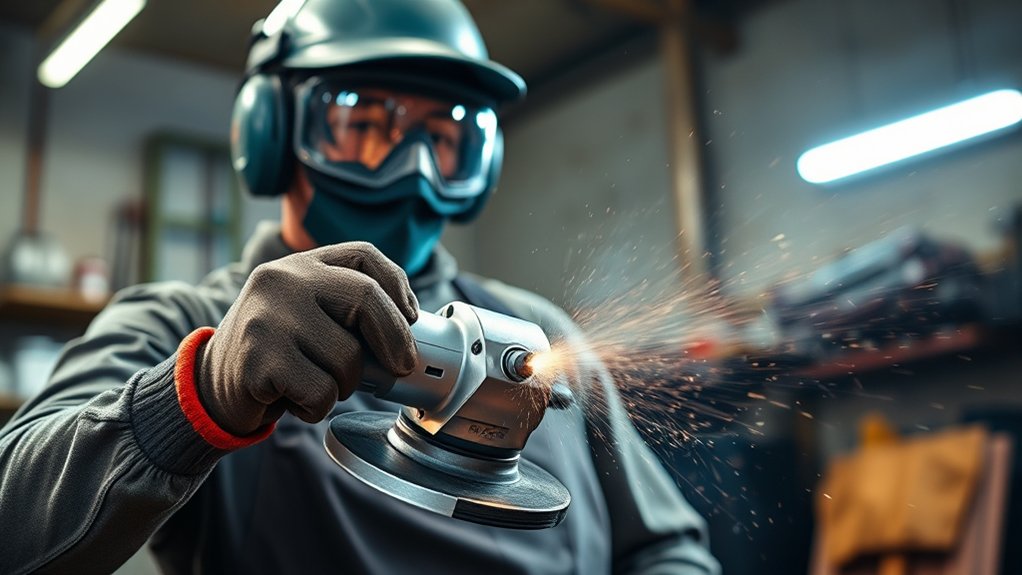
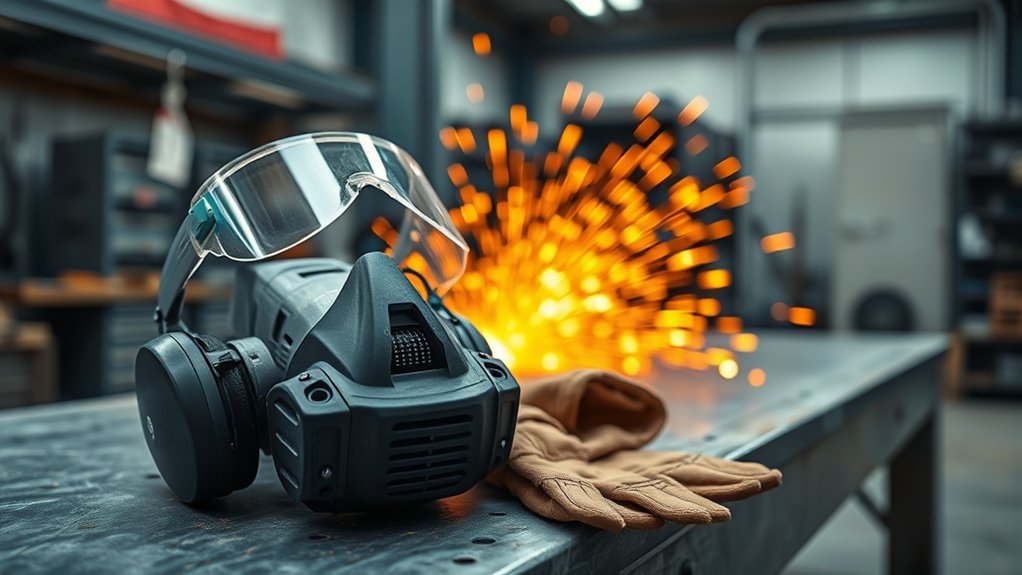
When you use an angle grinder, you need personal protective equipment (PPE) that protects your eyes, face, ears, hands, lungs, and skin. Wear safety glasses under a full-face shield when sparks, chips, or dust could fly toward you. Choose leather or cut-resistant gloves that fit well and still let you grip the tool firmly.
Use hearing protection, such as earmuffs or earplugs, because grinders can produce harmful noise during cutting and grinding. Wear a dust mask or respirator rated for the material you cut, especially when you grind concrete, masonry, paint, or coated metal. Keep your clothing snug, remove loose jewelry, and tie back long hair so nothing can catch in the rotating disc.
Warning: Do not rely on safety glasses alone when sparks or fragments may hit your face.
Products Worth Considering

SUPERIOR PROTECTION — Experience all-around face protection thanks to the curved design of this faceshield. The visor of this face guard is ANSI Z87+ certified, and up to 2x thicker for increased durability. Plus, you can comfortably wear your grinding face shield over prescription glasses.

COMPLETE PROTECTION — Pairing anti-fog and scratch-resistant goggles with a tough polycarbonate torch face shield, this unbeatable duo has you covered from splashes, dust, and debris. And they are built to resist high-speed impacts, even in extreme temperatures.

Before You Begin Using an Angle Grinder
Plan the job before you switch on the grinder. Choose the right grinder size, disc type, and guard position for the material. Read the tool manual if you’re not sure which discs, flanges, or guards your model accepts.
Set aside enough time so you don’t rush. A small cut may take only a few minutes, but safe setup often takes longer than the cut itself. Keep a fire extinguisher nearby when you work around metal sparks or dry materials.
What You’ll Need
- Angle grinder with the correct guard installed
- Disc rated for the material and grinder speed
- Safety glasses and a full-face shield
- Cut-resistant or leather gloves
- Hearing protection
- Dust mask or respirator suited to the material
- Clamps, vise, or another secure workholding method
- Nonflammable work surface
Estimated total time: 10 to 20 minutes for setup and a basic cut or grind, depending on the material and task.
Step-by-Step Guide for Safe Angle Grinder Use
Follow these steps each time you use an angle grinder. Work in order, because each step reduces a different risk.
- Put on your PPE. Wear eye, face, hearing, hand, and respiratory protection before you handle the tool.
- Inspect the grinder. Check the power cord, battery, switch, handle, guard, and vents for damage or buildup.
- Check the disc. Look for cracks, chips, warping, heavy wear, or the wrong speed rating.
- Install the right disc. Unplug the grinder or remove the battery before you change discs, then tighten it with the correct flange and wrench.
- Secure the workpiece. Clamp the material so it can’t shift, roll, or pinch the disc.
- Set your stance. Stand balanced and keep your body out of the spark path and the likely kickback path.
- Start the grinder away from the work. Let the disc reach full speed before it touches the material.
- Guide the tool with both hands. Use steady pressure and let the disc do the work.
- Stop safely. Lift the disc clear, release the trigger, and wait until the wheel stops before you set the grinder down.
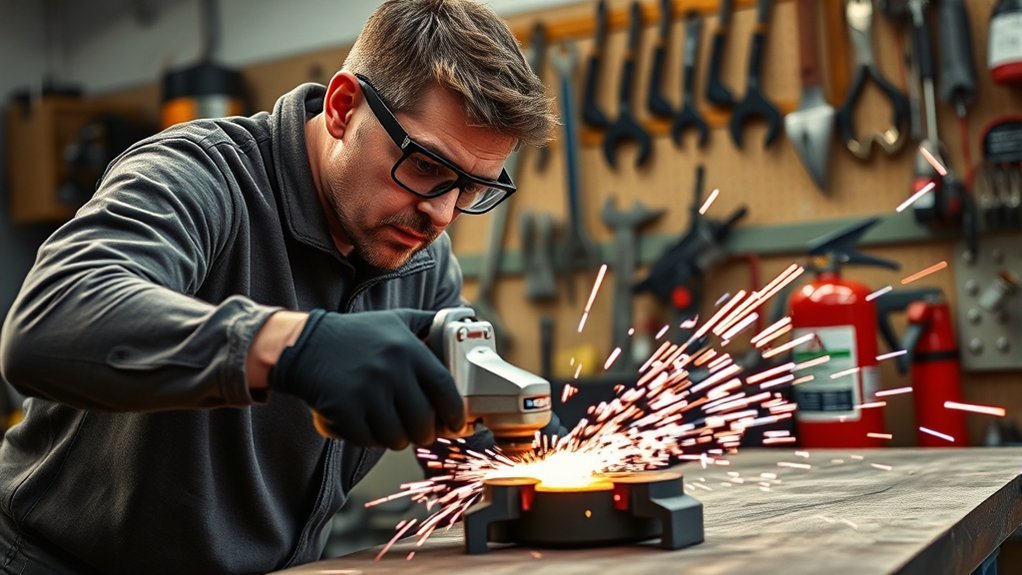
Position the grinder so sparks and debris fly away from your body, other people, cords, hoses, and flammable items. Keep the safety guard secure and adjusted so it shields you without blocking the cut. Never remove the guard to gain more reach.
How to Set Up a Safe Workspace for Angle Grinder Use
A clear workspace helps you control the tool and avoid fire hazards. Move paper, sawdust, solvents, fuel, rags, and other flammable materials away from the area before you begin. Keep bystanders and pets out of the work zone.
Use clamps or a vise to hold your material in place. Do not hold a small part in one hand while grinding with the other. Set the workpiece so the disc will not bind as the cut opens.
Work in a well-ventilated area, especially when you grind paint, coatings, masonry, or metal that creates fine dust. Keep cords behind you and away from the disc. Place your PPE within reach before you start so you don’t skip it.
Pro tip: Make a short test pass on scrap material when you use a new disc or unfamiliar material.
Choosing the Right Disc for Your Angle Grinder Project
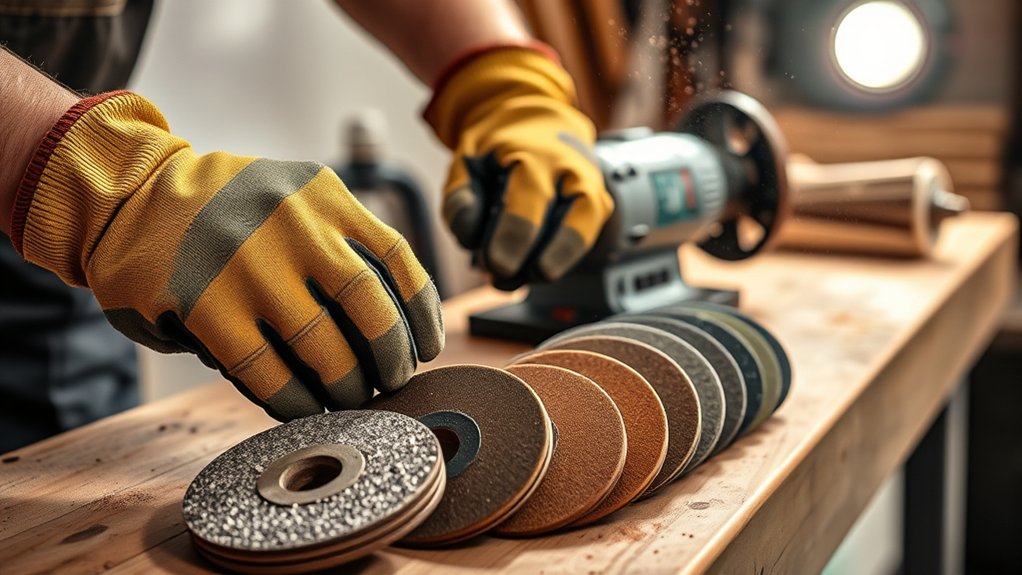
Choose the disc based on the material and the job. A thin cut-off wheel cuts metal but should not grind on its side. A grinding wheel removes metal and shapes edges, while a flap disc smooths or blends surfaces.
Use a masonry or diamond cutting disc for stone, brick, tile, or concrete. Check the disc label before you install it. The disc’s revolutions per minute (RPM) rating must meet or exceed the grinder’s maximum RPM.
Do not use a damaged, expired, or unknown disc. Store discs flat and dry so they don’t warp or weaken. Replace any disc that vibrates, sheds material, or shows cracks.
Products Worth Considering

【Stone Master】EZARC Segmented diamond saw blade is designed for aggressive cutting of masonry materials such as granite, concrete, sandstone, and limestone. Whether you are a construction worker, plumber, paver, DIY'er this cutting blade is perfect for you.

High Performance diamond matrix provides 200x's the life of conventional abrasives and enhanced material removal

Diameter: 4-1/2 inch(115), thread: 5/8-11 threaded, segment: 14, diamond grit: 30/40. Max.r.p.m:12200. Use wet or dry - recommended to use with angle grinders
Common Mistakes to Avoid When Using an Angle Grinder
Many angle grinder accidents come from skipped setup steps or poor handling. Avoid these mistakes before they turn into injuries, broken discs, or damaged work.
Incorrect Disc Selection
The wrong disc can cut poorly, overheat, shatter, or damage the grinder. Match the disc to the task, the material, and the grinder speed. Never use a circular saw blade, wood carving blade, or damaged abrasive wheel on a grinder unless the tool maker approves that exact accessory.
- Check the RPM rating before you mount the disc.
- Use cut-off wheels only for cutting, not side grinding.
- Use masonry-rated discs for brick, block, stone, tile, or concrete.
Skipping Safety Gear
Skipping PPE puts your eyes, lungs, ears, and hands at risk. Sparks and grit can travel fast, and fragments from a failed disc can cause severe injury. Put on your protection before you plug in the grinder or insert the battery.
Wear fitted clothing and keep sleeves, hair, cords, and jewelry away from the spinning wheel. Replace gloves that become oily, loose, or torn. Keep your grip firm but not stiff.
Improper Grip Technique
Grip the grinder with both hands and use the side handle when your tool includes one. Keep your arms steady and move your whole upper body instead of twisting your wrists. This stance gives you better control if the wheel catches.
- Hold the grinder at the correct angle for the disc and task.
- Keep your hands away from the cutting path.
- Stand outside the line where the grinder may kick back.
Tips for Maintaining Your Angle Grinder
Regular maintenance keeps your grinder safer and helps it last longer. Clean it after each use and inspect it before the next job. Replace worn parts instead of forcing a damaged tool to work.
| Task | Frequency | Action |
|---|---|---|
| Clean your angle grinder | After each use | Remove dust and debris from vents and parts |
| Inspect the power cord | Weekly | Check for wear or damage; replace it if needed |
| Lubricate moving parts | Monthly | Apply light machine oil only where the manual allows it |
| Store your angle grinder | After use | Keep it in a dry, dust-free place with the disc removed |
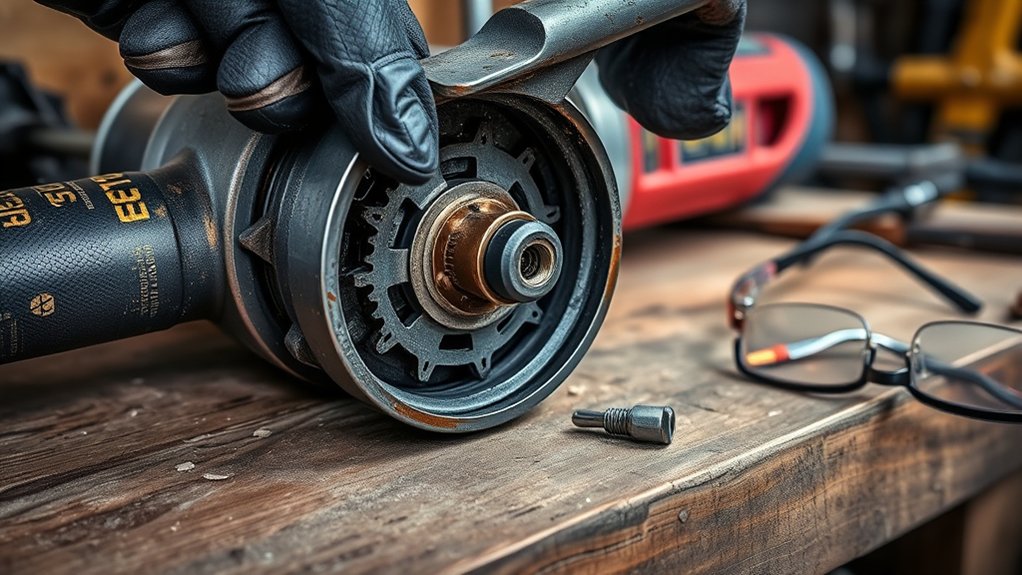
| Change disc safely | As needed | Unplug it or remove the battery; use the spindle lock |
Troubleshooting Common Issues With Angle Grinders
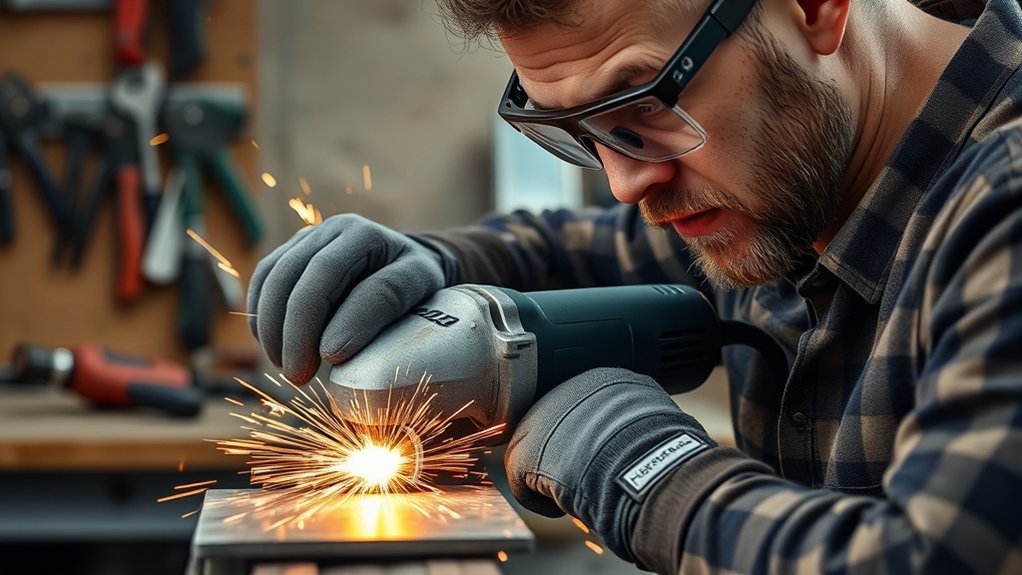
Stop the grinder as soon as it acts or sounds wrong. Unplug the tool or remove the battery before you inspect it. Do not keep cutting through strong vibration, burning smells, or unusual noise.
- If the grinder won’t start, check the power source, battery charge, switch, plug, and safety lock.
- If it vibrates heavily, stop and check for a damaged disc, loose flange, or wrong disc type.
- If sparks fly toward you, adjust your stance, guard, and cutting direction before you continue.
- If the tool overheats, let it cool and clear blocked vents before using it again.
Use only discs that fit the arbor, guard, and speed rating of your grinder. If the tool still sounds rough or runs unevenly after basic checks, have a qualified repair technician inspect it. A damaged grinder can fail without much warning.
Frequently Asked Questions About Angle Grinders
Common Angle Grinder Uses
Angle grinders can cut, grind, polish, sharpen, and remove rust when you use the correct attachment. They work on metal, masonry, tile, and some other hard materials. Always match the wheel to the material before you start.
- Cut metal and masonry with the correct cut-off disc.
- Remove rust, scale, or weld spatter with a grinding or flap disc.
- Polish or clean surfaces with a compatible wheel or pad.
Essential Safety Gear
Use protective gear every time you grind, cut, or polish. The exact gear may vary by material, but eye, face, hearing, hand, and respiratory protection form the base. Add heavier protection when the job creates more sparks, dust, or debris.
| Gear | Purpose | Importance |
|---|---|---|
| Safety glasses and face shield | Shield your eyes and face from sparks and debris | Help prevent serious injury |
| Ear protection | Guard against harmful noise levels | Help protect your hearing |
| Respiratory protection | Filter harmful dust and fumes | Help you breathe more safely |
Frequently Asked Questions
How do you use an angle grinder step by step?
Wear PPE, inspect the grinder, choose the right disc, secure the workpiece, and set the guard. Start the grinder away from the material, let it reach full speed, then guide it with both hands using steady pressure.
How do you use an angle grinder safely?
Use the guard, wear proper PPE, and keep both hands on the grinder. Stand out of the kickback path, keep sparks away from people and flammable items, and stop if the disc binds or vibrates.
What are 10 safety precautions before using a grinding machine?
Inspect the tool, check the disc, wear PPE, secure the workpiece, clear the area, set the guard, check the RPM rating, plan the spark path, keep cords clear, and keep bystanders away. These steps reduce the main risks before the wheel starts spinning.
What is the step-by-step procedure in using a grinding machine?
Prepare the work area, inspect the grinder, install the correct wheel, clamp the material, and put on PPE. Start the machine, apply light pressure, keep control with both hands, then let the wheel stop fully before setting the tool down.
Can an angle grinder kick back?
Yes, an angle grinder can kick back when the disc binds, catches, or pinches in the material. Reduce the risk by using the right disc, cutting in a stable position, and keeping your body out of the kickback line.
Safety Disclaimer: This article is for informational purposes only and does not replace the tool manual, workplace safety rules, or training from a qualified professional. Follow the manufacturer’s instructions and local safety standards before using an angle grinder.
Conclusion
Safe angle grinder use comes down to planning, protection, and control. Choose the right disc, inspect the tool, secure the workpiece, and wear the proper PPE before each job. Your next step is simple: set up the workspace before you start cutting or grinding. When you respect the tool, you work with more confidence and fewer risks.
References
- Personal Protective Equipment — Occupational Safety and Health Administration
- Occupational Noise Exposure — Occupational Safety and Health Administration
- Noise and Hearing Loss Prevention — National Institute for Occupational Safety and Health
- Machine Guarding — Occupational Safety and Health Administration