
Disclosure: As an Amazon Associate, we earn from qualifying purchases. If you click a link on this page and make a purchase, we may receive a small commission at no extra cost to you.
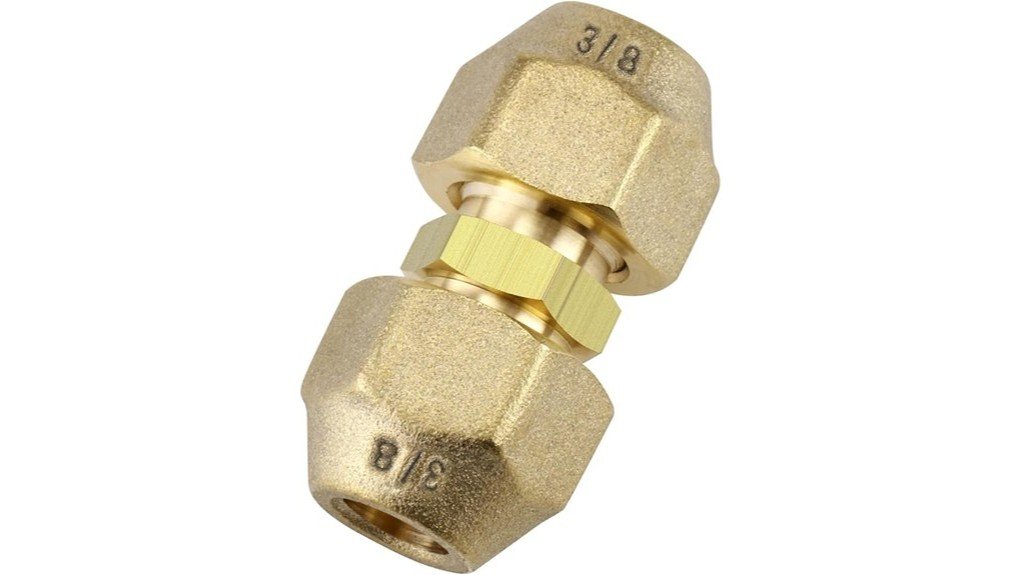
Joining or extending a 3/8-inch copper line can become more complicated when you want to avoid brazing or welding. The Timsec 3/8-Inch AC Pipe Joint Connector uses a brass union and two flare nuts to provide a mechanical connection for compatible copper tubing. Its simple design is useful for HVAC, refrigeration, and other suitable copper-line applications, but correct pipe size and proper joint preparation still matter. This review explains its fit, materials, installation considerations, practical uses, and limitations so you can decide whether it suits your project.
Quick Verdict
Rating: 8/10, Recommended with caveats
Best For: Buyers who need a brass flare-style union for compatible 3/8-inch copper tubing without using a welding machine.
Bottom Line: The Timsec connector offers a straightforward brass connection and includes the two flare nuts needed for the joint. Its main limitation is narrow sizing, and the available product information does not establish a universal pressure rating for every HVAC, gas, refrigeration, or plumbing system.
| Specification | Detail |
|---|---|
| Brand | Timsec |
| Model / Product Line | Pipe Extension Joint Connectors |
| Product Type | Copper pipe union connector with flare nuts |
| Nominal Tube Size | 3/8 inch |
| Supported Tube Diameter | Approximately 9-10 mm copper tubing |
| Material | Brass |
| Package Contents | 1 union connector and 2 flare nuts |
| Connection Method | Mechanical flare-style connection without welding the union itself |
| Listed Uses | Air conditioning, refrigeration, plumbing, vacuum, and compatible fuel or gas applications |
| Important Fit Note | Confirm tubing size and system requirements before installation |
Key Takeaways
- The connector is designed primarily for 3/8-inch copper tubing, with product information specifying roughly 9-10 mm tube diameter.
- Its brass construction gives you a metal fitting intended to resist normal corrosion better than many basic plastic connection parts.
- The package includes one union connector and two flare nuts, so the main joint components are supplied together.
- The design lets you join compatible copper tubing without welding the connector itself, but proper tube preparation and tightening are still essential.
- No verified universal pressure rating was found for this exact fitting, so you should confirm system requirements before using it in pressurized HVAC, refrigeration, fuel, or gas service.
What Is the Timsec 3/8-Inch AC Pipe Joint Connector?
The Timsec Pipe Extension Joint Connector is a compact brass fitting made to join two compatible sections of copper tubing. Instead of requiring you to braze the connection itself, it uses a union body with flare nuts. That can make it useful when you need to extend a copper line or replace a damaged section and a flare-style mechanical joint is appropriate.
The key detail is sizing. This version is sold for 3/8-inch copper tubing, with a listed fit range of approximately 9-10 mm. That means you should not choose it simply because two pipes look similar in diameter. Measuring the tubing and confirming your equipment requirements before ordering reduces the risk of a fitting that cannot seal correctly.
Who Should Buy It?
Best For
- You have compatible 3/8-inch copper tubing that needs a union connection.
- You want a brass fitting with the required flare nuts included.
- You are repairing or extending an HVAC, refrigeration, plumbing, or other compatible copper line where this connection type is permitted.
Skip If
- Your tubing is not approximately 3/8 inch or 9-10 mm.
- Your system requires a fitting with a specific certification or documented pressure rating not provided for this product.
- You are not equipped to prepare, tighten, and test a pressurized copper-line connection correctly.
Before You Buy: Check the actual outside diameter of your copper tube and your equipment requirements. A 3/8-inch fitting is not a universal connector, and an incorrect size or improperly prepared flare can lead to a poor seal.
Build Quality and Materials
The connector and its main components are listed as brass. For a fitting that may be exposed to moisture, temperature changes, and routine service work, brass is a practical choice because it combines strength with corrosion resistance.
The package includes the central union fitting plus two flare nuts. This is helpful because you do not have to source the matching nuts separately for the basic connection. However, the fitting does not make damaged, poorly cut, or incorrectly prepared copper tubing usable. The joint still depends on the condition and preparation of the tube ends.
Fit and Compatibility
This particular model is intended for 3/8-inch copper pipe. Product information also describes compatibility with tubing measuring about 9-10 mm in diameter. Because HVAC systems commonly use more than one copper line size, you should identify the exact line you are joining rather than assuming every tube on the system uses the same connector.
The fitting is also marketed for refrigeration, plumbing, vacuum, fuel, and gas applications. Those uses should be treated as compatibility categories rather than blanket approval for every system. Pressure, refrigerant, fuel type, local code, equipment specifications, and connection requirements can differ significantly.
Installation and Setup
The attraction of this connector is its free-welding design. The union itself can be installed using a mechanical flare-style connection rather than brazing the two copper tubes directly together. That may reduce the amount of specialized heating equipment needed for the joint.
Correct preparation is still critical. The copper ends should be clean, correctly sized, undamaged, and prepared for the connection being used. The flare nuts must sit squarely on the fitting, and tightening should follow the requirements for your tubing and equipment rather than guesswork.
Common Mistakes to Avoid
- Using the wrong tube size: A near match is not enough for a reliable pressurized connection.
- Leaving dirt or damage on the tube end: Contamination or an uneven sealing surface can interfere with the joint.
- Misaligning the fitting: Starting a flare nut at an angle can damage threads or prevent even seating.
- Under-tightening: A loose connection may not seal correctly.
- Over-tightening: Excessive force can damage the flare or fitting.
- Skipping system testing: A connection that looks tight should still be checked using the procedure required for the system.
Pro Tip: Measure the copper tubing before ordering and confirm both line size and connection type. On HVAC or refrigeration equipment, follow the equipment manufacturer’s service requirements and use a qualified technician when refrigerant handling, evacuation, pressure testing, or code compliance is involved.
Compatibility and Safety
A brass fitting can be durable, but material alone does not tell you whether a connector is suitable for a specific pressurized system. The available product information does not provide a verified universal maximum working pressure for this exact connector. For that reason, you should not rely on an assumed pressure figure when choosing it for HVAC, refrigeration, gas, fuel, or other pressure-sensitive work.
Refrigerant and gas systems can also involve safety rules and local codes that go beyond simply tightening a fitting. Use the connector only where its size, material, connection design, and system requirements are compatible. Professional installation or inspection is the safer choice when the line contains refrigerant, combustible gas, or another controlled fluid.
Applications and Use Cases
The product is primarily positioned as an air-conditioning copper-pipe extension connector, but its basic flare-union design may suit several compatible systems. The important point is to match the fitting to the tubing and operating requirements rather than assuming every listed application has identical demands.
| Application | How the Connector May Be Used | What to Check |
|---|---|---|
| Air Conditioning | Joining or extending a compatible copper line | Tube size, equipment requirements, and proper testing |
| Refrigeration | Mechanical connection in a compatible copper circuit | Refrigerant-system specifications and service procedures |
| Plumbing or Vacuum | Connecting correctly sized copper tubing | Pressure or vacuum requirements and local standards |
| Fuel or Gas | Only where this fitting type and material are approved for the specific system | Codes, fluid compatibility, pressure requirements, and professional installation |
How It Performs in Real Use
For Extending an AC Copper Line
This is the product’s clearest use case. When the existing line and extension are the correct 3/8-inch size and a flare union is appropriate, the connector gives you a mechanical way to join the two sections without brazing the union itself. The compact package also includes both flare nuts needed around the central connector.
For Repair Work
A union can be useful when a damaged section of compatible copper tubing has to be replaced. Its value depends on having sound tubing on both sides of the repair and preparing those ends correctly. It should not be treated as a shortcut for damaged or incorrectly sized pipe.
For Refrigeration or Vacuum Work
The product is listed for refrigeration and vacuum applications, but these systems can have specific sealing and pressure requirements. Before using it, confirm that the connection style and tubing dimensions meet the equipment manufacturer’s requirements.
For Gas, Fuel, or Other Controlled Systems
The listing mentions fuel and gas applications, but this is where extra caution matters most. Use it only when the fitting type, brass material, tubing size, operating pressure, and applicable code all permit the connection. When those requirements are unclear, professional guidance is the better choice.
Pros and Cons
Pros
- Brass construction provides a sturdy metal connection.
- Designed specifically for common 3/8-inch copper tubing.
- Includes one union connector and two flare nuts.
- Does not require welding or brazing the union itself.
- Can suit several compatible copper-line applications when system requirements are met.
Cons
- Limited to compatible 3/8-inch or roughly 9-10 mm tubing.
- A verified maximum pressure rating is not stated in the product information reviewed.
- Correct tube preparation, tightening, and testing are still required for a reliable connection.
Is It Worth the Price?
The Timsec connector offers the most value when you already know that you need a 3/8-inch brass flare-style union. You receive the union and two flare nuts in one package, which makes it a practical small repair or extension component rather than a kit filled with parts you may not use.
Its value is less convincing if you are still unsure about tubing size, system pressure, or the fitting standard required by your equipment. In that situation, choosing solely by nominal diameter could cost more in rework than the connector itself. It is worth considering when the fit is confirmed, but it is not the best choice for buyers who need documented pressure specifications or a different connection size.
How It Compares to Alternatives
Compared with a traditional brazed copper coupling, the Timsec fitting avoids heating the union itself and uses a mechanical flare connection instead. A brazed joint may still be preferred or required in systems designed around brazed connections, especially when installation standards specify that method.
Compression-style copper couplings provide another mechanical option, but they use a different sealing method. The Timsec connector makes the most sense when your project specifically calls for a compatible 3/8-inch flare-style union and you want the union body and flare nuts supplied together.
Frequently Asked Questions
What size copper pipe does this Timsec connector fit?
This version is designed for nominal 3/8-inch copper tubing. The product information specifies an approximate compatible tube diameter of 9-10 mm, so measure your tubing before ordering.
What comes in the package?
The package includes one brass union connector and two flare nuts. That gives you the main connector components for joining two compatible copper tube sections.
Does this connector require welding?
The product is designed as a free-welding mechanical connector, so you do not have to weld or braze the union itself. The copper ends still need to be correctly prepared for the flare-style connection and tightened according to the requirements of your system.
What is the maximum pressure rating?
A verified universal maximum pressure rating for this exact Timsec connector was not found in the product information reviewed. Do not assume a pressure limit based on a similar fitting. Confirm the requirements of your specific equipment and application before installation.
Can you reuse the fitting after removing it?
The available product information does not guarantee unlimited reuse. Before considering reuse, inspect the connector, threads, flare surfaces, nuts, and tubing for wear or damage and follow the requirements for the system being serviced.
Can it be used for refrigeration, plumbing, fuel, or gas lines?
Those applications are listed for the product, but compatibility depends on more than tube diameter. Check material compatibility, system pressure, local codes, equipment instructions, and the required fitting type before using it outside a basic copper-line connection.
How can you reduce the chance of leaks?
Start with the correct tubing size and clean, undamaged copper ends. Keep the fitting aligned, prepare the flare correctly, tighten it according to the applicable equipment specifications, and perform the required leak or pressure test before returning the system to service.
Who should skip this connector?
Skip it if your tubing is a different size, your system requires another connection standard, or you need a fitting with a documented certification or pressure rating that this listing does not provide. It is also a poor choice when you cannot safely prepare and test the connection.
The Bottom Line
The Timsec 3/8-Inch AC Pipe Joint Connector is a practical option when you need a brass flare-style union for correctly sized copper tubing and want to avoid brazing the union itself. Its brass build, included flare nuts, and straightforward 3/8-inch sizing are useful strengths, while limited size compatibility and the lack of a verified universal pressure rating are the main reasons to confirm your application carefully. It earns an 8/10 recommendation with caveats for buyers who have already verified that this fitting type matches their system.
Ready to Buy?
Check the latest product details and confirm the 3/8-inch size before you decide.


