Disclosure: As an Amazon Associate, we earn from qualifying purchases. If you click a link on this page and make a purchase, we may receive a small commission at no extra cost to you.
Choosing TIG welding gloves is a balance between finger control and heat protection. Thick gloves can feel safer, but they can also make it harder to feed filler rod, hold a torch, or work around tight weld joints.
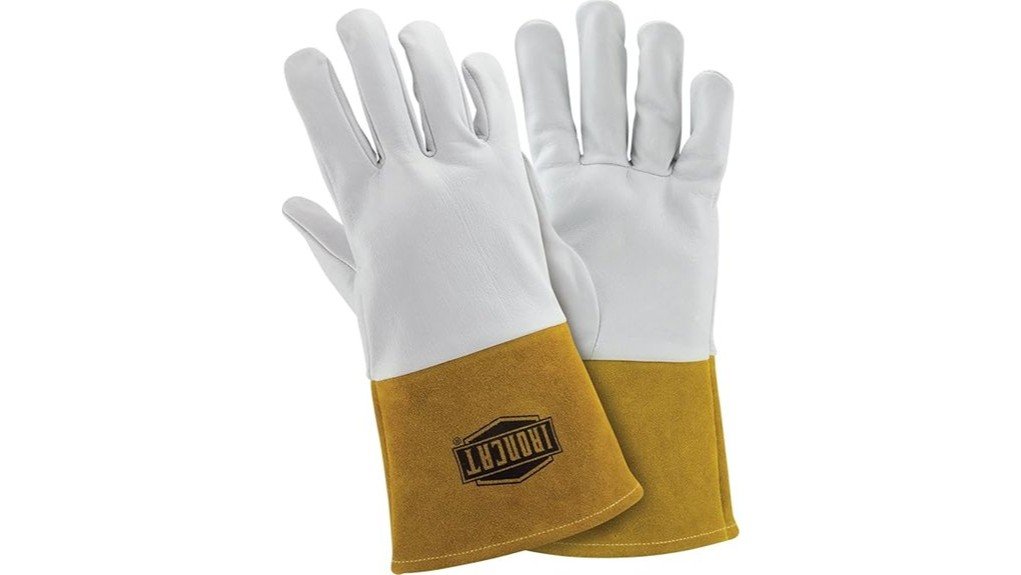
The IRONCAT 6141 Kidskin TIG Welding Gloves are built for welders who want a lighter, more responsive glove for precision TIG work. Their top grain kidskin leather supports better dexterity, while Kevlar-reinforced seams add protection at common wear points. This review explains where they perform well, where they fall short, and who should choose a heavier welding glove instead.
Quick Verdict
Rating: Recommended with caveats
Best For: TIG welders who need high dexterity for light to medium-duty welding work
Bottom Line: The IRONCAT 6141 makes sense when finger control matters more than thick insulation. It is not the best choice for heavy MIG, flux-core welding, or rough industrial work with constant high heat.
| Specification | Detail |
|---|---|
| Brand | IRONCAT |
| Model | 6141 Kidskin TIG Welding Gloves |
| Product Type | TIG welding gloves |
| Primary Material | Top grain kidskin leather |
| Seam Reinforcement | Kevlar threading |
| Length | 11.75 inches |
| Width | 4.75 inches |
| Design | Straight thumb with extended cuff |
| Best Use | TIG welding, light fabrication, and light automotive welding tasks |
| Main Strength | High dexterity for controlled torch and filler rod movement |
| Safety Note | Better for controlled TIG heat than heavy MIG or flux-core welding heat |
What Is the IRONCAT 6141 Kidskin TIG Welding Gloves?
The IRONCAT 6141 is a TIG welding glove made for precision work where hand control matters more than thick padding. It uses top grain kidskin leather, which gives the glove a softer and more flexible feel than many heavier split leather welding gloves.
This model is aimed at welders who need to guide filler rod, hold a TIG torch, and work around small weld seams with less hand restriction. The straight thumb design supports grip control, while the extended cuff adds wrist and lower forearm coverage against sparks and brief heat exposure.
The main tradeoff is insulation. Kidskin leather helps you feel and move better, but it does not replace a thick MIG glove when your work involves prolonged high heat, heavy spatter, or rough handling.
Who Should Buy It?
Best For
- TIG welders who need better finger movement for filler rod control
- Light fabrication work where flexibility matters more than heavy insulation
- Automotive welding tasks with moderate heat and tight working areas
Skip If
- You mainly do high-heat MIG, flux-core, or heavy industrial welding
- You need maximum insulation for long welds near intense heat
- You want one glove for welding, grinding, and rough material handling
Key Material and Build Quality
The top grain kidskin leather is the main reason to consider this glove. It gives you a more flexible feel, which helps when you need to position an electrode, adjust torch angle, or feed filler rod with steady control.
Kevlar-thread stitching adds useful reinforcement at the seams. That matters because stitching often fails before the main leather body on welding gloves, especially when the glove sees sparks, heat, and repeated hand movement.
The extended cuff adds a practical safety benefit. It helps cover the lower wrist and forearm, which can reduce exposed skin when you weld at an angle or reach around a workpiece.
Heat Protection and Safety Performance
The IRONCAT 6141 is best matched with controlled TIG welding heat. TIG work often demands precision and lower spatter exposure than heavier welding processes, so a lighter glove can make sense when you need touch and control.
That lighter build also sets the limit. Kidskin leather is not as thick as heavy-duty MIG glove leather, so it should not be your first choice for long exposure to extreme heat, heavy spatter, or abrasive shop tasks.
Before You Buy: These gloves prioritize dexterity over heavy insulation. Choose a thicker welding glove if your work involves high-heat MIG welding, flux-core welding, heavy grinding, or prolonged direct heat exposure.
Comfort and Fit
The slimmer kidskin build helps the glove feel closer to your natural hand position. That can reduce the clumsy feel you may notice with thick welding gloves, especially during detailed TIG work.
The straight thumb design supports a controlled grip on the torch and filler rod. It is helpful when you need small hand movements instead of broad protection for heavy-duty material handling.
Because the glove is built for dexterity, the fit may feel less bulky than heavier welding gloves. That is a benefit for precision, but it also means you should avoid using it as a general-purpose shop glove for sharp edges, grinding sparks, or rough lifting.
Fit Tips Before You Buy
Think about your main welding process before choosing these gloves. If most of your work is TIG, the flexible kidskin design fits the job well. If you switch between TIG, MIG, grinding, and fabrication cleanup, you may need a second heavier glove nearby.
Use the 11.75-inch length and extended cuff as a coverage guide, not as a promise of full forearm protection. You should still wear proper welding sleeves, jacket protection, and eye protection based on your welding setup.
Break the gloves in during light work before relying on them for longer sessions. That helps you check finger control, cuff comfort, and grip feel without pushing the leather into rough service right away.
How It Performs in Real Use
For Precision TIG Welding
The glove’s flexible kidskin leather helps you control small movements during TIG welding. You can feed filler rod more smoothly and adjust torch angle with less resistance than you would feel in a thick MIG glove.
For Light Automotive Welding
Automotive repair often puts your hands near tight spaces and awkward angles. The IRONCAT 6141 works well for moderate-heat tasks where you need access and control, but it is not ideal for prolonged heat exposure near larger weld areas.
For Light Fabrication Tasks
In light fabrication, the Kevlar-reinforced seams help the glove handle repeated hand movement around metal edges and tools. Still, the thinner leather should not be treated like a rugged material-handling glove.
For General Workshop Use
The gloves can handle short setup tasks around the welding bench, but they should not replace dedicated gloves for grinding, heavy lifting, or sharp metal handling. Using the right glove for each task can help the IRONCAT 6141 last longer.
Material Safety and Comfort
Because these gloves sit directly against your hands, comfort matters during longer TIG sessions. The kidskin leather can feel softer and more responsive than heavier leather, which helps when you need steady hand positioning.
Do not treat the lighter leather as a substitute for full welding protection. You should match your glove choice to the welding process, heat level, work position, and surrounding hazards. If your hands feel too much heat through the glove, stop and switch to heavier protection.
Inspect the seams, cuff, and palm before each use. Replace the gloves if the leather becomes thin, burned through, torn, or stiff enough to limit safe hand control.
How to Use Them Correctly
Use these gloves for TIG-focused work where dexterity is the priority. Keep a thicker glove nearby for moving hot material, grinding, or working near heavier spatter.
Avoid using the palm as a heat shield against recently welded metal. Even a well-made TIG glove has limits, and direct contact with hot workpieces can damage the leather or transfer heat quickly.
Store the gloves away from moisture, oil, and sharp scrap metal when you finish working. Cleaner storage helps preserve leather feel and reduces avoidable seam wear.
Pros and Cons
Pros
- Top grain kidskin leather improves finger flexibility for TIG precision work
- Kevlar threading reinforces seams against common spark and abrasion wear
- Straight thumb design improves torch grip and filler rod control
- Extended cuff adds helpful wrist and lower forearm coverage
- Lightweight feel reduces hand fatigue during detailed welding tasks
Cons
- Not ideal for heavy MIG, flux-core, or prolonged high-heat welding
- Thinner leather may wear faster under rough industrial handling
- Less insulation than heavier welding gloves built for hotter processes
Want a closer look before deciding?
Pro Tip: Use the IRONCAT 6141 for TIG welding and keep a heavier pair nearby for grinding, moving hot metal, or high-heat tasks. That simple rotation can protect your hands and extend glove life.
Is It Worth the Price?
The IRONCAT 6141 sits in the practical mid-range category for TIG welding gloves. You are paying for flexibility, seam reinforcement, and hand control rather than maximum insulation or multi-layer protection.
It is worth considering if you need better dexterity for detailed TIG work. The glove offers strong value for the price when your main priority is torch control, filler rod handling, and comfort during lighter welding sessions.
It is not the best fit if your projects involve constant high heat, rough industrial fabrication, or heavy spatter. In that case, a thicker welding glove may deliver better long-term protection and durability.
How It Compares to Alternatives
Compared to thicker MIG welding gloves, the IRONCAT 6141 offers better dexterity but less heat resistance. If you need heavy insulation, a thick split-leather MIG glove is a better match. If you need control for TIG welds, kidskin is usually the more comfortable direction.
Compared with other TIG-focused leather gloves, the main buying difference is the kidskin feel, straight thumb design, and Kevlar-reinforced stitching. The IRONCAT 6141 makes the most sense when you want responsive hand movement without stepping into a bulky glove.
Frequently Asked Questions
Are the IRONCAT 6141 gloves good for TIG welding beginners?
Yes, they can work well for TIG beginners because the flexible kidskin leather helps you feel and control small hand movements. Beginners should still avoid high-heat tasks and use proper welding protection until they understand their heat exposure.
Can these gloves be used for MIG welding?
They are better suited for TIG welding than MIG welding. For high-heat MIG work, flux-core welding, or heavy spatter, choose a thicker welding glove with more insulation.
How long do these gloves last?
Lifespan depends on how you use them. Light TIG work can help them last longer, while frequent high heat, grinding sparks, rough metal handling, or abrasive use can shorten their life.
Can these gloves handle grinding work?
They can handle light setup work around grinding, but they are not designed as heavy grinding gloves. Use thicker protection when sparks, sharp edges, or abrasive contact are the main hazards.
What makes kidskin leather useful for TIG welding?
Kidskin leather is valued for softness and flexibility. In TIG welding, that helps you guide filler rod, adjust torch angle, and work around small weld seams with better control.
Do the extended cuffs replace welding sleeves?
No, the extended cuff adds wrist and lower forearm coverage, but it does not replace proper welding sleeves or jacket protection. Match your full protective gear to your welding position and heat exposure.
Who should skip the IRONCAT 6141 gloves?
Skip them if you need one glove for high-heat welding, heavy grinding, moving hot parts, and rough fabrication cleanup. They are best used as a TIG-focused glove, not as an all-purpose heavy shop glove.
The Bottom Line
The IRONCAT 6141 Kidskin TIG Welding Gloves are a smart choice for TIG welders who need precision, flexibility, and comfortable control during detailed work. Their main strength is dexterity, while their main limitation is reduced insulation compared with heavier welding gloves.
Buy them if you mostly do TIG welding, light fabrication, or moderate-heat automotive work. Skip them if you need maximum heat resistance, heavy-duty durability, or one glove for every welding and grinding task.