Disclosure: As an Amazon Associate, we earn from qualifying purchases. If you click a link on this page and make a purchase, we may receive a small commission at no extra cost to you.
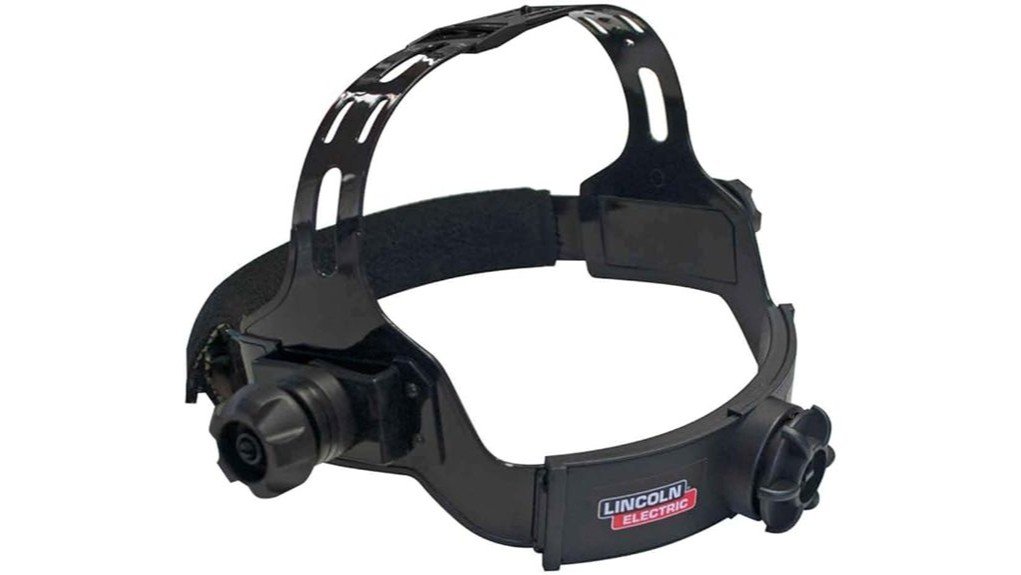
A welding helmet can protect your eyes and face, but poor headgear can still make long work sessions uncomfortable. The Lincoln Electric Viking Welding Helmet Headgear is made for welders who use compatible Viking helmet systems and want steadier support, better balance, and fewer pressure points.
This review helps you decide whether this replacement headgear is worth buying for your helmet. Its biggest strength is comfort during longer welding sessions, while its main limitation is clear: it is built for specific Lincoln Electric Viking helmet models, not every helmet brand.
Quick Verdict
Rating: 8.5/10
Best For: Welders who already use compatible Lincoln Electric Viking helmet systems
Bottom Line: This headgear is a practical comfort upgrade if your current Viking helmet support feels loose, worn, or pressure-heavy. It is not the right buy if you need universal headgear for non-Viking helmets.
Key Specifications
| Specification | Detail |
|---|---|
| Brand | Lincoln Electric |
| Product Type | Replacement welding helmet headgear |
| Helmet Family | Lincoln Electric VIKING helmet systems |
| Article-Supported Compatibility | VIKING 3350, 2450, 1840, and 1740 series |
| Fit System | Adjustable headbands and tension points |
| Support Design | Weight support across the front, top, and rear of the head |
| Installation Type | Replacement headgear for compatible helmet shells |
| Best Use | Long welding sessions, shop work, field work, and overhead positioning with compatible helmets |
| Main Limitation | Not a universal replacement for all welding helmet brands |
| Safety Note | Confirm helmet compatibility and inspect the full helmet before welding |
What Is the Lincoln Electric Viking Welding Helmet Headgear?
The Lincoln Electric Viking Welding Helmet Headgear is a replacement support system for compatible Lincoln Electric Viking welding helmets. It connects to the helmet shell and helps hold the helmet in place while spreading weight across more than one contact area.
It is mainly for welders who already own a Viking helmet and want to refresh the fit or improve comfort. Instead of replacing the entire helmet when the support system wears out or feels unstable, this headgear gives you a more targeted fix.
The main selling point is balance. A helmet that shifts, dips forward, or presses too hard on one area can distract you during welding, especially when you work for long periods or change positions often.
Who Should Buy It?
Best For
- Welders using compatible Lincoln Electric VIKING 3350, 2450, 1840, or 1740 helmets
- Fabricators who want steadier helmet support during longer shop sessions
- Buyers replacing worn, loose, or uncomfortable headgear instead of buying a new helmet
Skip If
- You use a non-Lincoln helmet or a helmet outside the supported Viking series
- You need a complete welding helmet with lens, shell, and headgear included
- You want a universal headgear system for switching between several helmet brands
Fit and Compatibility
Compatibility is the first thing to check before buying this headgear. The article-supported fit range includes Lincoln Electric VIKING 3350, 2450, 1840, and 1740 series helmets.
That focused compatibility is both a strength and a limitation. It helps the headgear integrate better with the intended Viking helmet shells, but it also means you should not treat it as a generic welding helmet part.
Before You Buy: Confirm your exact Viking helmet series before ordering. A close-looking helmet from another brand, or an unsupported Lincoln helmet, may not seat correctly and can affect comfort and safety.
Comfort and Weight Distribution
Comfort is the main reason to consider this headgear. The support design spreads helmet weight across the front, top, and rear of your head, which helps reduce pressure in one single area.
This matters most during long welding sessions. A helmet that feels fine for a few minutes can become distracting after repeated welds, grinding breaks, repositioning, and overhead work.
The headgear is especially useful when your current support system causes forehead pressure or lets the helmet sag forward. Better balance can help you focus on visibility, arc control, and body position instead of constant fit adjustments.
Adjustment and Stability
The adjustable headbands let you fine-tune the fit based on your head size and helmet balance. That adjustability is useful because welders often work in several positions during the same task.
A stable fit helps reduce helmet bounce when you move between weld points. It can also help when you look upward, lean into a tight space, or reposition your body around a fixture.
You may need a few minutes of trial and error to find the right tension. Over-tightening can create pressure, while under-tightening can allow the helmet to shift when you move.
Build Quality for Shop Use
This is a working headgear system, not a decorative accessory. The article describes it as built for welding environments, daily shop use, heat exposure, sparks, and repeated handling.
That durability matters because headgear takes more abuse than many buyers expect. You adjust it, lift the hood, lower the hood, carry the helmet, and store it between jobs.
Still, this headgear does not replace safe helmet maintenance. If your helmet shell, lens, shade system, or protective parts are damaged, inspect the full helmet and follow the manufacturer’s safety guidance before welding.
Installation and Setup
Installation is meant to be straightforward on compatible Viking helmet systems. Most buyers should be able to replace the existing headgear through the helmet’s normal adjustment points.
Before removing your old headgear, look at how it attaches to the helmet shell. Matching the replacement position carefully helps reduce setup mistakes and makes the first fit adjustment easier.
After installation, test the helmet movement before starting live welding. Raise and lower the helmet several times, look down, look up, and check whether the helmet stays stable without pinching.
How It Performs in Real Use
Long Welding Sessions
During longer sessions, the balanced support can reduce the pressure that builds around your forehead and the back of your head. This makes it more useful for welders who wear a helmet for extended fabrication, repair, or production work.
Overhead and Out-of-Position Welding
When you look upward or work in a tighter position, helmet stability becomes more important. A better-adjusted headgear system can reduce shifting, which helps you keep a clearer view of the work area.
Shop and Field Work
In a shop, the benefit is comfort during repeated use. In field work, the benefit is steadier helmet support when you move between positions, tools, and work surfaces.
Replacing Worn Headgear
This product makes the most sense when your helmet still works well but the headgear feels worn, loose, or uncomfortable. Replacing the support system can extend the practical use of a compatible helmet without replacing the full unit.
Fit and Usage Tips
Pro Tip: Adjust the rear tension first, then fine-tune the top band. This helps balance the helmet before you tighten the headgear around your head.
Make small adjustments instead of tightening every point at once. This helps you avoid pressure spots and makes it easier to find a natural balance point.
Test the helmet in the same positions you use most often. If you weld overhead, look upward during the fit check. If you work at a bench, lower your head and confirm the helmet does not slide forward.
Common Mistakes to Avoid
- Do not assume it fits every welding helmet just because it is headgear.
- Do not start welding until the helmet raises, lowers, and holds position correctly.
- Do not over-tighten the rear band to fix a top-band balance problem.
- Do not ignore worn helmet parts beyond the headgear, including the shell and lens assembly.
Compatibility and Safety Notes
This headgear supports comfort and helmet stability, but it is only one part of your welding protection setup. Your helmet still needs a suitable shell, lens, shade system, and safe working condition for the job.
Check the fit before each use, especially after replacing parts. If the helmet slips, binds, or does not stay in position, adjust it before welding or inspect whether the headgear is seated correctly.
For high-heat work, overhead welding, or production environments, follow the helmet manufacturer’s instructions and your workplace safety rules. Do not use any helmet setup that feels loose, cracked, damaged, or incompatible.
Pros and Cons
Pros
- Designed for several Lincoln Electric VIKING helmet series
- Spreads helmet weight across the front, top, and rear of the head
- Adjustable fit helps reduce shifting during movement
- Useful replacement when compatible helmet headgear feels worn or unstable
- Practical for long shop sessions, overhead work, and field use
Cons
- Limited to compatible Lincoln Electric Viking helmet systems
- Not a complete welding helmet or a replacement for damaged safety components
- May require trial-and-error adjustment before it feels balanced
Is It Worth the Price?
This headgear is worth considering if you already own a compatible Lincoln Electric Viking helmet and want to improve comfort without buying a full replacement helmet. It is a targeted upgrade, so the value depends heavily on helmet compatibility.
It offers strong value for Viking users who deal with pressure points, forward tilt, or loose support during longer welding sessions. The biggest limitation is that it does not solve problems with an incompatible helmet or a damaged helmet shell.
If your current Viking helmet still performs well but the headgear feels worn, this replacement can be a smart buy for everyday use. If your helmet has broader safety issues, replacing only the headgear may not be enough.
How It Compares to Alternatives
Compared with generic universal headgear, this Lincoln Electric option makes more sense when you want a better-integrated fit for supported Viking helmets. Universal options may be better if you switch between different helmet brands often.
Compared with buying a full new welding helmet, this headgear is more focused and less wasteful when the helmet itself is still in good condition. It is best viewed as a comfort and fit replacement, not a full helmet upgrade.
Frequently Asked Questions
Is this headgear compatible with all welding helmets?
No. It is designed for specific Lincoln Electric Viking helmet systems, including the article-supported 3350, 2450, 1840, and 1740 series. Check your exact helmet model before buying.
Does it replace the entire welding helmet?
No. This is replacement headgear, not a complete welding helmet. You still need a compatible helmet shell, lens system, and all required protective components.
Can it help reduce neck fatigue?
It can help by spreading helmet weight across more support points. That can reduce pressure during long sessions, but comfort still depends on proper adjustment and helmet condition.
Is it easy to install?
Installation should be straightforward on compatible Viking helmet systems. Before welding, test the helmet movement and make sure the headgear is seated securely.
Can you adjust it while wearing gloves?
You may be able to make basic adjustments, but fine-tuning is easier before putting on welding gloves. Set the rear and top bands first, then test the helmet position.
Who should skip this headgear?
Skip it if your helmet is not part of the compatible Viking series. You should also skip it if your helmet shell, lens, or other safety parts are damaged and need broader replacement.
Is this useful for overhead welding?
Yes, a stable headgear fit can help reduce helmet movement when you look upward. You still need to adjust it correctly so the helmet does not slide, pinch, or block your view.
What is the most common buying mistake?
The most common mistake is buying it before confirming helmet compatibility. Match your helmet series first, because this is not a universal headgear system for every welding helmet.
The Bottom Line
The Lincoln Electric Viking Welding Helmet Headgear is a strong choice if you already use a compatible Viking helmet and want better comfort, balance, and stability. It makes the most sense as a replacement for worn or uncomfortable headgear, not as a universal fix for every helmet.
Its main strength is balanced support during real welding work. Its main drawback is limited compatibility, so confirm your helmet model before you buy.