Disclosure: As an Amazon Associate, we earn from qualifying purchases. If you click a link on this page and make a purchase, we may receive a small commission at no extra cost to you.
Joining PU belts by hand can be frustrating when the cut is uneven, the ends shift, or the heat is not controlled well. The JIAWANSHUN PU Round Belt Welding Machine is made for users who need a more controlled way to weld PU round belts, V-belts, PU pipes, and plastic strips. Its main appeal is the adjustable 150–400 ℃ temperature range, but strong results still depend on careful setup, clean cuts, and steady alignment.
This review helps you decide if it fits a maintenance shop, production line, or small repair station. It also explains where the machine works best, where it may feel too specialized, and what you should check before relying on it for repeated belt repairs.
Quick Verdict
Rating: 8/10
Best For: Industrial maintenance users, belt repair technicians, and light manufacturing workshops
Bottom Line: This machine gives you useful temperature control and alignment accessories for PU belt welding. It is not a beginner-proof tool, so the weld quality still depends on your setup, cutting accuracy, and heat control.
| Specification | Detail |
|---|---|
| Brand | JIAWANSHUN |
| Product Type | PU round belt welding machine |
| ASIN From Link | B07DG2TBH6 |
| Power | 110V |
| Temperature Range | 150–400 ℃ |
| Compatible Materials | PU round belts, V-belts, PU pipes, and plastic strips |
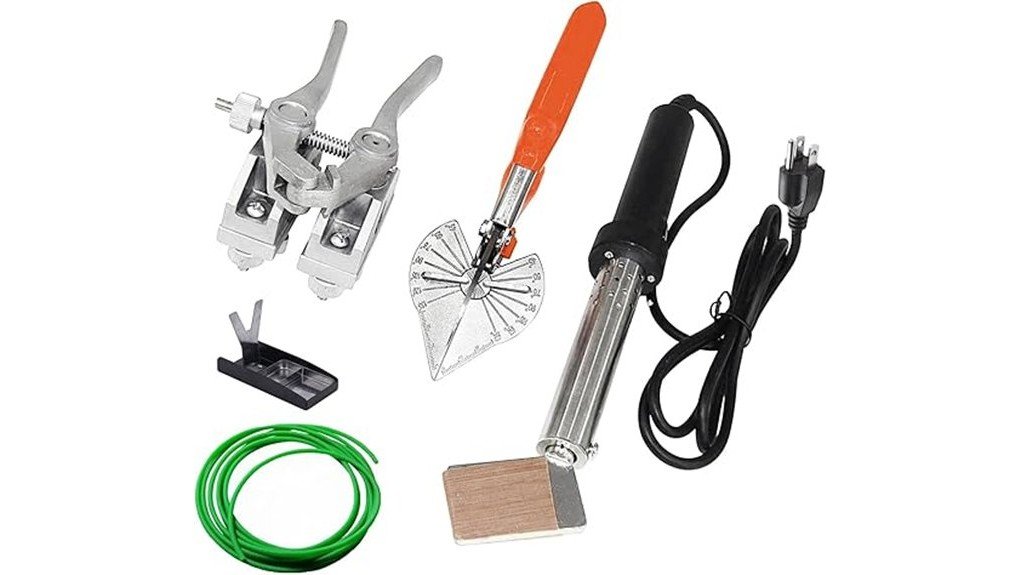
| Included Accessories | Positioning pliers, multi-angle scissors, and anti-scalding gloves |
| Best Use | Industrial belt welding, maintenance work, and belt repair stations |
| Safety Note | Requires heat awareness, correct alignment, and careful handling during setup and welding |
| Package Note | Article-supported accessories are listed above. Dimensions, weight, warranty, and certifications were not provided in the source article. |
What Is the JIAWANSHUN PU Round Belt Welding Machine?
The JIAWANSHUN PU Round Belt Welding Machine is a specialized workshop tool for fusing thermoplastic belt materials with controlled heat. It runs on 110V power and gives you a 150–400 ℃ adjustable temperature range, which helps you match the heat level to the belt material and thickness.
It is made for users who repair or join PU round belts, V-belts, PU pipes, and plastic strips in industrial or maintenance settings. Instead of replacing an entire belt run, you can cut the belt ends, align them, heat the joint, and create a repair that gets equipment moving again.
The main benefit is better control than a very basic manual repair setup. The main limitation is that the machine still relies on your technique, especially during cutting, alignment, heating, and cooling.
Who Should Buy It?
Best For
- Maintenance teams that regularly repair PU round belts or V-belts
- Workshops that need adjustable heat for different belt thicknesses
- Industrial users who want included cutting, alignment, and handling accessories
Skip If
- You only need a one-time belt repair and do not expect repeat use
- You want a fully automated machine that controls the whole welding process for you
- You are not comfortable working with heated tools and precise alignment
Key Features and Build Quality
Temperature Control System
The adjustable 150–400 ℃ range is the strongest feature in this machine. Lower settings can help reduce scorching risk on thinner material, while higher settings give you more heat for thicker or harder-to-fuse belt sections.
This range also makes the tool more flexible than a fixed-temperature option. You still need to test carefully, because too little heat can create a weak joint and too much heat can damage the belt ends.
Included Cutting and Alignment Tools
The included multi-angle scissors help you make cleaner belt cuts before welding. A clean cut matters because uneven ends create gaps, weak contact points, and more rework.
The positioning pliers help hold the belt ends in place while you prepare the weld. That matters because PU belt welding depends on straight alignment, steady pressure, and even contact across the joint.
Safety Features and Handling
The included anti-scalding gloves add useful protection when you handle heated tools or recently welded material. They do not remove burn risk, so you still need a clear work area, stable surface, and careful hand placement.
This is not the type of tool you should rush. Give the machine time to heat, keep loose items away from the work area, and let welded sections cool before testing the joint.
Build and Industrial Use
The article positions this machine for workshop and industrial environments where repeated belt repairs are common. It makes more sense in a maintenance area than in a casual home toolkit.
Its practical value comes from repeat use. If your team repairs belts often, the included tools and temperature range can save time compared with improvised heating methods.
Before You Buy: This machine requires correct alignment, temperature control, and safe heat handling. If you are new to belt welding, expect trial runs before you get consistent weld strength.
How It Performs in Real Use
For Workshop Repairs
In a maintenance shop, this machine is most useful when a PU belt fails and replacing the full belt is not practical. The 150–400 ℃ range gives you control, while the scissors and positioning pliers help you prepare the joint more cleanly.
For Industrial Production Lines
Production settings benefit when a belt repair can reduce downtime. The machine supports several compatible materials from the article, including PU round belts, V-belts, PU pipes, and plastic strips, so it can serve more than one repair need in the same facility.
For Mining, Smelting, and Heavy Work Areas
The article mentions demanding environments such as mining and smelting, where belt repair can be part of regular maintenance. In those spaces, the tool may help with repeated repairs, but dust, heat, and debris make cleaning and careful setup more important.
For Small Repair Workstations
Small workshops can use the machine for occasional belt work, but it may feel like more tool than you need for rare repairs. It is easier to justify when you already work with PU belts often and have a dedicated bench or repair area.
Setup Tips Before First Use
Start by matching the belt material to the machine’s supported use case. The source article supports PU round belts, V-belts, PU pipes, and plastic strips, so avoid using it on materials that do not soften and fuse correctly under heat.
Cut both belt ends cleanly before heating. Dry-fit the ends in the positioning pliers, check that they meet evenly, and adjust the angle before you apply heat.
Use temperature changes slowly. Begin with a cautious test on scrap or spare belt material when possible, then adjust within the 150–400 ℃ range based on the material response.
Pro Tip: Always pre-cut and dry-fit belt ends before heating. Better alignment before welding improves joint contact and helps reduce wasted belt material.
Compatibility and Safety
The article-supported compatibility list includes PU round belts, V-belts, PU pipes, and plastic strips. That makes the machine useful for thermoplastic belt work, but it does not make it universal for every belt material or conveyor setup.
Safety comes down to heat control and workspace discipline. Wear the included anti-scalding gloves, keep the welding area clear, and avoid touching the heated section until it has cooled enough for safe handling.
Do not treat the weld as finished until you inspect the joint. Look for uneven fusion, poor alignment, visible gaps, or burnt material before putting the belt back into service.
Pros and Cons
Pros
- Adjustable 150–400 ℃ temperature range supports different belt thicknesses
- Includes positioning pliers to help improve belt-end alignment
- Multi-angle scissors help create cleaner cuts before welding
- Works with PU round belts, V-belts, PU pipes, and plastic strips
- Better suited to repeated workshop repairs than improvised heating methods
Cons
- Requires practice to produce consistent weld strength
- Incorrect temperature or poor alignment can weaken the joint
- Not ideal for casual users who only need a rare belt repair
Is It Worth the Price?
This machine sits in the mid-range industrial tool category based on how the article frames its use. It is worth considering if you repair PU belts often enough that downtime, repeat labor, or full belt replacement creates real cost.
The best value comes from the temperature control and included accessories. Positioning pliers, multi-angle scissors, and anti-scalding gloves give you a more complete setup than a bare heating tool.
It is not the best fit if you want a simple emergency-only repair item. The machine rewards careful technique, so it offers the most value to users who can set it up properly and use it more than once.
How It Compares to Alternatives
Compared with basic manual belt repair kits, the JIAWANSHUN machine gives you more temperature control and a more complete set of setup tools. Manual kits may cost less and take up less space, but they may not give you the same control over heat and alignment.
Compared with premium automated industrial welders, this model appears more hands-on. It makes sense if you want adjustable heat and useful accessories without stepping into a higher-end automated system.
Frequently Asked Questions
What belts can this machine weld?
The article lists PU round belts, V-belts, PU pipes, and plastic strips as compatible materials. It is meant for thermoplastic materials that can fuse with controlled heat.
Is the JIAWANSHUN belt welding machine suitable for beginners?
A beginner can learn to use it, but it is not a plug-and-forget tool. You need to control the temperature, cut the belt ends cleanly, and align the joint before welding.
What temperature range does it support?
The article-supported range is 150–400 ℃. That range gives you flexibility, but you still need to choose a setting that matches the belt material and thickness.
What accessories come with the machine?
The source article lists positioning pliers, multi-angle scissors, and anti-scalding gloves. These accessories help with alignment, cutting, and safer handling around heated parts.
What is the most common mistake to avoid?
The biggest mistake is welding before the belt ends are cut and aligned correctly. Overheating the belt material can also weaken the joint and cause wasted material.
Does it need regular maintenance?
Yes, you should keep the heating area and included tools clean. Regular inspection helps you catch residue, damage, or alignment issues before the next repair.
Who should skip this machine?
Skip it if you only need a rare one-time repair or if you want a fully automated belt welder. It is better for users who can practice, set the temperature, and inspect each weld carefully.
The Bottom Line
The JIAWANSHUN PU Round Belt Welding Machine is a strong fit for maintenance teams and workshop users who regularly repair PU round belts, V-belts, PU pipes, or plastic strips. Its best feature is the 150–400 ℃ temperature control, while its main limitation is the skill required to get clean, reliable welds.
Buy it if you need a practical belt repair setup for repeated use. Skip it if you want a simple, casual-use tool or a fully automated machine that reduces operator judgment.