Disclosure: As an Amazon Associate, we earn from qualifying purchases. If you click a link on this page and make a purchase, we may receive a small commission at no extra cost to you.
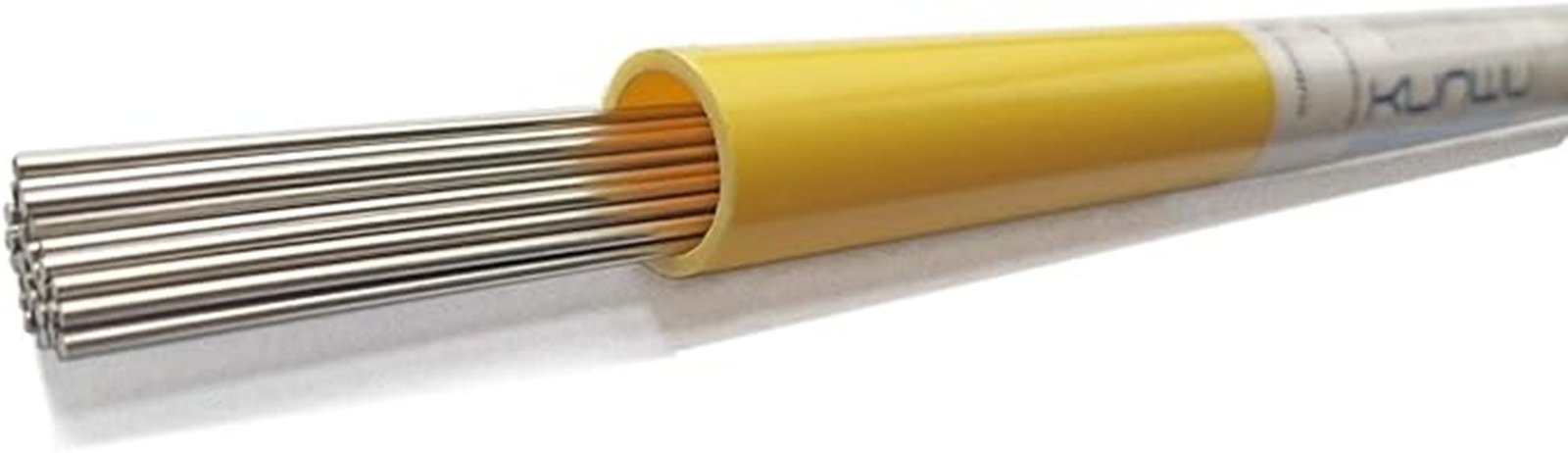
Choosing the right TIG filler rod matters when you want clean stainless welds, steady puddle control, and corrosion resistance that fits the base metal. The KUNWU Stainless Steel TIG Welding Rods are 1/16 inch x 36 inch ER308L-style filler rods made for stainless TIG work on compatible austenitic stainless steels. They make the most sense if you weld thin to medium stainless parts and want a small tube of rods instead of a large shop-size supply. This review explains where they fit well, where they may fall short, and what you should check before you buy.
Quick Verdict
Rating: 8.1/10, Recommended with caveats
Best For: TIG welders working with compatible 304, 304L, 308, or 308L stainless steel projects.
Bottom Line: KUNWU Stainless Steel TIG Welding Rods are a practical choice if you need 1/16 inch ER308L filler rods for general stainless TIG work. The main limitation is that you still need to confirm the exact filler classification and package count on the current seller listing before matching them to critical jobs.
| Specification | Detail |
|---|---|
| Brand | KUNWU |
| Product type | Stainless steel TIG welding filler rods |
| Filler classification | ER308L-style stainless filler rod, based on listing/search data and article context |
| Rod size | 1/16 inch diameter x 36 inches long |
| Low carbon note | ER308L is commonly associated with a 0.03% maximum carbon content |
| Best base metals | Compatible stainless steels such as 304, 304L, 308, and 308L when the project requirements match |
| Article-stated count | About 31 to 32 rods per PVC tube, verify current seller variation before buying |
| Packaging | PVC storage tube |
| Best use | General TIG welding on compatible stainless steel projects with moderate corrosion demands |
| Storage note | Keep rods dry, clean, and protected from shop dust, moisture, oil, and cross-contamination |
What Is the KUNWU Stainless Steel TIG Welding Rod?
The KUNWU Stainless Steel TIG Welding Rod is a filler rod for gas tungsten arc welding, often called TIG welding. The 1/16 inch diameter suits smaller welds, thinner stainless work, and controlled filler addition where a larger rod may add too much metal too quickly.
The 36-inch length is a common full-length TIG rod format. It gives you more usable rod per piece than short practice rods, so you can work longer before changing rods or reaching back into the tube.
This rod is mainly for compatible austenitic stainless steels, especially common 304 and 308 family stainless materials. You should still match filler metal to your base metal, service environment, and project requirements before using it on pressure, food-contact, sanitary, or structural work.
Before You Buy: Do not choose TIG filler rods by diameter alone. Confirm the filler classification, base metal, joint purpose, and current package details on the seller listing before using these rods for critical stainless work.
Who Should Buy It?
Best For
- TIG welders working on compatible 304, 304L, 308, or 308L stainless steel.
- Garage, repair, and fabrication users who want 1/16 inch filler rods for controlled stainless welds.
- Buyers who prefer rods stored in a tube instead of loose filler material.
Skip If
- You need MIG wire, stick electrodes, flux-core wire, or a filler rod for a non-TIG process.
- Your job calls for a different stainless filler, such as ER316L or ER309L.
- You need certified traceability, a formal material test report, or project-specific documentation.
Product Features and Specifications
The main draw is the combination of ER308L-style stainless filler, a 1/16 inch diameter, and a 36-inch rod length. That size gives you fine control when adding filler metal to smaller stainless joints, tack welds, brackets, light fabrication parts, and repair work.
The “L” in ER308L indicates a low-carbon version of the filler classification. Lower carbon content helps reduce the chance of intergranular corrosion issues in suitable stainless applications, especially when the base metal and service conditions call for a low-carbon filler.
The article-stated PVC tube packaging helps protect the rods during storage. That matters because stainless filler rods should stay clean and dry, and shop contamination can affect weld quality.
Compatibility and Stainless Steel Matching
KUNWU Stainless Steel TIG Welding Rods are best viewed as general-purpose stainless TIG filler rods for compatible 304 and 308 family stainless steels. They are not a universal filler for every stainless alloy, every mixed-metal joint, or every code-sensitive weld.
For many common stainless repair and fabrication tasks, ER308L is the filler type buyers compare first when the base metal is 304 or 304L stainless. If you are welding 316 stainless, joining stainless to mild steel, or working in a harsh chemical environment, another filler classification may be a better match.
Build Quality and Rod Format
The 36-inch straight rod format works well at a bench or welding table because you can feed the rod smoothly with one hand while controlling the torch with the other. Longer rods also reduce interruptions compared with shorter filler pieces.
The 1/16 inch diameter gives you controlled filler addition. That can help when welding thinner stainless pieces, but it may feel slow on heavy sections where a larger filler rod would deposit metal faster.
Because stainless rods can pick up dirt, oil, and carbon steel particles, storage matters. Keep the tube closed when you are not using the rods, and avoid laying stainless filler on dirty benches or near grinding dust from carbon steel.
Pro Tip: Mark your stainless filler tubes by alloy and diameter, then store them away from carbon steel grinding dust. This helps you avoid mixing rods during a project.
Applications and Benefits
These rods fit stainless TIG jobs where controlled filler addition and corrosion resistance matter. Common examples include stainless brackets, small tanks, light repair work, kitchen or shop fixtures, dairy or food-equipment style fabrication, and general stainless parts made from compatible base metals.
The low-carbon ER308L-style classification is useful when you want better resistance to intergranular corrosion than a higher-carbon filler may provide. That does not make the rod right for every environment, but it does make it a practical choice for many moderate-corrosion stainless projects.
The 1/16 inch size also helps you avoid overfilling small joints. You can add filler gradually, watch the puddle closely, and reduce cleanup compared with using a rod that is too large for the joint.
How It Performs in Real Use
For Garage and Small Shop Stainless Projects
For small stainless brackets, tabs, repairs, and light fabrication jobs, the 1/16 inch rod size gives you good control. You can feed a small amount of filler at a time, which is helpful when your fit-up is tight and you do not want a bulky bead.
For Food-Equipment Style Fabrication
The article mentions dairy and food equipment as possible use cases because 304 and 304L stainless are common in those settings. For any food-contact or sanitary job, you should confirm the filler specification, cleaning process, and project requirements before relying on any consumer-packaged rod.
For Chemical Tanks and Corrosion-Concerned Work
ER308L-style filler can work for some moderate corrosion applications when matched correctly to the base metal. For chemical tanks, pressure vessels, or harsh environments, do not guess. Use the project specification or a qualified welding procedure.
For Practice and Skill Building
These rods can also make sense for practice beads on compatible stainless coupons. The smaller diameter helps you learn puddle control, filler timing, and travel speed without adding too much metal too quickly.
Usage and Storage Tips
Clean stainless workpieces before welding. Remove oil, moisture, paint, marking fluid, and oxide buildup from the joint area so the puddle stays more stable and the finished weld needs less cleanup.
Use a dedicated stainless wire brush when preparing stainless steel. A brush that touched carbon steel can transfer contamination and create rust-looking marks later.
Store the rods in the PVC tube when the job is finished. Keep the tube capped, dry, and away from cutting fluid, grinding dust, and dirty gloves.
Compatibility and Safety
TIG welding stainless steel requires the right filler rod, shielding gas, tungsten setup, amperage, PPE, and ventilation. These rods are filler metal only, so they do not replace proper setup or a safe welding process.
Wear appropriate welding gloves, jacket or sleeves, eye protection, and a properly rated welding helmet. Stainless welding fumes can require extra caution, so use suitable ventilation or local fume extraction based on your work area and material.
If your project is structural, sanitary, pressurized, load-bearing, or regulated, follow the required welding procedure and material specification. A small consumer tube of filler rods may be convenient, but it may not provide the documentation required for professional compliance work.
Pros and Cons
Pros
- 1/16 inch diameter gives you controlled filler addition on smaller stainless welds.
- 36-inch length supports longer welding sessions with fewer rod changes.
- ER308L-style filler is useful for many compatible 304 and 308 stainless projects.
- Low-carbon classification helps with intergranular corrosion resistance when properly matched.
- PVC tube packaging helps keep rods organized and protected during storage.
Cons
- Not suitable for MIG welding, stick welding, or flux-core welding.
- Not the right filler for every stainless alloy or dissimilar-metal joint.
- Package count and listing details may vary, so you should verify the current seller page.
Is It Worth the Price?
KUNWU Stainless Steel TIG Welding Rods are worth considering if you need a manageable tube of 1/16 inch stainless filler rods for home shop, repair, or light fabrication work. They offer strong value for the price when you do not need a large industrial tube or bulk pack.
You get the most value if your projects match the rod size and filler classification. If you need a different alloy, a larger diameter, or formal certification paperwork, these may not be the best fit.
Check the current Amazon listing before buying because package details can change by seller or variation. The article-stated count is about 31 to 32 rods per tube, but the current listing should be your final source for quantity and included materials.
How It Compares to Alternatives
Compared with ER316L stainless TIG rods, ER308L-style rods usually make more sense for common 304 and 308 family stainless work. ER316L is often compared when the base metal or service environment calls for molybdenum-bearing stainless filler.
Compared with ER309L rods, KUNWU ER308L-style rods are not the first choice for many stainless-to-mild-steel jobs. ER309L is commonly considered for dissimilar metal joining, while these KUNWU rods are better suited to compatible stainless-to-stainless work.
Frequently Asked Questions
What stainless steel grades can you weld with these KUNWU TIG rods?
They are best suited for compatible austenitic stainless steels in the 304 and 308 family, including 304L and 308L when the project requirements match. Always confirm the base metal and filler classification before welding critical parts.
Can you use these rods for MIG welding?
No. These are TIG filler rods, not MIG wire. If you use a MIG welder, you need compatible stainless MIG wire in the correct spool size and wire diameter.
Is 1/16 inch a good TIG rod size?
Yes, 1/16 inch is useful for controlled filler addition on smaller stainless joints and thinner material. For heavier sections, you may prefer a larger rod size so you can add filler faster.
How should you store stainless TIG filler rods?
Keep them dry, capped in the tube, and away from oil, moisture, and carbon steel grinding dust. Clean storage helps reduce contamination that can affect weld appearance and corrosion resistance.
Are these rods good for food equipment repairs?
They may fit some food-equipment style stainless work when the base metal and filler requirement match. For sanitary or regulated equipment, follow the required procedure and confirm material compatibility before welding.
How many rods come in the tube?
The original article states that each PVC tube contains about 31 to 32 rods. Because seller variations can change, verify the current Amazon listing before buying if quantity matters to your project.
Who should skip these KUNWU TIG rods?
Skip them if you need MIG wire, stick electrodes, a different stainless filler classification, or certified documentation for code work. They are also not ideal if your project requires a larger rod diameter for heavy welds.
Do these rods replace the need for proper shielding gas and setup?
No. The rods are only the filler metal. You still need the right TIG machine setup, shielding gas, tungsten choice, joint prep, PPE, and safe ventilation for stainless welding.
The Bottom Line
KUNWU Stainless Steel TIG Welding Rods are a solid pick if you need 1/16 inch x 36 inch ER308L-style filler rods for compatible stainless TIG work. Buy them for controlled stainless fabrication, repair, and practice jobs, but skip them if your project calls for a different filler alloy, MIG wire, or certified documentation.