Laser Welding vs Plasma Welding: Speed, Depth, and Cost
What’s in This Article
- Quick Verdict: Laser vs Plasma Welding
- Speed and Efficiency Comparison
- Penetration Capabilities and Depth Ratios
- Cost Analysis and Investment Considerations
- Maintenance and Operational Requirements
- Material Versatility and Limitations
- Heat-Affected Zone and Distortion Control
- Choose Laser Welding If…
- Choose Plasma Welding If…
- Frequently Asked Questions
Picking between laser and plasma welding can shape your weld quality, cycle time, and total cost for years. Laser welding favors speed and precision, while plasma welding offers a lower entry cost and more tolerance for thicker, less exact fits. This guide compares speed, penetration, cost, maintenance, materials, and distortion control so you can match the process to your production needs.
Quick Answer
Laser welding works best when you need fast, precise welds with low heat input and tight distortion control. Plasma welding works better when you need a lower-cost system, wider fit-up tolerance, or welds on thicker conductive materials. For high-volume precision work, laser welding often delivers stronger long-term value despite the higher purchase price.
Key Takeaways
- Choose laser welding when speed, tight weld profiles, and low distortion matter most.
- Choose plasma welding when you need a lower initial cost and more tolerance for wider gaps.
- Laser welding suits thin and precision parts, while plasma welding handles thicker conductive sections well.
- Compare total cost of ownership, not just machine price, before you choose a process.
- Use proper shielding, ventilation, training, and eye protection for both welding methods.
Quick Verdict: Laser vs Plasma Welding
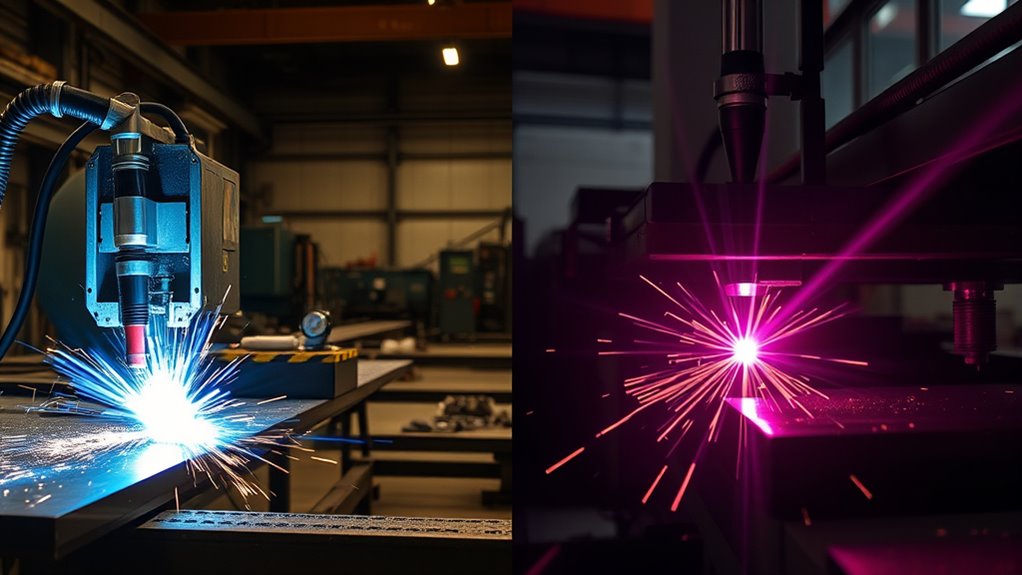
Choose laser welding if your operation needs high speed, fine control, narrow welds, and repeatable quality across many parts. It fits automated production, thin metal assemblies, and precision work where heat distortion can ruin a part.
Choose plasma welding if you need a more affordable system for conductive metals, thicker sections, or parts with less exact joint fit-up. It can work well for fabrication shops that need flexibility more than extreme speed.
| Comparison Point | Laser Welding | Plasma Welding |
|---|---|---|
| Best For | High-speed precision production | Thicker conductive materials |
| Typical Initial Cost | Higher | Lower |
| Heat-Affected Zone | Narrower | Wider |
| Fit-Up Tolerance | Tighter | More forgiving |
| Automation Fit | Strong | Moderate to strong |
Speed and Efficiency Comparison
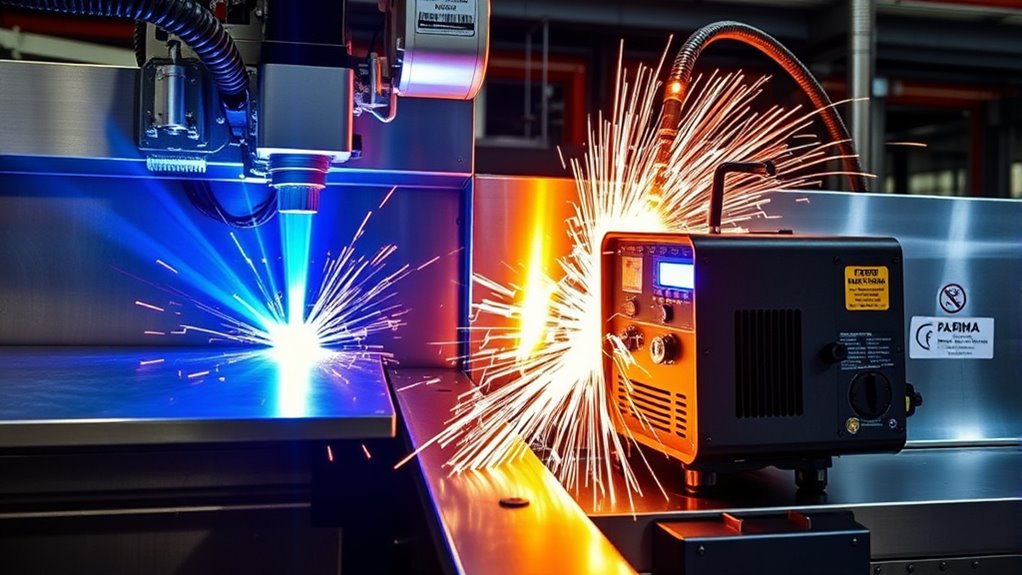
Laser welding usually outpaces plasma welding because it concentrates energy into a small, focused spot. In high-volume production, this can shorten cycle times and reduce the handling time between parts.
Some laser welding systems can exceed 200 inches per minute in suitable automated applications. Actual speed depends on power level, material type, joint design, shielding gas, and quality requirements.
Plasma welding often runs slower because the process adds more heat and needs more time for the weld pool to form and cool. That slower pace can still work well when the job values penetration and tolerance over maximum throughput.
Laser welding’s non-contact energy delivery also helps reduce tool wear. In long production runs, that can support steadier output and fewer process interruptions.
Products Worth Considering

Premium Copper Construction: Crafted from high-quality purple copper, this nozzle offers exceptional heat resistance, corrosion durability, and superior thermal conductivity for stable performance in high-temperature laser environments

【Technical Parameters】Laser Brand: Raycus/MAX; Laser Wavelength: 1080±10nm; Gun Head Model: Relfar; 7 laser welding modes, 10 laser cleaning modes; Welding Width: 0.1-5mm (Continuous/Modulation Dual Modes); Cleaning Scanning Width: 100mm; Cable Length: Standard 10m; Voltage Requirement: 220~242V Single Phase; Cooling System: S&A/Hanli; Cooling Method: Water Cooling; Water Tank Capacity: 16L.
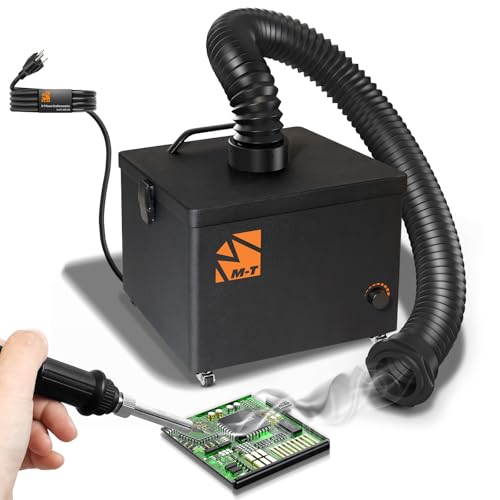
【PROFESSIONAL FUME EXTRACTION】M-T 309 fume extractor delivers 243 m³/h of airflow for soldering, laser engraving, enclosed 3D printing, resin printing, DTF printing, nail care, moxibustion, and DIY welding. Designed for versatile use in home workshops and professional workspaces.
Penetration Capabilities and Depth Ratios
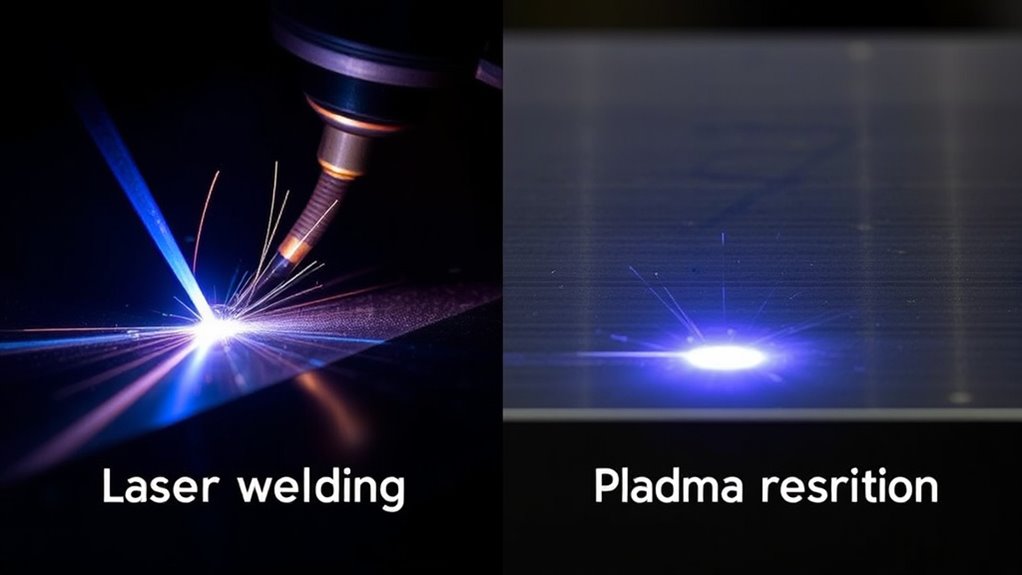
Laser welding can create a narrow, deep weld profile when the joint fit-up and process settings support it. Plasma welding creates a wider arc and usually spreads more heat into nearby metal.
Your best choice depends on material thickness, gap tolerance, weld geometry, and the amount of distortion your part can accept. Thin parts often favor laser welding, while thicker conductive sections can favor plasma welding.
Depth-to-Width Comparison
Laser welding often reaches a high depth-to-width ratio, with some applications near 12:1 under controlled conditions. That profile helps produce deep penetration while keeping the weld bead narrow.
This narrow profile comes from high energy density at the workpiece. It also helps limit heat spread, which matters when you weld thin stock or parts with tight dimensional needs.
Plasma welding commonly produces a lower depth-to-width ratio, often near 3:1 depending on setup and material. It may need more passes for deep joints, but it can suit thicker plates and larger welds.
Material Thickness Tolerance
Laser welding works well on thin materials because it can focus heat in a small area. It also demands tight joint preparation because small gaps can affect weld consistency.
Plasma welding offers more forgiveness when the fit-up varies. It can handle wider gaps than laser welding, which helps in fabrication work where part edges don’t always align perfectly.
Laser welding can be used on materials up to about 10 mm in many precision applications, though higher-power systems may go thicker. Plasma welding can handle thicker conductive sections, including applications near 38 mm when the setup supports it.
Cost Analysis and Investment Considerations
Laser welding systems usually cost more to buy than plasma welding systems. A production laser welding cell can require a large capital investment, especially when you include automation, safety guarding, optics, controls, and fixturing.
Plasma welding systems often cost less upfront, which makes them easier for smaller shops to adopt. That lower price does not always mean the lowest lifetime cost.
To make a sound decision, compare total cost of ownership. Include equipment, labor, maintenance, consumables, downtime, scrap rates, energy use, and part volume.
Products Worth Considering

【Effortless Operation for Everyone】Introducing the 2025 Laser Welding Machine, designed with a built-in intelligent application system that makes welding accessible for novices and experts alike. Experience a simple and efficient welding process that allows you to achieve professional results with ease.

Used Book in Good Condition

Initial Investment Comparison
The initial investment matters because it affects cash flow and risk. Laser welding systems can start above $200,000 for advanced production setups, while plasma welding systems often fall in the $10,000 to $50,000 range.
Those figures can vary widely by power level, automation, brand, work envelope, and safety equipment. A simple machine quote may not include integration, training, extraction, shielding gas, tooling, and facility changes.
- Initial cost: Laser systems usually require more capital than plasma systems.
- Financial risk: High-volume work can justify laser investment faster than short-run work.
- Maintenance cost: Plasma systems often use more consumables, while laser systems need optics care and calibration.
- Payback period: Laser systems may pay back faster when they reduce labor, rework, and cycle time.
Long-Term Cost Efficiency
Laser welding can lower long-term costs when your shop runs steady, repeatable, high-volume work. Faster processing can reduce labor per part and increase machine output.
Plasma welding may cost less for low-volume work because it avoids the steep capital cost of laser equipment. It can also make sense when weld appearance and tight distortion control don’t drive the project.
For high-volume production, laser welding may reach payback in 1 to 3 years when it cuts labor, scrap, and downtime. Treat that range as an estimate because each shop’s payback depends on workload, part value, and operating costs.
Note: Request quotes for the complete installed system, not just the welding power source.
Maintenance and Operational Requirements
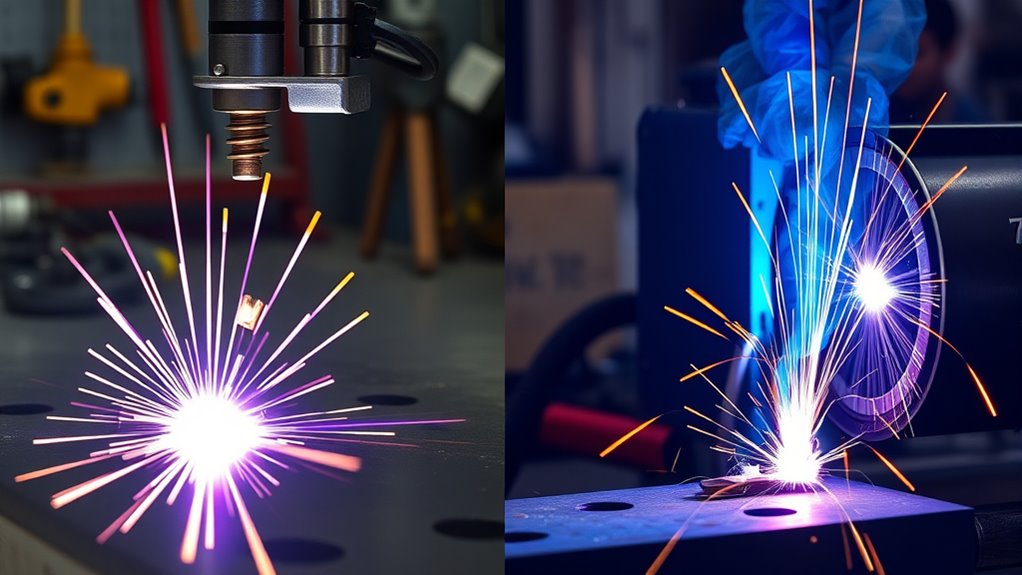
Laser and plasma welding systems place different demands on your team. Laser systems need clean optics, stable beam delivery, accurate fixturing, and strong safety controls.
Good maintenance protects weld quality, operator safety, and machine uptime.
Plasma welding systems need close attention to torches, electrodes, nozzles, shielding gas, and cooling. Consumable wear can change arc behavior, so operators need to inspect parts on a regular schedule.
- Maintenance frequency: Laser welding often needs cleaning and calibration, while plasma welding needs more consumable checks.
- Operating cost: Laser systems cost more upfront, but plasma systems can add more recurring consumable costs.
- Process stability: Laser welding depends on tight alignment and clean optics.
- Setup precision: Plasma welding allows more gap tolerance, while laser welding needs tighter fit-up.
Training matters for both methods. Operators need to understand settings, shielding, inspection criteria, and safe startup and shutdown procedures.
Material Versatility and Limitations
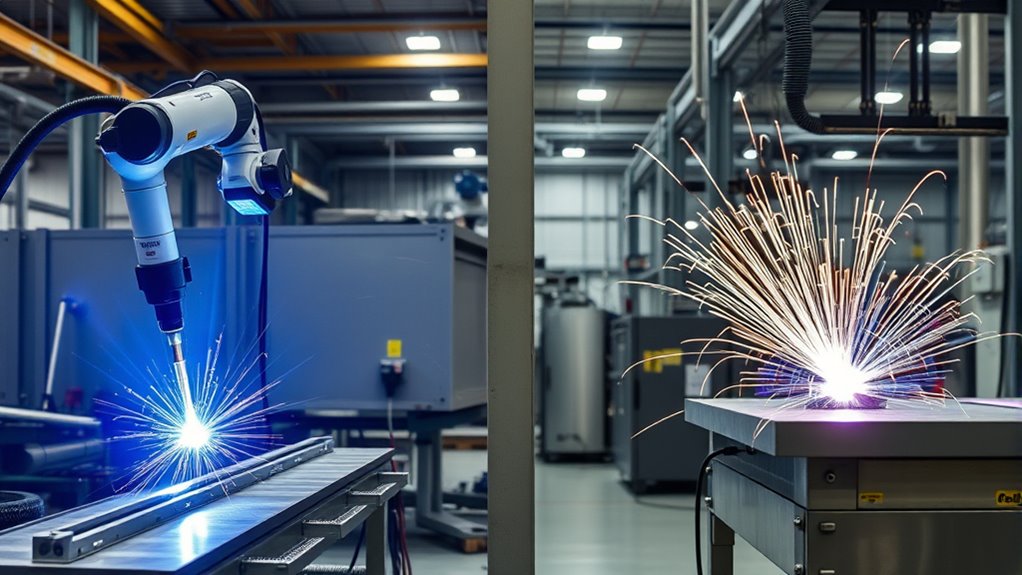
Laser welding works with many metals, including stainless steel, carbon steel, aluminum, titanium, and some reflective alloys when the system suits the material. Some laser systems can also join certain dissimilar materials, but the joint design and metallurgy must support it.
Plasma welding works with conductive materials because it relies on an electrical arc. It performs well on many steels, nickel alloys, titanium, copper alloys, and other conductive metals.
| Attribute | Laser Welding | Plasma Welding |
|---|---|---|
| Material Adaptability | High for many metals and some special joints | Moderate, conductive materials only |
| Thickness Suitability | Often best for thin to medium sections | Strong for medium to thick sections |
| Precision | Spot sizes can be very small | Larger arc and bead profile |
| Gap Tolerance | Tighter, often about 0.1 mm | More relaxed, often about 0.3 to 0.5 mm |
| Complex Geometry Fit | Strong with accurate fixturing | Strong when access allows torch control |
Laser welding’s high energy density supports fine welds and low heat input. Plasma welding’s wider arc and higher heat input can help with thicker joints that need more fill and tolerance.
Heat-Affected Zone and Distortion Control
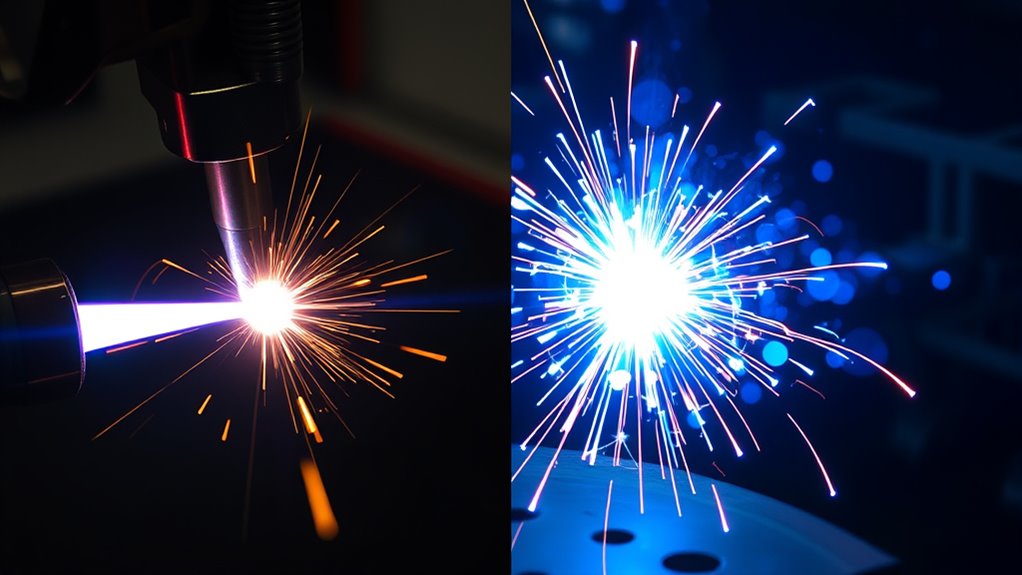
The heat-affected zone (HAZ) is the area of base metal that heats enough to change its properties. A smaller HAZ can help protect strength, dimensions, surface finish, and nearby features.
Laser welding uses concentrated heat, so it usually creates a narrower HAZ than plasma welding. This helps reduce thermal expansion and distortion on thin or precision parts.
- Lower heat input: Laser welding can reduce heat spread compared with many arc processes.
- Better dimensional control: A narrow weld zone helps parts hold their shape.
- Less distortion risk: Laser welding often suits thin parts that warp easily.
- Higher fit-up demands: Narrow welds need accurate edges and steady fixturing.
Plasma welding adds more heat to the workpiece, so it can create more distortion. That added heat can still help when you need deeper fusion on heavier conductive parts.
Warning: Both processes can expose you to intense light, fumes, hot metal, and electrical hazards, so follow the machine maker’s safety rules.
Choose Laser Welding If…
Laser welding gives you the most value when your parts need speed, precision, and low distortion. It also fits best when you can control fit-up, fixturing, and automation.
- You weld high volumes of similar parts.
- You need narrow welds and clean appearance.
- You work with thin or heat-sensitive parts.
- You can justify higher capital cost with lower labor or scrap.
- You have the controls, training, and guarding needed for laser safety.
Choose Plasma Welding If…
Plasma welding fits shops that need strong welds on conductive metals without the highest capital cost. It also helps when parts have thicker sections or less perfect joint fit-up.
- You need a lower starting cost.
- You weld medium to thick conductive materials.
- You need more tolerance for wider gaps.
- You run lower volumes or varied fabrication jobs.
- You can manage consumable checks and torch maintenance.
Frequently Asked Questions
What Are the Safety Measures for Laser and Plasma Welding?
Wear the correct eye protection, gloves, jacket, and respiratory protection for the process and material. Use guarding, interlocks, ventilation, and fume extraction where the job requires them.
Laser welding needs special attention to beam exposure and reflected light. Plasma welding needs strong protection from arc radiation, heat, fumes, and electrical hazards.
How Do Laser and Plasma Welding Impact Environmental Sustainability?
Laser welding can use energy efficiently because it delivers heat into a small area and often reduces rework. Lower scrap and faster cycle times can also reduce waste in high-volume production.
Plasma welding may use more shielding gas and consumables, depending on the job. You can improve sustainability by choosing efficient settings, maintaining equipment, and reducing rejected parts.
Can Laser Welding Be Used for Artistic Metalwork Projects?
Yes, you can use laser welding for artistic metalwork when the design needs fine control and clean seams. It can help with delicate details, thin materials, and small features.
The main limits are machine cost, access, training, and safety controls. For one-off art projects, traditional welding methods may cost less.
Are There Specific Training Requirements for Operating Laser Welding Machines?
Yes, operators need training on machine settings, material behavior, joint fit-up, inspection, and emergency procedures. They also need laser-specific safety training before they work near the beam path.
Training should match the machine class, power level, work cell design, and local workplace rules. Your equipment maker or safety officer can define the correct program.
How Does Plasma Welding Perform in Outdoor Environments?
Plasma welding can work outdoors, but wind, moisture, dust, and unstable power can affect weld quality. Shielding gas coverage can suffer when wind reaches the weld area.
Use wind screens, dry materials, stable grounding, and proper protective gear when conditions are not ideal. Stop work when weather creates unsafe electrical or visibility risks.
Conclusion
Laser welding offers the strongest choice when you need fast, precise welds with low distortion. Plasma welding remains a practical option when your project needs lower entry cost, thicker conductive materials, or more fit-up tolerance.
Before you invest, test both processes on your real materials and joint designs. Compare weld quality, part speed, scrap, operator skill, and total cost before you commit.
The best welding method is the one that meets your quality target at the lowest true cost.
References
- Welding, Cutting, and Brazing — Occupational Safety and Health Administration
- Laser Hazards — Occupational Safety and Health Administration
- Welding and Manganese — National Institute for Occupational Safety and Health