Disclosure: As an Amazon Associate, we earn from qualifying purchases. If you click a link on this page and make a purchase, we may receive a small commission at no extra cost to you.
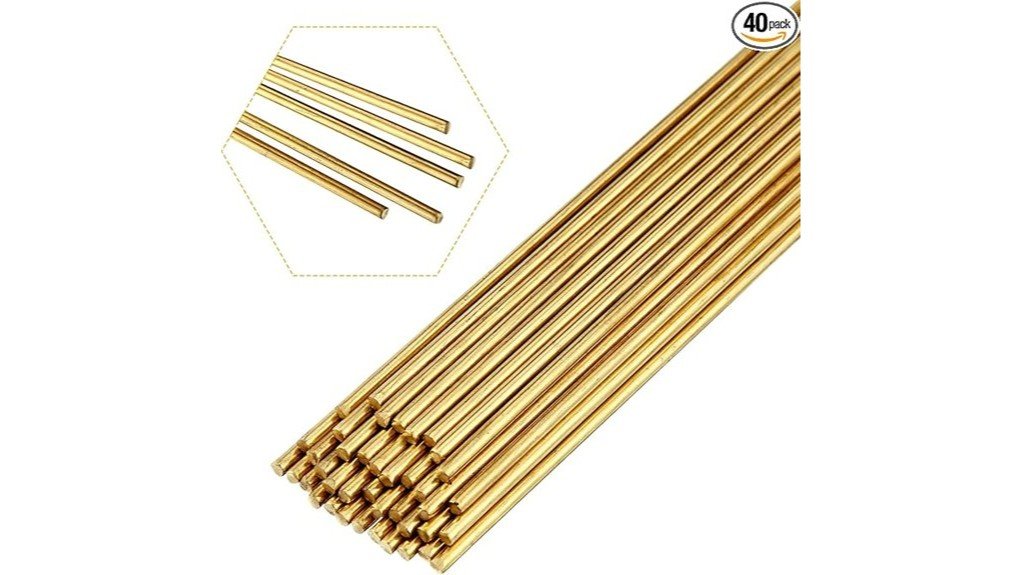
Small brass rods can be useful for model work, craft details, knife handle pins, circuit board repairs, and light shop projects, but size and material matter before you buy. The Moxweyeni Brass Rods are best suited for buyers who need thin, easy-to-handle brass stock measuring about 25 cm long and 2 mm in diameter. This review helps you decide if these rods fit your project, what they do well, and where you should be careful. The main strength is the simple brass construction and narrow size, while the main limitation is that you should verify heat limits and package details on Amazon before using them for demanding welding or brazing work.
Quick Verdict
Rating: Recommended with caveats, 8.2/10
Best For: Hobbyists, model makers, crafters, and repair users who need thin 2 mm brass rods for small detail work.
Bottom Line: Moxweyeni Brass Rods are a practical choice when you need narrow brass stock that is easy to cut, shape, and handle. Skip them if you need a verified industrial welding rod, a specific alloy grade, or confirmed high-temperature performance.
| Specification | Detail |
|---|---|
| Brand | Moxweyeni |
| Product type | Brass rods for crafting, model work, and small repairs |
| ASIN from affiliate URL | B09VSGDW9V |
| Length | About 25 cm per rod |
| Diameter | About 2 mm |
| Material | Brass |
| Surface | Smooth surface for easier handling and fitting |
| Common uses | Model planes, model boats, wood crafts, knife handles, circuit boards, and small repair projects |
| Return note | Source article mentions a 30-day return policy |
| Buyer note | Confirm package count, alloy details, and current listing details on Amazon before ordering |
What Are the Moxweyeni Brass Rods?
The Moxweyeni Brass Rods are thin brass stock pieces made for small projects where a 2 mm diameter rod is easier to place than a wider bar or tube. At about 25 cm long, each rod gives you enough length for cutting into pins, short supports, trim pieces, decorative accents, or small repair sections.
These rods make the most sense for buyers who work on hobby builds, craft assemblies, small wood projects, model planes, model boats, circuit boards, and knife handle work. The brass construction gives you a balance of durability, workability, and corrosion resistance, but it is still important to match the rod to your tools, project load, and heat process.
Before You Buy: Do not choose these rods only by the melting-point claim. Brass alloy composition can affect heat behavior, so confirm the current seller details and use the right process before welding, brazing, soldering, or heating the rods.
Who Should Buy It?
Best For
- Model makers who need thin brass rods for planes, boats, and small structural details.
- Crafters who want brass accents for wood crafts, ornaments, or small handmade pieces.
- Repair users who need 2 mm brass stock for light-duty pins, handles, circuit board work, or fitting tasks.
Skip If
- You need a certified alloy grade, engineering data sheet, or exact industrial specification.
- You need thick brass stock for load-bearing brackets, heavy fabrication, or structural repair.
- You need a confirmed package quantity before ordering and the Amazon listing does not make it clear.
Quality and Durability of Moxweyeni Brass Rods
The strongest reason to consider these rods is their brass construction. Brass is often chosen for small projects because it is easier to cut, drill, polish, and shape than many harder metals, while still giving a clean metallic look.
The source article highlights resistance to deformation and rust. That makes the rods useful for projects where the finished piece may be handled often, displayed, or installed in a craft assembly. For small pins, trim, model parts, and detail work, a smooth 2 mm brass rod can be easier to place than wider stock.
The 25 cm length also gives you room to cut each rod into smaller pieces. This helps if you need matching sections for repeated craft details, hinge pins, decorative rails, or model supports. For best results, use a fine-tooth saw, rotary tool, or cutter suited to small metal stock, then deburr the edges before installation.
Size, Fit, and Project Compatibility
The 2 mm diameter is a key buying detail. It is thin enough for detail work, but it may be too narrow for heavy loads or large repairs. Before buying, measure the hole, channel, handle scale, craft slot, or model opening where the rod will sit.
For knife handle work, the 2 mm size may suit small pins or detail accents, but it may not match every handle design. For circuit board or electronics repair, make sure the brass rod size and conductivity fit the task, and avoid using it where a rated electrical component is required.
For model planes and boats, the narrow diameter helps with small braces, masts, axles, trim pieces, or decorative lines. It is still smart to test one piece before cutting all rods, especially when glue, solder, paint, or finish will be used around the brass.
Pro Tip: Mark your cut points with tape or a fine marker, cut slightly long, then file the rod down to final length. This gives you cleaner ends and reduces the chance of cutting a piece too short.
Versatile Applications for Crafting and Repairing
Moxweyeni Brass Rods work best when your project needs a small, neat, and easy-to-handle metal rod. The original article points to model planes, boats, wood crafts, knife handles, circuit boards, and general repair projects as common uses.
For craft work, the brass color can add a finished accent without needing paint. You can use short pieces as decorative pins, trim lines, supports, rails, or small connectors. Since the rods have smooth surfaces, they should be easier to handle, measure, and position during layout.
For repair work, the rods can help when you need a small brass insert, pin, or filler piece. They are not a universal fix, though. If the repair affects safety, electrical load, structural support, or moving machinery, choose a rated part or ask a qualified professional before using a hobby brass rod.
How It Performs in Real Use
For Model Making
The 2 mm diameter is useful for small model components that need a clean brass look without too much bulk. You can cut short pieces for masts, pins, braces, decorative rails, or axle-like details. The main benefit is precision, but you still need steady measuring and clean deburring.
For Wood Crafts
In wood crafts, these rods can work as accents, inlays, pins, or small support details. The brass finish can contrast well with darker wood, and the 25 cm length gives you flexibility when cutting multiple matching pieces. Pre-drilling to the right diameter helps prevent splitting and keeps the rod seated cleanly.
For Knife Handle Projects
The rods may be useful for light handle pins or decorative handle details when the 2 mm size fits the design. They are narrow, so they may not be the right choice for every knife scale or heavy-use handle. Always match the pin size to the handle material, adhesive, and expected use.
For Circuit Board or Small Repair Work
For circuit board and small repair tasks, brass rods can be helpful for shaping, bridging, or creating small metal elements. Use caution around electronics because size, conductivity, heat, and soldering method all matter. Do not use the rods as a substitute for a rated electrical part when safety or performance depends on it.
How to Use These Brass Rods Correctly
Start by measuring the project area, then compare that measurement with the 2 mm diameter and 25 cm length. If the rod will fit inside a drilled hole, test with scrap material before drilling the final piece. A small mismatch can cause loose fit, splitting, or poor alignment.
Cut slowly and support the rod close to the cut line. Thin brass can bend if too much pressure is used. After cutting, file the ends smooth so they do not scratch the project, interfere with fit, or create sharp edges.
If you plan to glue the rod into wood or a craft part, lightly clean the surface first. Dust, oil, and oxidation can reduce bond strength. Follow the adhesive label, and allow the full cure time before stressing the piece.
Material Safety and Handling Notes
Brass rods can create sharp edges after cutting, so wear eye protection and gloves when trimming, drilling, sanding, or filing. Small metal fragments can be hard to see, so clean your bench after cutting and keep scraps away from children, pets, and electronics.
If you heat the rods, work in a ventilated area and use proper safety gear. Do not rely on a single product-description temperature claim when choosing a heating method. Brass alloys can vary, and overheating metal can create fumes or damage the project.
For welding, brazing, or soldering, match the rod to the process, filler material, flux, and base metal. If you are unsure, check the current Amazon listing, seller instructions, or professional guidance before using these rods in any heat-critical application.
Pros and Cons
Pros
- 2 mm diameter works well for fine craft details, small pins, model parts, and light repair tasks.
- About 25 cm of length gives you room to cut rods into several smaller project pieces.
- Brass construction offers a clean metal look for visible accents and decorative work.
- Smooth surface can make measuring, handling, fitting, and finishing easier.
- Source article notes strong buyer feedback and a 30-day return policy.
Cons
- Not enough verified detail is available in the source article to confirm exact alloy grade or package count.
- 2 mm rods may be too thin for heavy-duty, load-bearing, or structural repair work.
- Heat-related use requires extra caution because brass alloy behavior can vary by composition.
Is It Worth the Price?
The Moxweyeni Brass Rods are worth considering if you need thin brass stock for everyday craft, model, and small repair use. They offer strong value for the price when your main needs are manageable size, brass appearance, easy handling, and project flexibility.
You get the most value if you already know that a 2 mm diameter rod fits your project. Buyers who need certified industrial material, exact alloy documentation, or a specific number of rods should review the current Amazon listing closely before ordering.
How It Compares to Alternatives
Compared with thicker brass rods, these 2 mm rods are better for fine detail work and small spaces, but they are not as suitable for heavy support. Compared with brass tubing, solid rods are better when you need a pin or insert, while tubing may be better when you need a hollow decorative or lightweight part.
If you need easier bending, thinner brass wire may be a better match. If you need more strength or a larger contact area, a wider brass rod or flat brass bar may make more sense. The Moxweyeni Brass Rods are best when you want slim, solid brass pieces for detail-focused work.
Customer Feedback and Support Options
The source article reports that the Moxweyeni Brass Rods are rated 4.5 out of 5 stars based on 298 reviews. That makes them a consistently well-reviewed option for buyers comparing small brass stock for crafts and repairs.
Customer feedback in the source article centers on quality and versatility. The same source also mentions a 30-day return policy, which is useful if the rods do not match your project size, quantity expectation, or handling needs after delivery.
Frequently Asked Questions
What size are the Moxweyeni Brass Rods?
The source article lists each rod at about 25 cm long and 2 mm in diameter. That makes them better for small craft, model, pin, and detail work than for large structural repairs.
Can these rods be used for outdoor projects?
They may work for some outdoor craft or display projects because the source article notes resistance to rust and deformation. For long-term outdoor use, protect the finished project from standing moisture and check the rods over time.
Are they suitable for welding or brazing?
Use caution before choosing them for welding or brazing. The source article mentions welding use, but you should confirm the current listing details, alloy information, and process requirements before using them for heat-critical work.
How should you store brass rods?
Store the rods in a dry place away from moisture, dust, and loose abrasive tools. A small tube, case, or labeled drawer can help prevent scratches, bending, and lost pieces.
How do you clean the rods before use?
Wipe the rods with a clean cloth before measuring, gluing, soldering, or finishing. If the surface has oxidation or residue, use a suitable brass-safe cleaner or light abrasive, then remove dust before assembly.
Can you use them for knife handles?
The source article lists knife handles as one possible use. Check that the 2 mm diameter fits your handle scale, hole size, adhesive, and strength needs before cutting the rods.
Who should skip these brass rods?
Skip them if you need a verified alloy grade, a larger diameter, certified engineering stock, or a rod for structural load-bearing work. They are better for small projects than for demanding industrial use.
What common buying mistake should you avoid?
Do not buy only because the rods are brass. Check the 2 mm diameter, 25 cm length, package details, and your project requirements before ordering so you do not end up with rods that are too thin or too short.
The Bottom Line
The Moxweyeni Brass Rods are a smart buy for everyday craft, model, and small repair projects that need thin 2 mm brass stock. Their main strength is the simple, versatile brass design, while the main limitation is the lack of verified alloy and package details in the source article. Buy them if the size fits your project, but skip them if you need certified industrial material or heavy-duty structural performance.