Disclosure: As an Amazon Associate, we earn from qualifying purchases. If you click a link on this page and make a purchase, we may receive a small commission at no extra cost to you.
Choosing brazing rods can be confusing when you need a filler that handles heat, bonds cleanly, and works across small repair or fabrication jobs. The 25 Rods Brass Solder set is built for users who want copper-based rods in a compact size that is easy to handle with a torch. This review looks at the article-supported specs, best uses, safety notes, and real limitations so you can decide if these rods fit your project. The main strengths are the 1634 to 1661°F working range, 130N/mm² tensile strength, and moisture-resistant PVC tube, but these rods are not the right choice for aluminum work.
Quick Verdict
Rating: 7.8/10
Best For: DIY brazing, small metal repairs, crafts, whirligig fabrication, and copper alloy or carbon steel joining.
Bottom Line: The 25 Rods Brass Solder set is worth considering if you want compact brass solder rods with a high working temperature and simple storage tube. Skip it if your project involves aluminum, low-temperature electronics soldering, or a job that requires a brand-verified certification sheet.
| Specification | Detail |
|---|---|
| Product Name | 25 Rods Brass Solder |
| Product Type | Brass solder or brazing rods for metal joining |
| Quantity | 25 rods |
| Rod Size | 1/16 in x 9.84 in |
| Composition | Primarily copper, with tin and silicon noted in the source article |
| Brazing Temperature Range | 1634 to 1661°F |
| Solidus Point | 1634°F |
| Tensile Strength | 130N/mm² |
| Packaging | Moisture-resistant PVC tube |
| Best Use | DIY projects, crafts, whirligigs, copper alloys, and carbon steel joining |
| Important Limitation | Not recommended for aluminum materials |
What Is the 25 Rods Brass Solder?
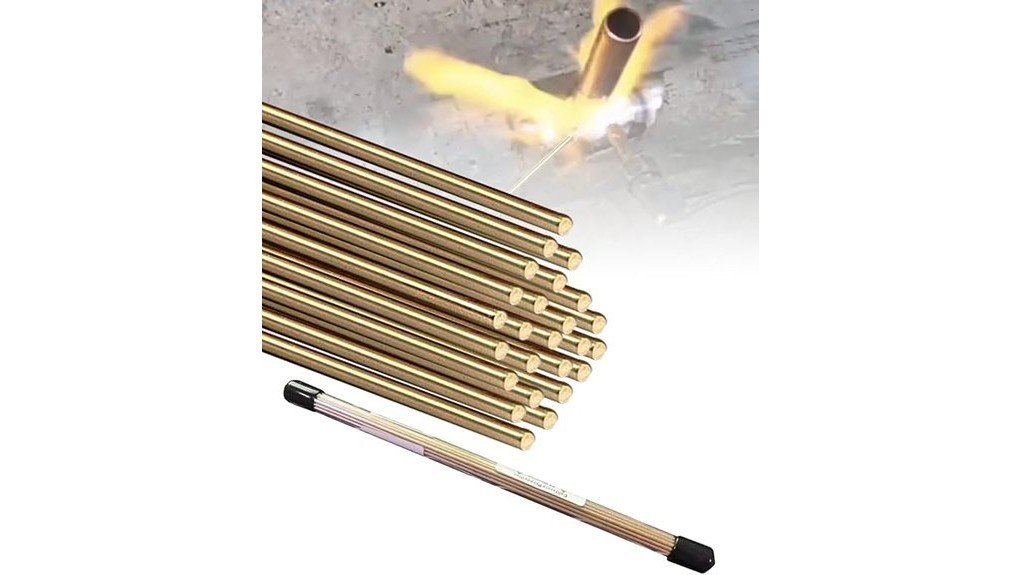
The 25 Rods Brass Solder set is a pack of compact brass solder rods made for brazing and metal-joining tasks that need higher heat than ordinary soft solder. Each rod measures 1/16 in x 9.84 in, which gives you a narrow profile for controlled placement in smaller joints, craft pieces, and repair areas.
The article-supported composition is mainly copper with tin and silicon added. That mix is meant to support strength, flow, and durability during brazing. The rods are packaged in a moisture-resistant PVC tube, which helps protect them in a toolbox or shop drawer when they are not in use.
This set is best for users who already understand torch work or who are learning careful brazing on suitable metals. It is not an electronics soldering product, and it is not the right filler for aluminum projects.
Key Takeaways
- The set includes 25 brass solder rods sized 1/16 in x 9.84 in for controlled handling.
- The rods are described as copper-based, with tin and silicon included to support performance.
- The stated brazing temperature range is 1634 to 1661°F, so you need proper heat control.
- The article lists a tensile strength of 130N/mm², which supports stronger metal-joining tasks.
- The PVC tube helps protect the rods from moisture during storage.
- These rods are suitable for copper alloys and carbon steel, but they are not compatible with aluminum.
Before You Buy: Do not buy these rods for aluminum brazing. Aluminum requires a compatible filler and technique, so using these brass solder rods on aluminum can lead to poor bonding and wasted material.
Who Should Buy It?
Best For
- DIY users who need rods for small brazing and metal repair jobs.
- Crafters making metal projects such as whirligigs or decorative pieces.
- Shop users joining copper alloys or carbon steel with a suitable torch setup.
Skip If
- You need rods for aluminum, electronics soldering, or low-temperature circuit work.
- You need a product with verified brand documentation, certification details, or a published technical data sheet.
- You do not have proper ventilation, eye protection, gloves, and a safe torch work area.
Product Features and Specifications
The strongest buying point is the mix of compact size, high working temperature, and article-stated tensile strength. At 1/16 in thick, the rods are slim enough for smaller joints and detail work. The 9.84 in length also makes them easier to store and handle than long shop rods when you are working on hobby projects or light repairs.
The stated brazing range of 1634 to 1661°F tells you this is not a low-heat filler. You need a proper torch, a suitable base metal, and enough heat to bring the joint area into the correct range. If you underheat the joint, the rod may ball up or fail to flow into the seam.
The moisture-resistant PVC tube is a useful storage detail. Brazing rods work better when kept clean and dry, so the tube helps reduce shop dust and moisture exposure between uses.
Build Quality and Materials
The rods are described as mainly copper, with tin and silicon added. For you, that matters because the filler needs to flow, wet the base metal, and cool into a strong joint. The listed 130N/mm² tensile strength gives the set a practical strength claim for craft and repair work, though final joint strength still depends on surface prep, joint design, heating, and technique.
The rod size also affects control. A 1/16 in rod is easier to guide into small gaps than a thicker rod, but it can also be consumed quickly on larger joints. For bigger repair areas, you may need more rods or a filler size better matched to the job.
Ease of Use
For beginners, the slim rod size and simple tube packaging make the set approachable. You can pull out one rod at a time, keep the rest protected, and avoid leaving loose filler rods exposed on a damp workbench.
The main learning curve is heat control. Brazing works best when the base metal is hot enough to draw the filler into the joint. Pointing the flame only at the rod can melt the filler without creating a strong bond, so your setup and technique matter as much as the rods themselves.
Pro Tip: Clean the joint area before heating, then heat the base metal rather than only the rod. A clean, hot joint gives the filler a better chance to flow evenly and bond well.
Application and Usage Guidelines
The 25 Rods Brass Solder set is most useful for small metal-joining jobs where brass filler is appropriate. The article lists DIY projects, crafts, whirligigs, copper alloys, and carbon steel as suitable use cases. These are practical applications because the rods are compact, easy to store, and designed for higher-temperature brazing work.
Before you start, confirm that your base metal is compatible. Remove paint, oil, rust, plating, and heavy oxidation from the joint area. A dirty surface can block flow and leave a weak bond even if the rod itself is suitable.
How to Use It Correctly
- Work in a well-ventilated outdoor or shop-safe area.
- Wear eye protection, heat-resistant gloves, and a protective mask when fumes may be present.
- Clean the base metal before applying heat.
- Bring the joint area up to brazing temperature before feeding the rod.
- Let the joint cool naturally instead of forcing a sudden temperature change.
- Store unused rods in the PVC tube to help keep them dry and clean.
How It Performs in Real Use
For DIY Repairs
For small repair jobs on compatible metal, these rods give you a compact filler option that does not take up much shop space. The 25-count pack is helpful when you want enough rods for several small jobs without buying a large commercial bundle.
For Crafts and Whirligigs
The narrow 1/16 in size works well for craft pieces where you need more control around small joints. It can be a good match for hobby fabrication, decorative metal parts, and moving pieces that need a neat bond.
For Copper Alloys and Carbon Steel
The article specifically notes copper alloys and carbon steel as suitable materials. You still need proper surface prep and heating because brazing depends on the filler flowing into a clean joint. If the joint is dirty or too cool, performance will drop.
For Storage Between Projects
The moisture-resistant PVC tube is a real advantage for occasional users. If you only braze from time to time, the tube helps keep unused rods organized and protected instead of leaving them loose in a drawer.
Safety Notes Before Heating
Heating brazing rods and base metals can produce fumes, especially when working with unknown alloys, coated metals, or zinc-containing materials. Work outdoors or in a properly ventilated area, and avoid breathing fumes from the heated joint. A protective mask, gloves, and eye protection should be part of your setup.
Do not use these rods on aluminum. The article notes that aluminum requires different soldering or brazing techniques, and the wrong filler can fail to bond. You should also avoid using these rods on any project where the joint will carry a critical safety load unless a qualified professional confirms the filler, base metal, and method are suitable.
Customer Experience and Support
The original article notes positive user feedback around reliable performance, ease of use, and the moisture-resistant PVC tube. Those points make sense for a small brazing rod set because storage, handling, and consistency matter when you use rods across multiple projects.
Customer support is also mentioned as responsive for inquiries or issues. Because the article does not provide a verified warranty term, you should check the seller page before buying if warranty coverage, returns, or technical documentation matter for your project.
Pros and Cons
Pros
- 25-count pack gives you enough rods for multiple small projects.
- 1/16 in x 9.84 in size is easy to guide on smaller joints and craft work.
- 1634 to 1661°F brazing range supports higher-heat metal joining.
- Article-stated 130N/mm² tensile strength gives the product a clear strength target.
- Moisture-resistant PVC tube helps with storage and handling.
Cons
- Not compatible with aluminum projects.
- Requires correct heat control, surface prep, and safe torch handling.
- Brand, warranty, certification, and full technical data were not verified from a reliable public source.
Is It Worth the Price?
The 25 Rods Brass Solder set looks like a practical value buy for users who need a small pack of brazing rods for hobby, repair, or craft work. Since it includes 25 rods and a protective PVC tube, it is better suited to everyday shop storage than loose rods sold without a clear storage container.
You get the most value from it if your projects match the supported use cases: copper alloys, carbon steel, crafts, and smaller fabrication jobs. It is not the best fit if you need aluminum compatibility, verified manufacturer documentation, or a filler rod for a safety-critical structural repair.
How It Compares to Alternatives
Compared with ordinary soft solder wire, this brass solder set is meant for higher-temperature brazing work rather than low-heat electrical or plumbing-style soldering. Compared with silver brazing rods, it may be a more practical choice for general DIY and craft use when you do not need a premium silver-bearing filler.
Aluminum brazing rods are the better comparison if your project involves aluminum. The 25 Rods Brass Solder set makes the most sense when you want a compact copper-based filler for compatible metals and small shop tasks.
Frequently Asked Questions
Can these brass solder rods be used on aluminum?
No. The article states that these rods are not compatible with aluminum. Aluminum needs a compatible filler and a different technique, so use an aluminum-specific product for that material.
What metals are these rods best suited for?
The article supports use with copper alloys and carbon steel. Always clean the metal first and confirm the filler is suitable for your exact base metal before starting.
What temperature range do these rods need?
The stated brazing temperature range is 1634 to 1661°F. That means you need a suitable torch setup and enough heat in the base metal for the filler to flow correctly.
Do you need flux with these solder rods?
The original article recommends flux as a useful tool for improving bonding. Follow the product label and choose a flux that matches your base metal and brazing method.
Are the rods safe to heat indoors?
The article recommends working outdoors to reduce exposure to harmful fumes. If you work in a shop, use proper ventilation, eye protection, gloves, and respiratory protection when needed.
How should you store unused rods?
Keep unused rods in the moisture-resistant PVC tube. Dry storage helps protect the rods from moisture, shop dust, and handling damage between projects.
Who should skip this solder rod set?
Skip it if you need aluminum compatibility, low-temperature electronics solder, or verified technical documentation for professional compliance work. It is better for small compatible-metal projects than critical structural repairs.
The Bottom Line
The 25 Rods Brass Solder set is a solid choice for DIY users, crafters, and small-shop buyers who need compact rods for compatible metals such as copper alloys and carbon steel. Its strongest advantages are the 25-count pack, 1/16 in x 9.84 in rod size, 1634 to 1661°F brazing range, and moisture-resistant PVC tube. Skip it if you need aluminum compatibility, brand-verified documentation, or a filler for critical load-bearing repairs.