What’s in This Article
- Understanding Plasma Cutter Power Requirements
- Battery Systems for Off-Grid Plasma Cutting
- Diesel Generators: A Reliable Power Source
- The Role of Automatic Voltage Regulation (AVR)
- Comparing Diesel and Petrol Generators
- Noise and Emission Considerations
- Ensuring Power Reliability in Remote Locations
- Optimizing Energy Solutions for Heavy-Duty Tools
- Frequently Asked Questions
- Conclusion
A plasma cutter can overwhelm an off-grid power setup faster than many tools in your truck. The steady cutting load matters, but startup surges, duty cycle, voltage stability, and air compressor demand can matter just as much. This guide explains how to size batteries and generators for off-grid plasma cutting without wasting fuel, damaging equipment, or losing work time.
Quick Answer
You can run a plasma cutter off-grid with a properly sized generator, a high-output battery system, or a hybrid setup. Match the power source to the cutter’s input voltage, running wattage, surge demand, duty cycle, and air supply needs. For the most reliable setup, choose a power source with stable voltage output and enough headroom for startup and load changes.
Key Takeaways
- Size your power source by input voltage, running watts, surge demand, and duty cycle.
- Use a generator with enough headroom to handle startup loads and voltage dips.
- Choose battery systems for quiet, short-duration work where emissions and mobility matter.
- Check air compressor demand because many plasma cutters need clean, steady compressed air.
- Use Automatic Voltage Regulation (AVR) when you power sensitive inverter-based cutters.
Understanding Plasma Cutter Power Requirements
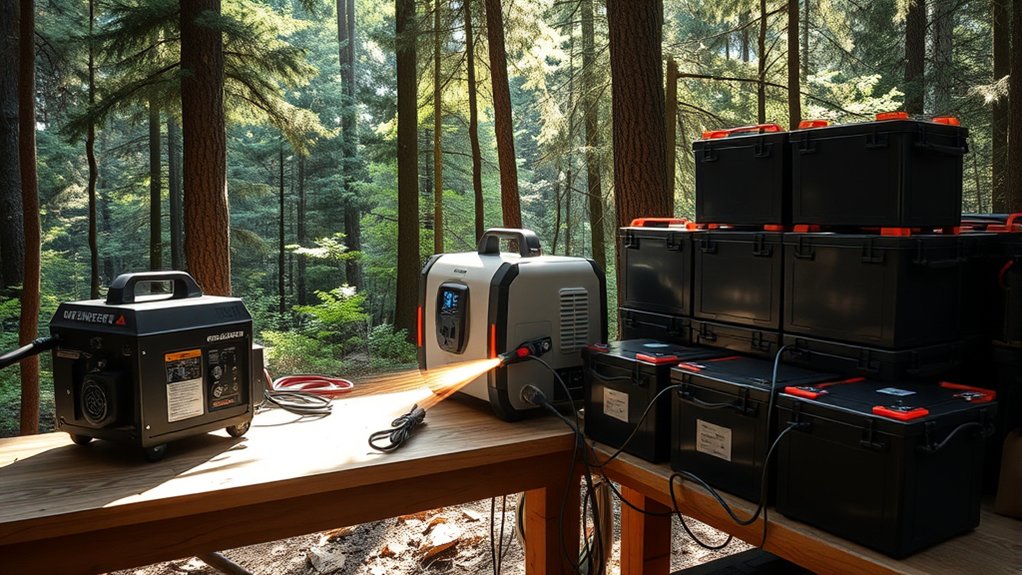
When you plan power for a plasma cutter, start with the tool’s nameplate. Check input voltage, input current, phase, rated output, and duty cycle before you choose a generator or battery system.
Plasma cutters place a high energy demand on off-grid systems because they need stable current while cutting metal. Many setups also need a separate air compressor, which adds another load to the same power source.
A 2,600 W plasma cutter connected to a 2.1 kWh battery could run for about 48 minutes in a simple energy calculation. Real runtime may drop because batteries, inverters, cables, heat, and idle time reduce usable power.
For peak performance, your generator needs enough reserve capacity for startup surges and load swings. Some motor-driven loads need several times their running current at startup, so you should check the cutter, compressor, and generator manuals instead of relying on one fixed multiplier.
Large industrial machines can create bigger challenges. For example, a cutter that needs a 480 V three-phase input will not work with a standard 120 V or 240 V job-site generator unless you add the right electrical equipment.
Power source compatibility matters as much as wattage. Match voltage, phase, frequency, plug type, grounding, and output quality before you connect the cutter.
Warning: Never guess on generator sizing for a plasma cutter because low voltage can damage equipment and create unsafe operating conditions.
Battery Systems for Off-Grid Plasma Cutting
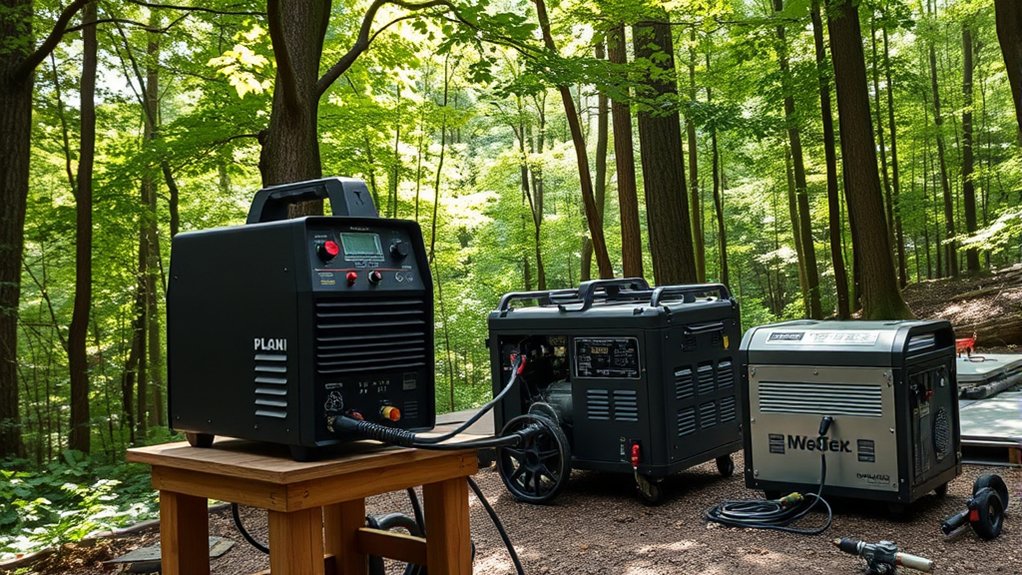
Battery systems can work well for off-grid plasma cutting when you need quiet power, short cutting sessions, and easy transport. They suit mobile repair work, indoor-adjacent tasks, and sites that limit engine noise or fumes.
The instagrid ONE max lists a 2.1 kWh energy capacity and a lightweight design, which helps with mobile work. It may power a 2,600 W plasma cutter for about 50 minutes under ideal conditions, but your runtime depends on cutting time, inverter loss, temperature, and duty cycle.
Battery systems also avoid idle fuel burn. You draw power only when the cutter and support tools need it.
Capacity and Runtime Efficiency
Capacity tells you how much stored energy the battery has. Runtime tells you how long that stored energy can support your actual load.
To estimate runtime, divide usable watt-hours by the cutter’s watt draw. A 2.1 kWh battery equals 2,100 Wh, so a 2,600 W cutter would draw that energy in less than one hour before real-world losses.
Duty cycle can stretch or shorten the workday. If you cut in short bursts and spend time measuring, clamping, and cleaning, the battery may last much longer than the arc-on calculation suggests.
Portability and Charging Solutions
Portability matters when you work across fields, farms, yards, or remote repair sites. A battery system near 20 kg can move more easily than many generators, fuel cans, and extension-cord runs.
Charging speed also affects productivity. If a battery can recharge in less than 3 hours, you can plan charging around breaks, drive time, or access to mains power.
You can also pair some battery systems with renewable charging. Solar charging can help on long jobs, but it usually charges too slowly to support heavy cutting without a large battery bank.
Note: A battery’s peak watt rating matters, but continuous output matters more for long cuts.
Diesel Generators: A Reliable Power Source
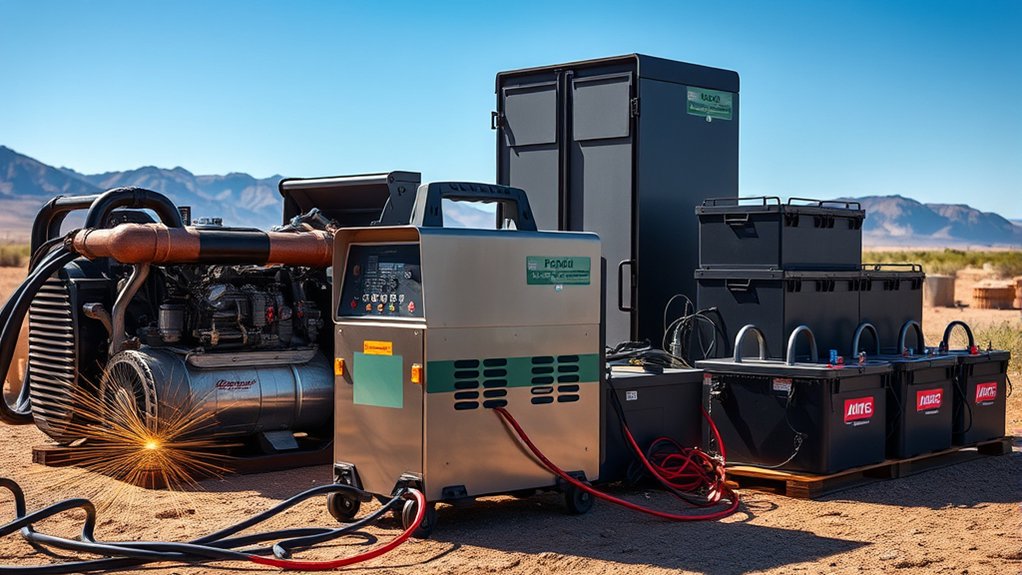
Diesel generators often suit off-grid plasma cutting because they handle steady heavy loads well. They also run for long periods, which helps when you cut, grind, weld, and run air equipment from the same site power source.
Diesel engines often run at lower speeds than small petrol units, which can reduce engine wear and improve fuel economy. Actual noise depends on the generator size, enclosure, exhaust design, and load.
Maintenance still matters. Check oil level, fuel condition, air filters, coolant if fitted, and cables before you start work.
A well-maintained generator gives you more stable power and fewer shutdowns. Keep the generator dry, level, ventilated, and far from enclosed work areas.
Products Worth Considering

Next-Generation 55A Inverter Power with Rust Removal Mode: Upgraded internal circuitry delivers a potent 55-amp cutting arc combined with an advanced surface rust removal...
The Role of Automatic Voltage Regulation (AVR)
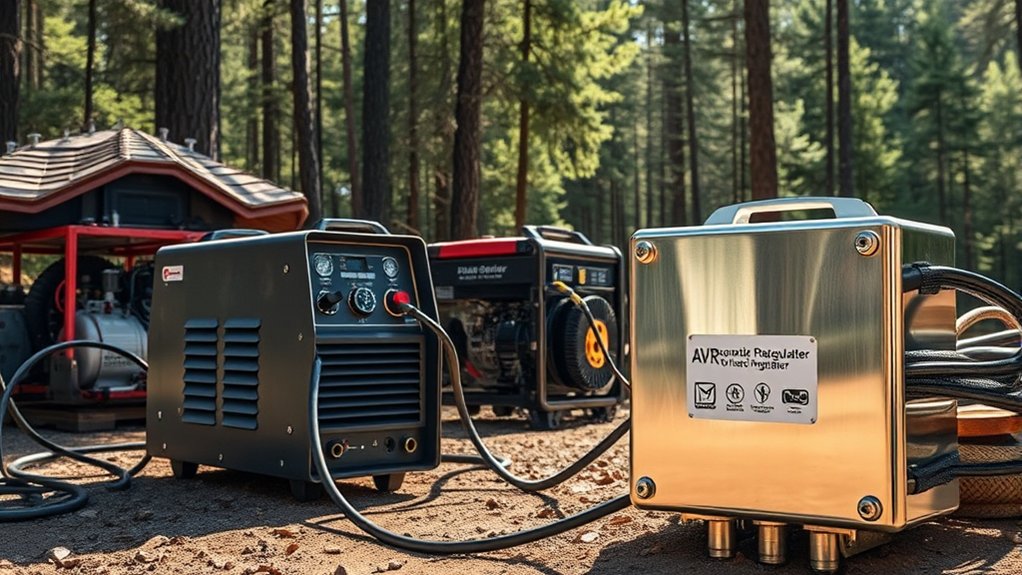
A reliable generator gives your setup a strong base, but voltage stability protects the cutter. Automatic Voltage Regulation (AVR) helps keep generator output closer to its rated voltage as loads change.
AVR helps when a plasma cutter, compressor, or grinder switches on and off. It reduces voltage dips and spikes that can trip controls or stress electronics.
Inverter-based plasma cutters often need cleaner power than older transformer-style tools. If your cutter manual calls for regulated generator output, choose a generator with AVR or inverter output that meets the manufacturer’s requirements.
Comparing Diesel and Petrol Generators
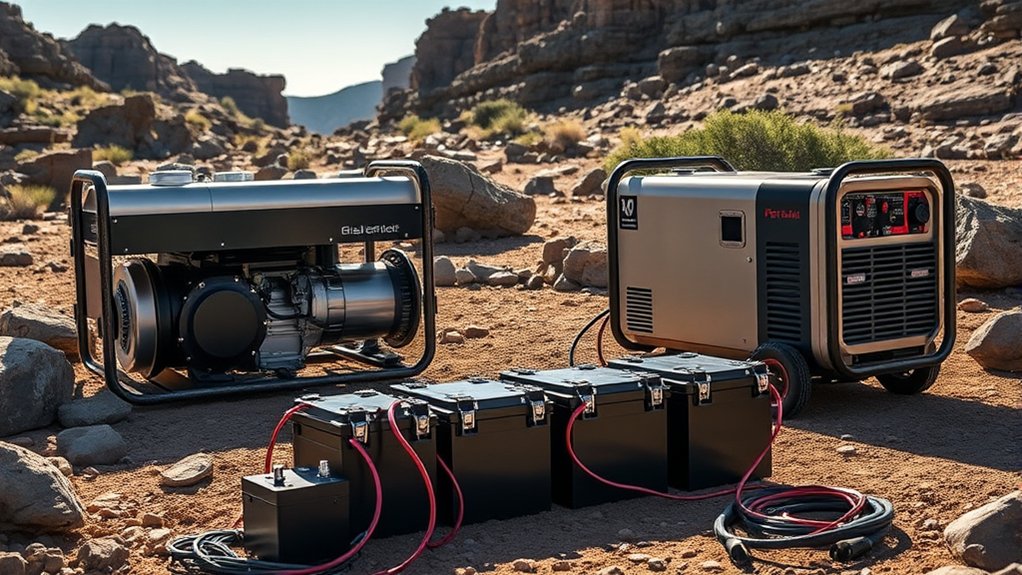
Diesel and petrol generators can both power plasma cutters when you size them correctly. The better choice depends on load size, runtime, fuel access, budget, and site limits.
| Generator Type | Best For | Tradeoff |
|---|---|---|
| Diesel | Long work sessions and heavy loads | Higher purchase cost and more maintenance planning |
| Petrol | Light-duty cutting and occasional use | Higher fuel use under heavy load and shorter runtimes |
| Battery | Quiet, mobile, short-duration cutting | Limited runtime and recharge planning |
Choose diesel if you need long runtime, steady load handling, and fewer refueling stops. Choose petrol if you need a lower-cost setup for light or occasional cutting.
Choose a battery system if you value low noise, no local exhaust, and quick setup more than long continuous cutting time. Always compare total load, not the plasma cutter alone.
Products Worth Considering

Made in the USA
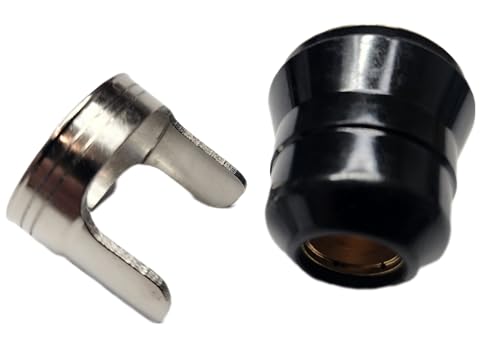
Plasma Xtreme products are made with durable materials and engineered to ensure reliability and extended product lifespan.
Noise and Emission Considerations
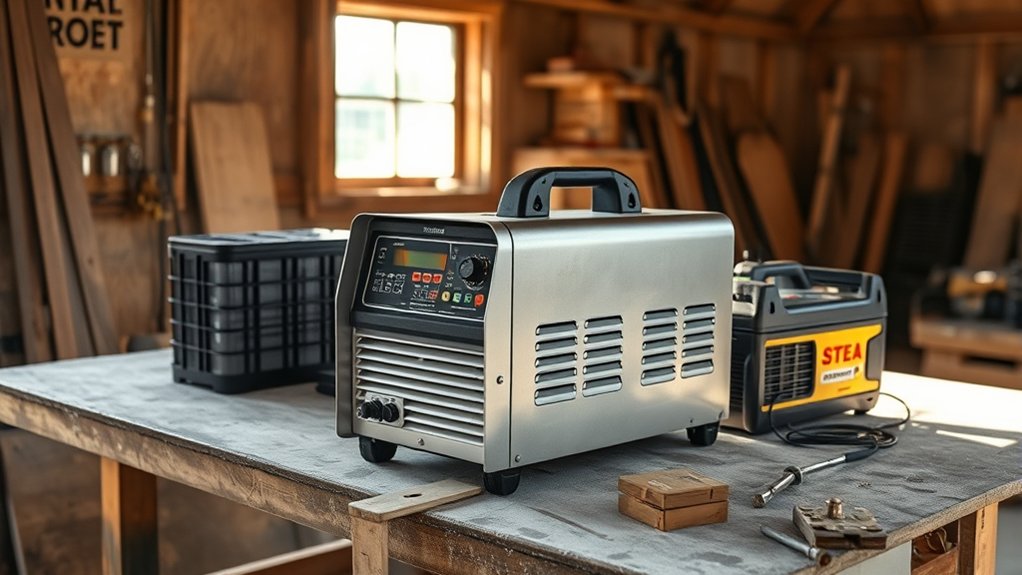
Noise and emissions affect comfort, safety, and where you can work. Combustion generators produce exhaust and sound, while battery systems produce no local exhaust during use.
Battery systems such as the instagrid ONE max can improve work conditions in noise-sensitive areas. They also remove engine idle noise, which helps communication on job sites.
Silent Operation Benefits
Silent operation improves focus and makes it easier to hear coworkers, alarms, and equipment changes. It can also reduce fatigue during long workdays.
| Feature | Benefit | Impact |
|---|---|---|
| Silent Operation | Improved Focus | Better precision and communication |
| Zero Local Emissions | Cleaner Work Area | Less exhaust exposure at the job site |
| Lightweight Design | Easy Transport | More flexible site setup |
Emission Reduction Strategies
You can reduce emissions by matching your power source to the job instead of oversizing everything. A smaller, efficient setup often wastes less energy than a large generator running at a light load.
- Track power use: Measure cutter and compressor demand before you choose equipment.
- Cut idle time: Shut down generators during long setup or layout periods when safe to do so.
- Use battery power where practical: Switch to a battery system for short jobs, indoor-adjacent work, or noise-sensitive sites.
- Maintain combustion engines: Service filters, oil, and fuel systems to keep generators running efficiently.
Ensuring Power Reliability in Remote Locations
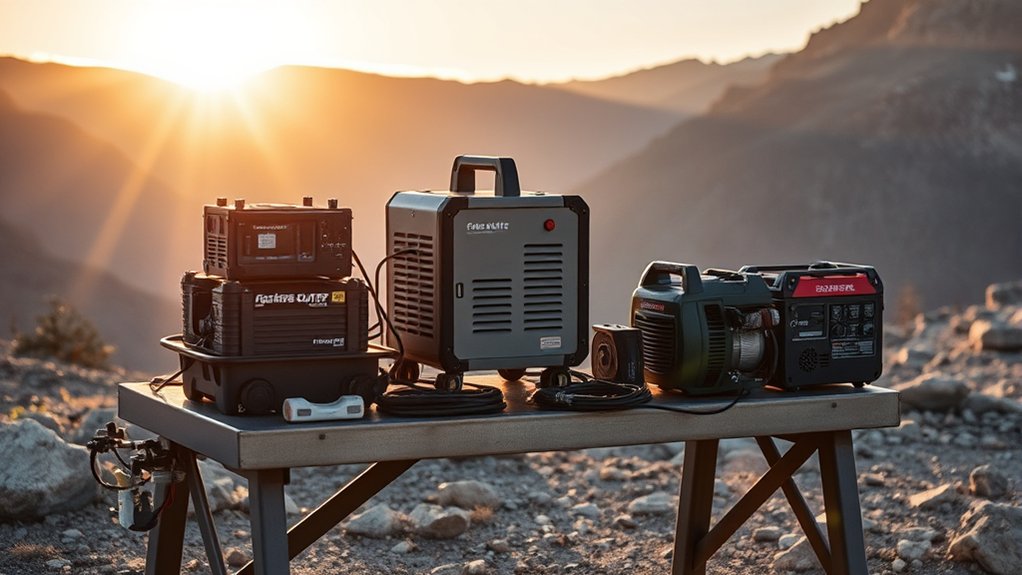
Remote work leaves little room for power mistakes. Before you travel, list every tool that may run at the same time, including the cutter, compressor, grinder, lights, chargers, and ventilation equipment.
The instagrid ONE max lists a peak power output of 18,000 W, which may support short surges from demanding tools. Still, you should compare the tool’s continuous demand with the battery’s continuous output rating.
For long days, consider backup power. A hybrid setup can use battery power for short cuts and a generator for recharge or heavy continuous work.
Pack the right cables, adapters, consumables, and grounding gear. A strong power source cannot fix poor connections, undersized extension cords, or wet equipment.
Optimizing Energy Solutions for Heavy-Duty Tools
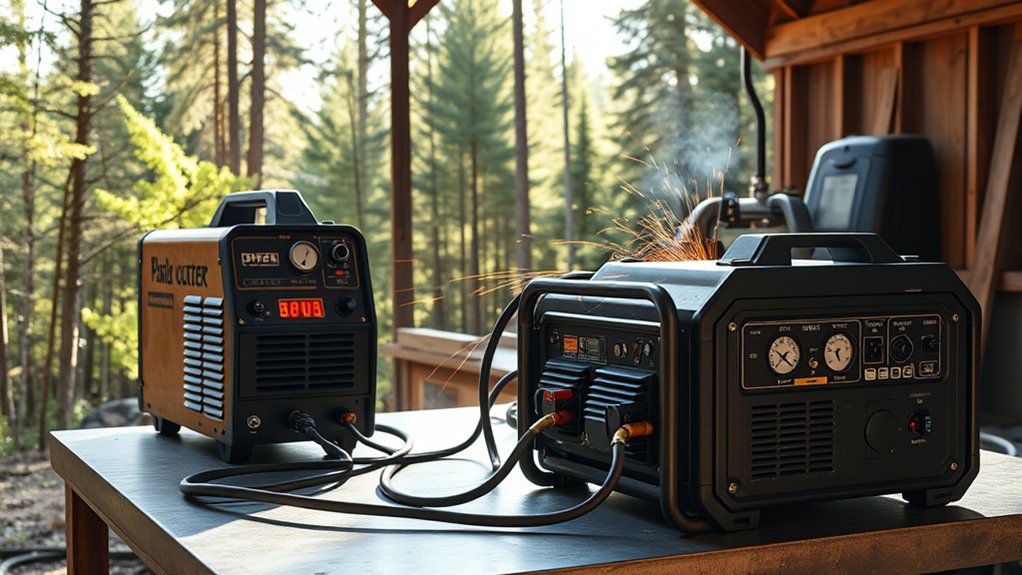
Heavy-duty tools need more than a big wattage number. You need the right voltage, clean output, enough surge capacity, safe cables, and a plan for recharge or refueling.
Match the power source to the full job setup, not just the plasma cutter’s rated output.
- Confirm the cutter’s input needs: Check voltage, amperage, phase, duty cycle, and generator guidance in the manual.
- Add the air compressor load: Include compressor startup current if your cutter needs external compressed air.
- Choose enough headroom: Leave reserve capacity so voltage stays stable when loads change.
- Use proper cables: Keep extension cords short and thick enough for the current draw.
- Plan runtime: Bring enough fuel, battery capacity, or charging access for the full work period.
If you use a generator, avoid running it at the edge of its rated output all day. A generator with safe reserve capacity runs cooler and handles surges better.
If you use a battery system, check both peak and continuous ratings. The peak rating helps with short surges, while the continuous rating determines whether the cutter can keep working.
Frequently Asked Questions
How Does Weather Affect Off-Grid Plasma Cutter Performance?
Weather affects off-grid plasma cutter performance through temperature, moisture, and dust. High heat can reduce duty cycle, while moisture can harm electrical connections and air quality. Keep the power source dry, ventilated, and within its rated temperature range.
What Maintenance Is Required for a Generator Powering a Plasma Cutter?
Check oil, fuel, air filters, spark plugs or glow plugs, coolant if fitted, and cable condition. Clean dust from vents and inspect outlets before each job. Follow the generator manual’s service schedule when you run heavy loads often.
Can Solar Power Be Used for Plasma Cutting Off-Grid?
Yes, solar power can support off-grid plasma cutting when it charges a battery bank or power station first. Direct solar alone usually cannot handle cutter surges or steady cutting loads. You need enough panel capacity, battery storage, inverter output, and charging time.
What Are Common Troubleshooting Steps for Off-Grid Plasma Cutters?
Start by checking voltage, grounding, cable size, air pressure, and consumables. Then inspect the generator or battery output under load. If the arc cuts out, reduce other loads and confirm that the cutter stays within its duty cycle.
How Long Do Batteries Typically Last When Used With Plasma Cutters?
Many portable battery setups support about 30 to 60 minutes of actual cutting with mid-size cutters. Runtime depends on battery capacity, cutter wattage, inverter losses, duty cycle, and temperature. Short cuts with long setup periods can make the same battery last much longer during a workday.
Do Plasma Cutters Need Clean Power From a Generator?
Many inverter-based plasma cutters perform best with stable, regulated power. A generator with Automatic Voltage Regulation (AVR) or inverter output can help reduce voltage swings. Always follow the cutter manufacturer’s generator recommendations.
Conclusion
The best off-grid plasma cutting setup matches your cutter, compressor, runtime, and site limits. Check the tool manuals, add every load, and choose a generator or battery system with safe reserve capacity. Use battery power for quiet short jobs and diesel or petrol power for longer heavy work. With the right setup, you can cut cleanly in remote locations without fighting power drops or wasted fuel.
References
- instagrid ONE max product specifications — instagrid
- Plasma Arc Cutting Safety — Occupational Safety and Health Administration
- Generator Power for Welders — Miller Electric