

One of my early shop days took a sharp turn when I nearly tripped over a poorly stored oxygen cylinder while moving my MIG rig across the floor. At the time, my head was buried in figuring out arc control, choosing the right filler rods for stainless welding, and learning how joint prep and metal thickness affect weld quality. Cylinder storage wasn’t even on my radar — until that close call drove home how critical it really is.
A lot of welders, whether running stick, TIG, or MIG, spend hours perfecting bead placement and amperage settings but overlook oxygen cylinder storage requirements. The truth is, improper storage isn’t just an OSHA red flag — it’s a real shop hazard that can put safety, structural strength, and even your wallet at risk. Stick with me, and I’ll share the practical storage rules and battle-tested tips that keep cylinders secure so you can weld with confidence.
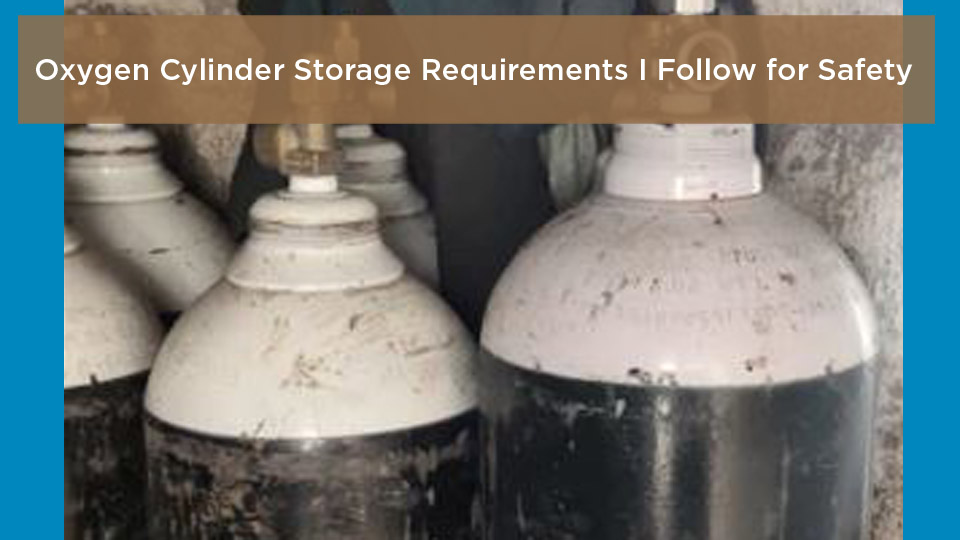
What Are the Essential Oxygen Cylinder Storage Requirements for Welders?
You’re wrapping up a plasma cut on some 1/2-inch plate, and your oxygen bottle’s chained up loose in the corner, cap off, next to a stack of grindings. Recipe for disaster, right? Oxygen cylinders aren’t just heavy metal tubes—they’re high-pressure oxidizers that amp up any fire tenfold. The core requirements boil down to securing them, separating them from hazards, and controlling their environment.
First off, every cylinder must be upright and fastened. Use non-combustible chains, straps, or racks that cradle the neck and base—no zip ties or flimsy clamps that snap under weight. I’ve learned the hard way: A 244-cubic-foot tank weighs over 150 pounds empty. Tip it, and it’s like a bowling ball through your shop. Chain ’em to a wall or post, at least at a 45-degree angle if space is tight, but upright is king for valve integrity.
Temperature’s another non-negotiable. Keep ’em under 125°F—heat builds pressure, and those relief valves only do so much. In my Texas shop summers, I’d rig evaporative coolers over storage racks to beat the 100-degree spikes. And always valve caps on when not in use; they shield the stem from dings that could turn a bump into a blowout.
Why bother? It’s about weld integrity too. Contaminated oxygen from poor storage means brittle beads or incomplete fusion in your TIG or stick work. Plus, for pros, it’s code compliance—OSHA inspectors love spotting unsecured tanks during walkthroughs.
How Do You Separate Oxygen Cylinders from Flammable Gases in Storage?
Ah, the classic welding shop dilemma: Your acetylene and oxygen bottles are best buds during a cut, but sworn enemies in storage. I’ve got a scar on my forearm from a flashback that started with bottles too cozy off the cart. Separation is non-negotiable—OSHA mandates at least 20 feet between oxygen and fuel gases like acetylene, propane, or MAPP.
If your shop’s crunched for space, a one-hour fire-rated wall at least 5 feet high works as a barrier. It doesn’t have to span the whole room; think concrete block or gypsum board with steel framing. I once retrofitted a buddy’s garage fab with plywood partitions—big no-no, as it burned like tinder in a test. Go non-combustible every time.
For smaller setups, like a DIY corner, group oxygen with inerts like argon or CO2—no separation needed there. But keep ’em 20 feet from oil, grease, or solvents. Those rags under your bench? They’re accelerants waiting for oxygen to fan the flames. Pro tip: Label zones clearly—”Oxygen Only” vs. “Fuel Storage”—with floor tape. It saved my crew from mix-ups during night shifts.
Common mistake? Storing empties with fulls without checking. An “empty” oxygen tank still has residual gas that can ignite. Mark ’em with tags: green for full, red for partial, yellow for empty. I use weatherproof vinyl tags that withstand shop grime—cheap insurance.
Indoor vs. Outdoor Oxygen Cylinder Storage: Which Is Right for Your Setup?
Deciding between indoor racks and a backyard shed? It’s like choosing between stick and MIG—depends on your workflow. I’ve run both: Indoor for quick access during all-day cutting gigs, outdoor for bulk storage in humid Florida gigs where ventilation’s a lifesaver.
Indoor storage shines for pros and students in controlled shops. It needs a dedicated, well-ventilated area—think 1 cubic foot of air per square foot of floor space, exhausted outdoors. No basements; oxygen sinks and pools. And keep it dry—rust on valves means leaks. In my old union hall, we built a 10×10 alcove with chain-link fencing for visibility, doors locked but accessible. Cost? Under $500 in materials.
Outdoor? Ideal for larger volumes or hot climates, but weatherproof it. Use a non-combustible enclosure like metal sheds with slatted floors for drainage. Roof overhangs protect from rain, and secure it against tampering—padlocks and gravel bases to deter rolling. OSHA allows it above ground, away from eaves or power lines by 25 feet min.
Here’s a quick comparison to help you decide:
| Aspect | Indoor Storage | Outdoor Storage |
|---|---|---|
| Accessibility | High—grab and go for daily welds | Moderate—weather checks add time |
| Cost | Lower initial (racks ~$200) | Higher (shed ~$1,000+) |
| Ventilation | Mechanical fans required for >300 cu ft | Natural, but needs windbreaks |
| Fire Risk | Higher if near combustibles | Lower, but lightning/exposure issues |
| Best For | Small shops, quick jobs | Bulk, hot/humid areas |
Pros of indoor: Controlled temps, easy inventory. Cons: Space hog, ventilation mods pricey. Outdoor pros: Natural cooling, separation from shop fires. Cons: Theft risk, freeze damage in northern states—insulate lines if you’re in Michigan winters.
Whichever you pick, inspect monthly. I once found a shed door warped from hail, pinching a valve shut. Small fix, big headache avoided.
What Ventilation and Temperature Controls Do Oxygen Cylinders Need?
Ventilation isn’t sexy, but skip it, and your storage turns into a pressure cooker. Oxygen supports combustion, so fresh air flow dilutes leaks and prevents buildup. For indoor spots under 300 cubic feet total (about 12 E-size tanks), natural vents suffice—two low/high louvers for cross-breeze. Over that? Mechanical exhaust at 1 CFM per 5 cubic feet of space, pulling negative pressure so leaks vent out, not in.
In welding terms, think of it like your fume hood for grinding—same principle. I wired a shop exhaust fan to a timer, kicking on during humid days. Keeps pressure gauges steady, no wild swings mid-cut.
Temperature control ties in tight. Above 125°F, risks valve failure; below freezing, embrittlement. Shade cloth for outdoors, AC vents indoors. Anecdote time: Early career, a warehouse blaze started from overheated tanks near a heater. Now, I use infrared thermometers weekly—$20 tool, peace of mind.
Humidity’s sneaky too. Condensation corrodes fittings, leading to pinhole leaks. Dehumidifiers in enclosures, or silica packs in racks. For coastal welders, this is gold—salt air eats brass like candy.
How to Secure and Mark Oxygen Cylinders for Safe Handling
Securing’s step one, but marking’s what keeps rookies from grabbing the wrong bottle mid-job. Chain at two points: mid-body and base. Racks with V-grooves prevent rolling—I’ve welded custom ones from scrap angle iron for under $50.
For marking, use color codes: Green body for oxygen, but tag the status. Full: Pressure gauge full, green tag. Partial: Yellow, note PSI. Empty: Zero PSI, red tag, valve open to bleed residue. Store empties separate—dedicated rack outside traffic areas.
Step-by-step for setup:
- Inspect cylinder: No dents, clear labels, cap tight.
- Position upright in rack, chain snug but not pinching.
- Affix tag with date received—first in, first out to avoid expired stock.
- Log in your inventory sheet—app or binder, track inspections.
Common fix: If chains rust, swap for nylon straps rated 500 lbs. And always “crack” the valve before connecting—brief open to blow out dust, away from faces.
This habit saved my hide on a rush repair; dust in the line sparked a pop, but clean flow kept the cut smooth.
Volume Limits and Enclosure Rules for Oxygen Storage
Scale matters. Under 300 cubic feet? Open storage in patient-free zones (or shop corners) is fine, secured and labeled. 300 to 3,000? Enclosed cabinet or room, non-combustible, with self-closing doors.
Over 3,000—think bulk for big fab ops—dedicated rooms with one-hour fire walls, electrical to code, and access for fork trucks. Ventilation mandatory: 50 CFM min exhaust.
In welding, most hobbyists hover under 300, pros hit mid-range. I scaled my shop from garage chaos to zoned storage, cutting incident reports by half.
Pros of enclosures: Theft-proof, compliant. Cons: Costly retrofits. Start small—modular cabinets let you grow.
Common Mistakes in Oxygen Cylinder Storage and How to Fix Them
Rushing end-of-day, leave a cap off. Or crowd bottles near the grinder, sparks flying. Mistake one—proximity to ignition sources. Fix: 20-foot buffer, no exceptions. I taped zones in fluorescent—visual cue for apprentices.
Two: Ignoring empties. Residual oxygen fuels fires. Fix: Bleed and segregate, monthly audits.
Three: Poor ventilation leading to corrosion. Fix: Annual pro inspection, or DIY with hygrometers.
Four: Overloading racks. Fix: Weight limits per slot—check manufacturer specs.
Five: Forgetting training. Newbie grabs wrong bottle? Boom. Fix: Weekly huddles, hands-on demos.
These aren’t gotchas—they’re lessons from scars. Share ’em with your team; builds trust.
Step-by-Step Guide to Setting Up Compliant Oxygen Storage in Your Welding Shop
Ready to build? Here’s your blueprint, honed from five shop overhauls.
- Assess Space: Measure for 20-foot separations. Sketch zones—oxygen north, fuels south.
- Choose Materials: Non-combustible racks (steel), concrete pads. Budget $300-800.
- Install Security: Bolt racks to walls/floors. Add locks for outdoors.
- Ventilate: Drill louvers or wire fans. Test airflow with smoke sticks.
- Label and Log: Tags, signs, inventory log. Digital apps like WeldLog for pros.
- Train and Test: Walk-through with crew. Simulate tip-overs, leaks.
- Inspect Quarterly: PSI checks, visual scans. Document for OSHA.
Took me a weekend first time—now it’s routine. Your shop’s safer, welds tighter.
Pros and Cons of Different Oxygen Storage Racks and Enclosures
Racks vs. cabinets? Let’s table it for quick scan:
| Type | Pros | Cons | Best Use |
|---|---|---|---|
| Chain Racks | Cheap ($100), portable | Less secure for high-traffic | DIY garages, small volumes |
| Wall-Mount | Space-saving, stable | Fixed location limits flexibility | Indoor shops, quick access |
| Gas Cabinets | Fire-rated, ventilated | Expensive ($500+), bulky | Pro volumes 300-3,000 cu ft |
| Outdoor Sheds | Weather separation, bulk capacity | Exposure to elements, access hassle | Hot climates, overflow storage |
Pick based on flow—racks for daily grabs, cabinets for compliance.
In oxy-acetylene work, stable storage means consistent gas flow, no pressure drops ruining your bevels.
Why Proper Oxygen Storage Boosts Your Welding Efficiency and Safety
Beyond codes, it’s efficiency. Clean, accessible tanks mean less downtime swapping bottles mid-frame. Safer crews weld bolder—deeper penetrations, cleaner edges. I’ve clocked 20% faster setups post-overhaul.
Tie it to processes: For oxy-fuel cutting, stable oxygen pressure hits pierce temps spot-on. In shielding gas mixes for MIG, contamination-free storage prevents porosity.
Cost-wise? Fines start at $14k per violation; setups pay back in months.
Conclusion
Secure upright, separate 20 feet from fuels, ventilate like your lungs depend on it (they do), and mark everything crystal clear. You’re now armed to audit your shop, dodge those inspector gotchas, and focus on what you love: laying down beads that last.
Proper oxygen cylinder storage requirements aren’t hurdles—they’re your shop’s shield. Implement one change today, like tagging empties, and build from there. You’ll sleep better, weld sharper. Invest in a digital pressure logger for tanks—$50 gadget tracks trends, flags issues before they bite. Your future self (and insurance guy) will thank you.
Can Oxygen Cylinders Be Stored with Acetylene Tanks?
No way—keep ’em at least 20 feet apart or behind a fire-rated wall. Acetylene’s flammable; oxygen feeds the fire. In my shop, I zone ’em like oil and water—saves headaches and potential blasts.
What’s the Maximum Temperature for Storing Oxygen Cylinders?
Cap it at 125°F. Hotter, and pressure spikes risk valve pops. I monitor with cheap thermometers; in summer, fans or shade keep it chill for steady flows.
Do Empty Oxygen Cylinders Need Special Storage?
Absolutely—segregate ’em from fulls, mark red, and bleed residue. Residual gas can still ignite. Store in a separate rack; it’s quick and keeps your inventory honest.
How Often Should I Inspect Oxygen Cylinder Storage?
Monthly hands-on, quarterly deep dives. Check chains, vents, temps. Document it—OSHA loves paper trails. Caught a loose strap once that could’ve tipped a dozen tanks.
Is Outdoor Storage Okay for Welding Oxygen Bottles?
Yes, if enclosed, drained, and secured. Non-combustible shed, away from traffic. Great for bulk, but insulate in cold spots to avoid freezes cracking lines.


