
One of the first real challenges I faced in the shop was patching up a mild steel frame and realizing the biggest issue wasn’t the joint prep, metal thickness, or even keeping the arc steady—it was figuring out what shielding gas to run in my MIG welder. A lot of welders, especially beginners, get stuck between straight CO₂ and mixes like 75/25 (argon/CO₂).
The wrong choice can lead to more spatter, poor penetration, or welds that just don’t hold up. That’s why knowing what is the best gas for MIG welding mild steel matters so much. The right shielding gas can transform your weld quality, improve arc control, and save time on cleanup.
Whether you’re weighing MIG vs TIG, choosing filler rods for stainless welding, or just trying to keep costs down while still producing strong, clean welds, your gas setup is the foundation. Stick around, because in this guide I’ll share battle-tested tips to help you make the best choice every time you strike an arc.
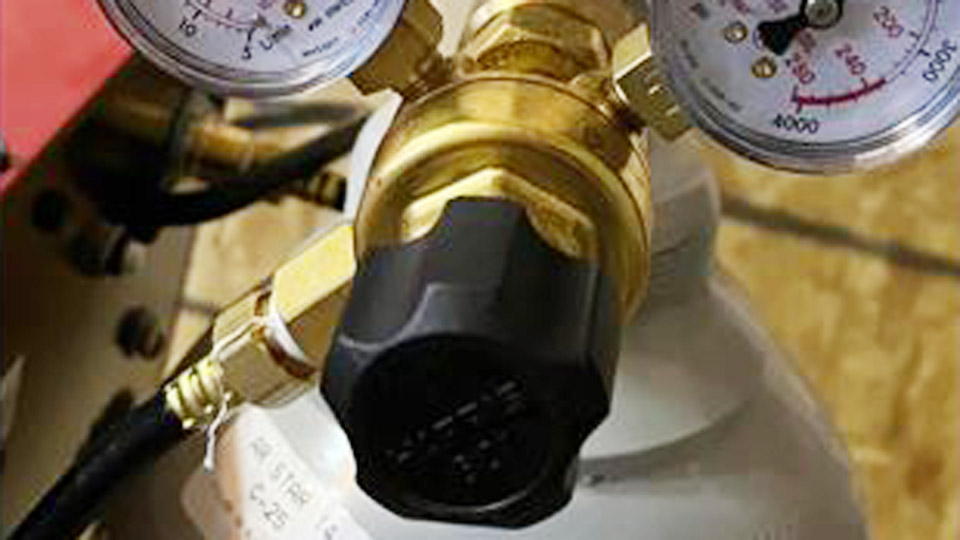
Image by weldingsuppliesfromioc
Shielding Gases in MIG Welding
Shielding gases are your weld’s best friend—they create a protective bubble around the molten metal, keeping out oxygen, nitrogen, and other nasties from the air that cause defects. Without it, your weld pool reacts with the atmosphere, leading to weak spots or ugly beads that scream amateur hour.
In MIG welding, the gas flows through your gun alongside the wire, stabilizing the arc and influencing how the weld looks and performs. For mild steel, which is that everyday low-carbon stuff we use for everything from brackets to frames, the gas choice affects penetration depth, spatter levels, and even how easy it is to clean up afterward.
I’ve seen guys skip the details and just grab whatever bottle is handy, but that often ends in frustration. Think of it like seasoning a steak—you want the right mix to enhance the flavor, not overpower it.
Why Shielding Gas Matters for Mild Steel Welds
Mild steel is forgiving, but it’s not invincible. The right gas ensures your welds are strong enough for structural work or repairs that need to last. Safety-wise, good gas coverage reduces harmful fumes and spatter that could burn you or start a fire in a cluttered shop.
From a cost angle, the wrong gas means more rework, wasted wire, and higher bills. I remember a project where I cheaped out on gas early on—ended up grinding half my welds because of porosity. Lesson learned: invest in the right mix upfront for efficiency.
It also ties into material compatibility. Mild steel pairs well with certain gases to avoid issues like excessive heat input that warps thin sheets or poor fusion on thicker plates.
The Top Choice: 75/25 Argon and CO2 Mix
When folks ask me what gas to run for MIG on mild steel, I always point to the 75/25 blend—75% argon for stability and 25% CO2 for bite. This mix is a workhorse in US shops, from hobby garages to pro fabrication outfits.
Argon keeps the arc smooth and controlled, while CO2 adds penetration without too much drama. It’s versatile for short-circuit transfer, which is what most of us use on mild steel up to about 1/4 inch thick.
In my workshop, this is my go-to for everything from patching exhausts to building trailers. It just flows nicely, giving you that satisfying sizzle without the fireworks.
Products Worth Considering

All HP cylinders come with a 10 year hydrotest date stamped.

Compatible with CGA-580 tanks: Easily attach this Gas Pressure Regulator/Flowmeter to your Argon, Helium, and CO2 tanks with its CGA-580 inlet connector

【Argon Hose Material & Fittings】15FT Argon hose designed for inert gas welding hose systems, compatible with Miller/Lincoln TIG/MIG welders and argon/CO2/Helium mixtures. Fits standard welding gas hose regulators, flow meters, and welding accessories, ensuring seamless integration with argon regulator setups
How the 75/25 Mix Works in Practice
The argon in the mix ionizes easily, creating a stable arc that lets you lay down consistent beads. CO2 brings the heat for deeper fusion, but at 25%, it doesn’t overwhelm the process.
On mild steel, this combo minimizes oxidation, so your welds come out with a flat, even profile. It’s great for positional welding too—overhead or vertical—where control matters.
Picture this: you’re welding a mild steel bracket. With 75/25, the puddle wets out smoothly, reducing undercut and ensuring full joint strength.
Pros and Cons of Using 75/25 for Mild Steel
Let’s break it down simply.
Pros:
- Low spatter means less cleanup and fewer defects.
- Excellent arc stability for beginners and pros alike.
- Good bead appearance—smooth and uniform, perfect for visible work.
- Versatile for thin to medium thicknesses without burn-through.
Cons:
- A bit pricier than pure CO2, especially if you’re buying small tanks.
- Can produce more smoke in windy conditions if your flow isn’t dialed in.
In my book, the pros outweigh the cons for most applications. I’ve switched back to it after trying cheaper options, and the difference in weld integrity is night and day.
Machine Settings and Tips for 75/25 Gas
Start with your gas flow at 20-30 cubic feet per hour (CFH)—that’s the sweet spot to avoid turbulence that pulls in air. Too low, and you get porosity; too high, and you’re wasting gas.
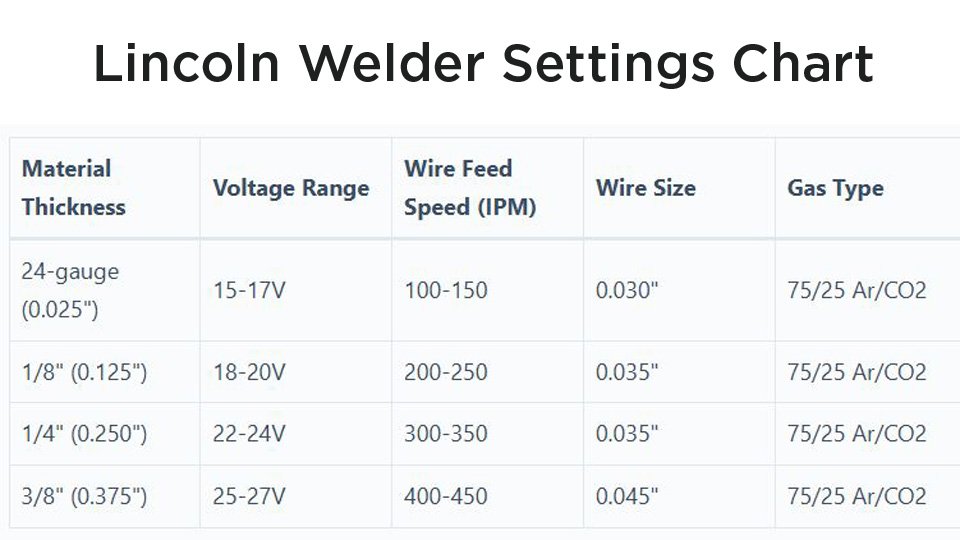
For a typical 120-volt MIG on 1/8-inch mild steel, try 18-20 volts and 200-250 inches per minute wire speed with 0.030-inch wire. Adjust based on your machine—my old Miller runs hotter, so I dial it back a notch.
Prep tip: Clean your mild steel with a grinder or wire brush to remove mill scale. It helps the gas do its job without contaminants fighting back.
One anecdote: I was teaching a buddy on a fence repair. He cranked the flow to 40 CFH thinking more is better—ended up with wavy beads from gas swirl. We dropped it to 25, and bam, perfect welds.
Alternatives: When to Use 100% CO2 for MIG Welding Mild Steel
Sometimes, budget or availability pushes you toward 100% CO2, and it’s not a bad pick for certain jobs. This gas is fully active, meaning it reacts more in the arc, giving deeper penetration on thicker mild steel.
I use it for heavy plate work, like welding beams, where I need that extra bite without worrying about cosmetics.
But heads up—it’s not as forgiving as mixes. Expect more spatter and a harsher arc, which can tire you out on long sessions.
Products Worth Considering

Material: This Argon Gas Hose is made from premium rubber materials and 5/8" x 18 brass male fittings on both ends. It is a 100% leak-free, lightweight hose.

Welding Gas to Your Door - Get PrimeWeld's industrial grade Argon welding gas delivered right to your door. We offer different mixtures for any application, and you can purchase a tank without worrying about costly rental fees or wasted trips out to your local welding supply shop.

ER70S-6 MIG WIRE: It's the most common wire of the copper-coated mild steel GMAW (MIG) wires for single or multiple pass welding.
How 100% CO2 Compares to Mixed Gases
Pure CO2 burns hotter, so penetration is king—great for 1/4-inch and up mild steel. But the arc is erratic, leading to more globbing and cleanup.
Versus 75/25, it’s cheaper but produces rougher beads. In a pinch, it’s fine for non-critical repairs, like farm fixes where strength trumps looks.
I once ran CO2 on a trailer frame when my mix tank ran dry. It worked, but I spent extra time grinding spatter. Lesson: stock up on your preferred gas.
Pros and Cons of 100% CO2
Pros:
- Lowest cost—ideal for high-volume work or tight budgets.
- Deep penetration for thick joints.
- Widely available at most suppliers.
Cons:
- High spatter requires more post-weld work.
- Harsher arc makes it trickier for thin material.
- More fumes, so ramp up ventilation.
If you’re a DIYer on a budget, start here and upgrade to a mix as you gain confidence.
Other Gas Blends for Specialized MIG Welding on Mild Steel
Beyond the basics, you might run into 85/15 argon/CO2 for spray transfer on thicker stock. It runs smoother with less smoke, but it’s overkill for most mild steel jobs.
For really clean work, a 90/10 mix shines on thinner sheets, reducing burn-through. I’ve used it for auto body panels—keeps warpage low.
Tri-mixes with helium add heat for speed, but they’re pricey and rare for everyday mild steel. Stick to argon/CO2 unless your project demands it.
When to Choose Higher Argon Blends
If you’re pulsing or spraying on mild steel over 3/16 inch, bump argon to 85% for fluid puddles and minimal spatter. It’s common in fab shops following AWS codes.
But for hobbyists, it’s unnecessary expense. I tried it on a gate project—nice, but 75/25 would’ve sufficed.
Setting Up Your MIG Welder for Optimal Gas Performance
Setup is half the battle. Purge your lines before welding to clear air—open the valve briefly, then connect.
Check for leaks with soapy water on fittings. A hissing tank means money down the drain.
For mild steel, match your wire—ER70S-6 is my favorite with any gas, as it handles impurities well.
Recommended Gas Flow Rates and Adjustments
Aim for 20-30 CFH as a baseline. In drafts, bump to 35, but watch for turbulence.
On my Lincoln, I set 25 CFH for indoor work. Outdoors, I use wind shields to maintain coverage.
Tip: If beads look oxidized, increase flow slightly. Porous? Check your prep or gas purity.
Joint Preparation and Filler Compatibility
Bevel edges on thick mild steel for better penetration. A 60-degree V-groove works wonders.
Filler wise, 0.035-inch wire pairs great with 75/25 on 1/8-inch stock. For thinner, drop to 0.030.
I botched a joint once by skipping beveling—weak fusion. Now, I always prep like it’s code work.
Common Mistakes When Choosing or Using MIG Gas
Biggest blunder: Using pure argon on mild steel. It’s for aluminum—on steel, it crowns high with poor wetting.
Another: Ignoring flow rates. Low flow invites porosity; high causes swirl and defects.
Don’t forget maintenance—clogged nozzles disrupt gas shield. Clean after every session.
I recall a trainee who ran CO2 on thin sheet—burned holes everywhere. Switched to 75/25, problem solved.
Fixes for Gas-Related Welding Issues
Porosity? Boost flow or clean base metal.
Excess spatter? Try a mix over pure CO2, or anti-spatter spray.
Erratic arc? Check voltage and wire speed—tweak for your gas.
Practical Tips and Anecdotes from the Workshop
In real life, gas choice ties to your setup. My portable MIG loves 75/25 for farm calls—reliable in varied conditions.
Tip: For rusty mild steel, CO2 cuts through better, but grind first for best results.
One story: Building a workbench, I mixed gases mid-project. The 75/25 sections were flawless; CO2 ones needed extra grinding. Consistency pays.
For students, start simple—practice beads on scrap to feel the difference.
Step-by-Step Guide to Switching Gases
- Shut off your current tank and bleed lines.
- Swap regulators if needed—argon ones differ from CO2.
- Purge new lines: Open valve, trigger gun briefly.
- Adjust flow to 25 CFH.
- Test on scrap: Fine-tune voltage/wire speed.
- Weld away, monitoring for issues.
This saved me headaches on multi-gas jobs.
Comparison Table: Gases for MIG Welding Mild Steel
| Gas Type | Best For | Penetration | Spatter Level | Cost | Bead Appearance |
|---|---|---|---|---|---|
| 75/25 Argon/CO2 | General purpose, thin to medium | Medium | Low | Medium | Smooth, flat |
| 100% CO2 | Thick plates, budget jobs | High | High | Low | Rougher |
| 85/15 Argon/CO2 | Spray transfer, clean work | Medium-High | Very Low | High | Excellent |
Use this to pick based on your needs.
Safety Considerations with MIG Gases
Always ventilate—CO2 displaces oxygen, risking asphyxiation in tight spaces.
Wear PPE: Gloves, helmet with proper shade, long sleeves.
Store tanks upright, chained. I’ve seen unsecured ones tip—disaster waiting.
In US shops, follow OSHA guidelines for gas handling to avoid fines or worse.
Advanced Techniques: Gas and Mild Steel Compatibility
For code work like ASME, 75/25 meets most specs for mild steel.
On galvanized, use CO2 to burn off zinc, but fume extractors are a must.
Experiment with short-circuit vs. spray—gas influences mode choice.
I pushed spray with 85/15 on a pressure vessel mockup—deeper welds, but hotter setup.
Wrapping Up
Now, you’re armed with the knowledge to pick the best gas for MIG welding mild steel. Whether you’re a DIYer fixing a mower or a pro on a fab job, starting with 75/25 will set you up for success. It boosts weld integrity, cuts down on rework, and keeps things safe and efficient. You’ve got the tools to make informed choices, avoiding those rookie pitfalls I hit early on. Go ahead, fire up that welder with confidence—you’ll see the difference in every bead.
FAQ
What gas do you use for MIG welding mild steel?
For most mild steel MIG welding, I recommend a 75% argon and 25% CO2 mix. It provides a stable arc, low spatter, and good penetration for reliable welds on everything from thin sheets to medium plates.
Can you MIG weld mild steel with 100% argon?
No, pure argon isn’t ideal for mild steel—it leads to poor wetting and high-crowned beads. It’s better suited for aluminum or TIG processes. Stick to argon/CO2 blends for steel.
What is the ideal gas flow rate for MIG welding?
Aim for 20-30 CFH to ensure proper coverage without turbulence. Adjust higher in windy conditions, but test on scrap to avoid wasting gas or introducing defects.
Is 100% CO2 good for MIG welding mild steel?
Yes, for budget-conscious or thick material jobs where deep penetration matters more than appearance. It works well but expect more spatter and a rougher finish compared to mixed gases.
How does gas choice affect weld spatter?
Higher CO2 content increases spatter due to a more active arc, while more argon smooths things out for cleaner welds. For minimal spatter on mild steel, go with at least 75% argon.



[…] cables. I scorched a lead once; now I double-check every strike. For gas selection basics, see my MIG shielding gas guide and Miller’s overview [Miller, […]