Disclosure: As an Amazon Associate, we earn from qualifying purchases. If you click a link on this page and make a purchase, we may receive a small commission at no extra cost to you.
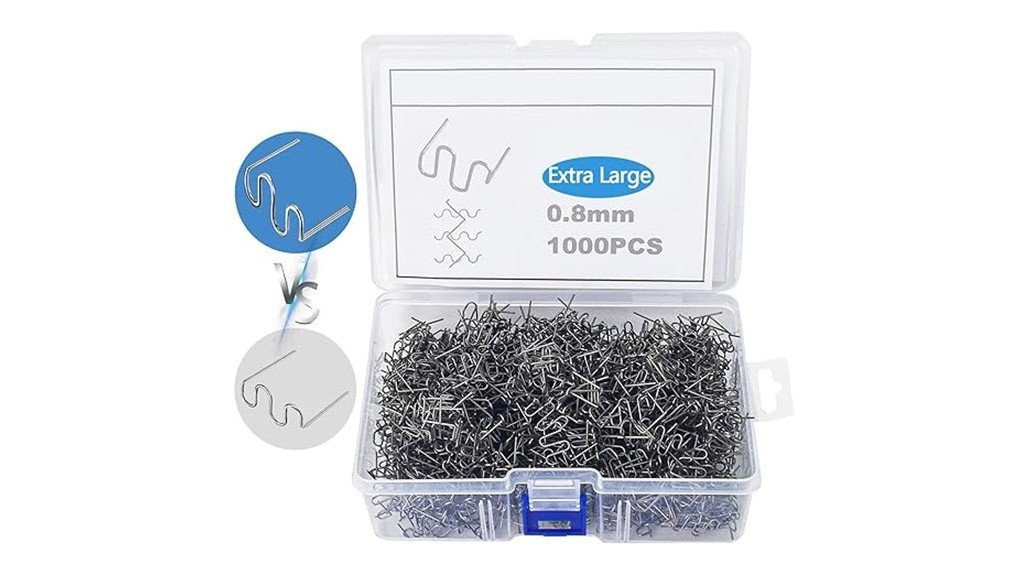
Repairing cracked plastic can get frustrating when a small staple does not give the joint enough bite. The 1000PCS Plastic Welder Staples are made for hot stapler and plastic welding repairs where you need a wider reinforcement point across a crack. Their upgraded extra-large wave design gives you more contact area than a narrow staple, which can help when you are working on longer cracks or stressed plastic parts.
This review explains what these staples do well, where they have limits, and how to use them more safely with a compatible plastic welding tool. They look like a strong value if you already own the right welder, but they are not a complete repair solution by themselves.
Quick Verdict
Rating: 8.2/10
Best For: DIY users and repair shops that already use a compatible plastic welding hot stapler.
Bottom Line: These 1000PCS Plastic Welder Staples make sense if you want a large supply of wave-style staples for reinforcing cracked plastic. The main tradeoff is that they require the correct plastic welding tool, correct heat control, and careful placement to work well.
| Specification | Detail |
|---|---|
| Product Name | 1000PCS Plastic Welder Staples |
| Product Type | Plastic welding staples for hot stapler repair tools |
| Count | 1000 pieces |
| Design | Upgraded extra-large wave design |
| Staple Size Detail | 0.03-inch staple detail stated in the source article |
| Compatibility | Designed for use with compatible plastic welding kits and hot stapler tools |
| Supported Plastic Types | Polyethylene, polypropylene, acrylic, PVC, nylon, TPU, and POM, as stated in the source article |
| Repair Direction | Can be used on vertical and horizontal cracks when the tool and repair surface allow proper placement |
| Best Use | Reinforcing cracked plastic parts during plastic welding repairs |
| Safety Note | Requires heat, eye protection, hand protection, and careful handling during installation |
| Package Note | Staples only, not a complete plastic welding tool kit |
What Are the 1000PCS Plastic Welder Staples?
The 1000PCS Plastic Welder Staples are replacement staples for plastic welding and hot stapler repair work. Instead of acting like glue, they heat up through a compatible plastic welder and sink into the plastic around a crack. Once the plastic cools, the staple helps reinforce the damaged area from inside the repair.
The main feature is the upgraded extra-large wave design. A wider wave shape can give the repair more contact area, which may help the staple resist twisting and shearing forces better than a small narrow staple. That makes these staples useful when you need added support across a crack, not just a quick surface patch.
You still need the correct plastic welding tool, the right technique, and a repairable plastic material. These staples are a supply pack, so they are best for users who already have a hot stapler setup or plan to use them with a compatible repair kit.
Before You Buy: These are plastic welding staples, not a full plastic welder kit. Check that your hot stapler accepts this staple style and size before ordering.
Who Should Buy It?
Best For
- DIY users who already own a compatible plastic welding hot stapler.
- Repair shops that go through many staples during repeated plastic crack repairs.
- Buyers who want a larger wave-style staple for longer or more stressed cracks.
Skip If
- You do not own a compatible plastic welding tool.
- You need a cosmetic-only repair with no embedded metal reinforcement.
- You are repairing a plastic type that does not respond well to hot stapler welding.
Enhanced Design and Performance
The upgraded extra-large wave design is the main reason to consider this staple pack. A wave staple spreads reinforcement across a wider area than a simple straight insert. That extra width can help when you are bridging longer cracks or trying to reduce movement at the damaged spot.
The article-supported 0.03-inch staple detail also points to a thin insert that can be heated and embedded into plastic with a compatible welder. Used correctly, the staple can support the joint after the plastic cools. Used poorly, it can sit too shallow, melt through the plastic, or create a weak repair.
The best results come from matching the staple to the crack shape. Use the wave design across the damaged line so the metal reinforcement grips both sides of the break. Do not rely on the staple alone if the surrounding plastic is brittle, badly missing, or under heavy load.
Efficiency and Cost-Effectiveness
A 1000-piece supply gives you enough staples for repeated repair work. That matters if you repair plastic parts often, because longer cracks can take several staples to reinforce properly. A larger pack also reduces the chance that you run out halfway through a repair.
The extra-large wave design may also help you use fewer staples on some longer cracks because each staple covers more area than a narrower option. That does not mean you should space staples too far apart. The right spacing depends on the crack length, plastic thickness, stress level, and the shape of the part.
A wider staple can improve repair coverage, but correct heat, placement, and plastic condition still decide how strong the final repair feels.
Compatibility and Versatility
These staples are described as compatible with multiple plastic welding kits, but you should still confirm fit before buying. Hot stapler tools can vary by staple slot, pin spacing, and supported staple shape. If your tool does not hold the staple securely, installation will be harder and less consistent.
The article lists several material types, including polyethylene, polypropylene, acrylic, PVC, nylon, TPU, and POM. That range makes the pack useful for many repair tasks, but plastic behavior can still vary. Some plastics soften quickly, while others need more careful heat control.
The staples can be used on vertical and horizontal cracks when the surface allows safe access. For a vertical crack, stable hand control matters because the staple can shift while the plastic softens. For a horizontal crack, you still need to keep the staple square across the damaged line so both sides get reinforcement.
Pro Tip: Before repairing the main crack, test one staple on a hidden or scrap area of similar plastic so you can judge heat, depth, and cooling time.
How It Performs in Real Use
For Long Cracks
The large wave design is most useful when you need to reinforce a longer crack. You can place several staples along the damaged line to reduce movement. Keep the staples evenly spaced and avoid forcing them into plastic that is already crumbling or too thin to hold the insert.
For Vertical Repairs
Vertical repairs need steady pressure and careful positioning. The staple should cross the crack cleanly, not follow the crack line. Let the plastic cool before you trim or finish the area, because moving too soon can weaken the bond around the staple.
For Horizontal Repairs
Horizontal cracks are often easier to control because the tool and staple can sit more naturally across the repair. You still need to avoid overheating the plastic. Too much heat can deform the surface or push the staple too deep.
For Repeated Shop or Garage Use
The 1000-piece count makes the pack practical for frequent plastic welding jobs. You can keep a large supply near your welder and use several staples per repair without worrying about a small pack running out quickly. Storage matters, so keep the staples dry and organized by type if you use more than one staple shape.
How to Use These Staples Correctly
Start by cleaning the damaged plastic so dust, oil, and loose fragments do not get trapped in the repair. Align the broken area as closely as possible before you heat the staple. The staple should bridge the crack, with one side anchored into each side of the damaged plastic.
Heat the staple with your compatible plastic welding tool and press it into the plastic with controlled pressure. Do not push so hard that the staple sinks through the part. After the plastic cools, trim the exposed staple legs if your repair process requires it, then finish the surface according to your tool instructions.
- Place the staple across the crack, not lengthwise inside the crack.
- Use enough staples to control movement, but avoid overcrowding the repair.
- Let each staple cool before stressing the repaired area.
- Follow your plastic welder manual for heat, depth, and trimming guidance.
Compatibility and Safety
Plastic welding uses heat, so safety matters. Wear eye protection and heat-resistant work gloves when installing staples. Keep your fingers away from the staple tips and heated tool head because both can cause burns during use.
Work in a well-ventilated area, especially when heating unknown plastics. Avoid using these staples on plastic parts that protect critical safety systems unless the repair method is approved for that part. When a damaged part affects vehicle safety, electrical safety, load-bearing support, or child safety, consider professional repair or replacement.
These staples are not reusable after installation. Once a staple has been heated, embedded, cooled, and trimmed, its shape and surface condition are no longer ideal for a second repair. Use a fresh staple for a cleaner and more dependable bond.
Pros and Cons
Pros
- 1000-piece count gives you a large supply for repeated plastic repair work.
- Extra-large wave design adds wider reinforcement across cracks.
- Useful for both vertical and horizontal crack repairs when placed correctly.
- Article-supported compatibility includes several plastics, such as polypropylene, PVC, nylon, TPU, and POM.
- Can reduce the need for more staples on some longer cracks because each staple covers more area.
Cons
- Requires a compatible plastic welding tool, which is not the same as buying a full repair kit.
- Fit may vary by hot stapler tool, so you need to confirm compatibility first.
- Repair strength depends heavily on heat control, plastic condition, and correct placement.
Is It Worth the Price?
The 1000PCS Plastic Welder Staples offer strong value for the price if you already use plastic welding staples often. A large pack makes the most sense for garage work, repair shops, and DIY users who handle more than one repair project.
The value is less clear if you only need to fix one small crack. In that case, a complete plastic welding kit with multiple staple shapes may be more practical if you do not already own the tool. These staples are best viewed as a consumable refill, not a starter kit.
They are worth considering if your main goal is wider crack reinforcement and a generous staple count. They are not the best fit if you need verified brand-specific tool compatibility before buying.
How It Compares to Alternatives
Compared with smaller straight staples, these extra-large wave staples focus more on wider reinforcement across the crack. That can help when you want more contact area and better resistance to twisting forces. Smaller staples may still be easier to place in tight spaces or thin plastic.
Compared with adhesives or surface patches, hot staples add embedded metal reinforcement inside the plastic. Adhesive may work better for light cosmetic repairs, but staples make more sense when the crack needs mechanical support. For the strongest repair, many users combine proper plastic welding technique with careful surface finishing.
Frequently Asked Questions
Do these staples include the plastic welding tool?
No. This article describes a 1000-piece staple pack, not a complete plastic welding kit. You need a compatible hot stapler or plastic welding tool to install them.
What plastics can these staples be used with?
The source article lists polyethylene, polypropylene, acrylic, PVC, nylon, TPU, and POM. Results still depend on your tool, heat control, plastic thickness, and the condition of the damaged part.
Can these staples repair vertical and horizontal cracks?
Yes, the article states that they can be used on both vertical and horizontal cracks. For best results, place each staple across the crack so it reinforces both sides of the damaged plastic.
Can plastic welder staples be reused?
No. Once a staple has been heated, embedded, cooled, and trimmed, you should not reuse it. A fresh staple gives you a cleaner shape and a more reliable repair.
How should you store the staples?
Store them in a dry container so they stay clean and easy to sort. If you keep several staple shapes, label the compartments so you can quickly pick the right style during a repair.
What safety gear should you use during installation?
Use eye protection and heat-resistant gloves. You are working with a heated staple and hot plastic, so keep your hands away from the tool head and allow the repair to cool before trimming or handling it.
Who should skip this staple pack?
Skip it if you do not have a compatible hot stapler tool or you need a full kit with the welder included. You should also avoid using it for safety-critical repairs unless the repair method is approved for that part.
The Bottom Line
The 1000PCS Plastic Welder Staples are a smart buy for users who already have a compatible plastic welding tool and want a large supply of wave-style staples for crack reinforcement. Their strongest advantage is the extra-large wave design, while the main limitation is that fit and results depend on your welder, technique, and the plastic being repaired.
Buy them if you need refill staples for repeated plastic repair work. Skip them if you need a complete beginner kit or verified tool-specific compatibility before purchase.