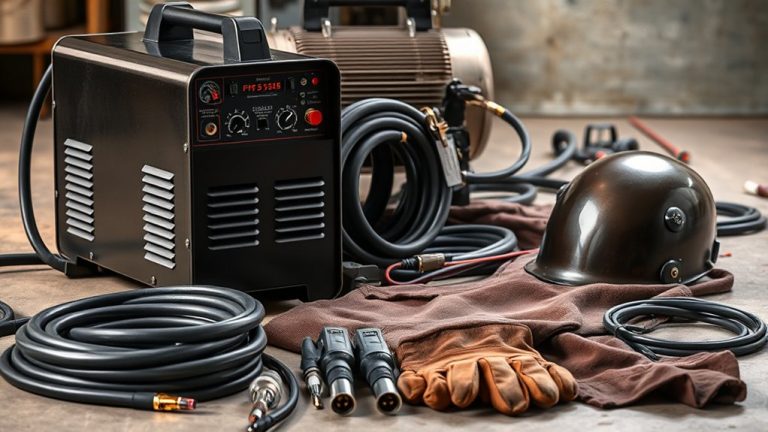
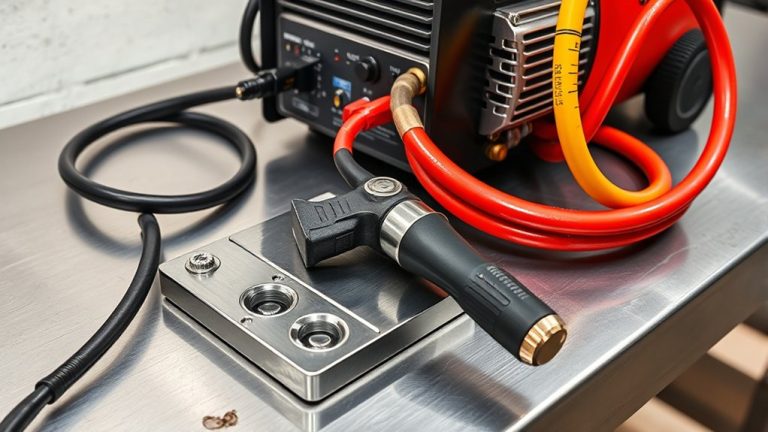
Imagine the precision of a TIG welder paired with the cutting prowess of a plasma cutter; it’s an enchanting concept. However, integrating a plasma cutter attachment with a TIG welder presents complex challenges. You’ll face potential electrical hazards, contamination risks, and compromised weld quality. Dedicated plasma cutters offer superior performance, suggesting a more reliable alternative. Explore the implications of such an integration and assess whether the trade-offs are truly worth it.
Understanding Plasma Cutter and TIG Welder Functions
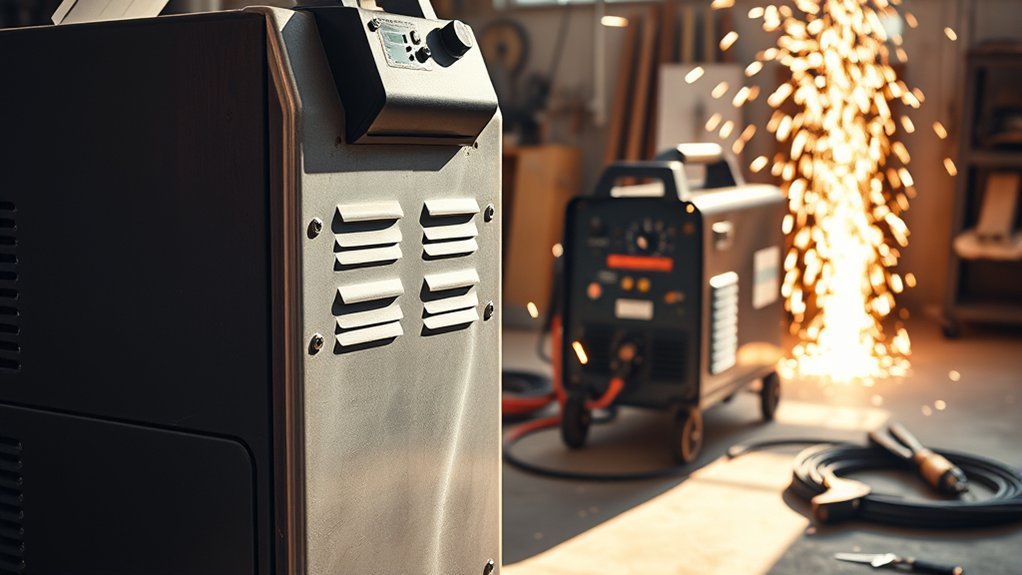
When you’re diving into metalwork, understanding the distinct functions of plasma cutters and TIG welders is essential.
Plasma cutters employ a high-voltage electrical arc to ionize gas, transforming it into plasma that precisely separates metal ions. This cutting technique excels in creating clean, sharp edges with minimal heat-affected zones, ideal for intricate patterns.
In contrast, TIG welders utilize a non-consumable tungsten electrode to generate an arc that melts and fuses metals. This welding method affords you precise control over the molten pool, resulting in high-quality welds.
While both involve electrical arcs, their applications differ markedly. Plasma cutting focuses on material separation and is unsuitable for welding, as it doesn’t fuse materials. Best used on metals up to 50 mm thick, plasma cutters aren’t designed for welding tasks.
Conversely, TIG welding is effective on thinner materials and supports a wider range of metals, including aluminum and stainless steel.
Feasibility of Using a Plasma Cutter Attachment
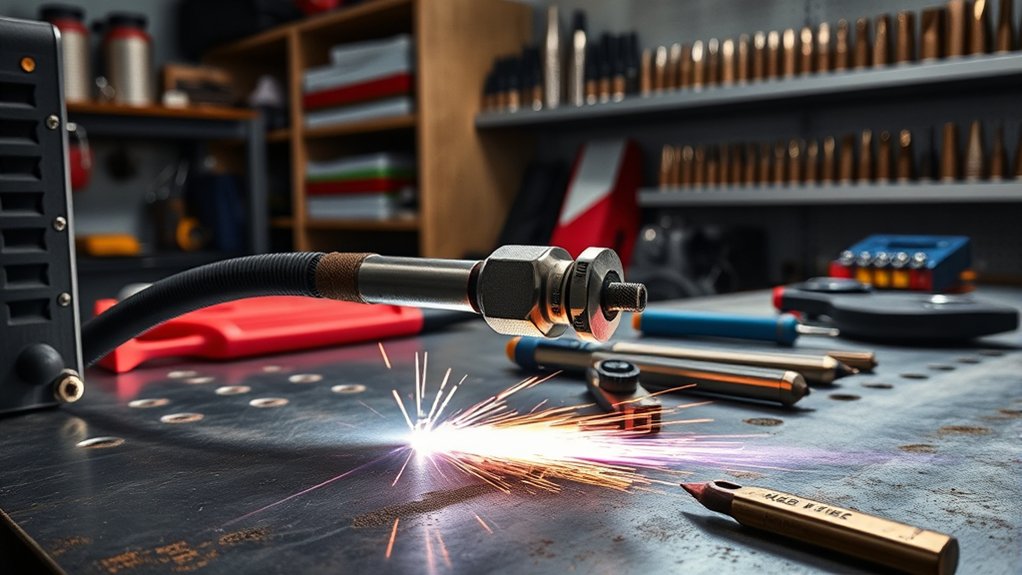
Although the idea of integrating a plasma cutter attachment with a TIG welder might seem innovative, it’s generally impractical due to the fundamental differences in their operating principles. TIG welding fuses metals while plasma cutting separates ions, leading to significant attachment compatibility issues.
Adapting a plasma cutter to a TIG welder presents operational challenges, primarily because each requires distinct electrical conditions. This incompatibility can make it difficult to switch between processes without risking equipment damage or decreased performance.
Consider these points:
- Power Source Differences: TIG welders and plasma cutters need different voltage and current settings.
- Safety Concerns: Using a plasma cutter attachment can elevate risks such as electric shock and harmful fumes.
- Project Requirements: The attachment might compromise weld quality, jeopardizing the structural integrity of your project.
Evaluating these factors is essential to determining the practicality of combining these distinct technologies in a single setup.
Risks Associated With Surface Quality and Contamination
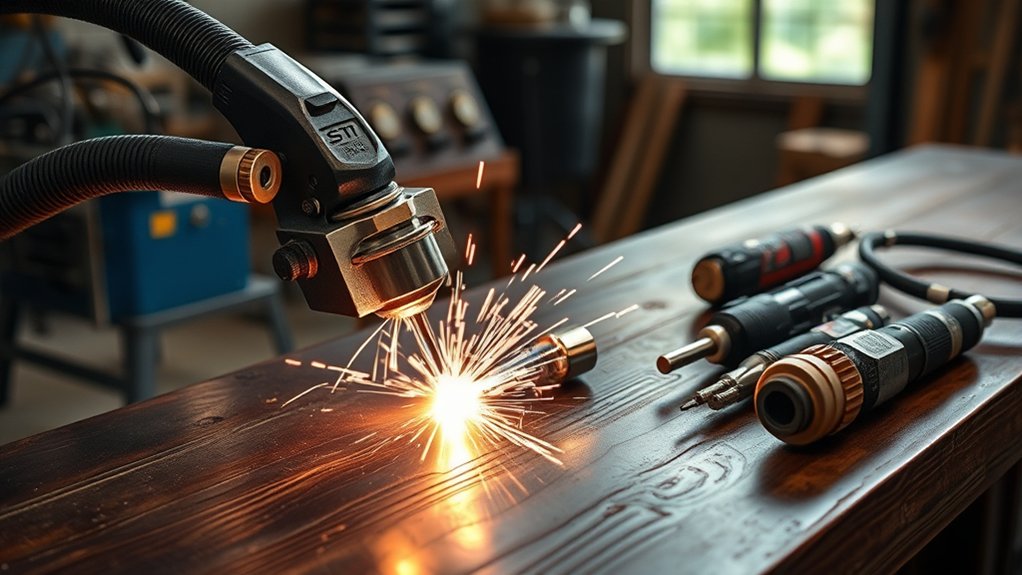
Surface quality and contamination present considerable risks when welding on surfaces recently cut by a plasma cutter. The primary contamination sources include dross and oxidation, which can greatly impair weld quality. These contaminants often result in weld defects such as brittleness and increased porosity, leading to unreliable joints.
To mitigate these risks, proper surface preparation is essential. You should employ tools like grinding wheels or flap discs to remove dross and oxidation effectively. This process not only improves the weld’s appearance but also enhances its strength by ensuring better arc control and smoother puddles.
Dirty welds typically display inconsistent beads and poor aesthetics, whereas thoroughly cleaned surfaces produce polished, uniform welds. These are easier to manage in both stick and TIG welding processes.
Impact on Welding Quality and Joint Integrity
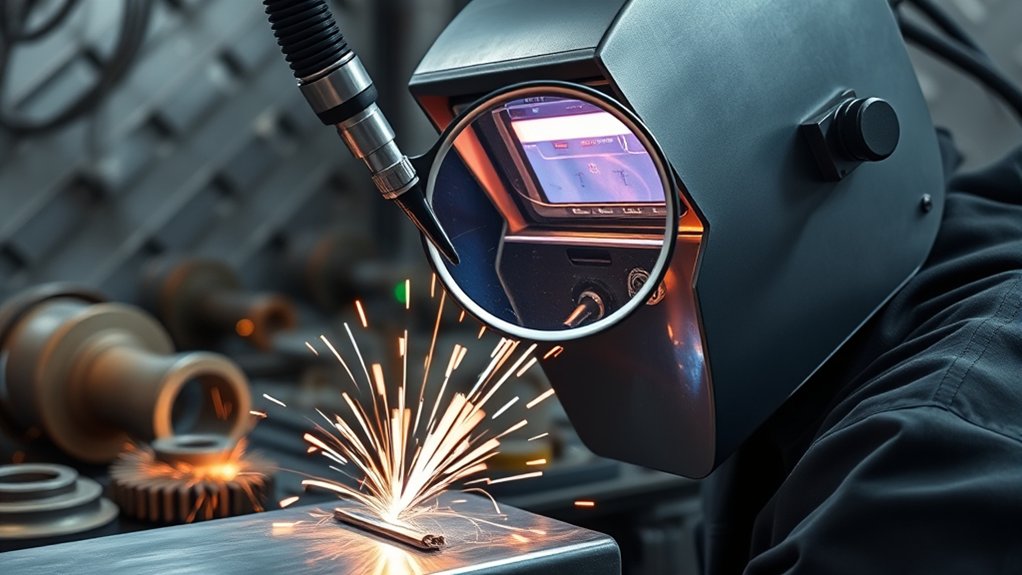
Welding quality and joint integrity are directly influenced by how well you prepare the metal surface, especially after plasma cutting. Without proper surface preparation, such as removing dross and oxidation, you’re likely to encounter issues like poor penetration and compromised weld strength.
This is because welding over fresh plasma cuts can introduce contamination, affecting the quality of the weld.
To enhance weld strength and guarantee reliable joint integrity, consider these steps:
- Use grinding wheels or flap discs: These tools efficiently eliminate dross and oxidation, resulting in cleaner surfaces, smoother puddles, and improved arc control.
- Avoid welding over unprepared surfaces: This can lead to brittle welds and increased porosity, especially in processes like stick and TIG welding.
- Prioritize cleanliness: Clean surfaces yield more consistent beads and attractive welds, boosting both appearance and structural integrity.
Proper surface preparation is essential to achieving superior welds, minimizing the risks of inconsistency and reduced durability.
Pre-Cleaning and Preparation Techniques
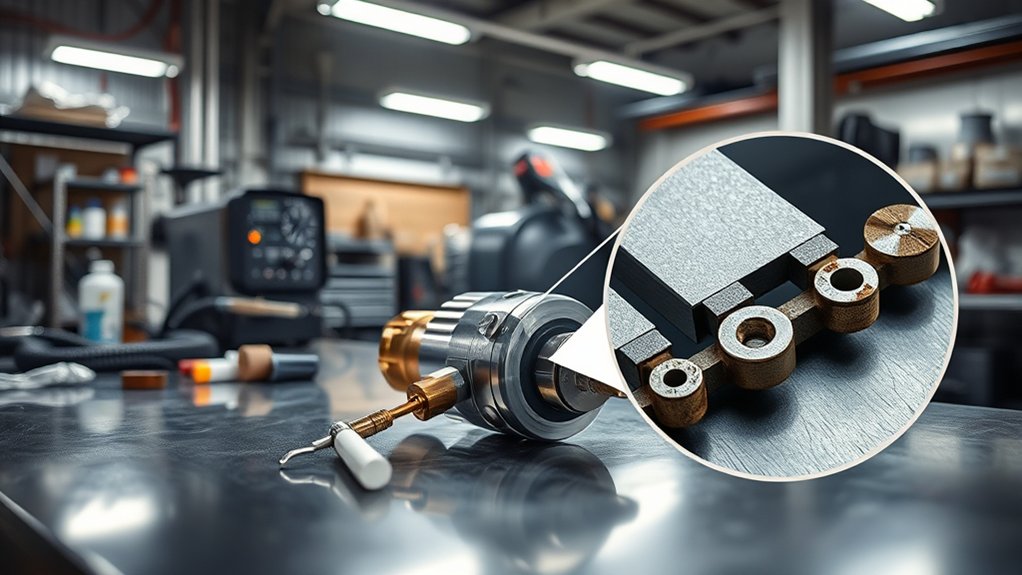
Achieving superior welding quality starts with meticulous pre-cleaning and preparation of the metal surface. You need to focus on surface cleaning by removing dross, oxidation, and contaminants. These impurities can compromise the weld’s integrity, weakening the joint.
Grinding with flap discs or using wire brushes are effective methods for oxidation removal, enhancing adhesion and minimizing defects. Ensuring the metal is free of rust, grease, and dirt is essential. It improves arc stability, allowing smoother puddle control and resulting in a consistent weld bead.
To maximize the weld’s strength and durability, conduct surface preparation right before welding. This timing is key to prevent re-oxidation and contamination from environmental exposure. A well-maintained surface not only enhances the aesthetics but also contributes to a robust joint.
This attention to detail in pre-cleaning sets the foundation for achieving ideal results with your TIG welder and any additional attachments you might employ.
Dedicated Plasma Cutter vs. Attachment Use
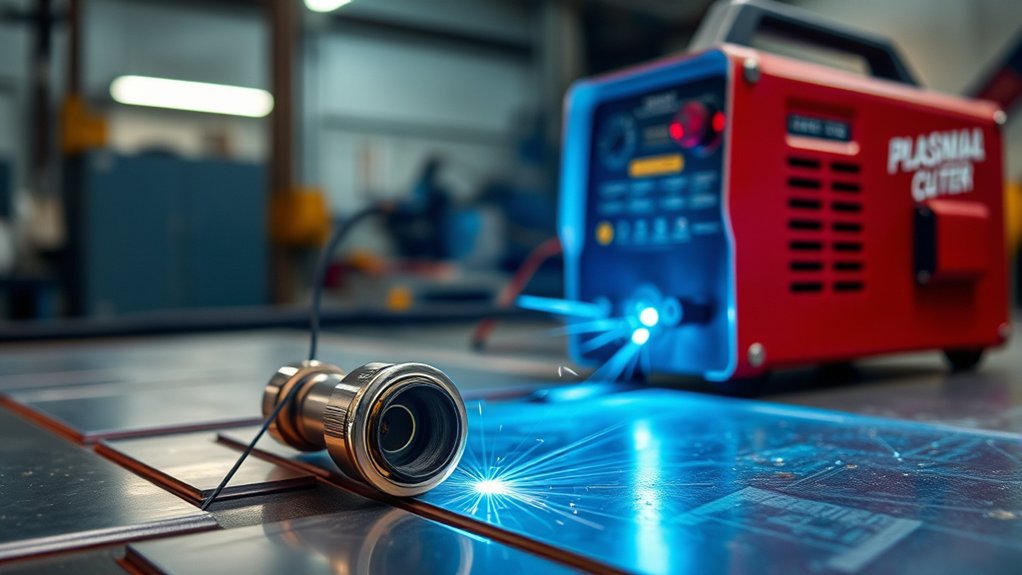
When you’re deciding between a dedicated plasma cutter and a TIG welder attachment, consider the performance and efficiency each option offers. A dedicated plasma cutter excels in cutting metals with superior performance, thanks to its higher amperage ratings and specialized features like advanced cooling systems.
These elements provide:
- Enhanced precision and speed: Dedicated units cut through thicker materials efficiently.
- Improved reliability: They’re designed specifically for cutting, reducing the risk of malfunctions.
- User-friendly interfaces: Often better than the basic controls of attachments.
In contrast, TIG welder attachments may limit your cutting capabilities. They can compromise on cutting speed and quality due to the inherent design constraints of the TIG unit.
From a cost analysis perspective, while attachments might seem like a budget-friendly option, their limitations and potential safety risks could lead to higher long-term costs. Consequently, a dedicated plasma cutter is often a more effective investment for high-quality cuts.
Optimizing Welding Outcomes Through Proper Preparation
To achieve ideal welding outcomes, meticulous preparation of the metal surfaces is essential. Cleaning techniques are critical in removing surface contaminants such as dross and oxidation that can compromise weld integrity. Begin by using tools like grinding wheels or flap discs to clean plasma-cut edges, ensuring smoother puddles and enhanced arc control. Properly treated surfaces contribute to superior aesthetics, offering consistent bead sizes and polished finishes. This preparation is especially important to prevent porosity and brittleness in welds. Here’s a quick guide to aid your process:
| Cleaning Tool | Purpose | Benefit |
|---|---|---|
| Grinding Wheel | Remove dross, oxidation | Smoother weld puddles |
| Flap Disc | Polish edges | Better arc control |
| Wire Brush | Clear surface contaminants | Improved bead consistency |
Stick welding on clean surfaces also results in flatter, more manageable beads, enhancing overall weld quality and appearance.
Frequently Asked Questions
Can a Plasma Cutter Attachment Affect TIG Welder Lifespan?
Yes, it can. Using a plasma cutter attachment may impact your TIG welder’s lifespan if maintenance is neglected. Guarantee attachment durability and routine TIG welder maintenance to mitigate potential wear or damage to internal components over time.
Are There Specific Metals Better Suited for Plasma Cutting With TIG?
You’ll find aluminum alloys and stainless steel ideal for plasma cutting, boasting a 25% faster cut speed than carbon steel. Their conductivity and oxidation resistance enhance efficiency, making them top choices for precision tasks in technical applications.
How Does Plasma Cutter Attachment Cost Compare to a Dedicated Plasma Cutter?
Conducting a cost analysis, you’ll notice attachment pricing is generally lower than a dedicated plasma cutter. However, consider additional factors like compatibility and efficiency, which might affect long-term costs and performance, potentially offsetting initial savings from the attachment.
What Safety Precautions Should Be Taken With a Plasma Cutter Attachment?
Coincidentally, you’re handling plasma cutters just as safety becomes essential. Always wear personal protective equipment like gloves and goggles. Implement electrical safety measures, ensuring connections are secure and equipment is grounded to prevent shocks and accidents. Stay safe!
Can a Plasma Cutter Attachment Be Used on Any TIG Welder Model?
You can’t use a plasma cutter attachment on every TIG welder model. Compatibility issues arise due to different power outputs and connector types, leading to performance limitations. Always check manufacturer specifications to guarantee proper integration and operation.
Conclusion
You’ve explored the theory of integrating a plasma cutter attachment with a TIG welder, uncovering significant feasibility issues. The risks of contamination and compromised quality are real, and they outweigh any perceived convenience. Ideal welding demands precision, which a dedicated plasma cutter guarantees, offering better performance and reliability. Prioritize proper pre-cleaning and preparation techniques to enhance outcomes. By investing in the right tools, you’ll maintain weld integrity and avoid complications, guaranteeing superior results every time.