A plasma cutter attachment for a TIG welder sounds convenient, but it is rarely a safe universal upgrade. TIG welding and plasma cutting use different torches, gas or air flow, arc-start methods, consumables, and duty demands. Use only a manufacturer-approved multi-process machine or a dedicated plasma cutter, then clean any plasma-cut edge before welding.
Quick Answer
Do not bolt a generic plasma cutter attachment onto a TIG welder unless the welder manufacturer specifically lists that torch, air system, and cutting mode as compatible. Most TIG-only machines are not designed for plasma cutting. A dedicated plasma cutter or factory-built multi-process unit is safer and more reliable.
Key Takeaways
- A TIG welder and a plasma cutter both use an arc, but they are built for different jobs.
- A generic plasma attachment can damage the machine, create shock hazards, and produce poor cuts.
- A factory-built TIG/plasma multi-process unit is different from an improvised add-on.
- Always grind or clean dross, oxide, paint, oil, and residue before TIG welding a plasma-cut edge.
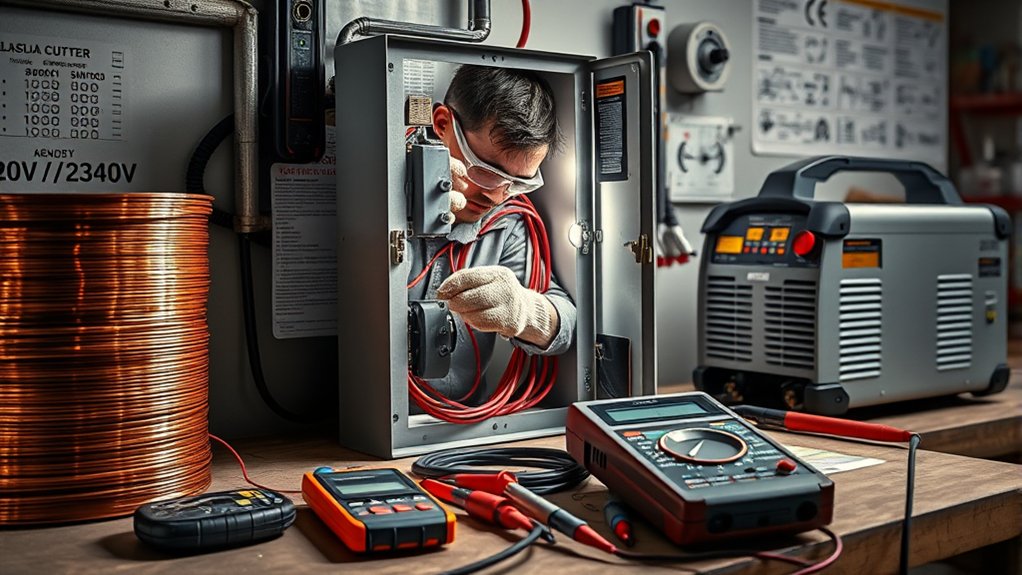
Warning: Plasma cutting and TIG welding can expose you to electric shock, intense arc light, flying molten metal, fire hazards, and hazardous fumes. Use the correct helmet shade, safety glasses, dry gloves, flame-resistant clothing, ventilation, and a fire extinguisher. Follow the machine manual and local safety rules before cutting or welding.
How TIG Welders and Plasma Cutters Work
When you compare a plasma cutter with a TIG welder, the key difference is the result you want. TIG welding joins metal. Plasma cutting separates metal.
In TIG welding, also called GTAW, a non-consumable tungsten electrode creates an arc that melts the base metal. You may add filler rod by hand, and the weld area is shielded with inert gas such as argon. The goal is a controlled weld puddle, clean fusion, and a strong joint.
In plasma cutting, an electrical arc ionizes gas and creates a hot plasma stream. The stream melts conductive metal, while high-velocity gas blows molten metal out of the cut. The goal is a narrow kerf and clean separation, not fusion.
| TIG Welder | Joins metal with a controlled weld puddle and shielding gas. |
| Plasma Cutter | Cuts conductive metal by melting it and blowing the molten metal from the kerf. |
| Main Overlap | Both use an arc, protective equipment, clean work connections, and safe hot-work practices. |
Can You Use a Plasma Cutter Attachment on a TIG Welder?
In most cases, you should not use a generic plasma cutter attachment on a TIG-only welder. The machine may not provide the correct cutting output, pilot arc system, air control, torch wiring, or internal protection. Even if the connector seems to fit, that does not mean the power source is designed for plasma cutting.
A factory-built multi-process machine is different. Some machines are designed from the start to switch between TIG welding, stick welding, and plasma cutting. Those units have a dedicated plasma mode, compatible torch, air input, work lead setup, and manual-listed consumables. If your machine manual does not clearly support plasma cutting, treat the attachment as unsafe.
Note: A compatible plug is not proof of compatibility. The manual must confirm the plasma torch, air pressure range, duty cycle, cutting amperage, consumables, and grounding setup.
Compatibility Checklist Before Using a Multi-Process Unit
Before using a TIG/plasma combo machine, confirm each item below. If one item is missing, stop and use a dedicated plasma cutter or contact the manufacturer.
- Manual approval: The model must list plasma cutting as a supported process.
- Correct torch: The torch, consumables, connector, and trigger wiring must match the exact machine.
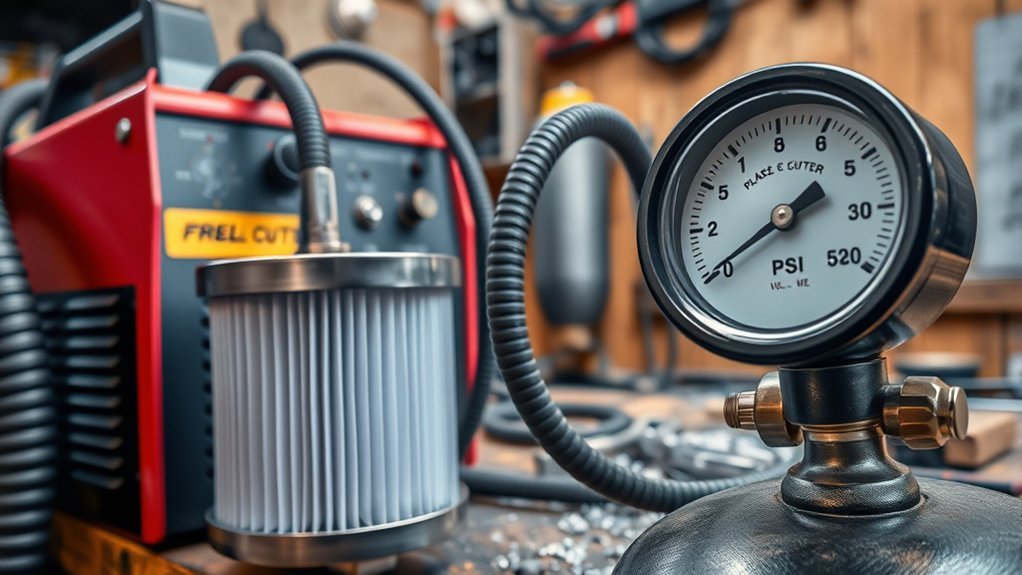
- Air supply: Plasma cutting needs clean, dry compressed air or the gas specified by the manufacturer.
- Cutting mode: The front panel should have a dedicated plasma or CUT mode, not only TIG settings.
- Pilot arc or start method: The machine must use the start system designed for that plasma torch.
- Work clamp and grounding: The work lead must be connected to clean metal so current returns safely.
- Rated capacity: Check the rated clean-cut capacity, severance capacity, and duty cycle for your material.
- Dry environment: Keep gloves, leads, floor, and work area dry to reduce shock risk.
Products Worth Considering

2 IN 1 Multi-functional Design:FEMEROL integrates 60A plasma cutter and 200A MMA stick welder in one unit, supporting plasma cutting and MMA welding dual modes to meet various working needs. It works perfectly for stainless steel, alloy steel, mild steel, copper, aluminum and most common metal materials.


NON‑HF BLOWBACK PLASMA CUTTING READY: Non‑HF arc enables contact cutting on rusted or painted metal. Max cutting thickness up to 16 mm (5/8 inch) for steel, stainless steel and copper. Rated 30A@240V, delivers clean, smooth cut edges for DIY, maintenance and light professional tasks.
Risks of Improvised Attachments and Contamination
An improvised plasma attachment can create two problems at once: equipment risk and weld-quality risk. The machine may overheat or fail if it was not designed for plasma cutting, and the cut edge may carry dross, oxide, paint residue, oil, or moisture that later contaminates the weld.
Contamination matters more with TIG than with many rougher processes. TIG welding depends on a clean arc, stable shielding gas, and a controlled puddle. If you weld directly over a dirty plasma-cut edge, you may see porosity, black soot, arc wandering, brittle spots, or poor fusion.
Plasma cutting also creates fumes and hot sparks. OSHA’s welding fume guidance notes that welding and related cutting operations can generate airborne metal fume, and that surfaces should be cleaned of coatings that could create toxic exposure.
How Plasma-Cut Edges Affect Weld Quality
A plasma-cut edge can be welded, but it should not be treated as ready for TIG welding the moment the cut is finished. The edge can have a heat-tinted oxide layer, hardened slag-like dross, and small rough spots. Those flaws can make the arc unstable and prevent the puddle from wetting evenly into the joint.
For better weld quality and joint integrity, clean the edge until you expose bright, sound metal. This improves arc control, helps the filler tie in, and reduces the chance of porosity or lack of fusion.
- Remove dross: Chip or grind off any hardened material on the bottom edge.
- Remove oxide: Use a flap disc, clean file, or stainless wire brush suited to the base metal.
- Degrease after grinding: Use an appropriate cleaner and let the metal dry before welding.
- Check fit-up: Gaps and jagged edges make TIG control harder, especially on thin sheet.
Clean a Plasma-Cut Edge Before TIG Welding
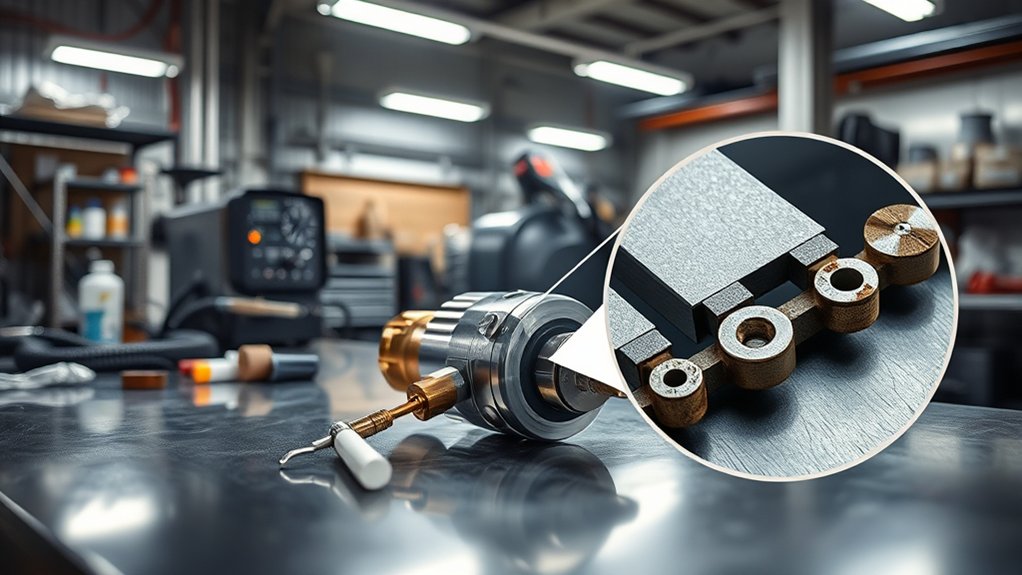
Good preparation starts before the arc is lit. Let the part cool naturally, inspect the edge, and remove anything that can enter the weld puddle. Do not weld over paint, zinc coating, oil, solvent residue, heavy mill scale, or unknown coatings.
- Knock off heavy dross with a chipping tool or grinder.
- Dress the edge with a flap disc or grinding wheel until it is even and bright.
- Brush the joint with a clean brush reserved for that metal type. Use a stainless brush for aluminum or stainless steel.
- Degrease the surface after abrasive work so dust and oil do not stay in the joint.
- Fit and tack carefully so the joint stays aligned before the final TIG pass.
Pro Tip: Clean right before welding. If you grind a plasma-cut edge and leave it exposed, moisture, fingerprints, and fresh oxidation can return before you strike the TIG arc.
Dedicated Plasma Cutter vs. Attachment Use
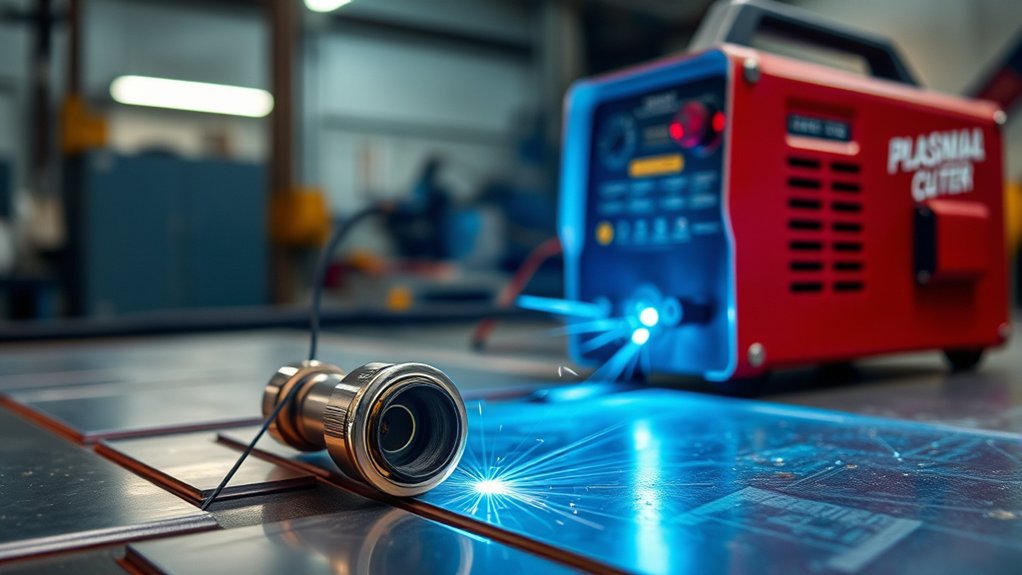
A dedicated plasma cutter is usually the better choice if you cut metal often. It is built for cutting, so the torch, consumables, airflow, pilot arc, cooling, and controls are matched to that job. It also makes it easier to follow the rated clean-cut capacity and duty cycle.
A TIG welder attachment only makes sense when the equipment is designed and approved for it. If it is not listed in the manual, the short-term savings can turn into damaged equipment, rough cuts, or a safety incident.
| Option | Best For | Main Concern |
|---|---|---|
| Dedicated plasma cutter | Frequent cutting, thicker material, cleaner workflow | Higher upfront cost |
| Factory TIG/plasma multi-process unit | Light shop use where the manual supports both modes | Lower capacity or duty cycle than separate pro machines |
| Generic attachment on TIG-only welder | Not recommended | Shock, machine damage, poor cut quality, no support |
Products Worth Considering
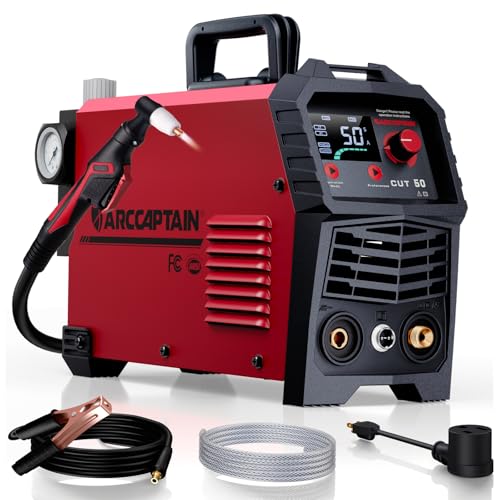
【Powerful Cutting Ability】Switch effortlessly between 110V and 220V for home or workshop use. Achieve professional 1/2" clean cuts on steel, aluminum, and copper with advanced LGBT technology. Perfect for DIY projects and heavy-duty tasks. Recommended maximum cutting thickness: 12mm @ 35A / 110V / 55 PSl; 18mm @ 50A / 220V / 75 PSI. Note: Requires compressed air (compressor sold separately).

【Non-Touch Pilot Arc Function】The ARCCAPTAIN 55A plasma cutter features a pilot arc function. It utilizes a high-frequency non-touch arc starting mode. The torch head does not need to touch the metal plate, reducing energy consumption during non-cutting work, minimizing electrode burning, and extending service life. NOTE: Do not switch voltages until the screen turns off and the fan stops.

[Powerful Cutting Ability] Dual voltage 110/220V good for home, workshop and hardware shop use. Professional performance 1/2" clean cuts on Iron, Steel aluminum and copper with Inverter IGBT Technology. Very powerful for DIY and heavy duty project. The Maximum cutting thickness is recommended to 1/2" @35A 110V 50PSI; 2/3" @50A 220V 65PSI. Dry and compressed air is required. Power breaker up to 60A@110V 35A; Up to 50A@220V 50A.
Optimizing Welding Outcomes Through Proper Preparation
Once you have a safe cutting setup, the next goal is a clean weld. Plasma cutting can leave a usable edge, but TIG welding rewards extra preparation. Clean metal gives you a smoother puddle, steadier arc, and more consistent bead profile.
| Cleaning Tool | Purpose | Benefit |
|---|---|---|
| Grinding Wheel | Remove heavy dross and uneven edges | Better fit-up and smoother puddle control |
| Flap Disc | Blend edges and remove oxide | Cleaner arc starts and better bead appearance |
| Wire Brush | Clear loose surface contaminants | Improved bead consistency |
| Degreaser | Remove oil, fingerprints, and grinding dust | Lower chance of porosity and soot |
If the weld still looks dirty after cleanup, stop and inspect the edge again. Common causes include trapped dross, paint or plating residue, poor gas coverage, damp metal, contaminated filler rod, or a tungsten electrode that touched the puddle.
Frequently Asked Questions
Can a plasma cutter attachment shorten a TIG welder’s lifespan?
Yes, it can if the TIG welder was not designed for plasma cutting. The wrong torch, start circuit, airflow, current load, or duty cycle can overheat parts or damage electronics. Use only attachments and consumables listed by the welder manufacturer.
Are some metals better suited for plasma cutting?
Plasma cutting works on electrically conductive metals such as mild steel, stainless steel, aluminum, brass, and copper. The cut quality and speed depend on the machine amperage, material thickness, gas or air quality, consumable condition, and torch setup. Check the machine’s rated capacity instead of relying on a general speed claim.
Is a combo TIG and plasma machine the same as an attachment?
No. A combo machine is built with a dedicated cutting mode, compatible torch, air input, and internal controls. A generic attachment is an add-on that may not match the machine’s electrical design. A combo unit can be safe when used exactly as the manual directs.
How does attachment cost compare to a dedicated plasma cutter?
An attachment may cost less at first, but the savings can disappear if it cuts poorly, lacks consumable support, damages the welder, or creates safety problems. If you cut often, a dedicated plasma cutter is usually the better long-term value.
What safety precautions should you take with plasma cutting?
Wear a welding helmet or face shield with the correct filter shade, safety glasses, dry welding gloves, flame-resistant clothing, and hearing protection when needed. Keep the area free of combustibles, use ventilation or fume extraction, connect the work clamp to clean metal, and keep suitable fire extinguishing equipment ready.
Can a plasma cutter attachment be used on any TIG welder model?
No. TIG welders vary by output design, torch wiring, start method, connector type, duty cycle, and internal protection. Do not assume compatibility across brands or models. Confirm the exact attachment in the owner’s manual or with the manufacturer.
Conclusion
A plasma cutter attachment for a TIG welder is only worth considering when the welder is a manufacturer-approved multi-process unit with a listed plasma torch and cutting mode. For most TIG-only machines, a generic attachment is not a safe shortcut. A dedicated plasma cutter gives you better cutting performance, clearer ratings, safer controls, and fewer weld-quality problems. After any plasma cut, clean the edge thoroughly before TIG welding so the joint starts with bright, sound metal.
Sources
- OSHA Welding, Cutting, and Brazing Overview — safety standards and hazards for welding, cutting, and brazing operations.
- OSHA 29 CFR 1910.252 General Requirements — fire prevention, guards, extinguishers, and fire watch guidance for welding and cutting.
- OSHA 29 CFR 1910.133 Eye and Face Protection — filter lens guidance for GTAW and plasma arc cutting.
- OSHA Fact Sheet: Controlling Hazardous Fume and Gases during Welding — fume, ventilation, health risks, and cleaning coated surfaces.
- Arc Plasma Torch Modeling — technical background on arc plasma torches used in cutting and welding processes.