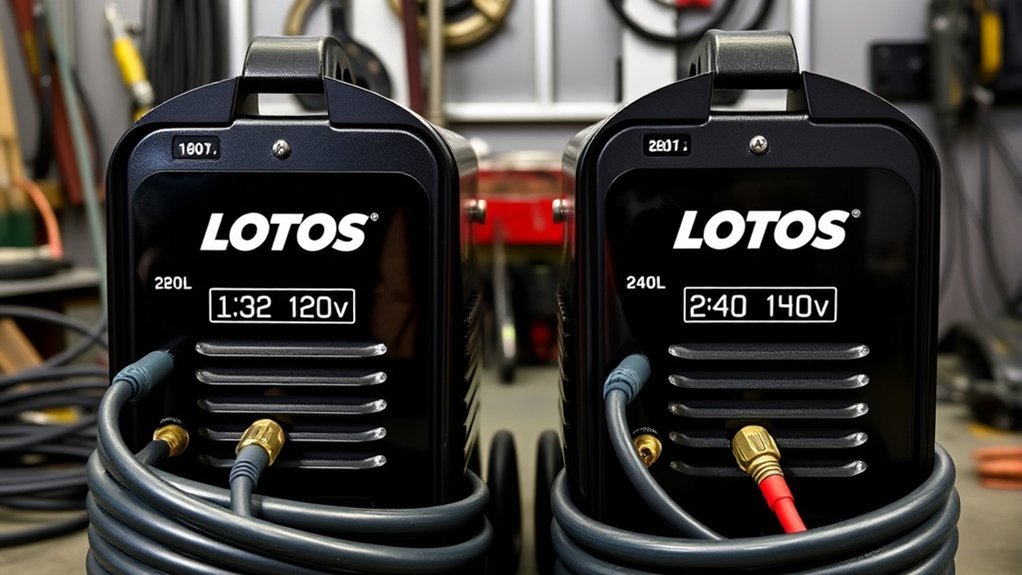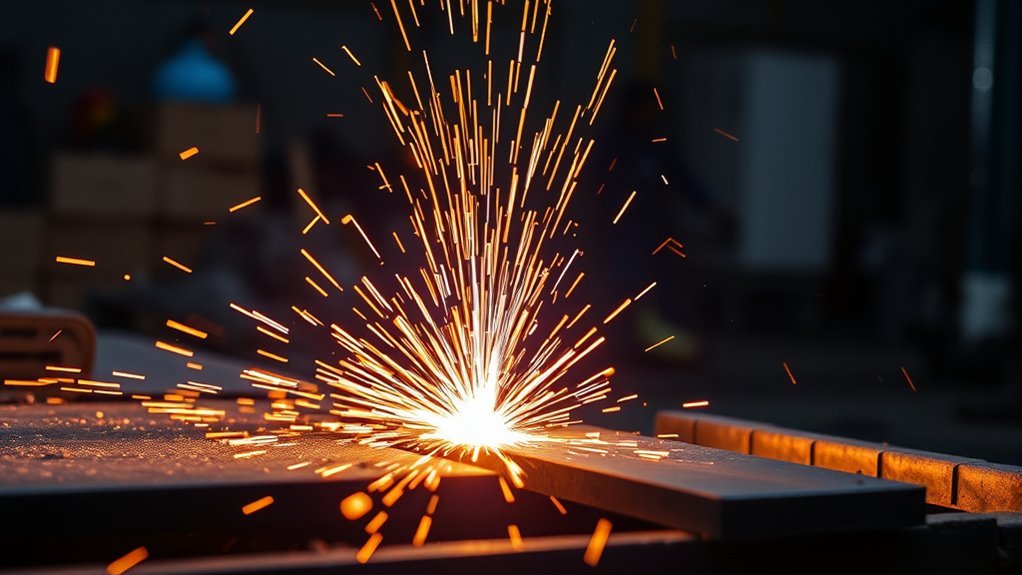
A 120V plasma cutter can handle useful shop cuts, but its power supply sets a hard ceiling. Most 120V machines work best on thin steel, often around 1/8 inch to 1/4 inch, depending on the cutter, circuit, air supply, and cut quality you expect. This guide explains how amperage settings, breaker size, duty cycle, and material thickness affect your results so you can cut safer and with fewer breaker trips.
Quick Answer
A 120V plasma cutter usually works best on sheet metal and mild steel up to about 1/4 inch. Use lower amperage for thin metal and higher amperage for thicker cuts, but stay within your machine’s rated output and circuit limits. For cleaner cuts on 1/2-inch steel or thicker material, a 240V setup usually works better.
Key Takeaways
- Match amperage to the metal thickness instead of using maximum output for every cut.
- Use a dedicated circuit that matches the plasma cutter manufacturer’s electrical requirements.
- Expect a lower duty cycle when you run a 120V plasma cutter near its top output.
- Upgrade to 240V if you need faster, cleaner cuts on thicker steel.
- Wear proper protective gear and keep flammable materials away from the cutting area.
Understanding 120V Plasma Cutter Limitations
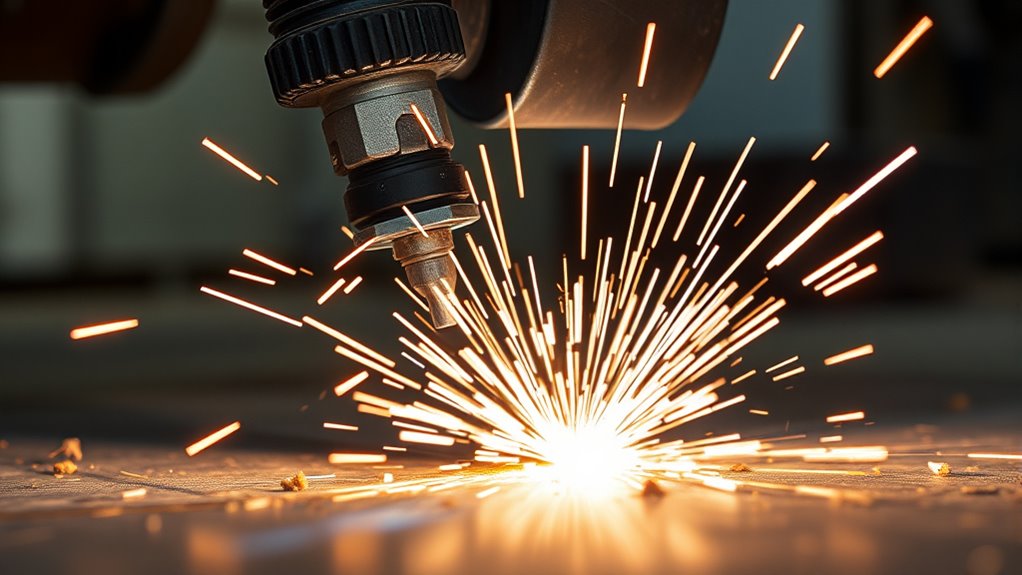
When you use a 120V plasma cutter, the wall outlet and breaker limit how much cutting power the machine can deliver. Many 120V models work well for thin steel, auto body panels, brackets, and light shop work. They struggle more as steel thickness approaches 1/4 inch and beyond.
A standard 120V, 20-amp circuit can also limit long cuts. As you raise amperage, the cutter draws more input power and creates more heat. If the circuit can’t keep up, you may see slow cutting, arc dropouts, or breaker trips.
For thicker metal, a 240V circuit gives the cutter more input power. That extra power helps the machine hold a stable arc, cut faster, and maintain a better duty cycle.
Determining Amperage Needs for Various Thicknesses
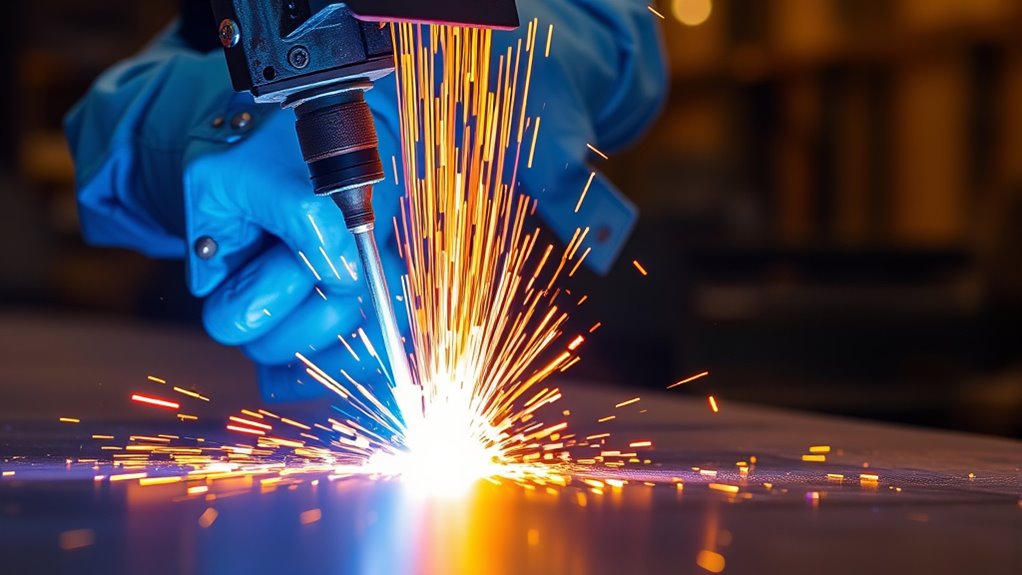
The right amperage depends on material type, thickness, cut speed, air pressure, and torch consumables. Your plasma cutter’s manual should remain your main guide because output ratings vary by model.
As a general rule, thin sheet metal needs less amperage, while thicker plate needs more amperage. Too little amperage leaves rough edges or incomplete cuts. Too much amperage on thin metal can widen the kerf and cause extra heat distortion.
Material Thickness Guidelines
Use these ranges as a starting point, then fine-tune them for your cutter and material:
- Thin sheet metal: Use lower amperage to reduce warping and avoid burning away edges.
- 1/8-inch steel: Many small 120V cutters can cut this thickness with steady travel speed.
- 1/4-inch steel: Use the upper end of a 120V cutter’s rated output and expect slower cuts.
- 1/2-inch steel and thicker: Use a 240V-capable cutter for cleaner, more reliable results.
Aluminum and stainless steel may need different settings than mild steel. Test on scrap metal before you cut finished parts.
Amperage Efficiency Factors
Good cutting performance takes more than a high amp number. You also need dry compressed air, clean consumables, proper ground contact, and a steady torch height.
On a 120V circuit, efficiency matters because you have less input power available. Running the cutter at its maximum setting for long cuts can shorten the duty cycle and increase heat inside the machine.
Pro tip: If the arc sputters or the cut leaves heavy dross, check air pressure and consumables before raising amperage.
Optimal Settings Chart
A simple settings chart helps you start close to the right range. Adjust travel speed, amperage, and air pressure until the sparks exit from the bottom of the cut.
| Material Thickness | Typical 120V Use | Practical Guidance |
|---|---|---|
| Thin sheet metal | Good | Use lower amperage and move steadily to limit heat distortion. |
| 1/8 inch | Good | Most 120V cutters can handle this with clean air and good consumables. |
| 1/4 inch | Possible but slower | Use the machine’s rated output and expect more cleanup on the edge. |
| 1/2 inch or thicker | Not ideal | Choose a 240V setup for better cut quality and fewer interruptions. |
Never use a generic chart as a replacement for the manufacturer’s settings. The torch design and power supply affect the correct setup.
Selecting the Right Breaker for Your Plasma Cutter
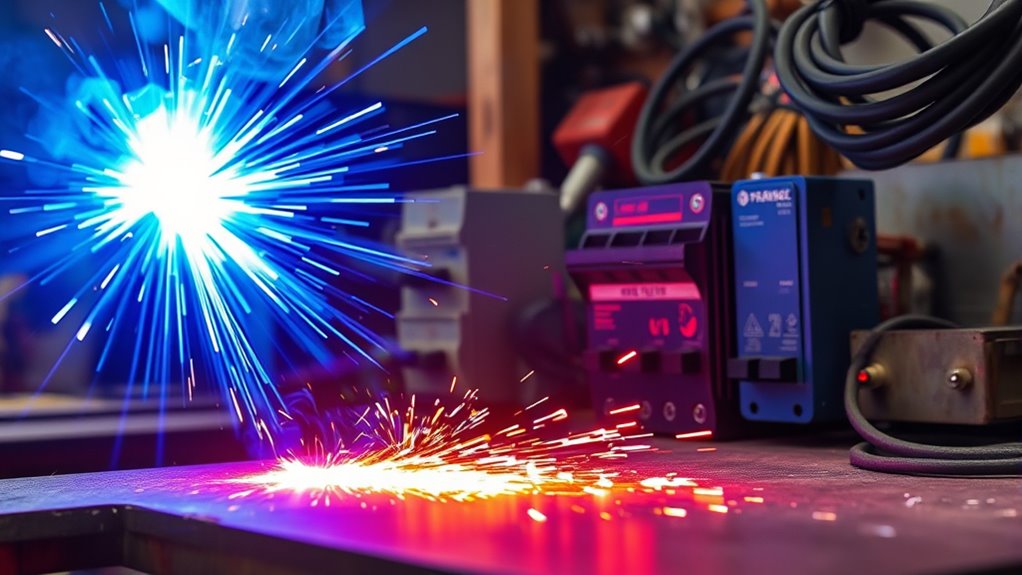
Select the breaker and wiring based on the plasma cutter manual and your local electrical code. The breaker protects the circuit wiring, so you should not install a larger breaker just to stop nuisance trips.
Many small 120V cutters require a dedicated 20-amp circuit. Larger dual-voltage cutters often need a 240V circuit for their full output. If your cutter lists different input requirements for 120V and 240V, follow those ratings exactly.
If your plasma cutter trips a breaker, the answer may involve a dedicated circuit, shorter extension cord, lower output setting, or 240V upgrade. Ask a licensed electrician to check the circuit if you feel unsure.
Warning: Do not oversize a breaker unless the wire size and equipment rating support that change.
Products Worth Considering

Single pole, 20 Amp, 120V type QP Circuit Breaker

POWER PROTECTION - This thermal magnetic circuit breaker provides protection for residential and commercial electrical systems. ABB's 20A single-pole breaker protects again electrical faults to enhance safety.

20A Circuit Breaker w/Manual Reset: Visible reset lever shows open condition, unique push button reset Can also be used as a kill switch; Button on circuit breaker can act as a master disconnect for circuits
Enhancing Cutting Performance With Higher Amperage
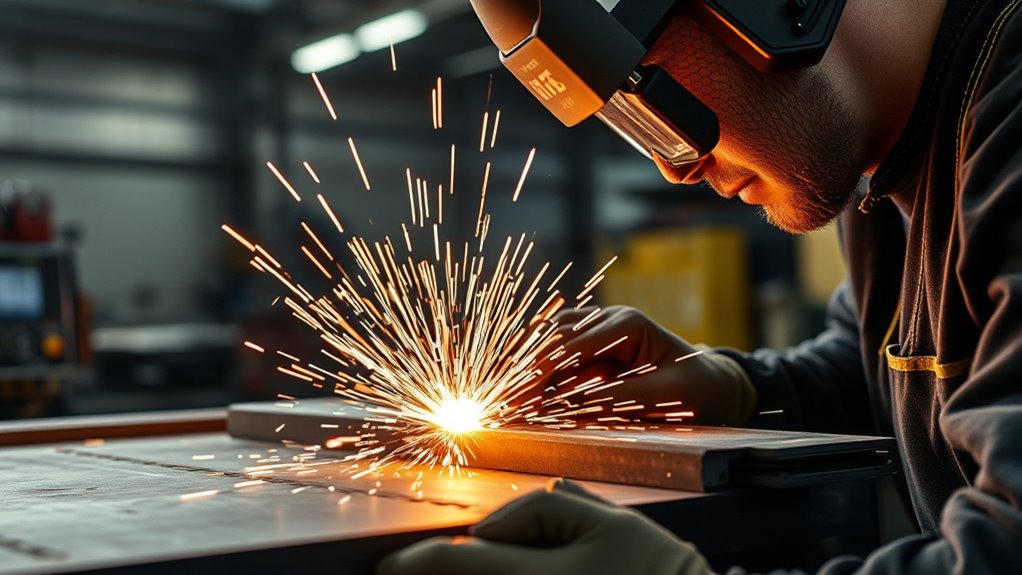
Higher amperage can improve cutting speed and edge quality when the material needs it. It helps the plasma arc cut through thicker metal with less drag and less slag.
Higher amperage does not fix every problem, though. Worn electrodes, wet air, poor ground contact, and slow travel speed can still leave rough cuts.
Use these steps to improve performance without overloading the cutter:
- Match amperage to thickness: Use enough power to pierce and cut the metal without excessive dross.
- Keep the arc stable: Maintain proper torch height and clamp the work lead to clean metal.
- Control travel speed: Move fast enough to avoid heat buildup but slow enough to cut fully through.
- Stay within the rating: Let the cutter cool when you reach the duty cycle limit.
Products Worth Considering
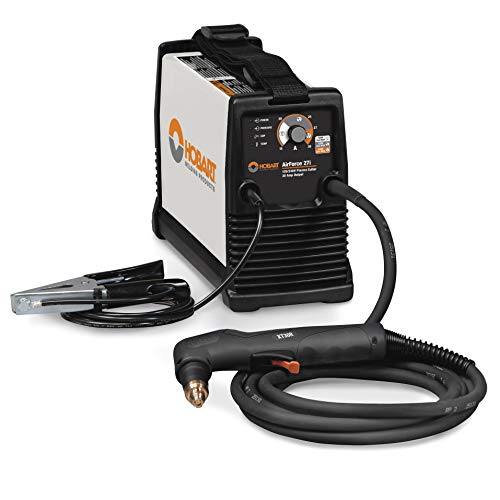
Dual-voltage capability with MVP (multi-voltage plug)- allows you to connect to common 120 or 240 V power receptacles without the use of any tools - simply choose the plug that fits the receptacle.

【Non-Touch Pilot Arc Function】The ARCCAPTAIN 55A plasma cutter features a pilot arc function. It utilizes a high-frequency non-touch arc starting mode. The torch head does not need to touch the metal plate, reducing energy consumption during non-cutting work, minimizing electrode burning, and extending service life. NOTE: Do not switch voltages until the screen turns off and the fan stops.

CUTTING THICKNESS UP TO 20MM: Featuring a brand-new MCU technology upgrade, the plasma cutter machine has a high degree of internal integration, combining full digitalization for more precise control of cutting parameters such as current and voltage. This results in better cutting effects and improved stability. Cutting thickness: Quality 12mm (1/2"), maximum 20mm (3/4").
Managing Duty Cycle Constraints on 120V Systems
A duty cycle tells you how long the cutter can run within a 10-minute period before it needs cooling time. A 30% duty cycle means you can cut for about three minutes, then let the machine cool for about seven minutes.
On 120V power, many plasma cutters have a lower duty cycle at higher output settings. Long cuts at maximum output can make the machine overheat or shut down until it cools.
You can manage duty cycle by making shorter cuts, lowering amperage when possible, and keeping the air intake clear. If duty cycle limits slow your work often, move to a higher-capacity 240V setup.
Safety Precautions for Plasma Cutting on 120V
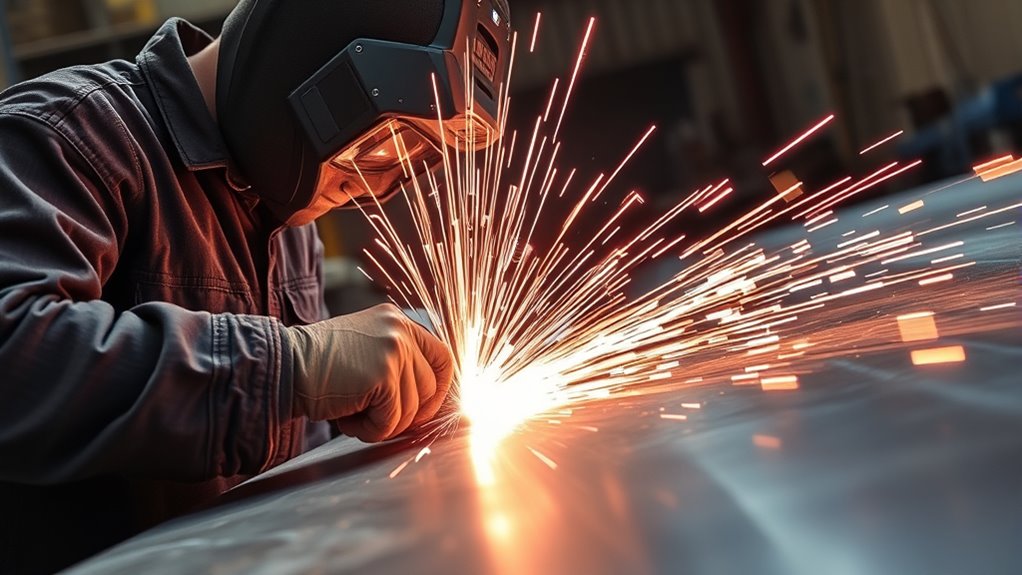
Plasma cutting creates intense light, sparks, hot metal, fumes, and sharp edges. Treat a 120V machine with the same care you would give a larger shop cutter.
Before you cut, check the torch, ground clamp, air hose, power cord, and consumables. Keep the work area dry, clear, and well ventilated.
Essential Protective Gear
Wear personal protective equipment (PPE) before you start the arc. At minimum, use:
- Eye and face protection: Use safety glasses and a proper cutting shade or face shield.
- Hand protection: Wear heavy-duty gloves that resist heat and sharp edges.
- Body protection: Wear flame-resistant clothing that covers your arms and legs.
- Foot protection: Wear leather or reinforced boots to guard against hot metal drops.
Avoid synthetic clothing because sparks can melt it. Keep loose sleeves, cords, and rags away from the cutting path.
Electrical Safety Measures
Plug the cutter into a properly grounded outlet that matches the manufacturer’s input rating. Avoid light-duty extension cords because voltage drop can reduce performance and heat the cord.
Keep the work clamp on clean metal near the cut. A poor connection can cause arc problems and raise the chance of electrical faults.
Do not cut in wet conditions. Water increases shock risk and can make the work area unsafe.
Proper Handling Techniques
Cut parts stay hot after the arc stops. Use pliers or gloves when you move fresh-cut metal, and set hot parts on a safe surface.
Support large pieces before you finish the cut. Dropped metal can damage the torch, bend the workpiece, or injure your feet.
Let the machine cool when the fan runs after a cut. That cooling time helps protect the torch, power supply, and internal parts.
Upgrading Power Supply for Improved Cutting Capacity
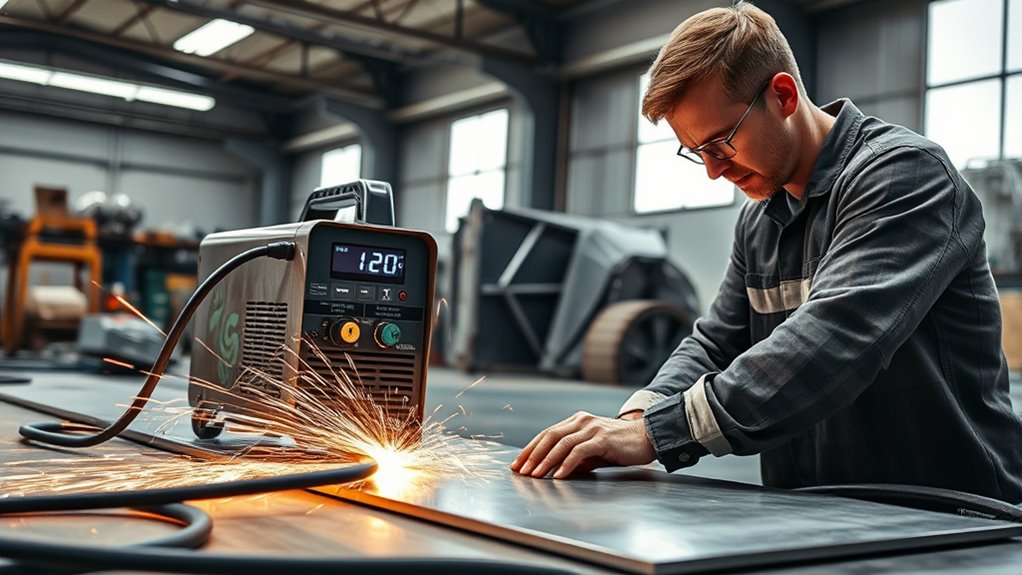
A power supply upgrade can make a major difference if you often cut thicker material. A 240V circuit allows many dual-voltage plasma cutters to reach higher output than they can on 120V.
That extra input power can improve arc stability, speed, duty cycle, and cut quality. It can also reduce nuisance breaker trips when you use the machine within its rated limits.
Install a dedicated circuit for your plasma cutter to reduce overload risk and support steady cutting performance.
Before you upgrade, read the machine label and manual for input amperage, breaker size, plug type, and wiring needs. Use a licensed electrician for new circuits or panel changes.
Frequently Asked Questions
Can Plasma Cutters Work With Generators on 120V?
Yes, some plasma cutters can run from a generator on 120V. The generator must meet the cutter’s wattage and amperage needs, and it should hold stable voltage under load.
How Does Ambient Temperature Affect Cutting Performance?
High ambient heat can shorten the duty cycle because the cutter has less cooling margin. Keep the vents clear, avoid direct sun when possible, and let the machine cool between long cuts.
What Is the Lifespan of a 120V Plasma Cutter?
A 120V plasma cutter’s lifespan depends on build quality, use, maintenance, air quality, and storage conditions. Clean consumables, dry air, and good ventilation help the machine last longer.
Are There Any Portable 120V Plasma Cutters?
Yes, many portable plasma cutters run on 120V power. These lightweight models suit field repairs, light fabrication, hobby work, and jobs where you only have a standard outlet.
How Do Consumables Impact Cutting Quality on 120V?
Consumables have a direct effect on arc quality and cut shape. Worn electrodes or nozzles can cause a wandering arc, heavy dross, wider kerf, and poor edge finish.
Can a 120V Plasma Cutter Cut 1/2-Inch Steel?
Some machines may sever 1/2-inch steel slowly, but most 120V cutters won’t make clean production cuts at that thickness. For repeated 1/2-inch cuts, use a cutter that can run on 240V.
Conclusion
A 120V plasma cutter works best when you match the metal thickness, amperage, duty cycle, and circuit capacity. Use it for thin steel and light shop work, then move to 240V when thicker material becomes routine. Check your manual before you change breakers, cords, consumables, or output settings. With the right setup, you’ll get cleaner cuts, fewer interruptions, and safer results.