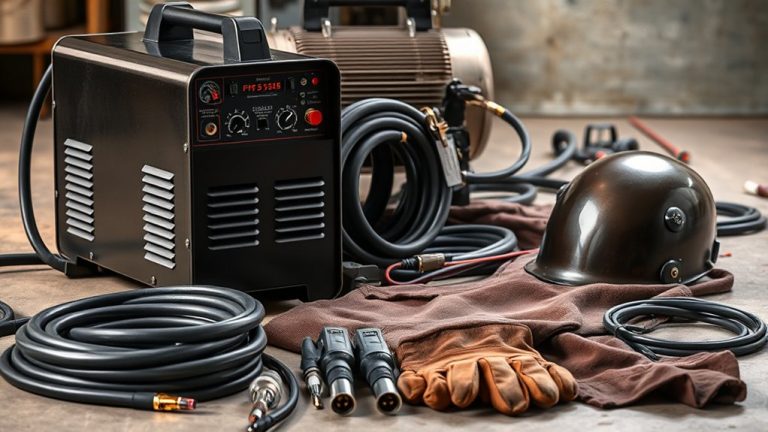
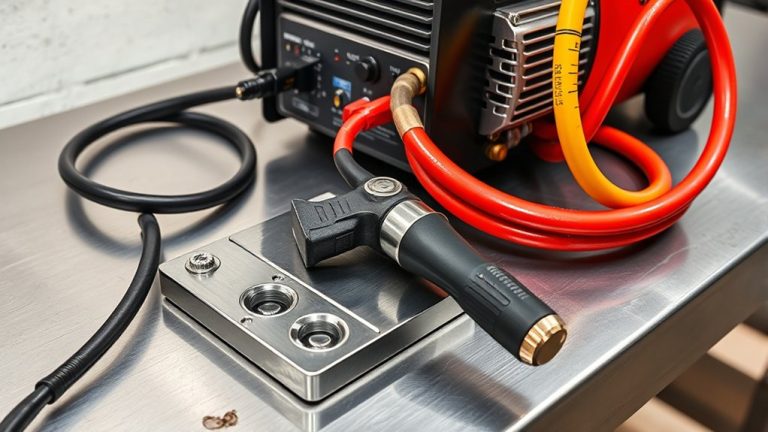
When setting up a plasma cutter shop, you want a layout that promotes efficiency and safety. Start by placing cutting stations strategically. Make sure there is plenty of space for material handling. Ventilation is crucial. Implement fume extraction and filtration systems to protect indoor air quality. Do not overlook electrical requirements. Secure connections are necessary for cutter performance. A reliable air supply, through a robust compressor, supports consistent operations. How do you make sure every detail meets safety standards?
Quick Answer
- Layout: Keep cutting stations clear of hazards and ensure easy material flow.
- Ventilation: Use downdraft or water tables with proper exhaust to meet safety standards.
- Power & Air: Match electrical specs to your machine and provide clean, dry air at 60 to 100 psi.
- Safety: Follow OSHA guidelines, wear proper gear, and train all operators.
Planning the Shop Layout
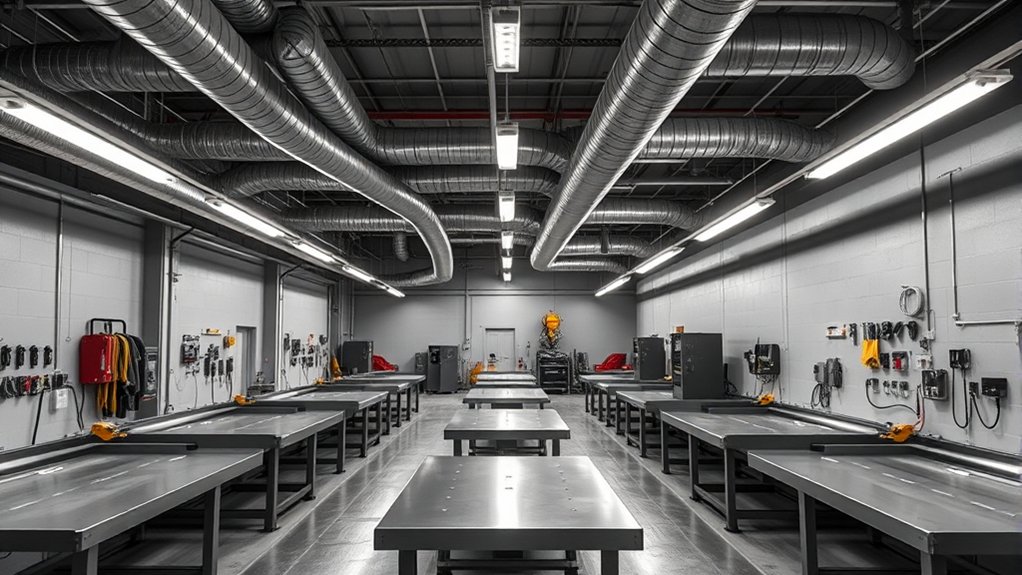
When you plan the shop layout for your CNC plasma cutter, pick a dedicated area free of potential hazards. This creates a safer work environment.
Focus on equipment placement by looking for hazards like flammable materials or cluttered spaces. These issues hurt safety and efficiency. Position your CNC plasma cutter for easy access. Make sure there is plenty of room for material handling and operator movement.
Organize the workspace to limit distractions. This helps operators focus and lowers the chance of accidents.
Strategically place equipment like air compressors and tables for a streamlined workflow. Keep these items easy to reach so you can maintain efficiency.
Ensuring Adequate Ventilation
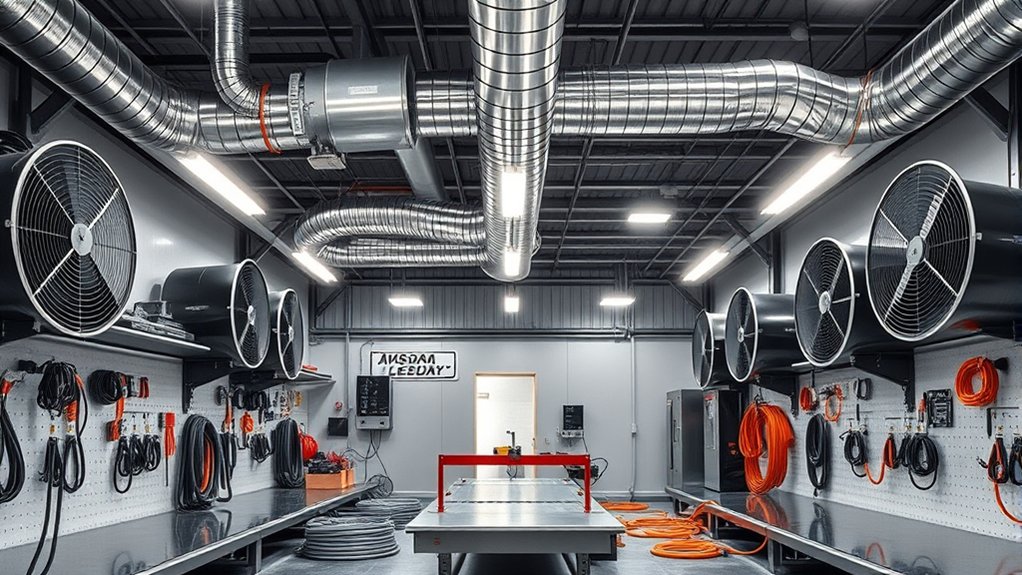
Proper ventilation is a major part of any plasma cutting setup. It keeps the work environment safe and healthy.
Ensuring proper ventilation is crucial for maintaining safety and health in plasma cutting environments.
You need to remove harmful fumes, dust, and gases. These byproducts pose serious health risks. Installing fume extraction systems and air filters is critical to meet OSHA regulations for welding and cutting.
Use downdraft or water tables as engineering controls to stop air contamination. Make sure your downdraft tables have the right airflow rate. A 2×2 ft table needs about 1,000 CFM, while a larger 4×8 ft table needs up to 7,000 CFM.
Regular air quality monitoring and equipment maintenance protect workers from breathing hazards.
Install fans and exhaust systems to improve air quality. This approach lowers the need for heavy personal protective equipment and boosts overall productivity.
Setting Up Electrical Systems
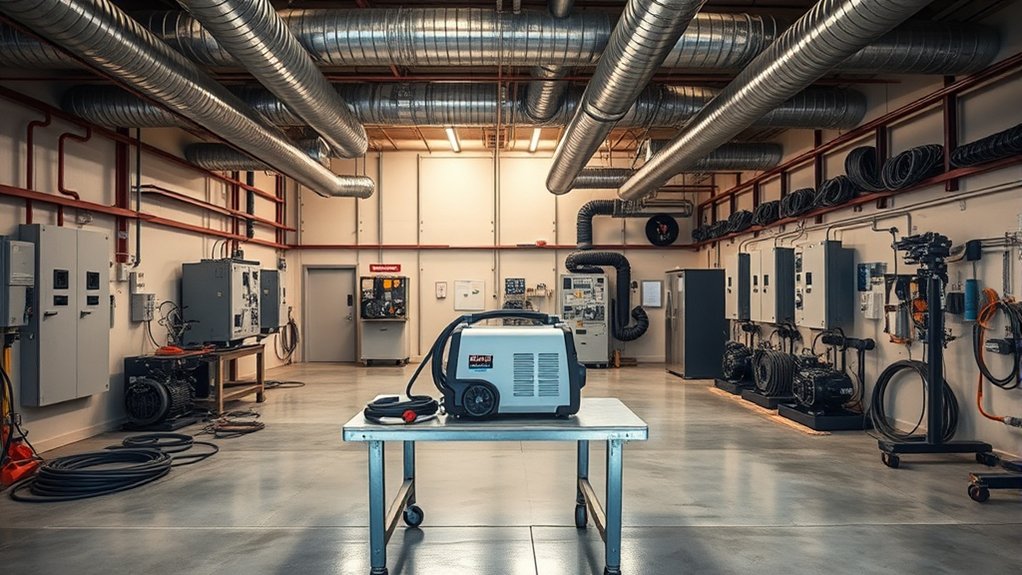
After securing a safe environment with good ventilation, focus on a reliable electrical system. Check that your CNC plasma cutter connects to a power supply matching its specific voltage and amperage needs. This prevents overloading and ensures smooth operation.
Inspect power connections regularly. Consistent electrical maintenance helps you avoid unexpected failures. Set up all electrical components, including the power supply, circuit breaker, and CNC controller, before you start the cutter. This ensures each part is powered correctly.
Do routine inspections for wear or damage. Replace any faulty components right away to maintain safety and performance.
Proper Grounding for CNC Systems
CNC plasma cutters generate significant electrical noise. Proper grounding prevents this high-frequency interference from disrupting your machine’s electronics. Install a dedicated earth ground rod close to the cutting table. Connect the star ground point of your system directly to this rod using heavy-gauge copper wire. This step protects your controller and ensures precise cuts.
Establishing Reliable Air Supply
To get a reliable air supply, connect the machine to a compressor that delivers steady air pressure. This normally ranges from 60 to 100 psi based on your cutter’s specs. Make sure the compressor meets the required cubic feet per minute (CFM) output. Most plasma cutters need between 5 and 10 CFM. Check air connections often to stop leaks and maintain good cutting performance.
Control moisture by installing air filters and moisture separators in the line. This keeps water and dirt out of the cutting process. Adjust air pressure settings based on the material type and thickness. This step greatly impacts cut quality and speed.
| Key Component | Function |
|---|---|
| Air Compressor | Provides necessary air pressure (60-100 psi) |
| Air Filters | Removes contaminants and moisture from the line |
| Pressure Settings | Adjust based on material type and thickness |
With the right setup, your plasma cutter will perform well and last longer.
Organizing Cutting Stations and Materials
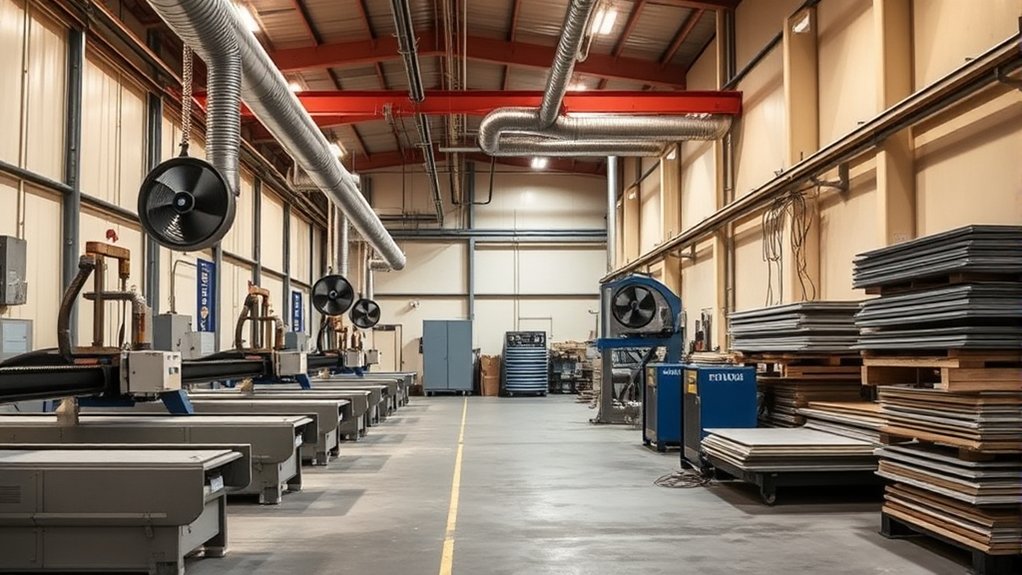
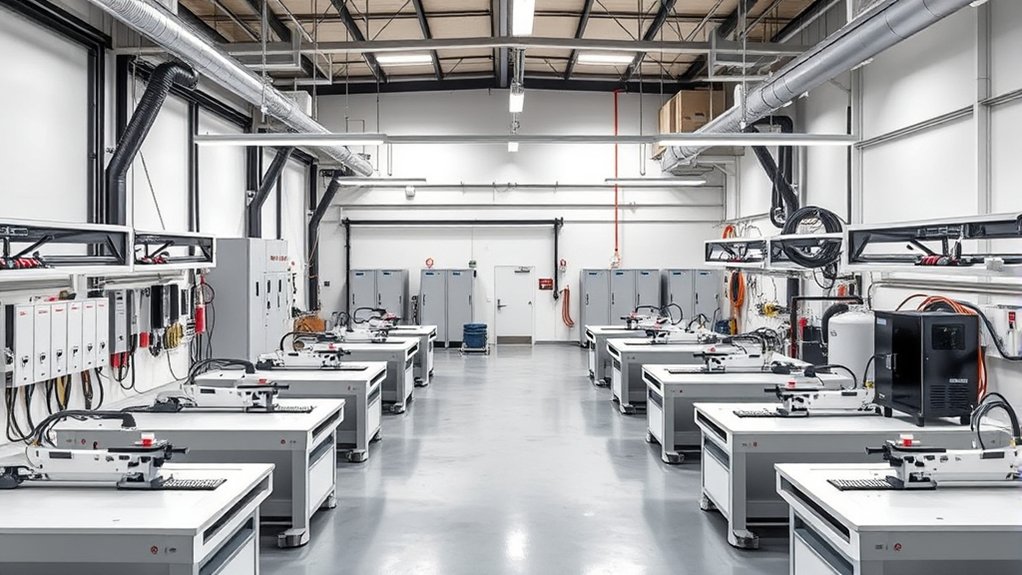
To maximize efficiency, organize your cutting stations with a focus on space utilization. Group similar materials and tools together.
Use material handling techniques that assign specific zones for raw materials, finished parts, and scrap. This improves both safety and access.
Equip each station with enough power and air. Create a clear labeling system to speed up operations and improve worker communication.
Efficient Space Utilization
Setting up a plasma cutter shop means making the most of your space.
Start by marking specific areas for cutting, storage, and tools. This streamlines workflow and reduces extra walking.
Use vertical storage solutions for sheet metal to save floor space. It keeps cutting areas clear and makes materials easier to grab.
Put your cutting stations near power and air sources. This reduces cable and hose lengths, which improves safety.
Create a logical layout so materials flow easily from storage to the cutting table. This reduces shop congestion.
Review your layout often and adjust it as your needs change.
- Designated areas for specific tasks
- Vertical storage for space-saving
- Nearby power and air sources
- Logical, congestion-free layout
- Routine layout reviews and adjustments
Material Handling Techniques
Once you have an efficient shop layout, focus on material handling techniques.
Start by assigning specific spots for loading, cutting, and unloading. This streamlines material flow and cuts down on wasted movement.
Use a color-coded labeling system to identify materials quickly. Strategic equipment placement ensures smooth operations. Use vertical storage racks to maximize space and keep different material types within easy reach.
Create a clear, unobstructed pathway for moving materials. This ensures efficient handling and lowers the risk of accidents.
Clean your cutting surfaces and equipment regularly. This prevents contamination and keeps your workflow seamless.
Safety and Accessibility
When organizing cutting stations, leave plenty of space around each one. Operators need room for safe movement and material handling. This lowers accident risks and improves safety.
Store materials in easily accessible locations. This streamlines your workflow and saves time. Use a clear labeling system for tools and materials to maintain order.
Design your layout for efficient material flow. Position stations near loading areas. Regularly review and adjust your setup based on operator feedback to keep improving safety.
- Ascertain ample space for safe movement.
- Store materials for quick access.
- Use a clear labeling system.
- Design for efficient material flow.
- Regularly review and adjust layout.
Safety Considerations and Compliance
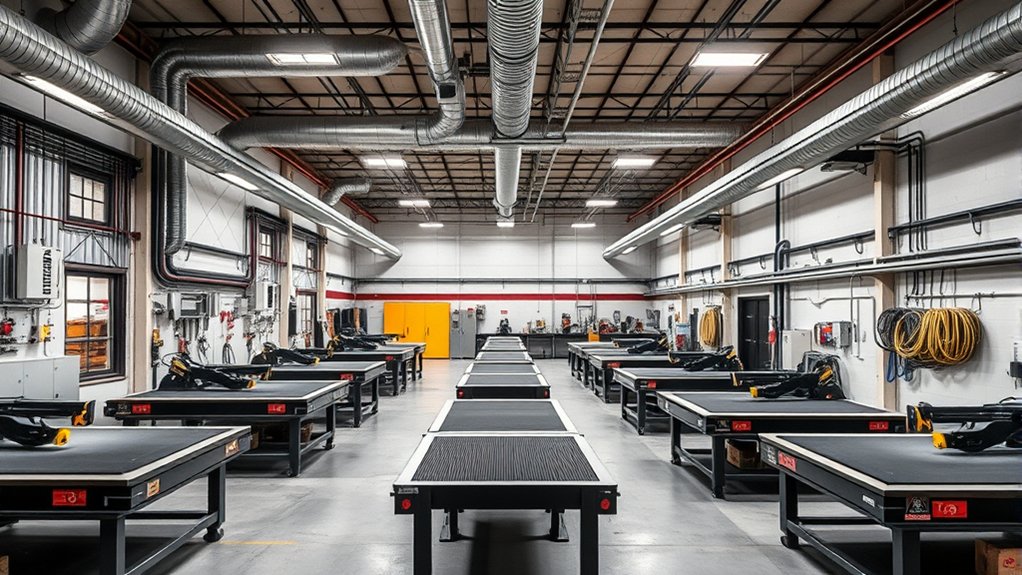
To keep your plasma cutter operations safe, you must comply with OSHA standards. Effective ventilation systems are especially important to prevent air contamination.
Start with a thorough hazard assessment to find potential risks. Look into engineering controls like enclosed workspaces or using less toxic materials. If those options are not possible, OSHA requires you to provide respiratory protection. This shields workers from airborne hazards.
Ensure your team gets full safety training. They need to know how to operate fume extraction methods like downdraft and water tables.
These systems are critical for reducing exposure to metal dust and fumes. Monitor air quality and ventilation regularly to maintain a safe workplace and prevent health risks.
Frequently Asked Questions
How Do I Choose the Right Plasma Cutter for My Shop Size?
Assess your shop’s cutting needs and match them with plasma cutter types. Choose a machine that can handle your material’s maximum thickness. Look at machine size and power needs compared to your available space.
What Are the Best Practices for Maintaining a Plasma Cutter?
Inspect your plasma cutter torch and cables regularly to check for damage. Follow plasma maintenance tips by cleaning and replacing consumables like electrodes and nozzles. Check airflow often to prevent overheating and maintain consistent performance.
How Can I Minimize Noise Pollution in My Plasma Cutter Shop?
You can minimize noise by using soundproofing techniques like acoustic panels and noise barriers. Seal gaps in walls, doors, and windows. Use noise-dampening materials on floors and ceilings for effective sound control.
What Is the Estimated Cost for Setting up a Plasma Cutter Shop?
Startup costs usually range between $10,000 and $50,000. Set aside a budget for the plasma cutter, safety gear, and consumables. Factor in electrical upgrades, air systems, and ventilation for a complete setup.
Are There Industry-Specific Regulations for Plasma Cutter Shops?
Yes, you must follow industry regulations. Safety standards require proper ventilation, electrical setups, and material handling procedures. Make sure you understand OSHA guidelines and NFPA codes to maintain safe operations.
Wrapping Up Your Shop Setup
You are ready to get your plasma cutter shop running, but safety and compliance tie everything together. With a strategic layout, robust ventilation, precise electrical systems, and a dependable air supply, your shop is built for success. The true key is proactive management. Regular maintenance and a strict focus on safety will prevent overlooked hazards from causing delays. Stay vigilant, keep your equipment in top shape, and your shop will operate smoothly and safely.