Plasma cutting mild steel gets messy fast when your feed rate does not match the metal thickness. Thin sheet can warp from too much heat, while thick plate needs a slower, steadier cut to avoid heavy dross. This guide explains how to set a practical starting speed, adjust amperage, manage pierce height, and make cleaner cuts on common mild steel gauges.
Quick Answer
Use faster feed rates on thin mild steel and slower feed rates as the steel gets thicker. Start with your plasma cutter’s cut chart, then test on scrap and adjust speed until the arc cuts cleanly with minimal dross.
Key Takeaways
- Match feed rate to steel thickness before you judge cut quality.
- Use the manufacturer’s cut chart as your first reference for amperage, air pressure, and speed.
- Keep the torch height steady to reduce bevel, dross, and consumable wear.
- Use clean, dry air to protect the arc and extend consumable life.
- Test every setting on scrap before cutting your finished part.
Understanding the Basics of Plasma Cutting on Mild Steel
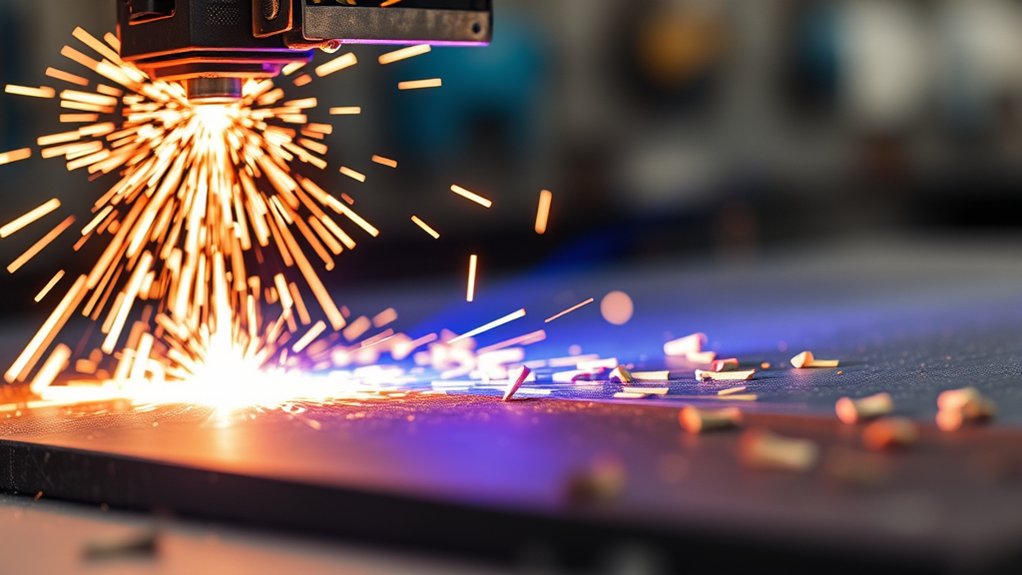
When you cut mild steel with plasma, the torch creates a high-heat arc that melts the metal and blows the molten material out of the kerf. A good cut depends on more than speed. You also need the right amperage, air pressure, torch height, and consumables for the thickness you plan to cut.
Feed rate, measured in inches per minute (IPM), changes with material thickness. Thin sheet can usually handle faster travel, while thicker steel needs a slower pass so the arc can cut through the full plate.
Use the settings in this article as broad starting points, not as fixed rules. Your exact settings depend on your plasma cutter, consumables, torch type, air supply, and the quality standard you need.
Why Cutting Speed Changes With Steel Thickness
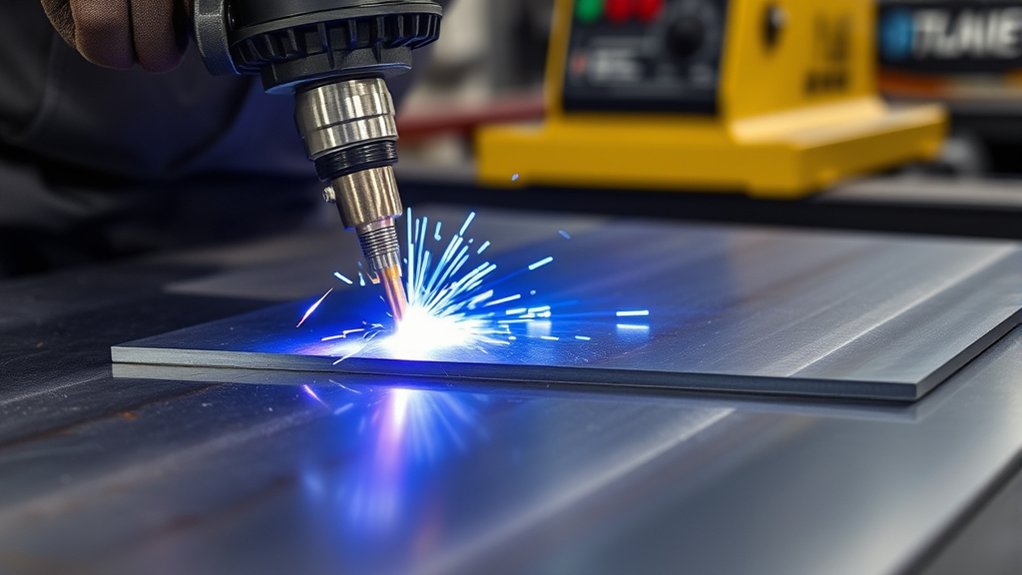
Steel thickness controls how much heat the cut needs. If you move too fast, the arc may not fully pierce the steel, and the cut can show lag lines, bevel, or rough edges.
If you move too slowly, you add excess heat. That can widen the kerf, increase dross, and warp thinner material.
Higher amperage often allows faster travel on thicker steel, but it also increases heat. Use your machine’s cut chart to balance speed, amperage, and air pressure for the best result.
Warning: Wear a welding helmet or proper shade eye protection, gloves, flame-resistant clothing, and boots before you cut.
Starting IPM for 24GA Mild Steel
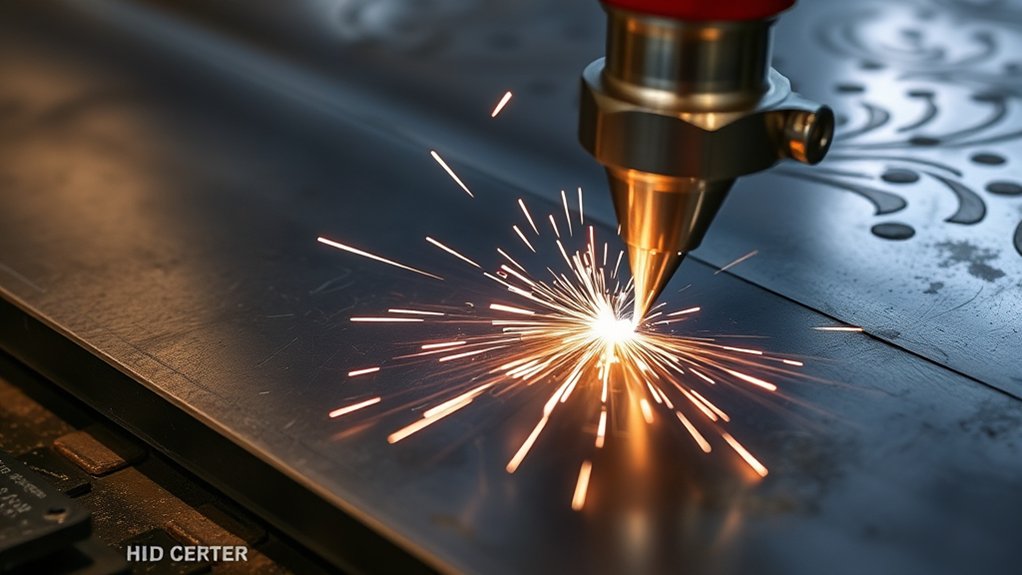
For 24GA mild steel, start with a fast feed rate and low heat input. A typical starting point may sit near 205 IPM, but your machine’s cut chart should guide the final setting.
Keep the torch moving smoothly. Thin sheet reacts quickly to heat, so hesitation can cause warping, edge burn, or a wider kerf.
Use a pierce height near the manufacturer’s recommendation. Many setups use a pierce height around 0.125 inches for thin sheet, but your torch and consumables may require a different value.
- Use clean, dry air to protect the arc.
- Clamp thin sheet to reduce vibration and movement.
- Test your feed rate on scrap before cutting the final part.
- Watch the dross pattern to fine-tune travel speed.
Products Worth Considering
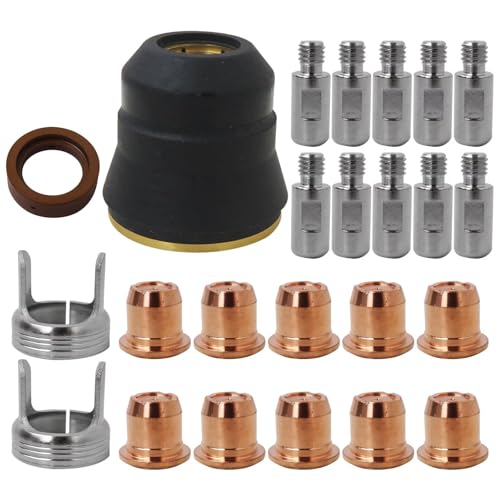
Bracket: To help you better cut the workpiece easily and smoothly

[Achieve Precise Cuts] PT31 Plasma Cutting Consumables – Your Essential Tool for Efficient Cutting! Whether you're working with sheet metal, steel, or any other material, superior cutting performance ensure clean, accurate, and smooth cuts.

Item Package Quantity: The package contains 20pcs S25/S45 plasma cutting consumables electrode PD0110 & PD0116-08 tips/nozzles
Recommended Speed for 20GA Mild Steel
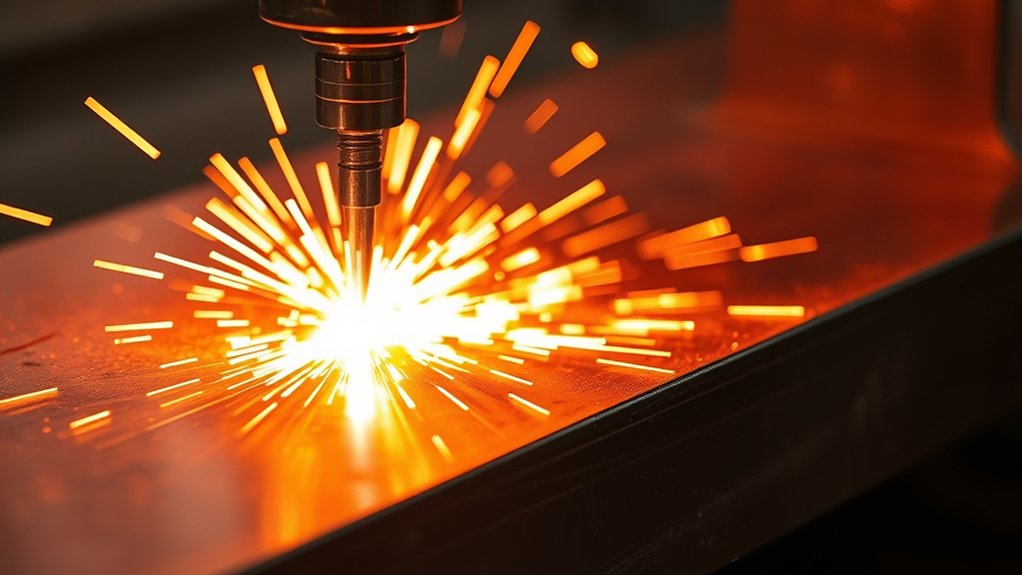
For 20GA mild steel, start near 190 IPM if your machine and consumables support that range. Run a short test cut, then inspect the edge and underside before you cut the finished piece.
If the arc fails to cut through, slow the feed rate slightly or check your amperage and air pressure. If you see heavy dross and a wide kerf, your speed may be too slow or your heat may be too high.
| Parameter | Starting Setting | Purpose |
|---|---|---|
| Feed Rate | About 190 IPM | Supports fast cutting on thin sheet |
| Amperage | Use the machine cut chart | Matches power to material thickness |
| Air Pressure | Use the machine cut chart | Maintains arc stability |
| Pierce Height | About 0.125 inches, if specified | Reduces wear on consumables |
| Material | 20GA Mild Steel | Keeps settings tied to the workpiece |
Products Worth Considering

AG-60/SG55 Slotted Cup Roller Guide——The upgrade Plasma torch roller guide can fit AG-60 torch/ SG55 torch,ensuring optimal balance during cutting

Package includes: 5pcs wire guide, 5pcs shield cup, 10pcs 1.0 nozzle, 10pcs 1.2 nozzle, 20pcs electrode.
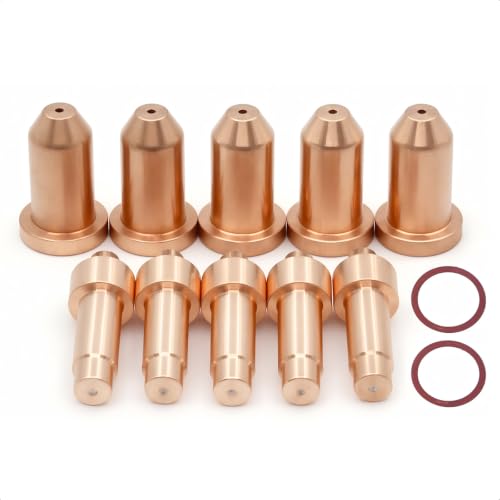
Use With Torch Model: Hobart Airforce 27i 40i Plasma Cutter XT30R XT40R Torch
Adjusting IPM for 16GA Thickness
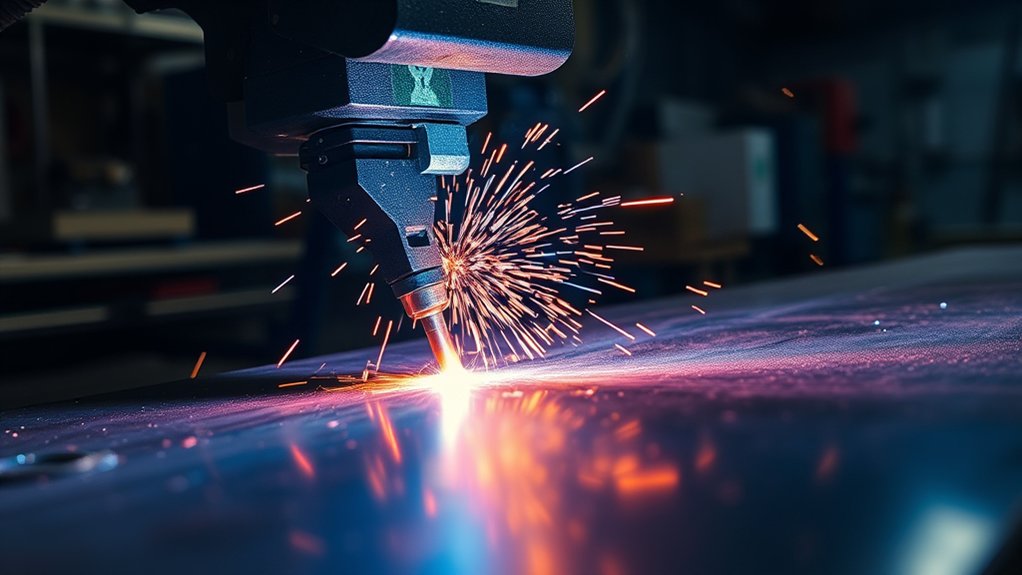
For 16GA mild steel, start near 150 IPM. This slower pace gives the arc more time to cut through the added thickness without forcing too much heat into the part.
Check the underside of your test cut. Light, easy-to-remove dross often means you are close, while thick stuck dross usually means you need to adjust speed, height, or power.
- Set feed rate near 150 IPM as a starting point.
- Hold a steady torch height through the full cut.
- Use the cut chart for amperage and pressure.
- Check consumables if cut quality drops suddenly.
Speed Considerations for 14GA Mild Steel
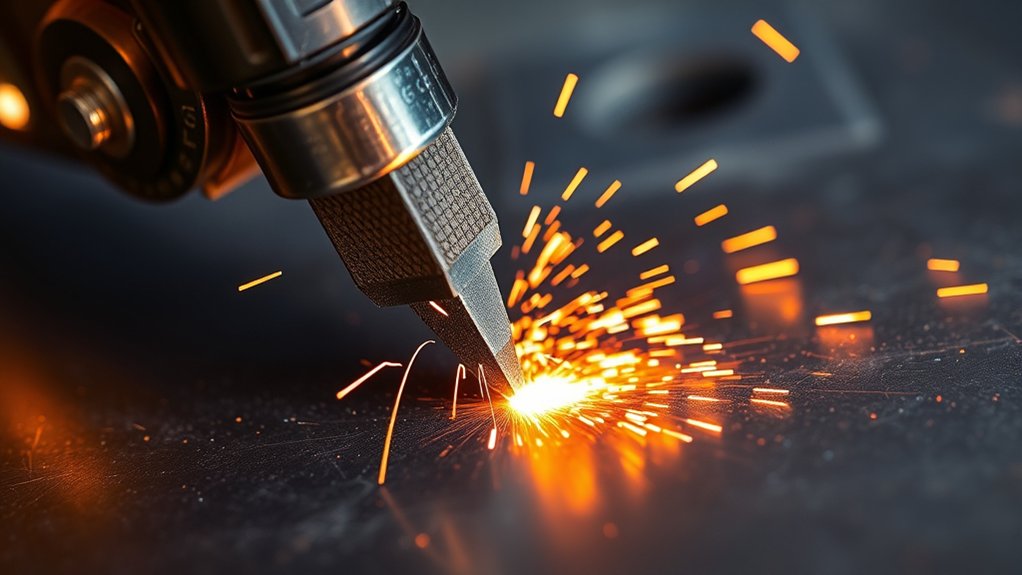
For 14GA mild steel, start near 105 IPM and adjust from there. This range can help control heat while still allowing a clean cut through the thicker sheet.
Do not rely on speed alone. The amperage, torch height, air pressure, and consumable condition all affect edge quality.
Keep your pierce height consistent and follow the torch manufacturer’s guidance. Poor pierce height can shorten consumable life and leave a rough start point.
Best Practices for Cutting 1/2 Inch Mild Steel
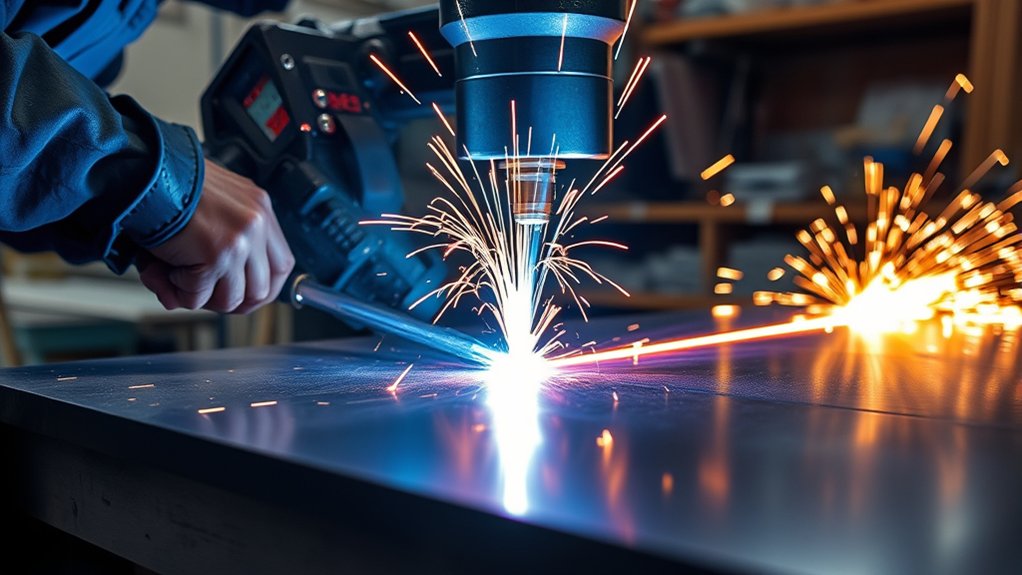
Cutting 1/2 inch mild steel requires more power, slower travel, and careful setup. Start with your plasma cutter’s rated cut chart because machines vary widely at this thickness.
A slow feed rate near 1.2 IPM may apply to some setups, but many modern plasma systems use different speeds. Always test on scrap from the same material before you cut the final part.
Maintain steady standoff distance and use clean, dry air. These two habits help you reduce dross, bevel, and arc instability.
Optimal Cutting Speed
For 1/2 inch mild steel, the best cutting speed depends on your machine’s output and consumables. If the arc trails behind the torch or leaves uncut spots, your speed is too fast.
If the cut leaves heavy slag on the bottom edge, your speed may be too slow or your torch height may be off. Make one change at a time so you know which setting improved the cut.
Pro tip: Record your best settings for each thickness so you can repeat clean cuts later.
Amperage and Voltage Settings
Use the amperage range listed for your plasma cutter, torch, and consumables. Most plasma cutters specify cutting amps in whole amps, not fractions of an amp.
Stable voltage helps keep the arc consistent during the cut. If your machine uses automatic torch height control, confirm that the voltage setting matches the manufacturer’s guidance.
| Setting | Best Practice |
|---|---|
| Amperage | Use the machine cut chart |
| Air Pressure | Use the machine cut chart |
| Pierce Height | Use the torch manufacturer’s recommendation |
Factors Influencing Cutting Speed and Precision
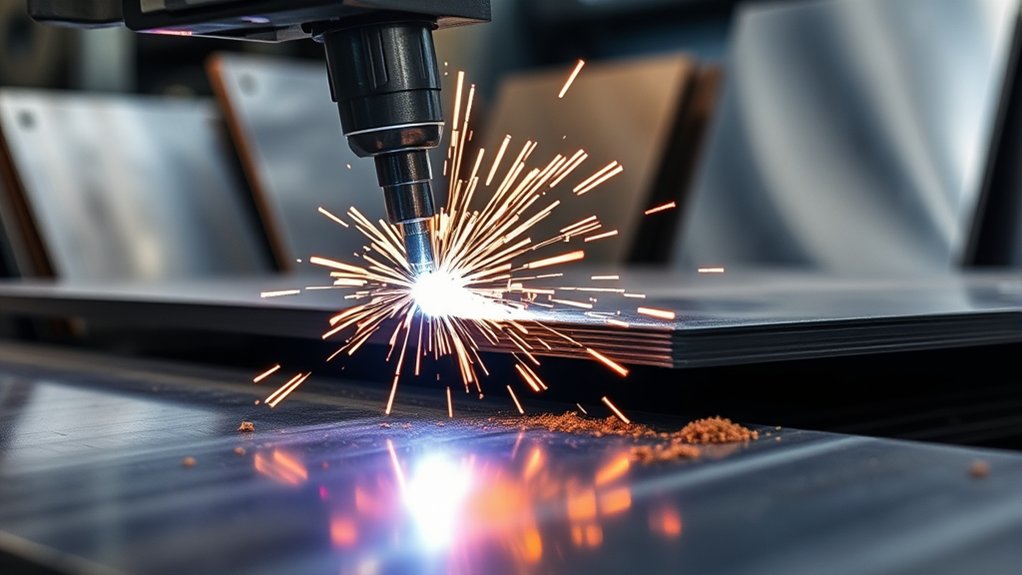
Several factors control cutting speed and precision on mild steel. Steel thickness matters most, but your machine setup and cutting technique also shape the final edge.
Use the right consumables for the job. Fine-cut consumables often help on thinner sheet, while standard or higher-capacity consumables suit thicker material.
- Adjust feed rate based on material thickness.
- Match amperage to the cutter, torch, and consumables.
- Maintain the correct pierce height and cut height.
- Use clean, dry air at the required pressure.
- Replace worn consumables before they ruin the cut.
Techniques to Achieve Clean Cuts at Various Thicknesses
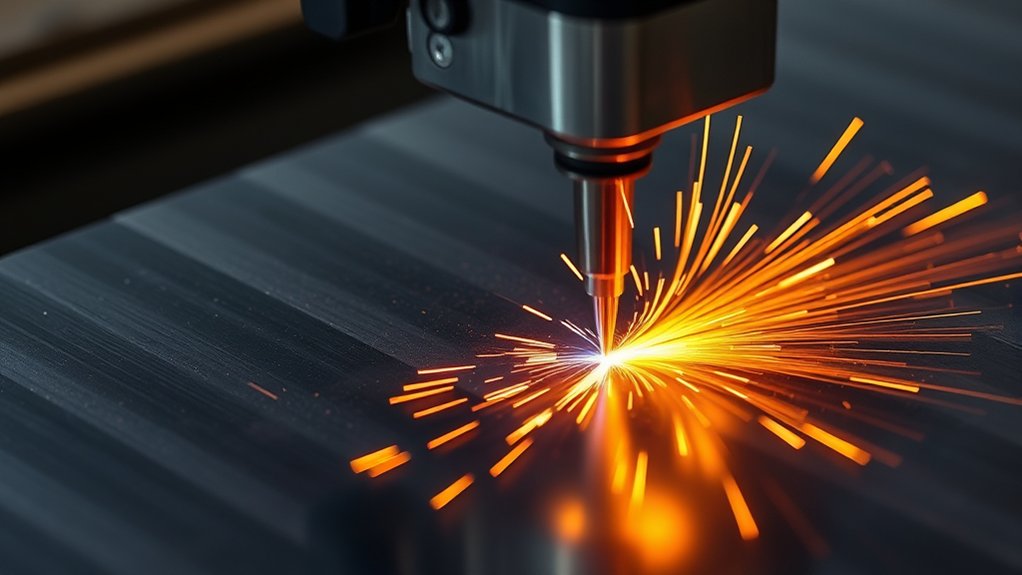
Clean cuts come from steady travel, correct torch height, and a stable arc. When one of those changes, the edge quality changes with it.
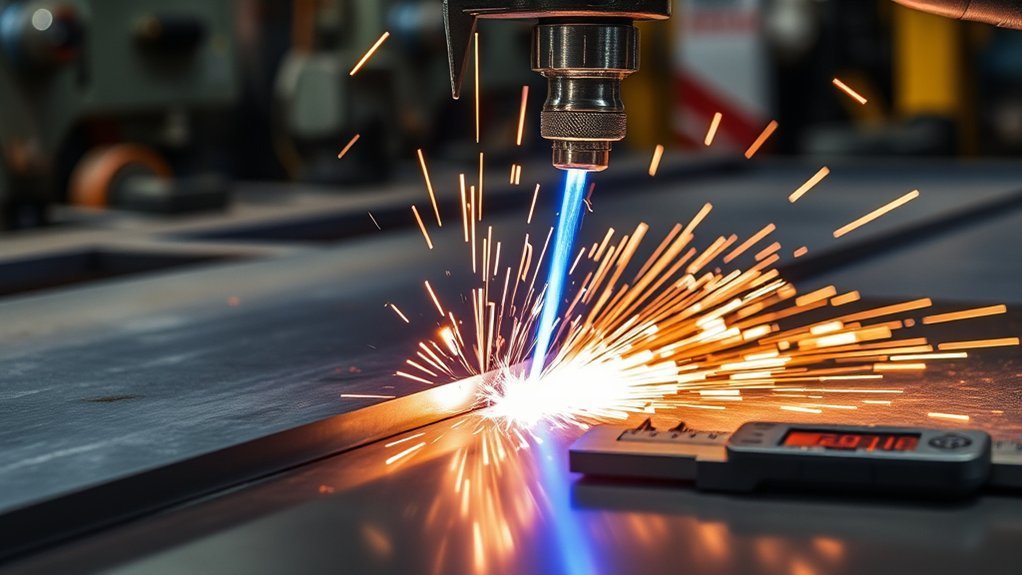
Watch the sparks during a test cut. If they spray straight down and exit the bottom of the plate, your speed is usually close. If they trail far behind, slow down or check your power setting.
Amperage and Cutting Precision
Amperage controls how much cutting power the arc delivers. Too little power can leave an incomplete cut, while too much power can overheat thin sheet.
Use higher amperage only when the thickness and cut chart call for it. Pair that change with the recommended feed rate and torch height.
- 16-gauge: Start near 150 IPM, then test and adjust.
- 20-gauge: Start near 190 IPM on suitable equipment.
- 24-gauge: Start near 205 IPM with low heat input.
- 1/2-inch: Use the machine chart and slow the cut as needed.
Material Warping Mitigation
Thin mild steel can warp when the cut puts too much heat into one area. You can reduce that risk by moving at the right speed and spacing cuts so heat does not build up.
Clamp thin sheets before cutting. Stable material helps the arc stay consistent and gives you a straighter edge.
Use staggered cutting paths, short cooling breaks, and the correct consumables when the part shape allows it. These steps help you manage heat without slowing the job too much.
How to Test and Fine-Tune Your Plasma Cutter Settings
Before you cut the finished part, make a short test cut on scrap from the same mild steel. Use the same thickness, surface condition, and consumables you plan to use for the real cut.
Inspect the top edge, bottom edge, and cut angle. A smooth edge with light dross tells you the setup is close.
- Set the machine from the manufacturer’s cut chart.
- Cut a short straight line on scrap material.
- Check the underside for dross and incomplete cut-through.
- Adjust one setting at a time, starting with feed rate.
- Record the final setting once the cut looks clean.
Enhancing Efficiency With Proper Plasma Cutting Settings
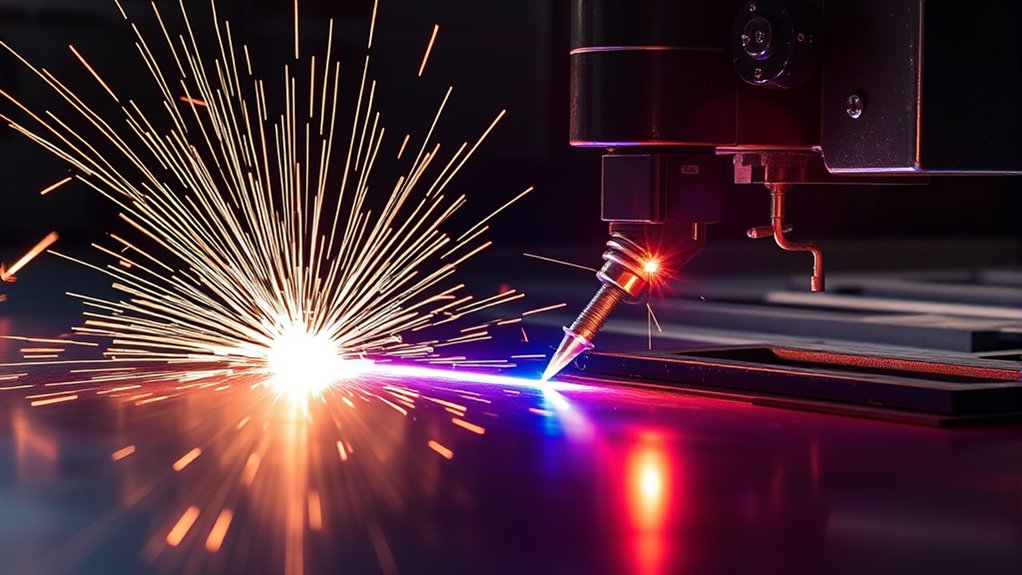
Efficient plasma cutting comes from repeatable settings. Once you find a clean cut for a given thickness, save those numbers in a shop notebook or digital setup sheet.
Use the chart below as a rough starting range, then confirm every value with your plasma cutter’s manual. Different machines can need different amperage, pressure, and speed settings for the same metal.
- 24GA: Start near 205 IPM, then reduce speed if the cut fails to pierce.
- 20GA: Start near 190 IPM and watch for warping.
- 16GA: Start near 150 IPM for better heat control.
- 14GA: Start near 105 IPM and inspect the underside.
- 1/2-inch: Use the machine chart and test slowly on scrap.
Frequently Asked Questions
What Is the Lifespan of a Plasma Cutter Nozzle?
A plasma cutter nozzle may last for a few minutes or several hours of cutting, depending on air quality, pierce habits, amperage, and operator technique. Replace the nozzle when you see a damaged or out-of-round orifice, poor arc control, or sudden cut-quality problems.
How Does Humidity Affect Plasma Cutting?
Humidity can put moisture into the air supply, which can make the arc less stable and shorten consumable life. Use a dryer or filter if your compressor sends wet air to the plasma cutter.
Can Plasma Cutters Be Used on Painted Surfaces?
You can cut painted surfaces, but paint can create smoke, fumes, and inconsistent arc behavior. For cleaner cuts and safer work, remove paint from the cut path when practical and use good ventilation.
What Safety Gear Is Essential for Plasma Cutting?
Wear proper eye protection, gloves, flame-resistant clothing, hearing protection, and leather boots. Keep sparks away from flammable materials, and use ventilation when cutting coated or painted metal.
How Do You Maintain a Plasma Cutter for Longevity?
Check consumables often, clean the torch, drain the compressor tank, and keep moisture out of the air line. Follow the maintenance schedule in your owner’s manual to reduce breakdowns and protect cut quality.
Conclusion
The most important rule is simple: match your feed rate to the mild steel thickness and verify the cut on scrap. Start with the manufacturer’s cut chart, then fine-tune speed, height, air pressure, and amperage one step at a time.
Clean cuts come from steady setup habits, not guesswork. Once you record what works for your machine, each future cut gets faster, cleaner, and easier to repeat.