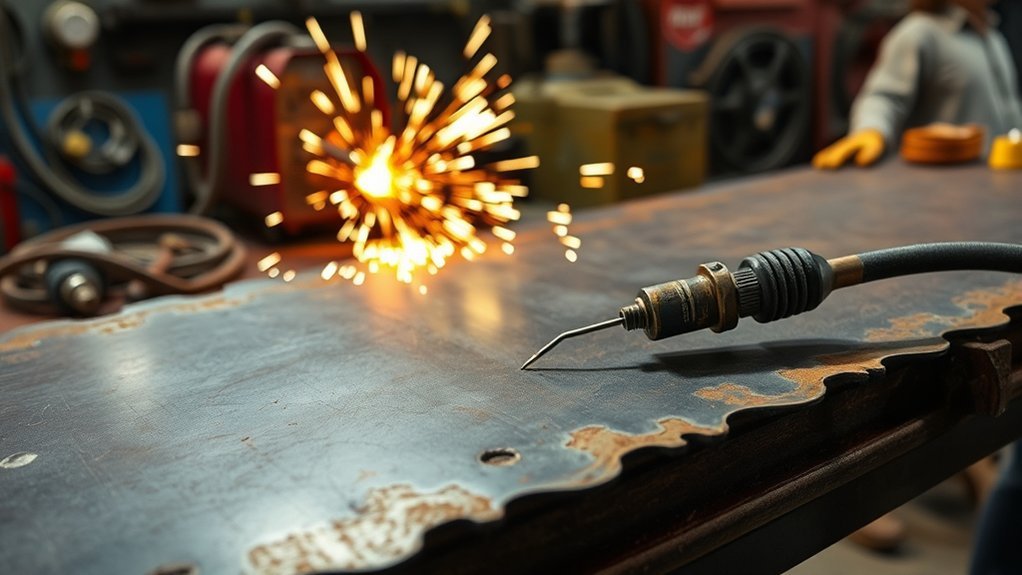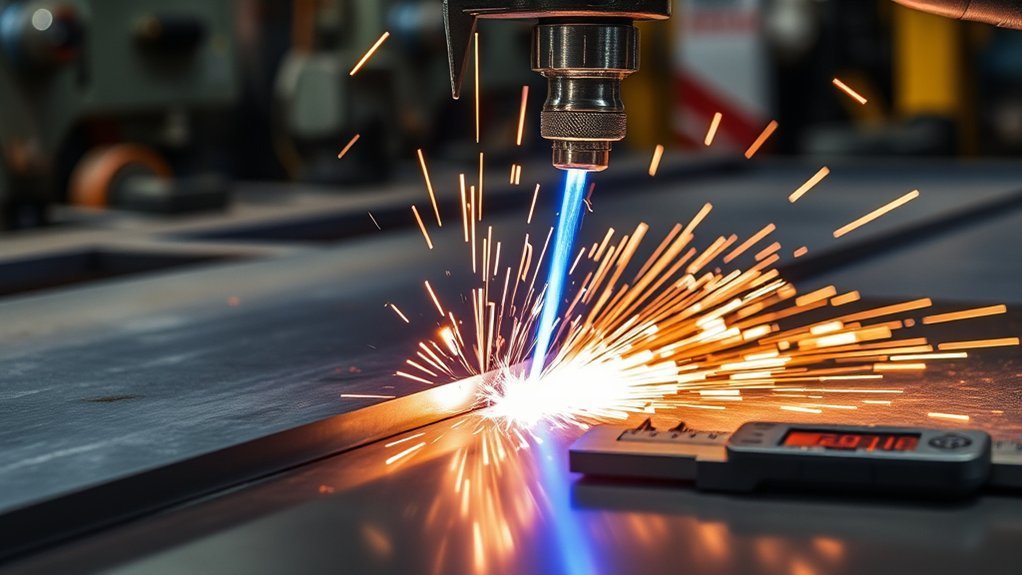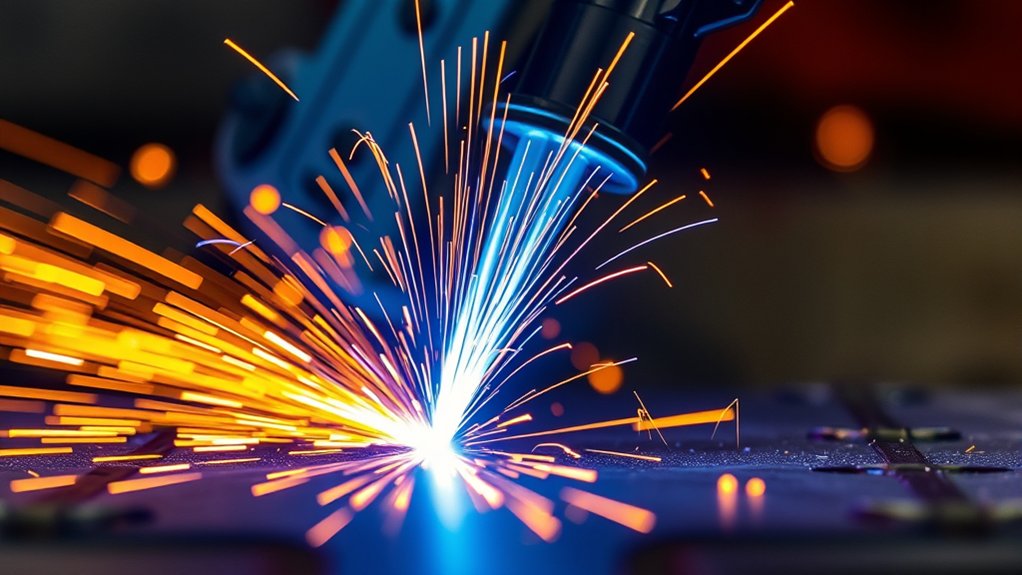
Plasma arc length is the working gap between the plasma stream and the metal you are cutting. In shop language, most operators control it by setting the torch-to-work standoff distance or cut height. Get that gap right and the arc stays focused, the kerf stays cleaner, and your consumables last longer. Get it wrong and you can see more dross, bevel, warping, poor penetration, or nozzle damage.
Quick Answer
For most plasma cuts, set arc length by following your cutter’s cut chart, not by guessing. As a field baseline, many hand torches cut best around 1/16 to 1/8 inch of standoff, while drag tips and mechanized torches may use different heights. Too high widens the kerf and dross; too low can damage consumables.
Key Takeaways
- Use your plasma cutter’s manual or cut chart as the final authority for standoff, amperage, travel speed, gas pressure, and consumables.
- A long arc can cause a wider kerf, bevel, poor penetration, unstable transfer, and extra dross.
- A short arc can overheat the nozzle, mark the shield, damage consumables, or cause double arcing.
- Pierce height and cut height are not always the same, especially on mechanized or CNC plasma systems.
- Clean, dry air and good consumables matter as much as torch height when you want a clean cut.
At a Glance
| Time Required | 5 to 10 minutes for setup and test cuts |
| Difficulty | Beginner to intermediate |
| Tools Needed | Operator manual, cut chart, PPE, scrap metal, standoff guide or drag shield, square, dry compressed air |
| Cost | Usually $0 if you already have PPE and scrap; $10 to $25 for a simple standoff guide if needed |
Understanding Plasma Arc Length and Its Importance
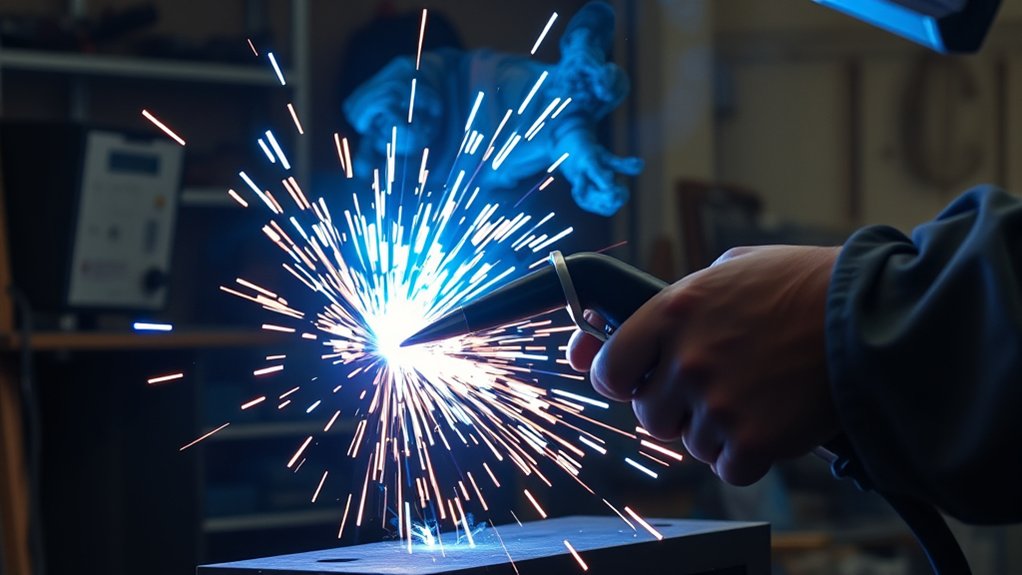
Plasma arc length is the distance the active cutting arc must travel between the torch and the workpiece. In everyday use, you control that gap by holding the torch at the correct standoff distance, also called cut height or torch-to-work distance.
That gap changes the way the plasma stream hits the metal. If the torch is too far away, the arc spreads out, loses focus, and can leave a wider kerf, more bevel, and more dross. If the torch is too close, the nozzle or shield can overheat, touch the plate, or suffer early wear.
The safest rule is simple: start with the cut chart for your exact machine, torch, amperage, consumables, material, and thickness. General ranges help you understand the process, but they do not replace the manufacturer’s settings.
Warning: Plasma cutting creates intense arc light, molten metal, sparks, hot slag, fumes, and electrical hazards. Wear a proper welding helmet or face shield, safety glasses, gloves, flame-resistant clothing, and hearing protection. OSHA’s eye and face protection rule lists minimum filter shade guidance for plasma arc cutting, but your helmet, task, amperage, and manual should guide the final choice.
Arc Length, Standoff Distance, Cut Height, and Arc Voltage
These terms are related, but they are not identical:
- Arc length: the length of the active plasma arc between the torch and the workpiece.
- Standoff distance: the physical gap between the torch tip, shield, or nozzle area and the metal.
- Cut height: the torch height used while moving through the cut.
- Pierce height: the taller starting height often used to protect the torch while piercing thicker plate.
- Arc voltage: a feedback value often used by mechanized torch height control systems to hold a consistent cut height.
For hand cutting, you usually manage standoff by hand, with a drag shield, or with a standoff guide. For mechanized cutting, the system may use height control and arc voltage to keep the torch at a steady height as the plate moves or warps.
Factors Influencing Plasma Arc Length
The biggest factor is still torch-to-work distance, but it is not the only one. Plasma cutting works as a system. Changing one setting can change how the others behave.
These factors affect the best arc length and cut height:
- Material thickness: thicker plate usually needs more power, slower travel, and a clean pierce routine.
- Material type: mild steel, stainless steel, and aluminum may need different amperage, speed, and gas settings.
- Consumable type: drag tips, shielded consumables, fine-cut consumables, and mechanized consumables can use different heights.
- Amperage: current must match the consumables and material thickness.
- Travel speed: moving too fast or too slow can look like a height problem even when standoff is correct.
- Air pressure and air quality: wet, dirty, or low-pressure air can cause rough edges, misfires, and short consumable life.
- Plate condition: rust, paint, mill scale, warped plate, or an uneven work surface can change the real torch gap.
Note: Do not copy a mild-steel standoff setting directly to aluminum or stainless steel. Use the cut chart, then make a short test cut on scrap from the same material.
Techniques for Setting the Optimal Arc Length
To set the best arc length, start with the manufacturer’s cut chart. Then confirm the result on scrap metal before cutting the final part. For many hand-torch setups, a standoff near 1/16 to 1/8 inch is a useful starting point when the torch is not designed for drag cutting. Some torches, however, are made to drag on the work with the correct shield or drag tip, so the manual always comes first.
Products Worth Considering
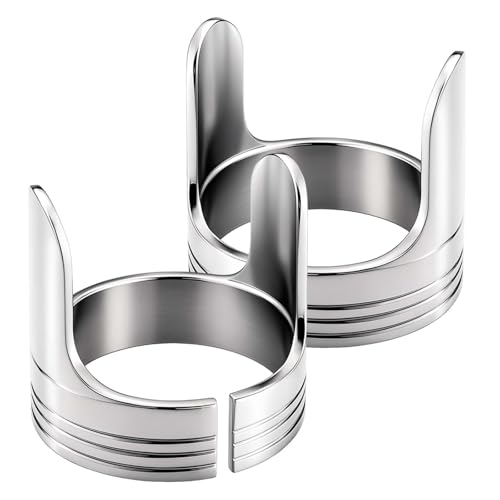
Wide Compatibility:Fits multiple plasma torch,including PowerPlasma 50S/60S plasma torch,Forcecut 62i plasma cutter IPT-60 torch,Harbor Freight 62204 plasma torch,CUT55 IPT-60 plasma torch,Harbor freight titanium IPT-45 torch,ensuring broad usability

Universal Compatibility for Seamless Fit: Specifically engineered as essential plasma cutter accessories, these spring spacer guides perfectly fit SG-55, AG-60, and WSD-60P torch heads. They are fully compatible with popular machines like CUT50, CUT50D, CUT60, and LGK60, ensuring you can replace worn parts without worrying about mismatch issues during your metalworking projects.

Standard size plasma torch double pointed spacer guide for: PT-60 / PT-40
Step-by-Step Setup
- Check the consumables. Inspect the electrode, nozzle, swirl ring, shield, and retaining cap. Replace worn or damaged parts before tuning height.
- Match the cut chart. Set amperage, consumables, gas pressure, and travel speed for the material and thickness.
- Set the starting height. Use the cut chart value, a standoff guide, or the correct drag shield for your torch.
- Make a short test cut. Cut 3 to 6 inches on scrap from the same material.
- Read the edge. Look for bevel, bottom dross, top spatter, rough drag lines, and incomplete penetration.
- Adjust one variable at a time. Change height, speed, or amperage in small steps so you know what fixed the problem.
- Recheck after long cuts. Heat can warp thin material and change the real torch-to-work distance.
| Technique | Benefit | Best Use |
|---|---|---|
| Manual standoff guide | Keeps a steady hand-torch gap | Straight cuts, templates, and beginners |
| Drag shield or drag tip | Lets the torch ride on the plate when the torch is designed for it | Hand cutting with compatible consumables |
| Test cut and edge reading | Confirms the setting on real material | Any material change or new consumable set |
| Torch height control | Maintains consistent cut height during mechanized cutting | CNC plasma tables and longer production cuts |
Pro Tip: Keep a small scrap piece from each job and write the best amperage, speed, standoff, and consumable set on it. That gives you a real-world shop reference for the next similar cut.
Effects of Incorrect Arc Length on Cut Quality
Incorrect arc length can quickly show up in the cut edge. Sometimes the problem is height. Other times it is speed, worn consumables, air pressure, or poor work clamp contact. Use the cut symptoms to guide your next adjustment.
| Cut Symptom | Likely Cause | What to Check First |
|---|---|---|
| Heavy bottom dross | Travel speed too slow, arc too high, low air pressure, or worn consumables | Speed, standoff, air supply, nozzle condition |
| Top spatter or top dross | Torch too high, poor pierce height, or dirty plate | Cut height, pierce height, surface prep |
| Wide kerf or rounded top edge | Arc too long or amperage too high for the consumables | Standoff, amperage, correct nozzle size |
| Nozzle damage or double arcing | Torch too close, wrong consumables, or dragging with non-drag parts | Consumable type, standoff, manual instructions |
| Incomplete cut | Arc too long, travel too fast, amperage too low, or material too thick | Cut chart, speed, amperage, work clamp |
| Excessive bevel | Torch not square, height incorrect, worn nozzle, or cut direction issue | Torch angle, nozzle, direction, standoff |
If a cut suddenly gets worse after several good cuts, inspect the consumables before changing several settings. A damaged nozzle or electrode can mimic a bad standoff setting.
Adjusting Torch-to-Work Distance for Ideal Arc Length
When you adjust torch-to-work distance, make small changes. A tiny height change can make a visible difference in kerf width, dross, and bevel. On hand torches, steady body position matters as much as the number. Brace your hands, use a straightedge when suitable, and keep the torch square to the plate.
For many hand cutting jobs, use this simple baseline:
- Drag cutting: drag only when your torch and consumables are designed for it.
- Standoff cutting: begin near the manual’s recommended height, often around 1/16 to 1/8 inch for many hand setups.
- Piercing thicker plate: use the recommended pierce height so molten metal does not blow back into the nozzle.
- CNC cutting: set pierce height, cut height, pierce delay, arc voltage, speed, and amperage from the cut chart.
The best plasma arc length is not the shortest gap you can hold. It is the gap that keeps the arc focused without forcing the torch, shield, or nozzle into the molten metal stream.
Keep the work clamp close to the cut area and attach it to clean metal. Poor electrical contact can cause arc instability that looks like a height problem.
Products Worth Considering

The suitable plasma torch: Plasma spring guide AG60 / SG55 WSD60 plasma cutting torch

Compatible with AG60 / AG-60 / SG55 / SG-55 plasma cutting torches, widely used for most standard plasma cutting jobs.

fit SG-55 AG-60 WSD-60 Plasma Cutter Torch
Manufacturer Guidelines for Arc Length Based on Material
Manufacturer guidelines matter because plasma cutters are not all built the same. Torch design, nozzle diameter, shield style, amperage rating, gas system, and height-control method all affect the correct arc length.
Use the cut chart whenever you change:
- material type, such as mild steel, stainless steel, or aluminum;
- material thickness;
- amperage;
- consumable set;
- cutting mode, such as drag cutting, gouging, fine cutting, or mechanized cutting;
- air pressure or gas type;
- pierce method or CNC program.
Do not assume aluminum always needs one fixed height or mild steel always tolerates a longer arc. Instead, use the recommended setup, make a test cut, and judge the edge. If the edge shows heavy dross, rough drag lines, or bevel, correct the most likely variable one step at a time.
Note: If your machine has no clear cut chart, use the operator manual for consumable selection and start on scrap at the lowest practical thickness and speed range. Never tune on the finished part first.
Enhancing Performance and Consumable Lifespan With Proper Arc Length
Correct arc length helps the torch run cooler and more consistently. It also reduces the chance of molten metal blowing back into the nozzle during piercing. That matters because plasma nozzles and electrodes are precision parts. Once the nozzle orifice is out of round or the electrode pit is too deep, the arc loses focus.
To protect consumables:
- use the correct consumable set for the amperage;
- avoid dragging non-drag consumables on the plate;
- use proper pierce height on thicker material;
- keep air dry and clean with a suitable filter or dryer;
- avoid stretching consumables after cut quality drops;
- let the post-flow cooling cycle finish before shutting off air or power, if your machine uses one.
Automatic torch height control can improve consistency on CNC tables, but it is not magic. If the cut chart values, consumables, ground path, air supply, or plate setup are wrong, height control will only repeat the wrong setup more consistently.
Safe Setup Before You Cut
Before tuning arc length, make the work area safe. Remove flammable liquids, paper, sawdust, rags, and loose debris. Keep a fire extinguisher nearby and watch for sparks behind or under the cutting table. Plasma sparks can travel farther than expected, especially when cutting expanded metal, tubing, or parts with gaps.
Use ventilation or local fume extraction when cutting coated, painted, galvanized, stainless, or unknown material. Clean the cut line when possible, and never cut sealed containers or tanks unless they have been professionally cleaned and prepared for hot work.
For eye protection, use equipment rated for plasma cutting and never look at the arc with unprotected eyes. OSHA’s eye and face protection standard lists minimum protective shade guidance for plasma arc cutting, but the safest choice also depends on amperage, visibility, and the torch manufacturer’s instructions.
How to Read a Test Cut
A test cut is the fastest way to confirm arc length. Cut a short straight line, let the part cool, and inspect both sides.
- Top edge: should not be excessively rounded or covered with spatter.
- Bottom edge: may have light dross, but heavy hard dross means something is off.
- Kerf: should be consistent from start to finish.
- Cut face: should show fairly even drag lines.
- Bevel: should be minimal for normal straight cutting with a square torch.
If you are unsure whether height or speed caused the problem, make two more short test cuts. On the first, keep height the same and change speed slightly. On the second, return to the original speed and change standoff slightly. Compare the edges side by side.
Frequently Asked Questions
Can weather conditions affect plasma arc length settings?
Weather by itself is not usually the setting you adjust. The bigger issue is moisture in compressed air, especially on humid days. Wet air can cause rough cuts, unstable starts, and shorter consumable life. Drain the compressor, use clean dry air, and check filters before changing arc length.
How does plasma arc length impact cutting speed?
The right arc length helps the torch maintain a focused plasma stream, which makes the recommended travel speed work better. If the arc is too long, you may need to slow down and still get dross or incomplete penetration. If it is too short, the torch may overheat or damage consumables.
Are there automated systems for adjusting plasma arc length?
Yes. Mechanized and CNC plasma systems often use torch height control to maintain cut height during the cut. Many systems sense arc voltage as part of the height-control process. You still need the correct pierce height, cut height, consumables, amperage, speed, and air settings from the cut chart.
What are common mistakes when setting plasma arc length?
Common mistakes include using one standoff for every material, dragging non-drag consumables, ignoring worn nozzles, piercing too close to the plate, changing multiple settings at once, and skipping the test cut. Start with the manual, then adjust one variable at a time.
How does operator skill influence plasma arc length accuracy?
Operator skill matters most with hand torches. A steady hand, square torch angle, smooth travel speed, and consistent standoff all improve cut quality. Beginners can improve quickly by using a guide, bracing both hands, practicing on scrap, and inspecting each test cut.
Is pierce height the same as cut height?
Not always. On many mechanized setups, pierce height is higher than cut height to protect the torch from molten blowback. After the arc pierces the plate, the torch lowers to the recommended cut height. Follow the cut chart for both values.
Should I drag the plasma torch on the metal?
Only drag the torch if your machine and consumables are designed for drag cutting. Dragging the wrong nozzle or shield can damage parts and make the arc unstable. If your torch requires standoff, use a guide or steady hand position instead.
Conclusion
Plasma arc length matters because it controls how focused the cutting arc stays as it enters the metal. The best setting is not a universal number. It depends on your cutter, torch, consumables, amperage, material, thickness, air supply, and cutting method. Start with the cut chart, use the correct consumables, make a test cut, and adjust one variable at a time.
As a practical rule, many hand-torch standoff cuts begin near 1/16 to 1/8 inch, but drag tips and mechanized systems may call for different values. If the cut shows dross, bevel, rough edges, or poor penetration, read the edge before guessing. A steady torch height, clean dry air, good consumables, and safe setup will do more for cut quality than chasing a single “perfect” arc length.
Sources
- OSHA 1910.133 – Eye and face protection – backs up eye and face protection guidance and minimum protective shade references for plasma arc cutting.
- Arc Plasma Torch Modeling – supports the technical point that arc plasma torch behavior depends on coupled thermal, fluid, electromagnetic, and gas-flow conditions.
- Non-Equilibrium Modeling of Arc Plasma Torches – supports the discussion of arc length, voltage-drop behavior, and why torch height cannot be treated as a one-variable setting.