Disclosure: As an Amazon Associate, we earn from qualifying purchases. If you click a link on this page and make a purchase, we may receive a small commission at no extra cost to you.
Repairing a cracked urethane bumper starts with choosing a rod that actually matches the plastic. The Polyvance Polyurethane Welding Rod R01 is a 30-foot, 1/8-inch round rod made specifically for polyurethane repair, including thermoset PUR and RIM parts commonly found in bumper covers and exterior body components. Its biggest advantage is material-specific compatibility, but it is not a general-purpose rod for every bumper plastic. This review explains where R01 works, where it does not, and what you should check before heating the rod.
Quick Verdict
Rating: 8.5/10, Recommended with caveats
Best For: Repairing correctly identified PUR, RIM, RRIM, TPU, or TPUR plastic with a compatible plastic welder.
Bottom Line: The 30-foot continuous R01 rod gives you plenty of material for polyurethane repairs and fits Polyvance airless welding equipment well. Its main limitation is narrow compatibility, so you need to identify the damaged plastic before using it.
| Specification | Detail |
|---|---|
| Brand | Polyvance |
| Model | R01-01-03-NT |
| Product Type | Polyurethane plastic welding rod |
| Rod Profile | Round, 1/8 in (3 mm) diameter |
| Length | 30 ft (9.1 m) |
| Package Format | One continuous 30-foot piece |
| Color | Natural |
| Material Compatibility | PUR, RIM, RRIM, TPU, and TPUR polyurethane plastics |
| Primary Automotive Use | Polyurethane bumper covers, fenders, and exterior body parts |
| PUR Repair Method | Airless plastic welder, producing a braze-like repair rather than a fusion weld |
What Is the Polyvance Polyurethane Welding Rod?
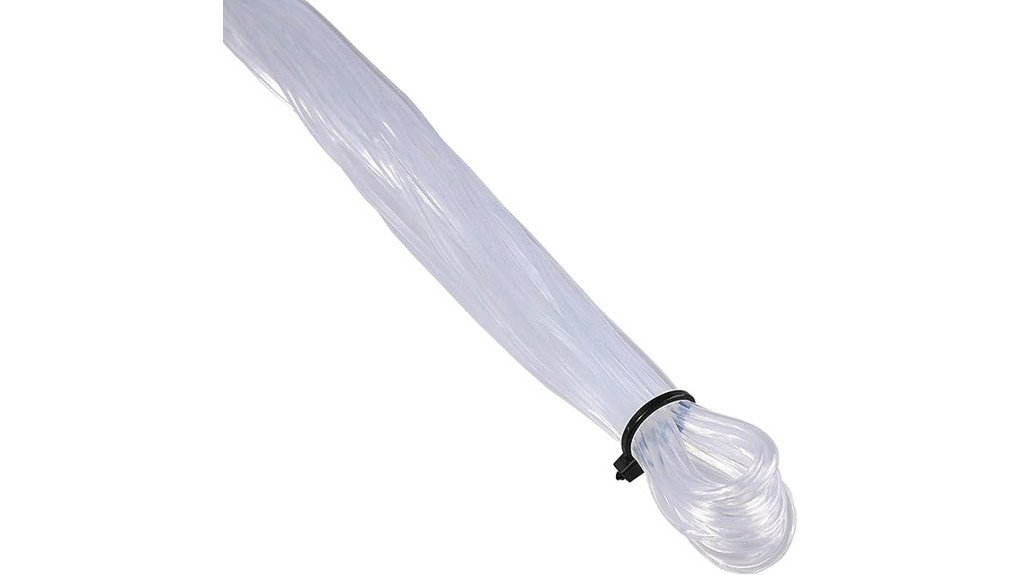
The Polyvance R01 is a material-specific repair rod for polyurethane plastic. The R01-01-03-NT version comes as one continuous 30-foot piece with a 1/8-inch round profile, giving you enough length to cut or feed only the amount needed for a particular repair.
Its most important use is repairing thermoset polyurethane, often identified by markings such as PUR, RIM, or RRIM. Thermoset polyurethane does not melt like ordinary thermoplastic bumper material. With PUR, the R01 rod is melted into the prepared repair area with an airless plastic welder, creating a repair more similar to brazing than to a traditional fusion weld.
The same R01 material can also be used with meltable polyurethane identified as TPU or TPUR. In that situation, a fusion repair is possible. This distinction matters because identifying the plastic correctly determines both the rod and repair technique you should use.
Before You Buy: Do not choose this rod simply because the damaged part is a bumper. Many bumper covers are polypropylene, TPO, or another plastic. Check the molded material code on the back of the part whenever possible. R01 is intended for polyurethane, not every automotive plastic.
Who Should Buy It?
Best For
- You have confirmed that the damaged part is PUR, RIM, RRIM, TPU, or TPUR.
- You already own a compatible Polyvance airless plastic welder or similar suitable equipment.
- You repair older urethane bumper covers, fenders, or other polyurethane body parts.
Skip If
- Your part is marked PP, TPO, ABS, HDPE, or another non-polyurethane plastic.
- You need a universal rod for several unidentified plastic types.
- You do not have suitable plastic welding equipment or cannot safely identify the base material.
Material Compatibility Matters Most
Plastic welding depends heavily on matching the repair material to the damaged part. The R01 rod is not designed to replace polypropylene, TPO, ABS, polyethylene, nylon, or other material-specific welding rods.
For older yellow urethane bumper material, color can provide a useful clue, but the molded identification mark is a better starting point. Look on the back of the component for markings such as PUR, RIM, RRIM, TPU, or TPUR. When those markings are present, the R01 rod becomes a much more appropriate choice.
This material matching also prevents a common repair mistake: melting a rod onto a surface without creating the type of bond the base plastic requires.
Rod Size and Continuous Design
The R01-01-03-NT rod measures 1/8 inch (3 mm) in diameter and comes as a 30-foot (9.1 m) continuous piece. Unlike welding rods supplied as many short sticks, this format lets you feed material continuously during a longer repair.
The 1/8-inch diameter also matches the standard welding tip used with Polyvance’s Mini-Weld airless plastic welder. That compatibility reduces the need to reshape an oversized rod before feeding it through the tip.
For small cracks, you can use only a short section. For longer bumper damage or repeated shop repairs, the continuous roll gives you more flexibility without opening multiple individual rods.
How It Works on Thermoset PUR
Thermoset polyurethane behaves differently from meltable thermoplastics. You cannot simply melt the base PUR plastic together to create a conventional fusion weld. Instead, the damaged area is prepared and the R01 rod is melted into it with an airless welder.
This creates a braze-like repair. The rod supplies the repair material while the original PUR part remains thermoset. That is why using the correct procedure matters more than trying to force the base plastic to melt.
The original version of this review recommended a universal temperature of 350°F. You should not rely on that number for PUR. Temperature controls differ between plastic welders. Follow the instructions for your specific machine and adjust the heat so the R01 rod melts properly without excessive smoking or bubbling.
Pro Tip: Test the welder and rod on a scrap area or inconspicuous section before working across the entire crack. You want the rod to flow correctly without scorching or excessive bubbling.
Using R01 With TPU and TPUR
Not every polyurethane part is thermoset. TPU and TPUR are thermoplastic polyurethane materials, which means they can melt. When the component is correctly identified as TPU or TPUR, R01 can be used to create a fusion repair rather than the braze-style repair used on PUR.
This is another reason material identification should come before welding. Two parts may both be described as polyurethane while requiring somewhat different repair behavior.
How It Performs in Real Use
For a Cracked Urethane Bumper Cover
This is the R01 rod’s clearest use case. After confirming a PUR or RIM material code and preparing the damaged area correctly, the 1/8-inch rod can be fed through a compatible airless welder to fill the repair groove. The continuous length is useful when the crack requires more than a short section of filler material.
For Older Automotive Body Parts
Thermoset polyurethane appeared frequently in older bumper covers and remains in use on some parts today. If you maintain or restore older vehicles, keeping a dedicated polyurethane rod makes more sense than trying to substitute a modern TPO or polypropylene rod.
For Repeated Shop Repairs
A 30-foot continuous piece is convenient when you repair more than one polyurethane component. You can cut what you need while keeping the rest stored for future jobs. The key limitation is that the remaining material is useful only when another repair also calls for polyurethane.
For an Unknown Plastic Part
This is where you should stop before welding. If the part has no known material code and you cannot determine the plastic type, R01 should not be treated as a universal solution. Material identification is part of the repair process.
How to Use It Correctly
Start by cleaning dirt, grease, paint residue, and loose contamination from the repair area. Then locate the molded plastic identification code when available. Confirm that the part is polyurethane before selecting R01.
For thermoset PUR, align the crack before preparing a groove. Because PUR itself is not meltable, the groove must be mechanically prepared rather than melted into the base material. Use the airless welder according to its manual and feed the R01 rod through the appropriate tip.
Allow the repair to cool fully before stressing, sanding, or refinishing it. Cooling time depends on the repair size and surrounding material, so avoid forcing or flexing the joint while it is still hot.
Compatibility and Safety
For a thermoset PUR repair, use an airless plastic welder. Polyvance specifically identifies R01 as an airless-welder material for PUR. Do not assume a hot-air or nitrogen procedure used for PP or TPO is automatically suitable for thermoset polyurethane.
Plastic repair also involves heat, fumes, power tools, and potentially painted automotive materials. Work in a properly ventilated area, wear appropriate eye and hand protection, and follow the safety instructions supplied with your welder, repair material, and vehicle component.
If the damaged area affects structural mounting points, occupant protection equipment, sensors, or another safety-critical component, professional evaluation is the safer choice.
Pros and Cons
Pros
- Made specifically for polyurethane plastic repair.
- Works with thermoset PUR/RIM and meltable TPU/TPUR when the proper technique is used.
- Generous 30-foot continuous length.
- 1/8-inch profile fits Polyvance’s standard Mini-Weld tip.
- Useful for polyurethane bumper covers, fenders, and exterior body components.
Cons
- Limited to polyurethane-related plastics and should not replace PP, TPO, or other material-specific rods.
- PUR repairs require an airless plastic welder and correct surface preparation.
- You need to identify the base plastic correctly before choosing the rod.
Is It Worth the Price?
The Polyvance R01 makes the most sense as a mid-range specialty consumable rather than a general-purpose welding supply. You are paying for a rod matched to polyurethane repair, a 30-foot continuous format, and compatibility with Polyvance’s airless welding system.
It offers stronger value when you already own the appropriate welder or regularly repair PUR parts. The long continuous piece can handle multiple small repairs, so you do not need to buy another rod after every job.
It is less attractive if you rarely encounter polyurethane. A shop working mostly with PP or TPO bumper covers will get more day-to-day use from rods matched to those plastics.
How It Compares to Alternatives
The important comparison is not simply one brand against another. The first comparison should be plastic type. Polyvance R02 is intended for polypropylene, while Polyvance R05 is designed for TPO or TEO. Neither should be treated as a substitute for R01 when the damaged component is confirmed as polyurethane.
R01 therefore makes the most sense when PUR, RIM, RRIM, TPU, or TPUR is the material you actually need to repair. If the part is marked PP or TPO, choose the matching rod instead of trying to make R01 work on the wrong plastic.
Frequently Asked Questions
What plastic is the Polyvance R01 rod designed for?
R01 is designed for polyurethane plastics. Relevant identification markings include PUR, RIM, RRIM, TPU, and TPUR. You should confirm the material before starting the repair.
Can I use R01 on any plastic bumper?
No. Many bumper covers are made from PP, TPO, or other plastics. R01 should be selected when the base material is polyurethane rather than simply because the component is a bumper.
Is a PUR repair a true plastic fusion weld?
No. Thermoset PUR does not melt in the way a normal thermoplastic does. The R01 repair is more similar to brazing because the repair rod melts while the original thermoset PUR remains non-meltable.
Can R01 make a fusion weld on TPU?
Yes, TPU and TPUR are meltable thermoplastic polyurethane materials. When the base material is correctly identified and the proper equipment and technique are used, R01 can be used for a fusion repair.
What temperature should I use with this welding rod?
Do not treat one Fahrenheit temperature as universal across all plastic welders. Follow the instructions for your specific airless welder and adjust the setting so the rod melts correctly without excessive smoking or bubbling.
How much welding rod is included?
The R01-01-03-NT version contains one continuous 30-foot (9.1 m) piece. The round rod measures 1/8 inch, or about 3 mm, in diameter.
Who should skip this polyurethane welding rod?
Skip it when your damaged component is identified as PP, TPO, ABS, HDPE, or another non-polyurethane material. You should also avoid starting the repair until you can identify the plastic and use suitable welding equipment safely.
The Bottom Line
The Polyvance R01 polyurethane welding rod is a strong choice when you know the damaged component is PUR, RIM, RRIM, TPU, or TPUR and you have suitable welding equipment. Its 30-foot continuous length and 1/8-inch profile are practical, but its material-specific design means it should not be treated as a universal bumper repair rod.
For correctly identified polyurethane repairs, the R01 earns our 8.5/10, Recommended with caveats verdict. Skip it when the part is PP, TPO, or another material that requires its own matching welding rod.
Ready to Buy?
Check the latest product details and confirm that R01 matches your plastic before you decide.